|
Getting your Trinity Audio player ready...
|
By Mary Mwendwa
NAIROBI, Kenya – More than 40% of the world’s migratory bird species are now in decline, signaling deep fractures in the natural systems that sustain human life, BirdLife International has warned ahead of World Migratory Bird Day on 9 May.
Globally, nearly half (49%) of all migratory species protected under a United Nations treaty are now experiencing population declines, according to the latest interim report from the Convention on the Conservation of Migratory Species (CMS), which analyzed IUCN Red List data for nearly 1,200 protected species. The report found 592 populations declining, with 24% of migratory species now globally threatened with extinction – up from 22%.
Among 386 re-assessed species, 26 shifted to higher risk categories, including 18 migratory shorebirds threatened by habitat loss at critical stopover points along their flyways. The Hudsonian Godwit, a long-distance migratory bird, has seen its population crash by nearly 95% over the past four decades and is now listed as Vulnerable on the IUCN Red List.
Migratory birds do more than travel vast distances. They transport nutrients across oceans, pollinate plants, spread seeds, suppress diseases, and help keep crops growing.
“When migratory birds struggle, it’s often a sign that those systems are under strain,” said Martin Harper, CEO of BirdLife International, in a statement marking World Migratory Bird Day.

Harper noted growing pressure on wetlands, coastlines, grasslands, and other vital habitats.
“Protecting the major migratory highways of the world is how we reverse those declines. And when we do, people gain too: cleaner water, food security, flood protection, and more resilience to a changing climate.”
A flyway is a natural migration route birds use between breeding grounds, feeding areas, and seasonal refuges. These connected pathways stretch across borders and oceans, linking habitats thousands of kilometres apart. If one link in a flyway is damaged – a wetland drained or a coastline degraded – entire species can collapse.
The world has four major land flyways: African–Eurasian, East Asian–Australasian, Americas, and Central Asian, plus six marine flyways.
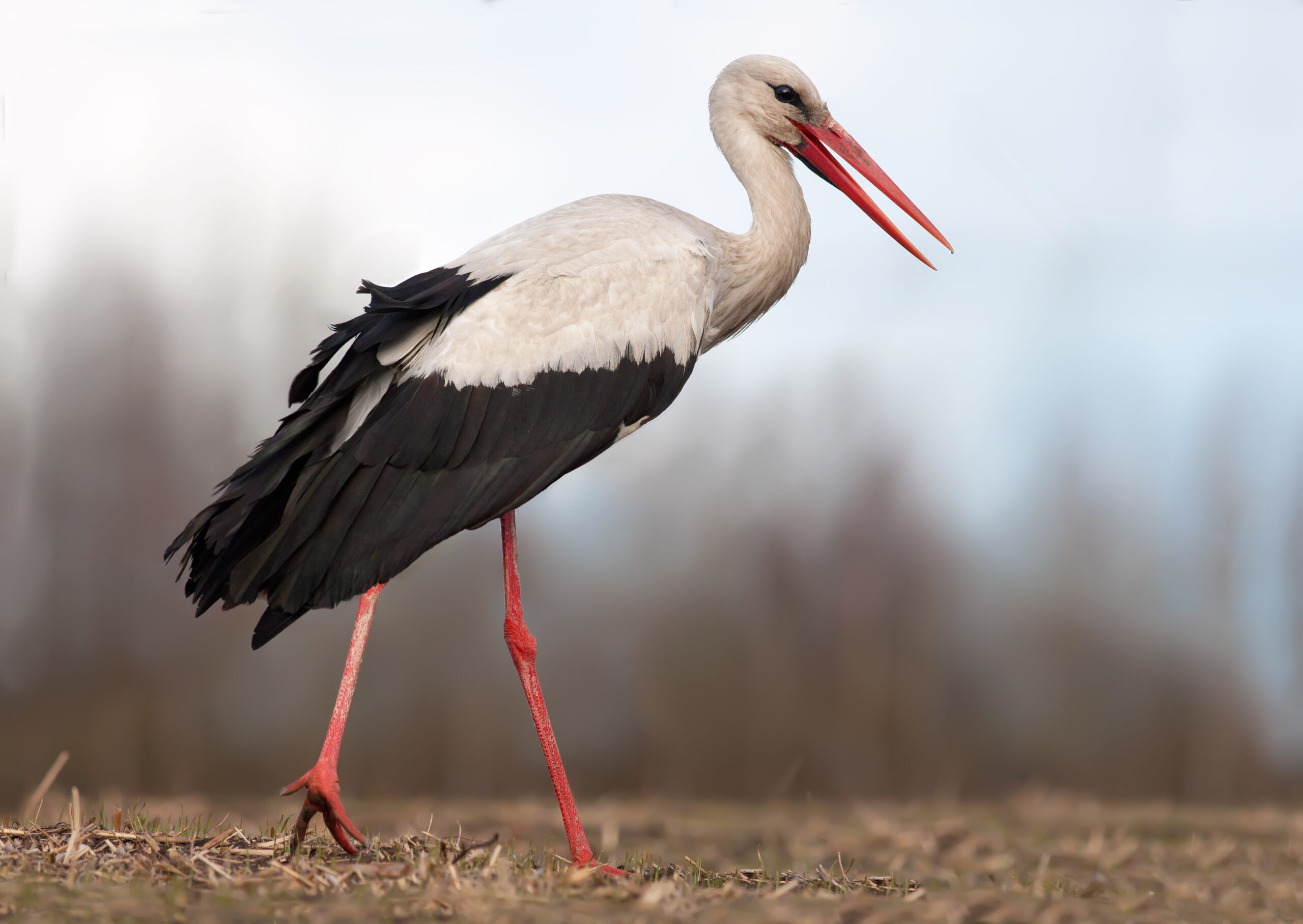
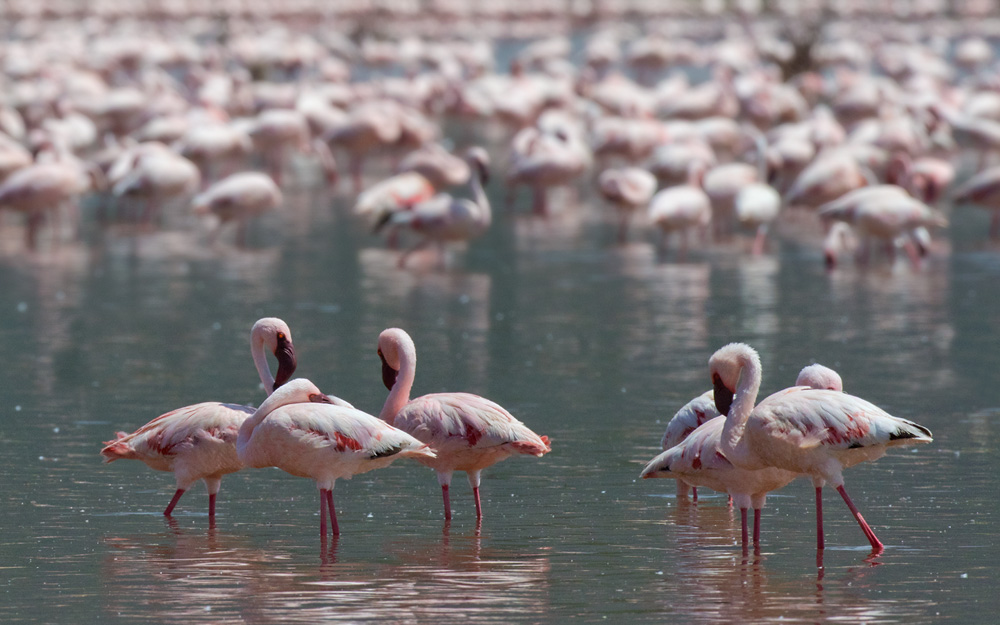
One of the most important systems is the African–Eurasian Flyway, which links Africa, Europe, and Asia. Birds travel from the Arctic to southern Africa and back again – a journey dependent on a chain of healthy wetlands, estuaries, and inland habitats. The white stork, famous for returning to the same nest year after year, depends on these places. So do flamingos, whose movements track the health of wetland systems.
Dr. Paul Matiku, Executive Director at Nature Kenya (BirdLife’s local partner), said Africa’s role is central.
“Africa is central to some of the world’s great flyways. The health of our wetlands, rangelands, and coastlines matters far beyond our borders. When we protect these habitats, we protect birds, biodiversity, and the communities that live alongside them.”
He added that holding the Global Flyways Summit in Nairobi this September – the first time the landmark gathering will be held on African soil – is especially meaningful for the continent.
Co-hosted by BirdLife International and Nature Kenya, the Global Flyways Summit will bring together leaders from science, policy, finance, business, and civil society to agree on action needed to protect migratory birds and the ecosystems they depend on. BirdLife scientists will also launch a new edition of the State of the World’s Birds report, with a focus on flyways.
To mark World Migratory Bird Day, BirdLife International is inviting people to step outdoors, watch birds, and record what they see. Every observation adds to the citizen science data that conservation depends on.