|
Getting your Trinity Audio player ready...
|
By Melisa Mong’ina
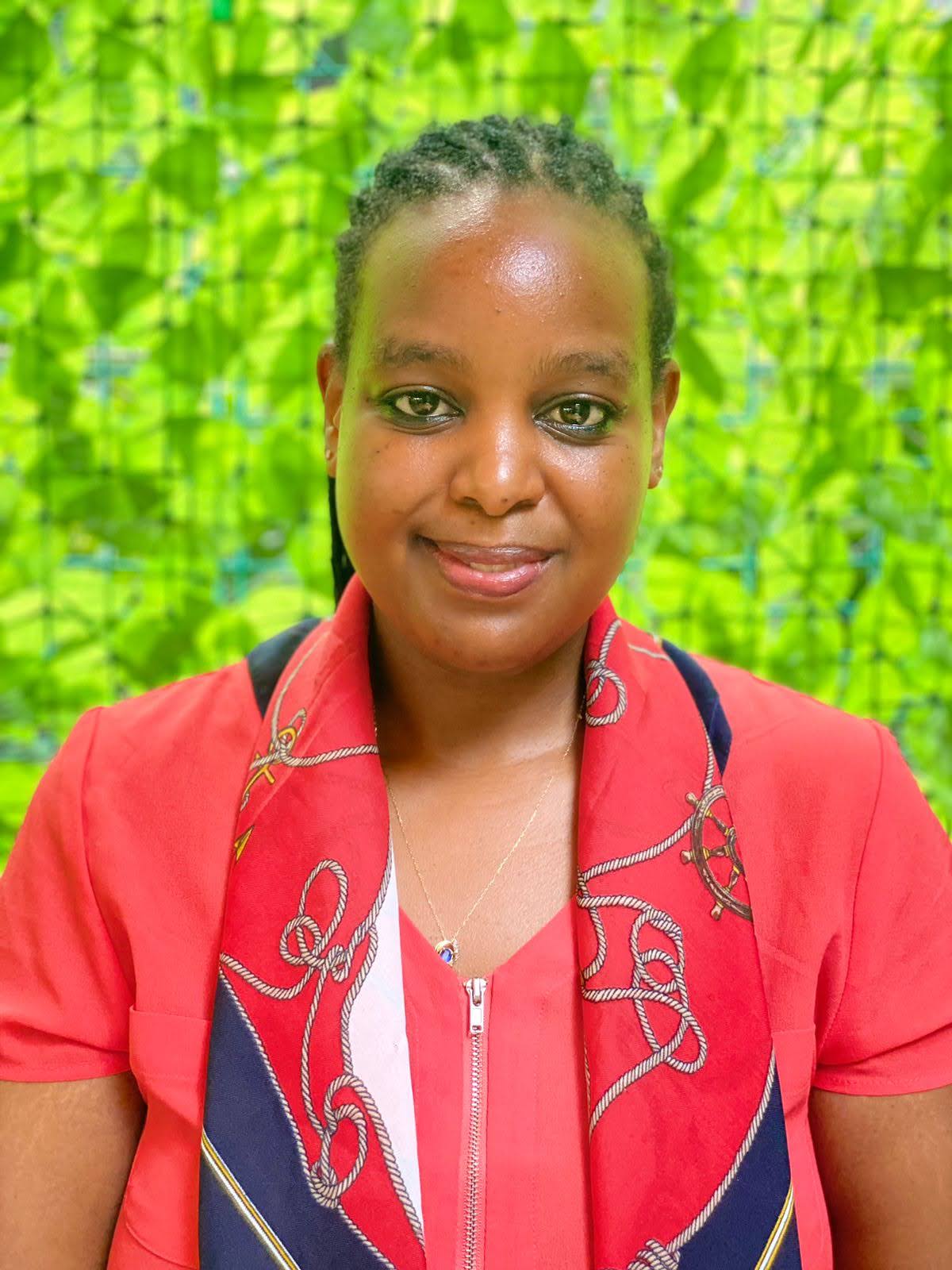
Nairobi, Kenya: Every day, Rosemary Kabui gently encourages her mother to feed herself and helps her navigate simple daily tasks, holding onto pieces of the life she once knew before the dementia diagnosis.
“My mum is now thriving. She still walks and can feed herself. In dementia, you don’t focus on the disease, you focus on the person,” Kabui says with a smile on her face.
Women often shoulder much of the emotional and physical burden of dementia care, often navigating the condition with limited support and awareness.
According to the World Health Organization (WHO), women are disproportionately affected by dementia, both as patients and caregivers, providing nearly 70% of care hours for people living with the condition globally.
The Overlooked Early Symptoms Of Dementia
At first, Kabui’s family thought their mother’s confusion was related to a hearing problem and sought treatment for the condition with hearing aids. She would sometimes bring up unrelated stories during conversations, but the family dismissed it as normal ageing. It was only after she suffered a mini stroke that they realized something was deeply wrong.
“She was once very active, then all of a sudden she stopped talking as much and preferred sleeping most of the time. Then there were repetitions so, we thought it was probably a hearing problem,” Kabui narrates.
She recalls a time when her mother was in the kitchen cooking and suddenly she abandoned everything to go outside in search of someone from the estate to come fix something at night.
“Luckily, I was in the house, so I continued cooking because I thought maybe she was attending to someone. But I kept thinking, “It’s at night, where would she go looking for this person in the middle of cooking?” she says.
Her changing behaviour began raising concern among relatives and friends.
“Most relatives used to ask if our mum was okay. When she goes to chama meetings with her friends, they would call me or my siblings saying our mum was no longer talking as much.”
The Emotional and Financial Toll of Dementia on Families
Kabui explains how dementia mentally affected both her and the family. Acceptance was not easy because it was a new condition in the family, and they had little knowledge of how to care for their mother. Their lives began revolving around her condition as they adjusted their routines to better care for her.
At the early stages of the diagnosis, the family received conflicting opinions about the condition, making it hard to fully understand what their mother was really going through. The emotional burden kept growing to the point where Kabui felt like giving up.
“You get all sorts of information from people. Others connect it to traditions that were not fulfilled,” she adds.
Dementia is expensive. From the diapers and medication to hospital visits and food, the costs continue to rise. “This is a costly disease. It’s like raising a child who isn’t growing up,” says Kabui.
The Turning Point
To better understand the condition, she conducted in-depth online research and eventually found someone who understood her situation. Grace, the lady Kabui contacted, introduced her to a community of dementia people.
“For the first time, I talked to somebody on the other side of the phone and she was finishing my sentences.”
Alzheimer’s Dementia Organization Kenya (ADOK), a support group that offers support to caregivers, became a turning point for Kabui and her family.
“I don’t know where I would be without that group. I can now say that caregiving is a joy. We quickly learn about the disease,” says Kabui.
Understanding The Growing Burden of Dementia
Dementia is a condition caused by diseases that damage the brain over time, affecting memory, thinking, behaviour, and the ability to manage everyday tasks. A quantitative study published by Neuroepidemiology reveals that approximately 258,000 of older adults screened in rural Kenya showed signs consistent with dementia, highlighting the prevalence burden of brain health conditions in the country.
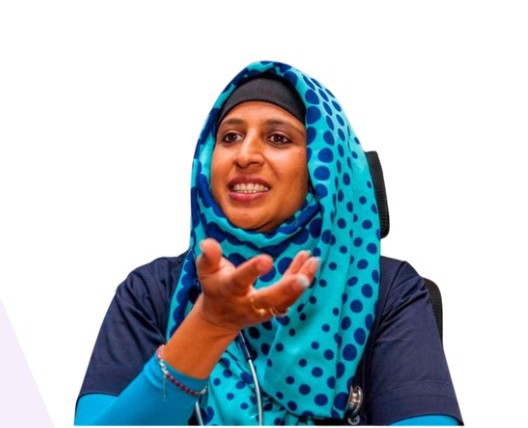
According to Dr. Tasneem Yamani, a Healthy Aging Expert and Geriatric Practitioner at Hamat Healthcare, dementia affects an individual’s daily life and independence.
“I always tell families that it’s not just memory; it’s thinking, planning, behaviour, and even emotions. It’s not a normal part of ageing, and it’s more than ‘just forgetting,’”she says.
Although Alzheimer’s disease is the most common cause of dementia, Dr. Yamani also points to conditions such as stroke, long-standing high blood pressure, uncontrolled diabetes, Parkinson’s disease, and genetics as contributors to the condition.
Risk factors such as chronic stress, poor sleep, physical inactivity, unhealthy diet, and alcohol use do not directly cause dementia; however, she emphasizes that they increase the risk of poor brain health.
“These lifestyle factors should protect the brain, but when neglected for years, the brain becomes more vulnerable. Dementia is increasing as people live longer and lifestyle diseases become more common. We are now better able to recognize the symptoms more than before,” she adds.
Dr. Yamani says early signs of dementia may include repeatedly asking the same questions, getting lost in familiar places, misplacing items, mood and behaviour changes, hallucinations, withdrawal from social activities, difficulty managing tasks, changes in eating habits, and forgetting routines or hobbies that were once familiar.
“Families often dismiss the little changes as normal ageing until the symptoms become more severe.”
She calls for early diagnosis, stating that it gives families more options, including time to plan treatments where possible, manage risk factors, improve quality of life, maintain independence longer, and support caregivers early.
Additionally, she emphasizes that protecting brain health involves regular physical activity, eating a balanced diet rich in fruits and vegetables, prioritizing quality sleep, managing blood pressure and blood sugar levels, staying mentally and socially active, and avoiding smoking and excessive alcohol use.
“Protecting your brain really comes down to daily habits. Your brain is like a muscle, you must feed it, use it, and protect it,” she urges.
Dr. Yamani says families face many hurdles, including stigma, as many still believe dementia is ‘normal ageing.’ Limited access to specialists, the high cost of long-term care, lack of caregiver support, late diagnosis, and feeling lost or unsupported in the healthcare system further compounds the burden on families.
Building Dementia Awareness in Communities
A report by Stride on dementia situation in Kenya reveals that limited awareness has led dementia symptoms to often be associated with witchcraft, being cursed or punished for unfulfilling a certain traditional obligation.
Monica Kinyanjui, a Caregiver, Founder and CEO of Women for Dementia Africa (WFDA), underscores that misconceptions about dementia often delay treatment, and at times, the elderly are judged for conditions beyond their control.
“Many communities still misunderstand dementia; some view it as witchcraft, stubbornness, stress, or simply a normal part of ageing. This causes families to delay seeking help causing older persons to be unfairly blamed for their conditions,” Kinyanjui observes.

Dementia is often overlooked because most primary healthcare facilities do not screen for memory problems. Symptoms such as forgetfulness, confusion, or personality changes are usually dismissed as age-related. She also says Kenya lacks geriatric services, trained staff, and clear referral pathways, making early diagnosis rare.
She warns that early symptoms usually appear long before a severe decline and urges families to seek medical attention if any of the signs appear.
WFDA works closely with communities to close awareness gaps through sensitization forums, caregiver support groups and training for families and community health promoters. The organization also advocates for dementia inclusion in county and national health agendas while using digital tools to raise awareness among young people.
The Kenya National Bureau of Statistics (KNBS) report on the economic value of unpaid domestic and care work shows that care work contributes an estimated 23.1 per cent of Kenya’s GDP, which is KSh 2 trillion based on the 2021 figures.
Kinyanjui emphasizes the need to support caregivers so as to ease the heavy burden they often carry when caring for their loved ones.
“Caregivers shoulder the biggest burden, often with no guidance,” she says. “They need basic training on managing memory changes, emotional support and peer groups, respite when overwhelmed, recognition by the health system, and simple, practical information they can apply at home.”
To improve dementia care in Kenya, Kinyanjui stresses the importance of screening in every primary healthcare facility. She further calls for dementia to be included within NCD and UHC frameworks. “Strengthening services for older persons strengthens the entire health system,” says Kinyanjui.
For Kabui, caregiving has become a journey of patience, adjustment, and learning to find meaning in small moments. Although dementia gradually steals memories and independence, she hopes that increased awareness and support for caregivers will help more Kenyan families face the condition with understanding instead of fear and stigma.