|
Getting your Trinity Audio player ready...
|
By Mary Mwendwa
Nairobi, Kenya: A landmark clinical trial has demonstrated that the antiparasitic drug ivermectin can be safely administered to very young children, a finding that could unlock new fronts in the global fight against a range of debilitating neglected tropical diseases (NTDs). The results pave the way for including millions of vulnerable children who have previously been excluded from mass treatment campaigns.
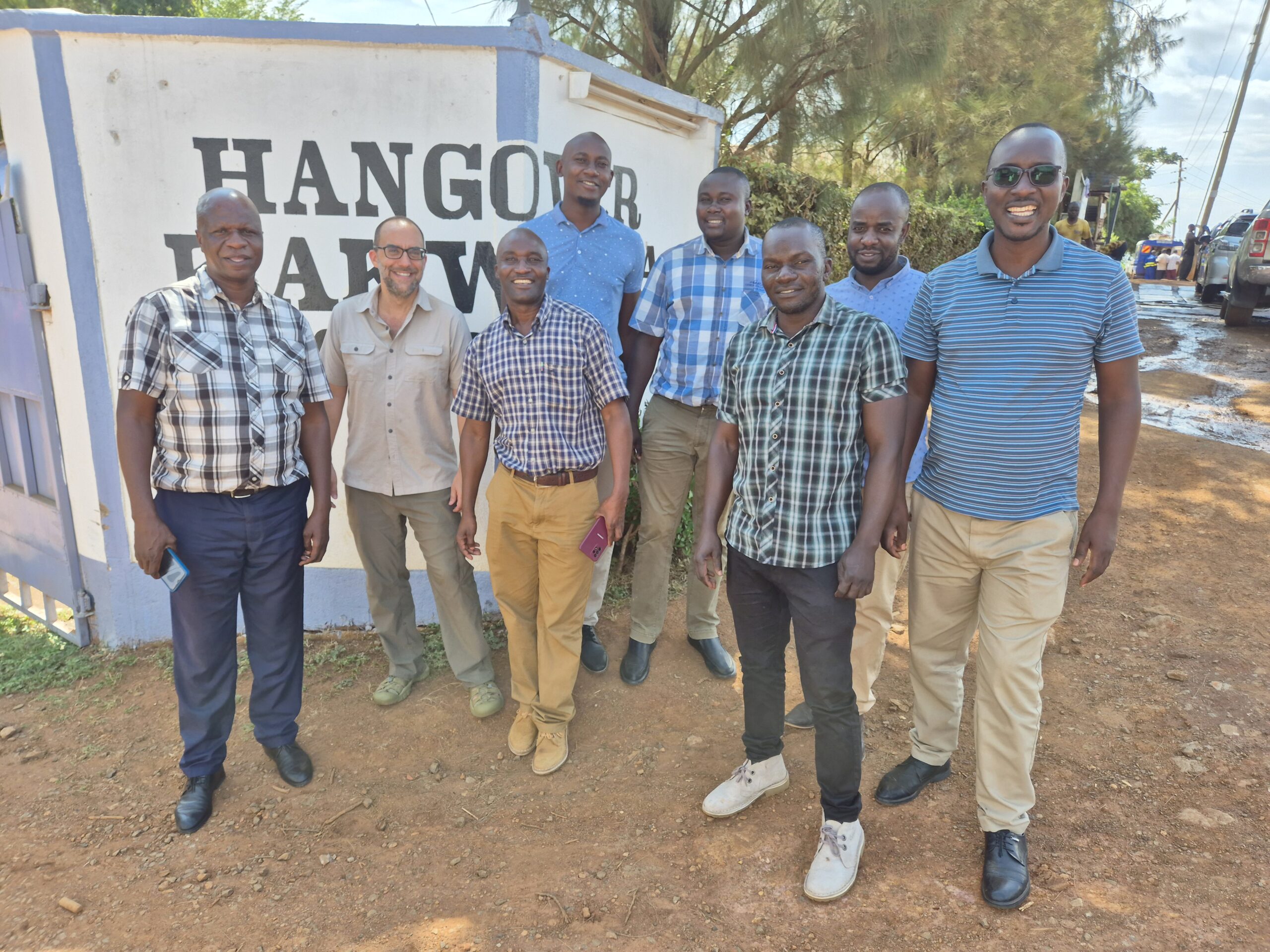
The Ivermectin Safety in Small Children (ISSC) trial, presented at the Annual Meeting of the American Society of Tropical Medicine and Hygiene (ASTMH), was a double-blind study conducted in Gambia, Kenya, and Brazil with 240 participants. It specifically investigated the safety of ivermectin in children weighing as little as 5 kilograms (approximately 11 pounds).
“Our double-blind study found that ivermectin can be given to young children who weigh as little as 5 kilograms—and that’s significant because these children are particularly vulnerable to the many diseases currently treatable by ivermectin,” said Dr. Kevin Kobylinski, a University of Oxford honorary visiting research fellow with the Mahidol Oxford Tropical Medicine Research Unit in Bangkok and the lead author of the study.
Currently, manufacturer labeling restricts the use of ivermectin in children under 15 kilograms. Dr. Kobylinski explained that the impetus for the trial came after a meta-analysis of existing ivermectin studies revealed instances where younger, smaller children had received the drug without serious adverse effects. The new data provides the rigorous, prospective evidence needed to potentially change treatment guidelines.
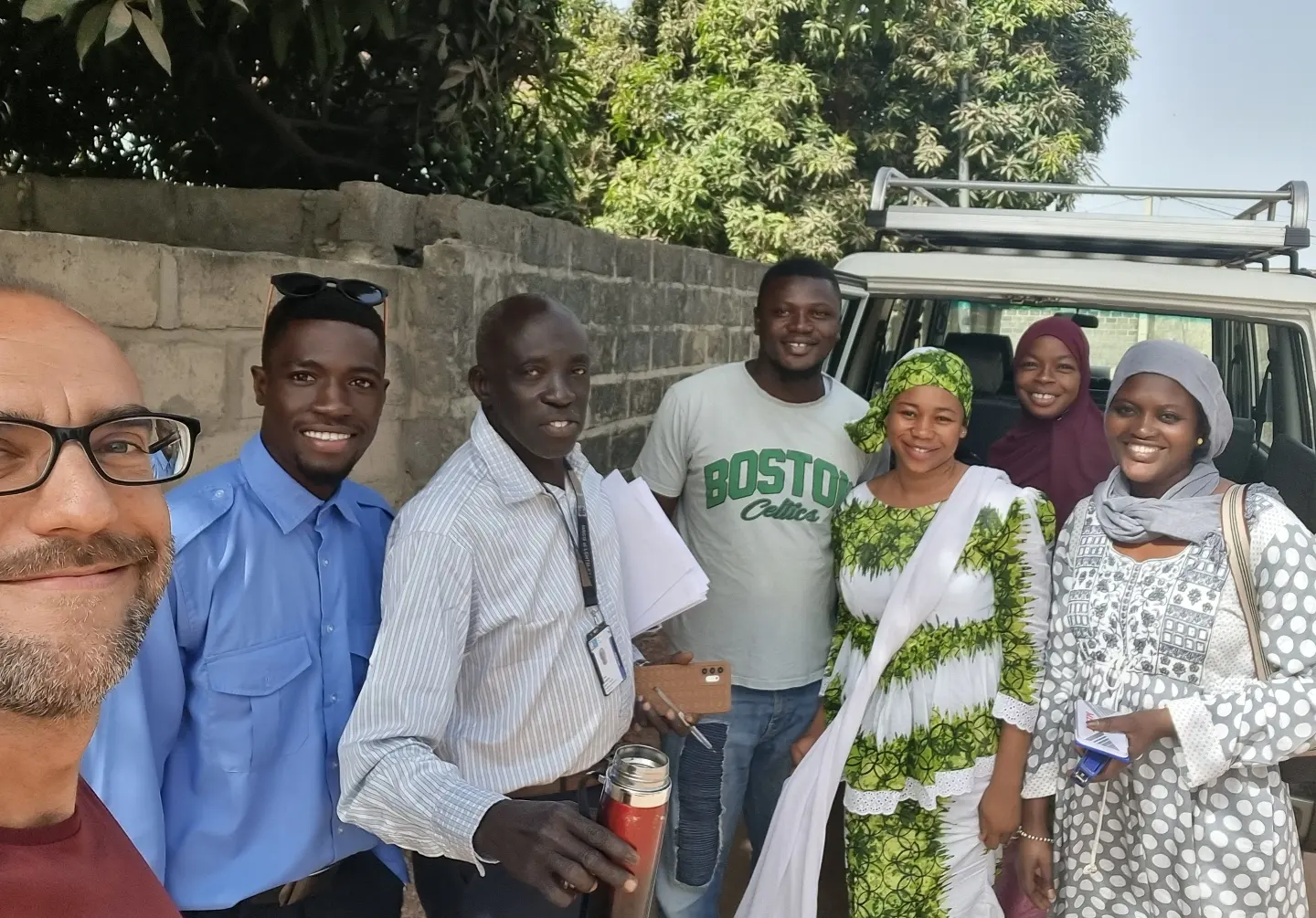
“Outcomes from the Ivermectin Safety in Small Children trial will hopefully provide greater reassurance that ivermectin can be safely used in children weighing less than 15 kilograms,” Kobylinski said.
This reassurance is critical because ivermectin is often distributed through mass drug administration (MDA) campaigns, where entire at-risk communities in endemic areas are treated. Excluding a significant segment of the child population has limited the overall impact and sustainability of these efforts.
A Multi-Disease Impact on the Most Vulnerable
The ability to safely include small children in MDAs could dramatically accelerate progress against several NTDs:
-
Intestinal Worms (Soil-Transmitted Helminths): Young children are at the highest risk of the devastating consequences of chronic worm infections, including stunted growth and impaired cognitive development. Expanding ivermectin access to this group could protect a generation from these long-term disabilities.
-
Scabies: Children are disproportionately affected by scabies, a parasitic skin infestation that causes intense itching and leads to skin sores. These sores can become infected, leading to more serious bacterial complications like sepsis and, in some cases, post-streptococcal glomerulonephritis, a kidney disease.
-
River Blindness (Onchocerciasis): Ivermectin MDA is the cornerstone of global efforts to eliminate river blindness. While blindness typically manifests after years of infection, evidence suggests that early childhood infection with the Onchocerca volvulus parasite can trigger a severe form of epilepsy known as nodding syndrome. Treating young children could prevent this tragic outcome.
-
Malaria Transmission: A growing body of research shows that ivermectin, when administered to a large portion of a community, can be lethal to mosquitoes that bite those individuals, thereby suppressing malaria transmission. However, this “mass effect” is only achieved when MDA coverage reaches a high threshold, typically around 70% of the population. “It is difficult to achieve that percentage when excluding children under 15 kilograms,” Kobylinski noted. Including them could make ivermectin a more powerful tool in the malaria control arsenal.
A Foundation for Future Global Health Success
The news of ivermectin’s safety profile in young children was met with optimism by tropical disease experts at the conference, who see it as a catalyst for reinvigorating longstanding public health initiatives.
“Ivermectin has provided a foundation of some of the most successful interventions in global health, and evidence that it could be safely given to young children could help this work achieve an even greater impact,” said ASTMH President Dr. David Fidock, the C.S. Hamish Young Professor of Microbiology and Immunology at Columbia University Irving Medical Center.
The findings underscore a powerful trend in global health: re-evaluating and optimizing existing, proven tools can sometimes yield faster and more cost-effective gains than waiting for novel solutions. Ivermectin, a drug whose discoverers won the Nobel Prize in Physiology or Medicine in 2015, continues to reveal new potential.
For health workers in remote villages, the practical implications are significant. Simplifying treatment regimens by removing complex age and weight restrictions makes community-wide campaigns easier to implement and more likely to succeed. It ensures that entire families, including their youngest members, can be protected simultaneously from multiple parasitic threats.
As the data from the ISSC trial undergoes further review by global health authorities like the World Health Organization, the hope is that it will lead to revised policy recommendations. Such a change would empower national health ministries to expand their treatment campaigns, bringing a comprehensive shield of protection to those who have been waiting at the sidelines the smallest and often the most vulnerable children.