|
Getting your Trinity Audio player ready...
|
By SHABAN MAKOKHA
Kakamega, Kenya: It began as a Ksh50 contribution a month-pocket change, a small sacrifice from individual members of a single clan. Today, that modest idea has become one of the most inspiring community-driven education initiatives in the region funding secondary schools for dozens of vulnerable children.
Born from the Abashitsetse Nation Welfare Society, the programme is designed to expand equitable access to secondary education, uplift disadvantaged learners, and entrench long-term community participation in school financing.
The Abashitsetse clan holds a distinguished place in history as the royal lineage of the Wanga Kingdom within Western Kenya’s Luhya community. Historically known as the providers of the Nabongos (kings), they are the kin of the renowned paramount chief Nabongo Mumia, whose 18th-century reign extended over various clans across both Kenya and Uganda.
In its early days, the education support concept was simple: each member contributed just Ksh50 per month.
Years later, that small seed watered by unity, discipline, and shared responsibility has grown into a fully fledged bursary mechanism capable of paying fees for dozens of students and lifting financial burdens off struggling households.
Leaders say this spirit reflects core Abashitsetse values: solidarity, equity, and communal progress. The Bursary Fund was officially launched on April 28, 2026, following extensive stakeholder engagements.
Education has long been recognized as a powerful engine of social and economic transformation. Yet, many learners continue to face financial barriers that limit their ability to transition seamlessly through secondary school.
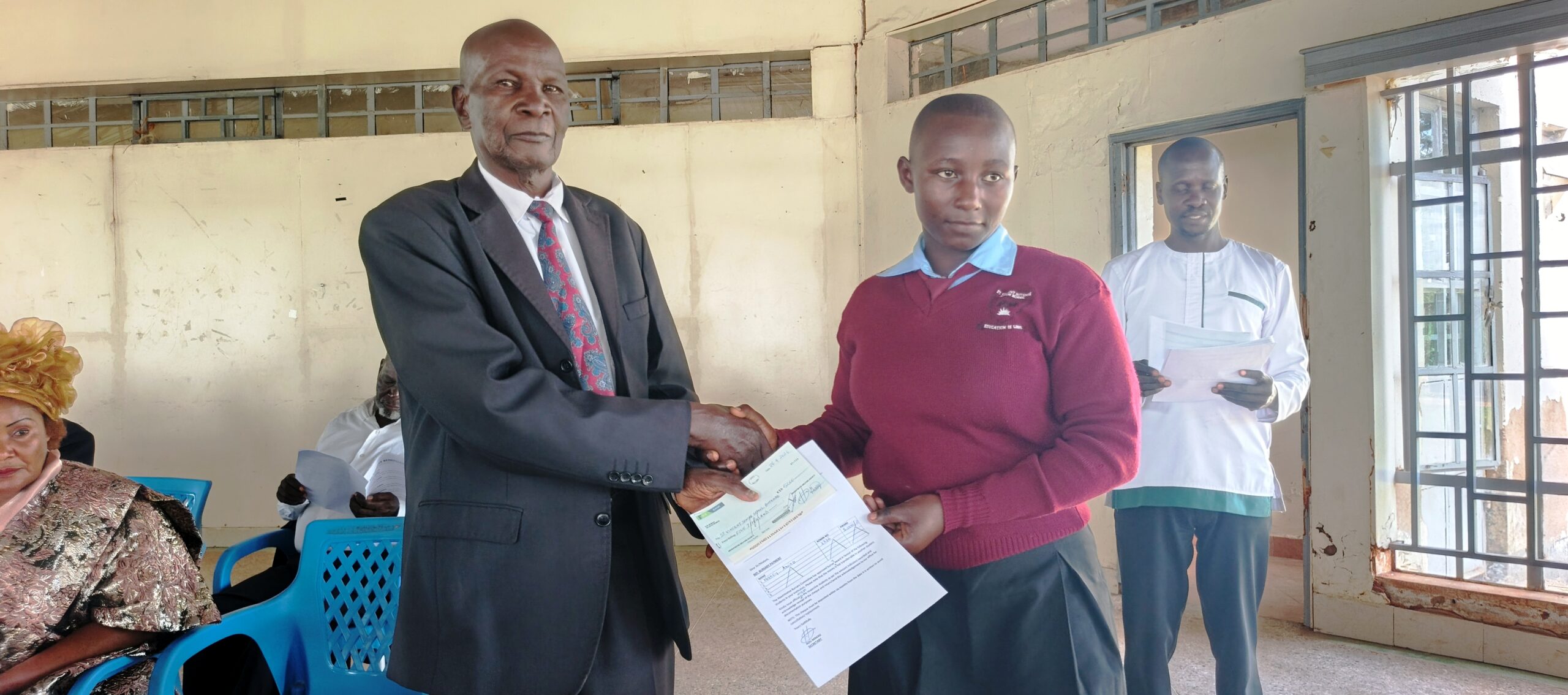
The pilot event at the Nabongo Cultural Center in Mumias marked a major milestone. Attendees witnessed the unveiling of the bursary framework, recognition of founding sponsors, introduction of pioneer beneficiaries, and mobilisation of additional support from individuals, institutions, and well-wishers.
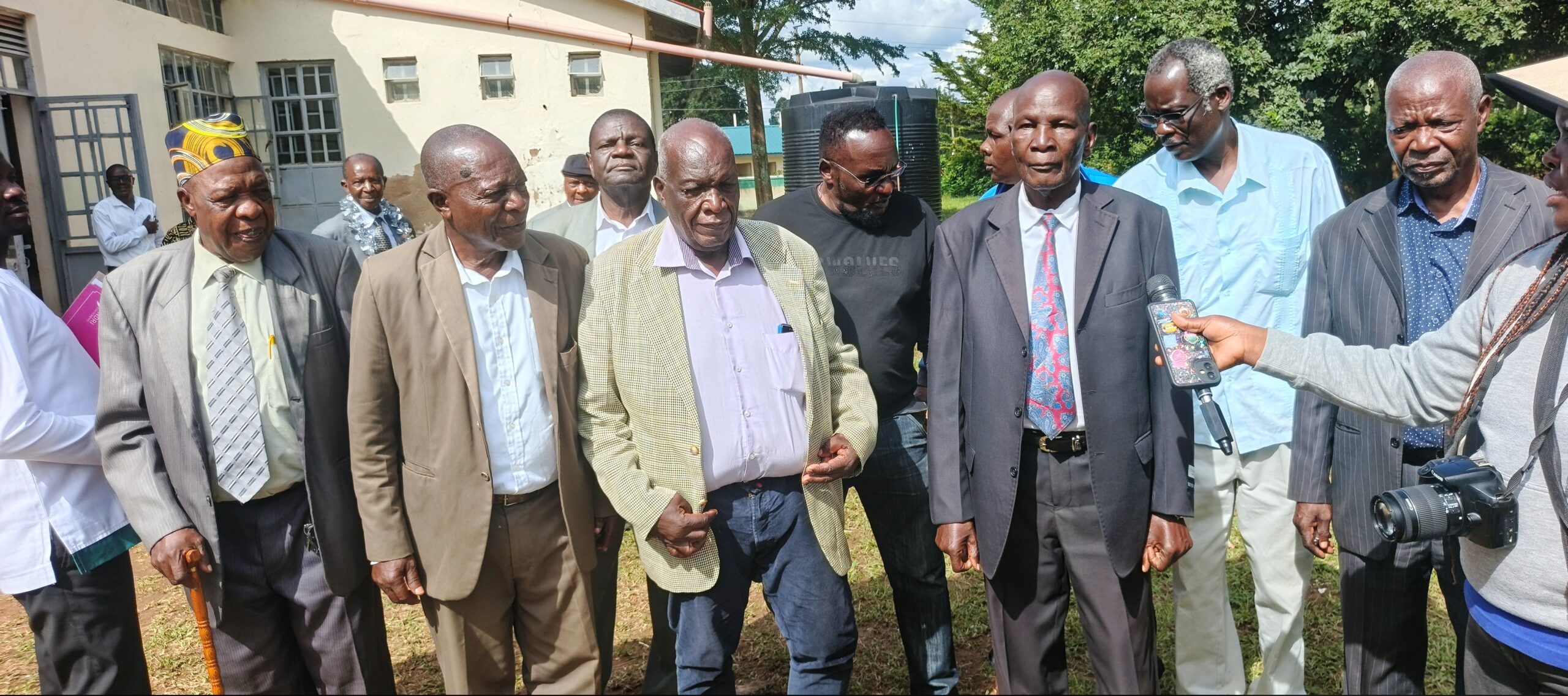
Community elders, education leaders, society members, and regional stakeholders attended. The message was clear: this is not charity. This is ownership.
Abashitsetse Nation Welfare Society apex chairman Joseph Ndombera Tumbo said the initiative covers Mumias East, Mumias West, Matungu, and the diaspora—areas dominated by the royal clan.
To guarantee fairness, Mr Tumbo said the Executive Committee approved a selection framework rooted in transparency, equity, and gender balance.
“Each ward in the three constituencies will sponsor two Grade 10 learners every year one male and one female,” said Mr Tumbo. “By maintaining strict gender parity, the programme ensures that both boys and girls from vulnerable families have equal opportunities.”
The launch of the pilot project at the Nabongo Cultural Center in Mumias marked a major milestone, featuring the official unveiling of the bursary framework, recognition of founding sponsors, partners, and early contributors, introduction of pioneer beneficiaries set to benefit from the first disbursement as well as mobilisation of additional support from individuals, institutions, development partners, and well-wishers.
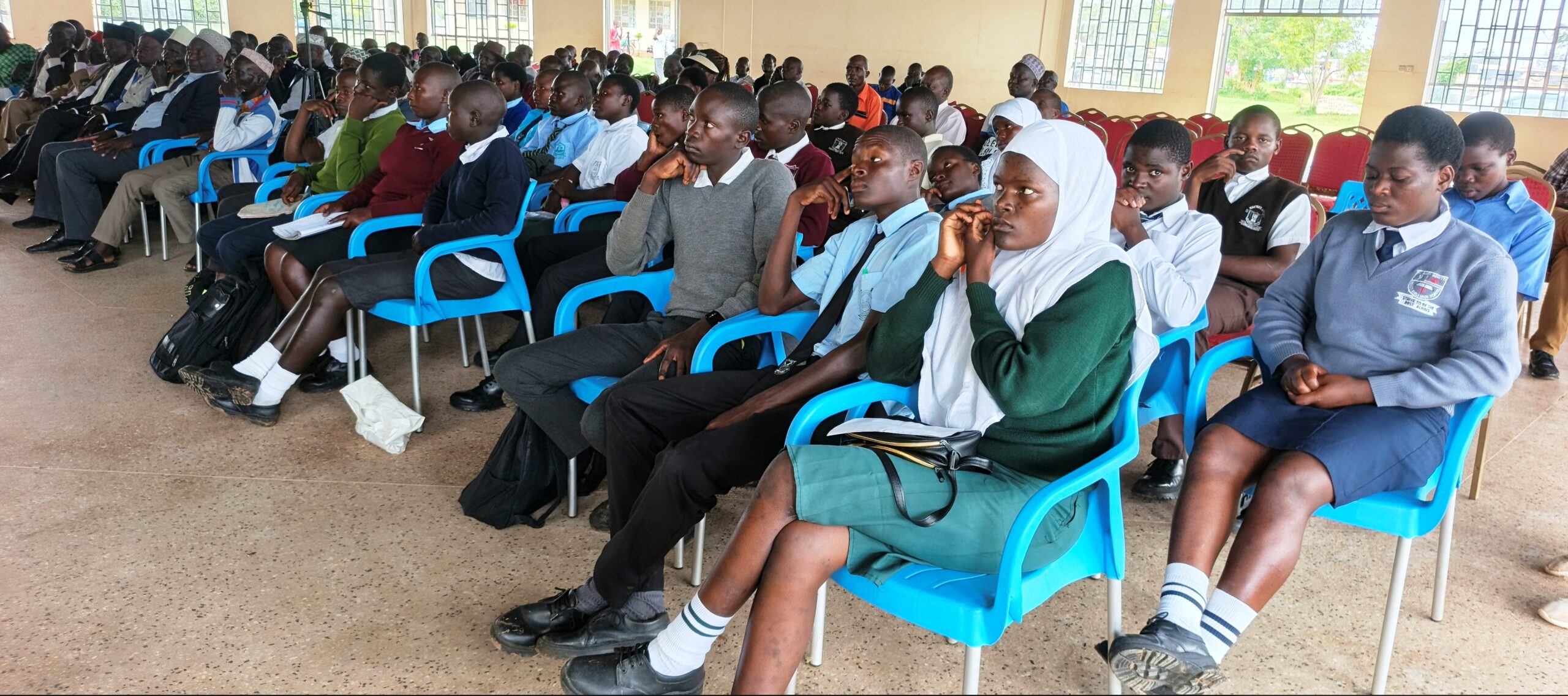
The pioneer cohort of beneficiaries will also receive structured mentorship programmes, leadership and life-skills development, academic guidance, psychosocial support, and cultural and civic engagement exposure.
“The aim is to nurture a generation of well-grounded, disciplined, and socially responsible young leaders who will one day contribute meaningfully to their community and country,” said group secretary Adu Makau Mudenyo.
According to Mr Mudenyo, the success of the Abashitsetse Nation bursary kitty is credited to collective effort.
“This bursary is not just a financial tool. It is a strategic investment in the human capital of our community,” he said. “Our goal is to ensure that no deserving learner is left behind due to economic hardship.”
Society leaders have emphasized that the fund will continue evolving into a fully institutionalised education support mechanism with strong governance structures, sustainable resource mobilisation frameworks, and the capacity to scale across the region.
For parents struggling to keep children in school, for learners whose dreams were dimmed by poverty and for a community determined to break the cycle through education the Abashitsetse Nation Bursary Kitty is not just hope restored. It is a new dawn blossoming out of a Sh50 bob idea into a transformative capital investment-proof that when a community comes together, no dream is too big.
The future of Abashitsetse children is brighter. Not because of external aid. But because their own people chose to build the path forward—one learner at a time.
To ensure longevity, the kitty will operate on a diversified funding strategy comprising member contributions, strategic partnerships, and community-based fundraising. An integrated approach designed to remain financially resilient for generations.
These structures will ensure the initiative becomes a permanent, trusted education support platform within the Abashitsetse Nation. No learner left behind. No dream abandoned.