|
Getting your Trinity Audio player ready...
|
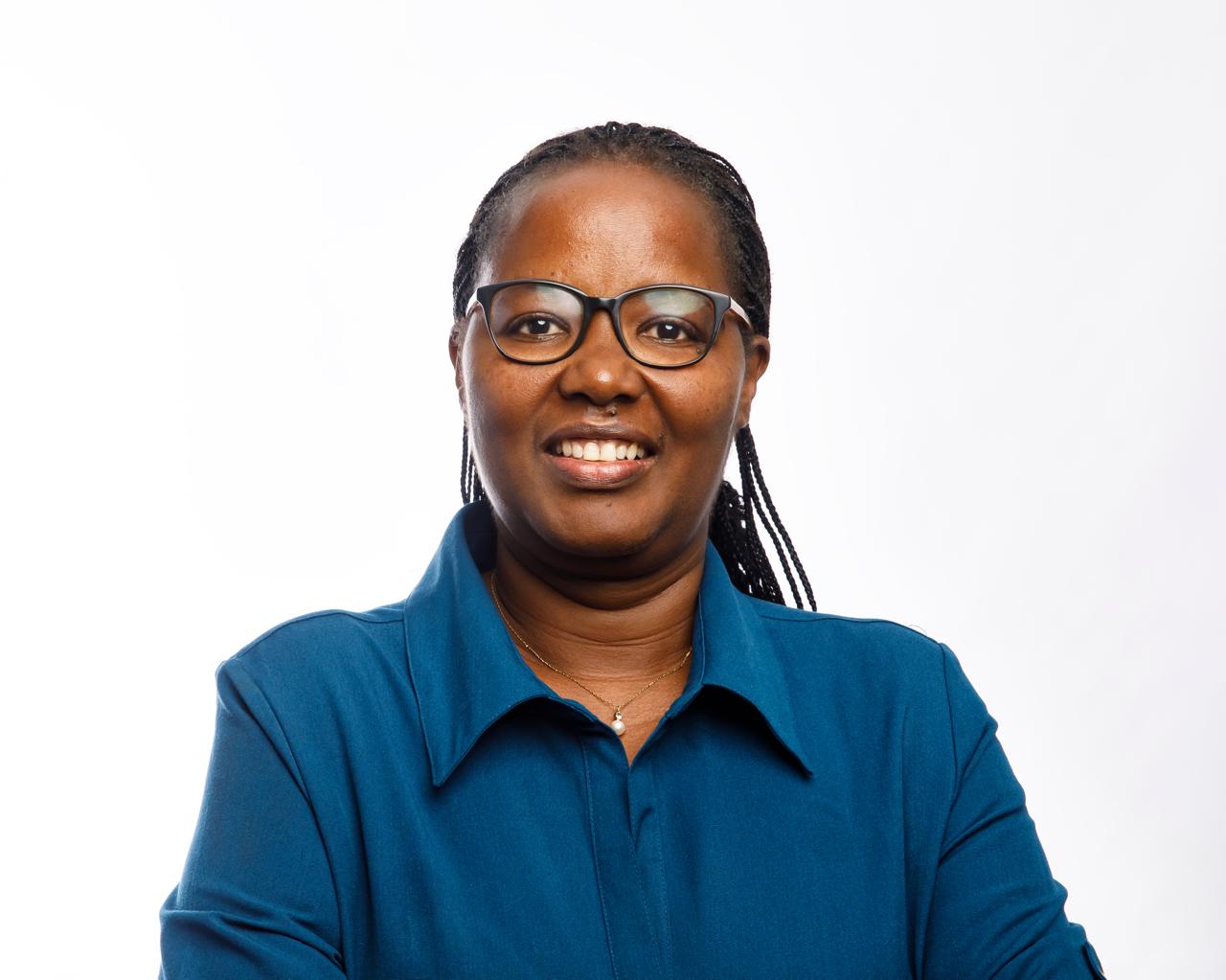
By Dr Gerardine Mukeshimana
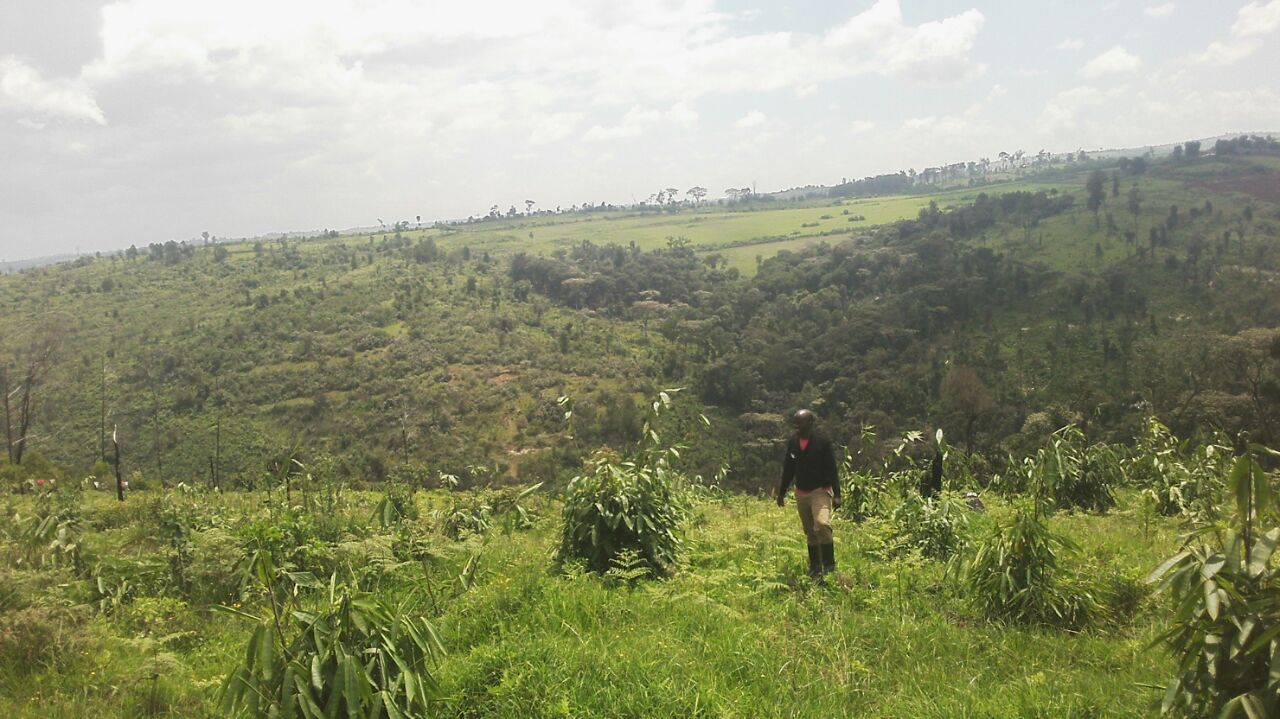
The consequences of disruptions in the Strait of Hormuz in small markets in northern Rwanda, southern Niger, or in the highlands of central Kenya and beyond mean less food production, less food at the table, and less income for small-scale food producers. This is what a distant conflict looks like at the “first mile” of food systems, where small-scale food producers meet markets, finance, and inputs.
The projected effects of this crisis will hit hardest in the second half of 2026 as farmers decide how much to plant. This is not an isolated event. These effects are the latest in a chain of economic, climate, and geopolitical shocks bearing down on Africa’s rural economies. El Niño conditions expected to emerge in the second half of 2026 add new uncertainty to areas already grappling with climate volatility on top of this latest crisis.
The result of these compounding shocks is familiar: higher production costs, rising food prices, deeper hunger, and greater macroeconomic strain. The IMF has warned of weaker growth and higher inflation in Africa, with median inflation in sub-Saharan Africa projected to reach 5 per cent by the end of 2026.
On the heels of last week’s African Development Bank Annual Meetings in Brazzaville, the stakes could not be clearer: Africa’s rural economies cannot absorb this level of pressure alone. This moment demands African leadership, partnership, and ambitious investment to not only protect the next harvest but to build stronger and more sustainable rural economies that are resilient to inevitable future shocks.
In Brazzaville, where Africa’s food systems and rural resilience were rightly at the centre of the discussion, my message to the continent’s finance, business, and policy leaders was urgent: Governments, multilateral banks, and the private sector must work together at the first mile, where investments can deliver the highest economic and social returns.
What is needed now is African leadership and deeper coordination around what already works: concessional public capital to absorb first-loss risk, co-financing among multilateral institutions to spread exposure and avoid duplication, and structured partnerships with private investors, banks, and producer organisations so capital reaches small-scale farmers in practical ways.
This is the core of our work at the International Fund for Agricultural Development (IFAD), the only international financial institution focused exclusively on agriculture and rural transformation.
Five decades of financing rural development have taught us that markets, jobs, and resilience – supported by private sector engagement and innovation – are critical drivers of agrifood systems transformation, growth, and food security. Evidence from our investments shows that complementing private investment with public support is transformational, delivering income gains of around 64 per cent, about four times higher than without that engagement. I have seen this work in practice.
Before joining IFAD, I served for nearly a decade as Rwanda’s Minister of Agriculture and Animal Resources, where I saw what concessional finance from multilateral institutions makes possible when combined with the right investment incentives from the government to attract the private sector. This combination delivers farmers increased access to markets and improves their income while contributing to rural economies. Projects such as the Rwanda Post-Harvest and Agribusiness Support Project (PASP) showed how this works. Concessional finance from IFAD helped reduce post-harvest losses and made value chains more viable for firms such as Africa Improved Foods (AIF), which processes maize and soybeans into fortified foods for infants and young children while raising incomes for small-scale farmers.
Rwanda’s experience points to a wider lesson: a concessional dollar, when used well, provides a catalytic tool to attract private capital. Indeed, at IFAD, every dollar of core resources translates into around six dollars of investment on the ground.
Sixty per cent of these core resources are invested in Africa, making IFAD’s African Member States key partners and contributors, driving ambition for our fourteenth replenishment cycle launched earlier this year. Strong African commitments to IFAD14 will help integrate more smallholder farmers into profitable markets, create rural jobs – especially for young people and women – and build resilience to future economic, climate, and conflict-related shocks.
We cannot keep asking the world’s smallholder farmers to act as its strongest shock absorbers. The partners that met in Brazzaville, and those backing IFAD14 in the months ahead, can help ensure that when the next shock comes, the first mile is ready.
Dr Gerardine Mukeshimana is Vice-President of the International Fund for Agricultural Development.