|
Getting your Trinity Audio player ready...
|
By Shaban Makokha
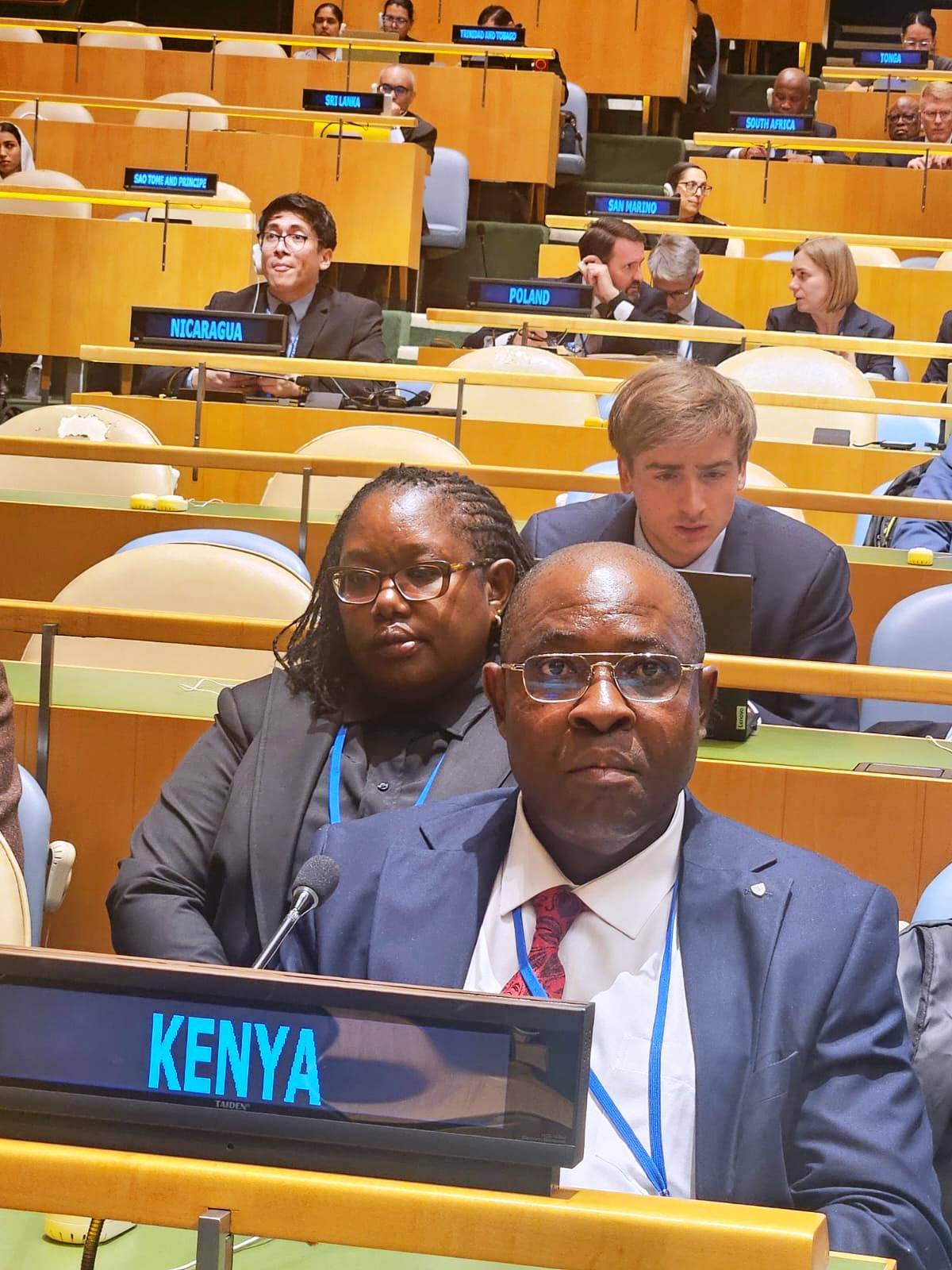
Kakamega,Kenya: Kenya has taken a prominent position on the global stage of nuclear governance with Nuclear Power and Energy Agency (NuPEA) Chief Executive Officer Justus Wabuyabo leading the country’s delegation to the 11th Nuclear Non-Proliferation Treaty (NPT) Review Conference.
The high-stakes meeting, now underway at the United Nations Headquarters in New York City, runs from April 27 to May 22, 2026.
Widely regarded as the cornerstone of global nuclear stability, the NPT is reviewed every five years to evaluate member states’ progress, commitments, and emerging challenges surrounding nuclear disarmament, non-proliferation, and peaceful uses of nuclear science.
This year’s NPT Review Conference intends to examine the implementation of the Treaty’s provisions from 2022 after the 2015 and 2022 Review Conferences failed to reach agreement on the substantive part of the draft Final Document.
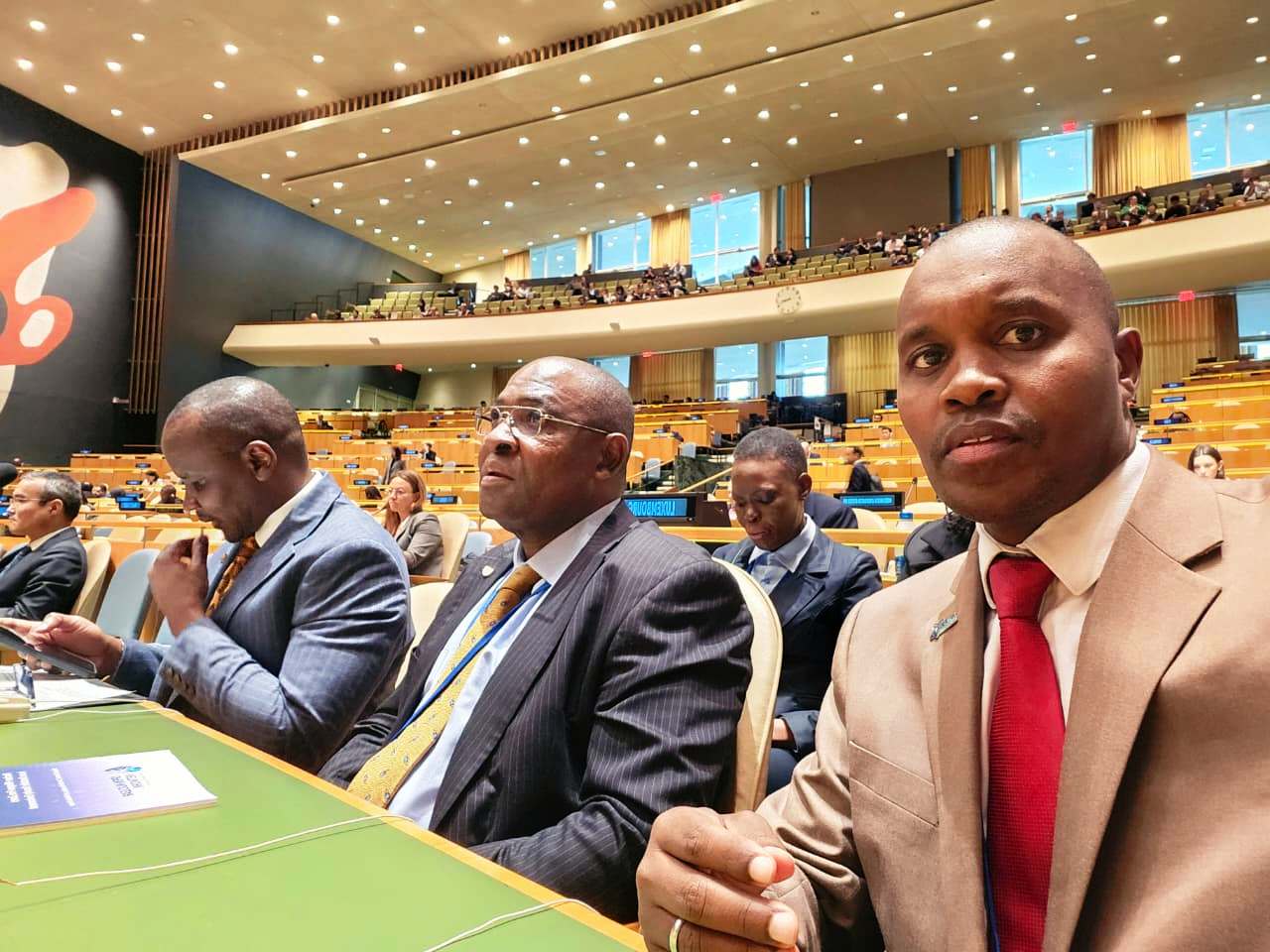
It has brought together all the 191 States which are parties to the treaty, together with major international bodies including the International Atomic Energy Agency (IAEA), the United Nations, and an extensive network of civil society, scientific, and security organizations.
Speaking ahead of the opening session, Mr. Wabuyabo said Kenya’s participation demonstrates not only its unwavering commitment to the NPT but also its readiness to help shape global nuclear policy as it advances domestic plans for nuclear-powered development.
“Kenya fully upholds the principles and obligations of the NPT. We are committed to contributing meaningfully to global peace, nuclear security, and responsible scientific advancement,” he affirmed.
He noted that Kenya views the NPT not just as a global security framework but as a vehicle for unlocking the wide-ranging benefits of peaceful nuclear technology—particularly in energy production, health care, agriculture, and environmental protection.
The 2026 Review Conference is examining the implementation of the treaty’s three foundational pillars: Nuclear Disarmament – assessing progress by nuclear-armed states in reducing and securing their arsenals, Non-Proliferation – strengthening safeguards to prevent the spread of nuclear weapons, materials, and sensitive technologies and Peaceful Use of Nuclear Energy – ensuring access to nuclear science for development while upholding internationally verified safety and security standards.
For Kenya, the third pillar is especially pivotal as the country progresses toward integrating nuclear power into its long-term energy strategy to enhance reliability, affordability, and sustainability.
This year’s conference unfolds at a time of heightened global instability. Rising geopolitical friction, regional conflicts, technological advancements, and renewed nuclear arms competition have amplified concerns about the fragility of existing arms-control agreements.
As a result, analysts regard the 2026 review as one of the most consequential in recent decades.
Eng. Lawrence Gumbe, the chairman of the NuPEA Board, noted that the ongoing Review Conference will be a defining moment — either reaffirming the NPT’s ability to address global security challenges or consigning it to irrelevance in an increasingly unstable world.
“After unsuccessful review cycles in 2005, 2015, and 2022, this year’s conference carries an immense responsibility to rebuild trust in the NPT and safeguard the global non-proliferation regime,” Prof. Eng. Gumbe said. “Delegates must chart a renewed framework for nuclear engagement between the U.S. and Russia.”
Mr. Wabuyabo echoed this urgency, stating: “The world is witnessing escalating security uncertainties. It is more important than ever for nations to recommit to the NPT as the foundation of global nuclear order.”
Throughout the four-week conference, Kenya’s delegation is expected to participate in key bilateral and multilateral meetings focusing on: nuclear safety and security partnerships, technology transfer and scientific collaboration, medical and agricultural applications of nuclear science, capacity building and training for Kenya’s emerging nuclear workforce, cooperation with the IAEA on Kenya’s developing nuclear power programme, strengthening Africa’s collective voice on disarmament and peaceful use of nuclear science.
As a committed member of the African Commission on Nuclear Energy (AFCONE) and a signatory to the Treaty of Pelindaba, Kenya continues to champion a nuclear-weapon-free African continent and advocate for equitable access to peaceful nuclear technology.
Kenya is also expected to highlight the real-life impact of nuclear applications already in use across the country—from radiotherapy in cancer treatment, to isotope hydrology for groundwater mapping, to advanced agricultural techniques that improve crop yields and food security.
“Nuclear science is not just about energy,” Mr. Wabuyabo noted. “It is about development, health, food security, water security, innovation, and national resilience.”
The NPT Review Conference will culminate in efforts to adopt a consensus final document—a goal that has proven elusive in past cycles due to geopolitical disagreements.
Even so, expectations remain high that Kenya’s active engagement will yield strengthened partnerships, new technical collaborations, and reinforced commitments that support its long-term ambitions in nuclear science and technology.
As the world gathers in New York to reaffirm a treaty that has shaped global nuclear norms for more than five decades, Kenya’s assertive participation signals a nation ready to contribute to global peace while accelerating its own scientific and technological future.