|
Getting your Trinity Audio player ready...
|
By OMBOKI MONAYO
Nairobi, Kenya: Due to escalating concerns regarding the potential spread of the Ebola Virus Disease (EVD) from Uganda and the Democratic Republic of Congo (DRC) into East Africa, the Kenyan Government has bolstered its emergency preparedness and surveillance protocols.
This regional crisis is driven by the uncommon Bundibugyo Ebola strain, which currently lacks an approved vaccine. The situation has led Uganda to enact a temporary border closure with the DRC and has prompted Kenya to put its national emergency response mechanisms into full effect.
The World Health Organization (WHO) reports that nearly 1,000 suspected cases of Ebola and over 220 suspected fatalities have been documented in the DRC, including at least 101 infections confirmed via laboratory testing. Furthermore, cross-border transmission originating from the DRC has led to one death and seven confirmed cases in Uganda. While Kenya has yet to report any confirmed infections, government officials maintain that the nation is on “high alert”.
Kenya’s Health Cabinet Secretary, Aden Duale says the government has heightened surveillance at all major points of entry, deployed mobile laboratories at border crossings, and established temporary holding centres to isolate suspected cases.
“Under serious screening and verification, we are also putting up a holding area within the border in the event that we get a case. So the country is fully prepared for this border,” Duale recently said during a public briefing. According to the CS, 55,000 travellers entering the country have already been screened, with 10 suspected cases tested for EVD and found negative.
The Ministry of Health says three national laboratories are now operating around the clock to process Ebola samples, while rapid response teams have been activated across counties considered high risk.
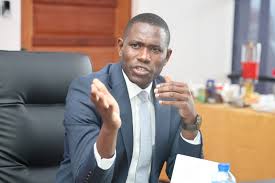
Medical Services Principal Secretary Dr. Ouma Oluga says more than 2,200 healthcare workers have already undergone emergency outbreak response training.
“We have strengthened our healthcare workforce and ensured that thousands of professionals are equipped to respond effectively to infectious disease outbreaks,” said Dr. Oluga, adding that preparedness depends on “rapid detection, isolation, and treatment.”
Official data from the Ministry of Health indicates that at least ten suspected Ebola cases tested negative after laboratory analysis earlier this month. The suspected cases reportedly involved travellers with recent movement history from the DRC.
For epidemiologist Oscar Gaunya, however, preparedness cannot rely solely on border screening.
“EVD is a haemorrhagic fever caused by a filovirus,” he explained during a sensitization forum for healthcare professionals by the Kenya National Public Health Institute (NPHI).

“Until someone tests come positive through PCR or ELISA tests, we do not confirm a case” Gaunya emphasized that Kenya’s biggest defence lies in aggressive surveillance, rapid contact tracing, and early reporting systems capable of identifying unusual illness patterns before widespread transmission occurs.
“We cannot close our borders, but we can strengthen surveillance to prevent transmission,” he said.
The epidemiologist noted that healthcare workers, border officials, caregivers, and travellers arriving from Uganda and the DRC remain among the most vulnerable populations.
“Every facility should be on alert mode,” he warned. “Any person with high temperatures, bleeding from any orifice, and not responding to medication should immediately be referred for further investigation.”
Gaunya says the country’s Integrated Disease Surveillance and Response (IDSR) system is central to detecting potential cases, especially in rural areas where rumours, unexplained deaths, or unusual fevers could signal hidden transmission chains.
“Any death could be a signal of undetected Ebola transmission,” he cautioned.
At the Aga Khan University Hospital, Infection Prevention and Control (IPC) Coordinator Loyce Kihungi says the outbreak highlights the urgent need for hospitals to reinforce strict infection prevention systems.
“The aim of robust and consistent IPC system implementation is to break the chain of transmission,” she said.
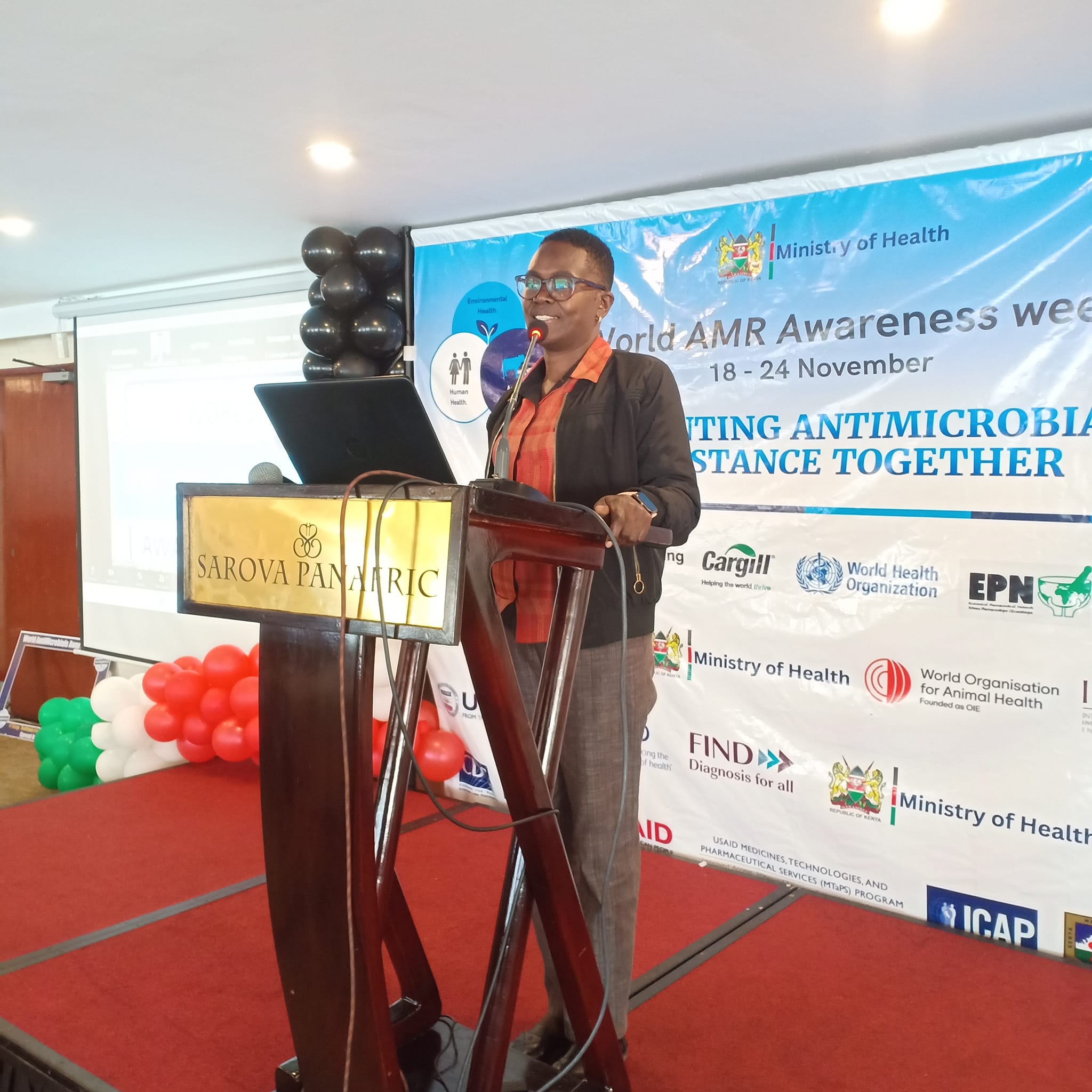
Ms. Kihungi warned that Ebola outbreaks often cripple healthcare systems by infecting frontline workers and forcing hospital closures.
“Healthcare workers need to understand that transmission can lead to disruption of services, closure of health facilities, and insecurity,” she noted.
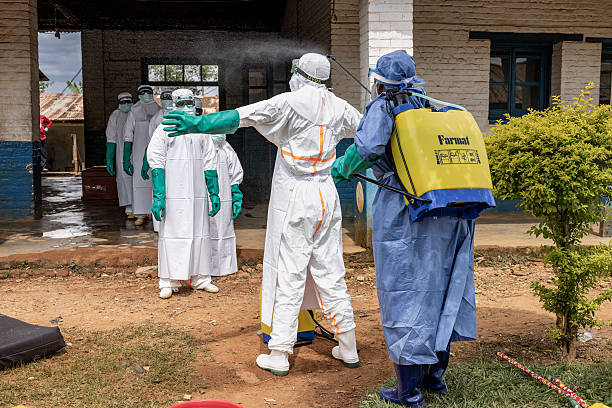
According to Ms. Kihungi, at least four healthcare workers have already died in the DRC outbreak. She emphasized the importance of triage areas, proper use of personal protective equipment (PPE), safe waste disposal, isolation protocols, and strict supervision when healthcare workers remove contaminated PPE.
“Doffing is one of the highest-risk moments because self-infection can happen easily,” she said.
The veteran nurse and IPC consultant also warned communities against traditional burial practices involving direct contact with bodies, as EVD can still spread through contact with bodies of infected individuals.
“Let’s be very careful with the dead. They are extremely infectious because viral load remains very high for several days,” she said. “Ensure there is no touching of cadavers by family members.”
She reminded the emergency team responders to ensure that burials are safely conducted with the consideration and dignity of the bereaved next of kin.
“The purpose of safe burials is to protect the pub from EVD trans and also provide closure to the grieving families. Burials should be conducted by trained burial teams, and the proper use of biohazard protective equipment and attire is required,” she added.
The current outbreak has also revived difficult questions about Kenya’s healthcare capacity and emergency preparedness. Recent reports that the United States may establish an isolation facility in Kenya for Americans and migrants exposed to Ebola have generated mixed reactions among public health experts and citizens alike.
Critics argue that while Kenya has relatively advanced laboratories and regional expertise, the country still struggles with chronic shortages of medical supplies, overstretched public hospitals, inadequate emergency transport systems, and limited intensive care infrastructure.
The ongoing doctors’ strikes, periodic shortages of PPE in county hospitals, and delayed emergency response systems exposed during previous health crises continue to fuel skepticism over whether Kenya could sustain a large-scale Ebola outbreak response.
Public concern has also intensified online, where many Kenyans have questioned whether the country is ready to accept the risks of becoming a regional quarantine hub despite its own fragile healthcare systems.
The WHO has meanwhile cautioned against blanket border closures, warning they could drive travellers toward illegal crossings that are harder to monitor.
The Bundibugyo strain presents an additional challenge because it lacks an approved vaccine or targeted treatment, making early detection and strict infection prevention the primary tools available to health authorities.
For now, Kenya’s strategy remains focused on surveillance, rapid testing, community awareness, and preparedness drills.
But as cases continue rising across the region, the true test may lie not only in Kenya’s technical preparedness, but also in whether its healthcare system can withstand the pressure of a real outbreak without collapsing under the strain.