
|
Getting your Trinity Audio player ready...
|
By Melisa Mong’ina
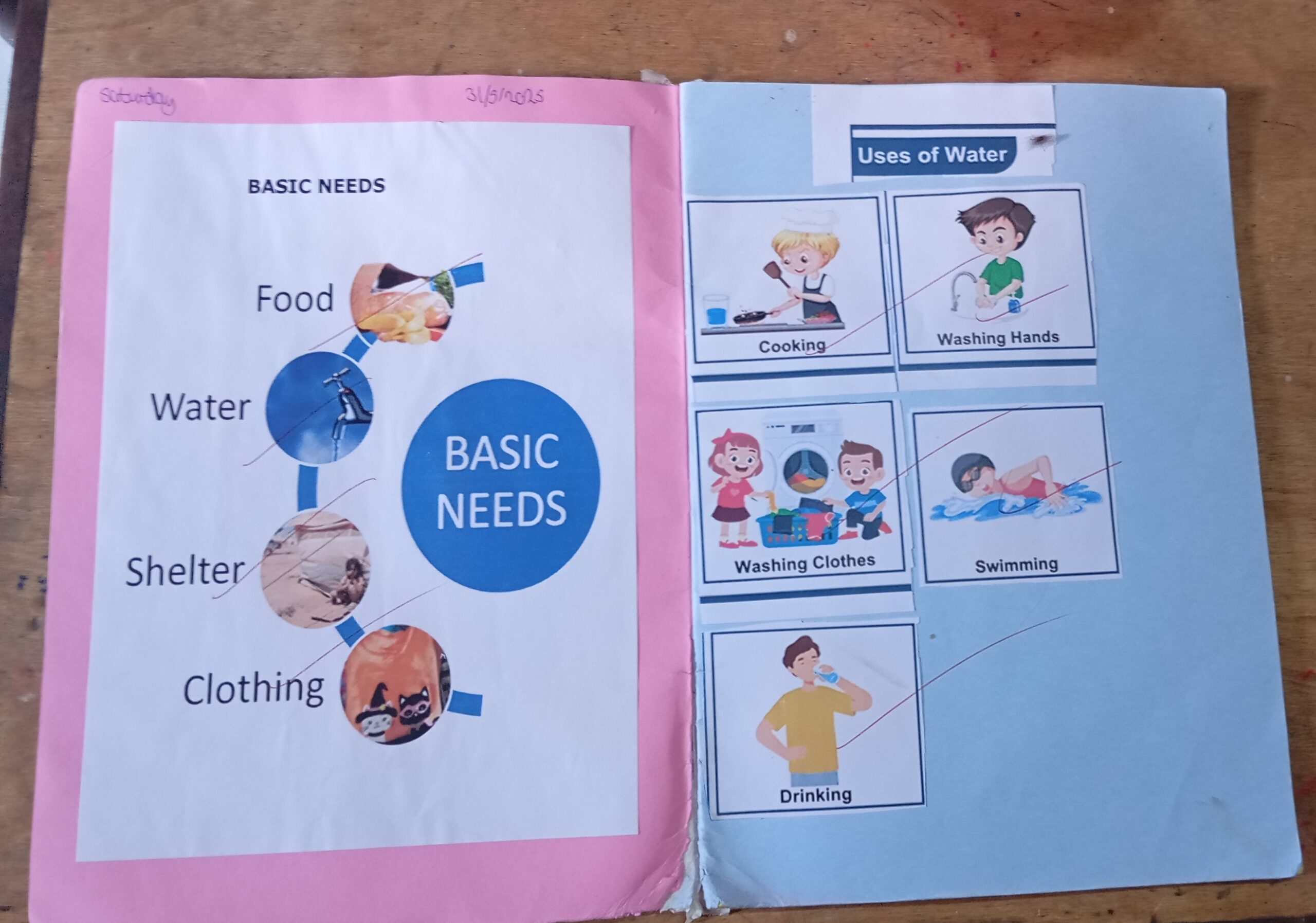
Nairobi, Kenya: Late in the evening in Nairobi’s Hazina Village, South B, Mr. Jared Ratemo sits beside his Grade 7 son and Grade 3 daughter, helping them with their take-home tasks. Pieces of cardboard, glue, coloured paper, and printed images scatter across their small table, filling the air with the scent of glue and paper.
“When teachers send assignments, parents are expected to help the children complete the projects and provide the required materials,” Mr. Ratemo explains.
The Competency-Based Education (CBE) has been one of the biggest changes in the country’s education system in recent decades, emphasizing hands-on experience. Its success relies heavily on parental involvement in assignments, projects, and the provision of learning materials.
Many parents are not fully aware of the curriculum and their role in supporting their children. For families like Mr. Ratemo’s, guiding and assisting their children with take-home tasks is burdensome as they struggle finding time after work and money to buy materials they can hardly afford or access.
“A child may be sent home with something to draw, so you have to buy the materials. Sometimes they are told to use something from the internet and I have to go to a cyber café to print it,” he says.

While locally available materials are supposed to be easily found, he explains that in reality, it is sometimes difficult to find some items in the city.
“Sometimes you have to walk long distances to look for things like sticks or ropes,” he says. “Sticks are hardly available here in the city unlike in the rural areas where they are everywhere.”
Understanding the Curriculum
Most parents are trying to keep up with the new curriculum which differs significantly from the 8-4-4 system.
“There are things in the new curriculum that we as parents do not understand,” Mr. Ratemo admits. “In such cases, I often ask other children in upper classes, or the teacher to explain.”
CBE has really been costly. “Some books are divided into different volumes, and you have to buy all of them,” he says, recalling a time when his son was to bake a cake for a take-home assignment, but he could not afford the ingredients. “Other parents were sending photos of their children’s cakes on the WhatsApp group, and we were just looking.”
Balancing work responsibilities and helping children with schoolwork adds to the pressure. “It is not easy to manage my work and assist them with assignments, especially when I come home in the evening and still have other responsibilities,” shares Mr. Ratemo. Adding that sometimes his eldest son, who is in university, helps the younger ones.
Despite the challenges, he appreciates the teachers’ efforts in communicating and guiding them on how to support their children with take-home tasks.
“Most communication happens through WhatsApp groups. We often get feedback when collecting results or during meetings and the teacher acknowledges when parental support helps children progress and perform in class,” Mr. Ratemo says.
Similar challenges are echoed by other parents navigating the demands of CBE.
Ms. Lucy Nyambeche, a mother of a grade 9 learner from Ruai, Nairobi, says the time and cost involved in supporting CBE tasks can be overwhelming.
“Supporting my child at home has been both rewarding and challenging. I try my best to help my child understand concepts and complete projects. Some require items that are expensive or hard to find, making it hard for me to fully assist,” Ms. Nyambeche explains.
She stresses that the demands of supporting school work while handling her work and household responsibilities is very exhausting. “Sometimes I wake up early or stay up late to assist with the tasks, because I want my child to succeed despite our limited resources,” she adds.
Due to the high cost of materials, Ms. Nyambeche has to sometimes select projects she can support, while her child tries to improvise with what is available at home creatively even though it is not always sufficient.
Though teachers provide guidance, she feels that it’s not detailed enough. “More instructions on how to help children complete tasks at home would make it easier for parents like me to support our children effectively,” Ms. Nyambeche emphasizes.
How Teachers and Schools Engage Parents in CBE
According to the Kenya Institute of Curriculum Development’s Guidelines on Parental Empowerment and Engagement, parents are the first and continuing educators of their children and are expected to work with schools to provide an enabling environment that is conducive to learning.
Ms. Beverlyne Kemunto, a facilitator at Our Lady of Mercy Comprehensive School, Nairobi South, explains the importance of parental involvement, especially on developing skills and competencies over memorization.
“Learners benefit greatly when parents actively guide and support their learning at home,” she says.
Ms. Kemunto observes that CBE has transformed classroom teaching and assignments. Lessons focus on practical skills, problem solving, and applying knowledge.
“It has made teaching more interactive and learner-centred. Take-home tasks often involve activities that encourage learners to explore, reflect, and practise what they have learned rather than just memorizing information,” she explains.
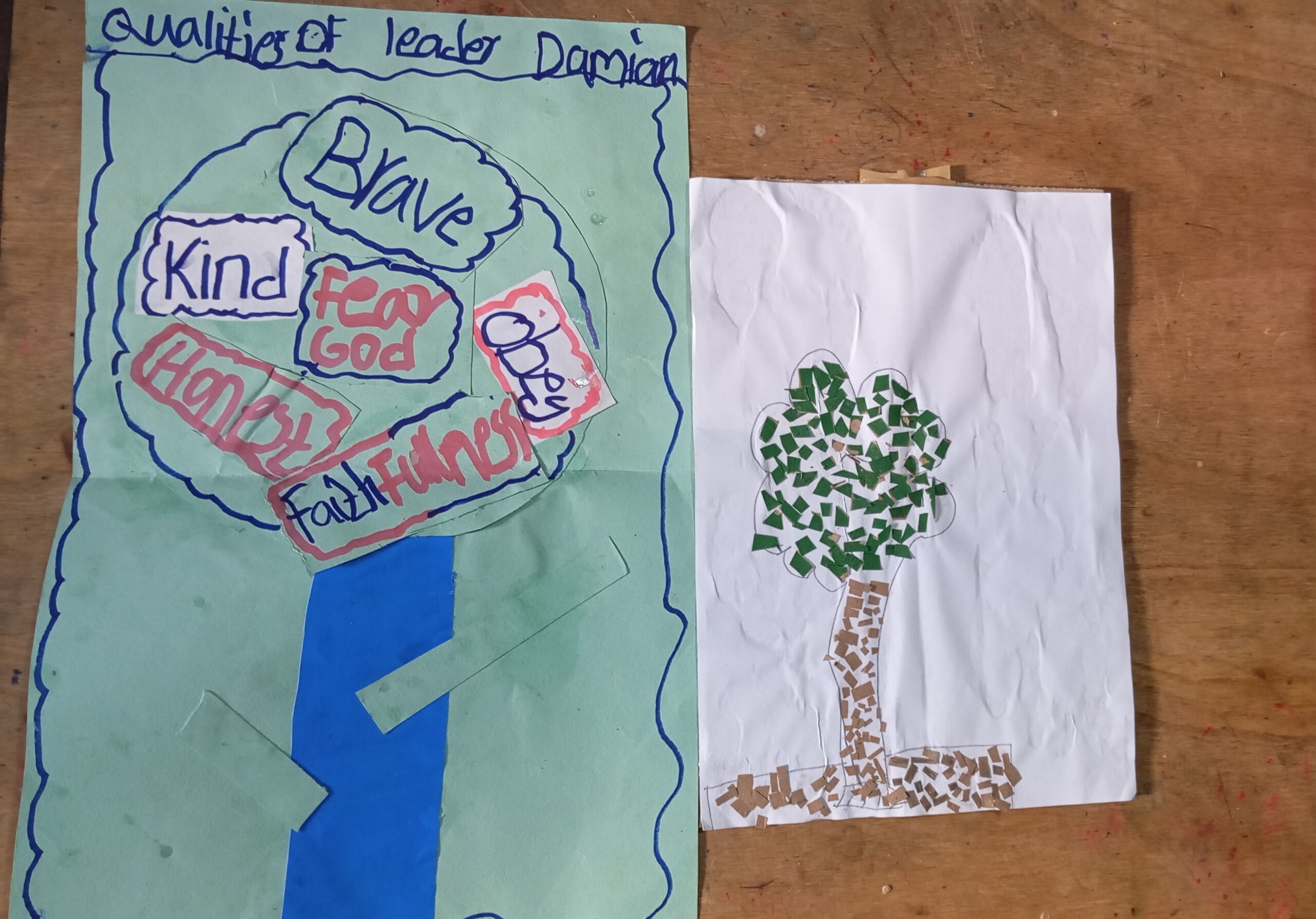
Parents’ main role is to guide and supervise, not to complete tasks for the children. “Many parents expect learning to still look the same as before,” Ms. Kemunto says. “Sometimes they end up doing the take-home tasks themselves without involving the learners.”
She uses WhatsApp groups, occasional newsletters, take-home letters or learners to convey the instructions; however, not all parents trust their children to deliver the message accurately. A perfectly completed project often indicates that the parent assisted the learner, while a poorly done project may suggest little or no parental involvement.
“I easily gauge by observing the learner’s work. Regular discussions with learners about their tasks also help me assess parental involvement,” she explains.
Digital literacy is a core competency in CBE. When giving feedback, Ms. Kemunto uses various channels to highlight helpful practices and suggest ways parents can support children’s independence while still providing appropriate guidance.
“I share observations during parent-teacher meetings or individual messages,” she says. “Nowadays, this is a digital world so sometimes I use our WhatsApp group to give feedback to parents.”
While teachers like Ms. Kemunto engage parents at the classroom level, school leadership also plays a key role in shaping that relationship.
Ms. Grace Mwangangi, the Deputy Head Teacher at Ainsworth Comprehensive School in Eastleigh, says that parental engagement under CBE is often limited. Despite this, the school is making efforts to bridge the gap.
“Parents are not well prepared for their role under CBE,” she says. “The school sensitizes them during class meetings and through individual class WhatsApp groups.”
Despite these efforts, she notes that many parents often raise concern about supporting their children, particularly with projects-based tasks. “Some complain that the projects are time consuming,” she explains. “Others say the materials required are not easily available. Some feel the workload is too much for their children and end up doing the projects themselves.”
Ms. Mwangangi observes that low-income families are the most affected, as many struggle to afford the required material that cannot be improvised.
To improve parental engagement, she emphasizes the need for a collaborative approach involving the government, schools, and parents. She says schools must always create awareness for parents to understand their role in their children’s day-to-day learning.
“Parents should create time to guide their children with the projects and not to do it for them. They should also allow them to explore and discover their own talents instead of directing them towards specific paths which they may not be interested in,” she says.
Ms. Mwangangi calls on the government to better equip public institutions to ensure that learners from disadvantaged backgrounds are not left behind.
Why Parental Engagement Matters
Professor Hellen Mberia, the Principal at the Jomo Kenyatta University of Agriculture and
Technology (JKUAT) – Karen Campus, and Competency-Based Education (CBE) mentor and coach at Khuza School of Life, says that parents are crucial to the curriculum’s success.
“With the support of teachers, parents play a key role in recognizing the gifts, talents, and aspirations of learners. If this role is left to the teacher alone, then the curriculum’s learning will not be complete,” she explains.

Since CBE involves practical and skill-based tasks, parents are expected to support learning at home by providing the materials needed. Yet, many are unable to meet these expectations due limited preparation and awareness.
“I don’t think the parents have been adequately prepared,” she says. “Many are confused or unaware of what is expected of them. As a result, they become reactive rather than proactive in supporting their children’s learning.”
Prof. Mberia raises concern about financial burdens on parents, especially those from low-income areas. “On a daily basis, parents are purchasing learning materials, and this can be very demanding. In some cases, we have seen parents who’ve given up because of the pressure,” she observes.
To address these challenges, she calls for stronger collaboration between schools and policymakers, including structured training and clear communication.
“Schools should organize career workshops for parents and learners. It’s important to have a clear communication framework from the Ministry of Education on what is expected of parents,” urges Prof. Mberia, stressing that parental involvement should continue even at the university level, especially for the first cohort of CBE.
Although limited parental involvement may hinder the success of the curriculum, Prof. Mberia firmly believes that CBE can transform learning if properly implemented. “If parents are not involved, then we are likely to go back to the 8-4-4 system disguised as CBE,” she warns. “We may also fail to identify the learners’ potentials early enough.”
While Mr. Ratemo and Ms. Nyambeche continue to assist their children and understand the curriculum each evening after work, their experience reflects that of many families struggling to navigate the demands of CBE. Kenya’s success with the new curriculum will depend not only on parents’ participation but on how well they are prepared and supported.