|
Getting your Trinity Audio player ready...
|
By SHABAN MAKOKHA
Bungoma, Kenya: For generations, cultural norms deeply favored boys, steering them toward leadership, education, and inheritance, while girls were relegated to early marriage, domesticity, and limited social opportunities. However, this dynamic has undergone a significant reversal.
Education expert Kennedy Echesa has sparked a national debate by asserting that the Muslim boy-child now faces greater academic jeopardy than the girl-child. He calls this shift “one of the most dramatic social shifts in modern Islamic communities.”
Echesa points out that Muslim girls are now pursuing academic success with more intensity than their male counterparts. This is a stark contrast to the past, where retrogressive cultural beliefs privileged boys and confined girls primarily to the home.
Today, Muslim girls across Kenya, from Kakamega and Kwale to Wajir, Mombasa, and Nairobi are achieving academic milestones, surpassing boys, and dismantling long-standing generational barriers.
While communities mobilized to support the Muslim girl-child by offering protection, mentorship, funding for education, and protection from early marriage to the boy-child, who was once favored, has become increasingly overlooked.
“We pumped energy into saving the girl-child and rightly so,” Echesa noted. “But we left the boy-child to navigate a modern world without direction. He is now paying the price.”
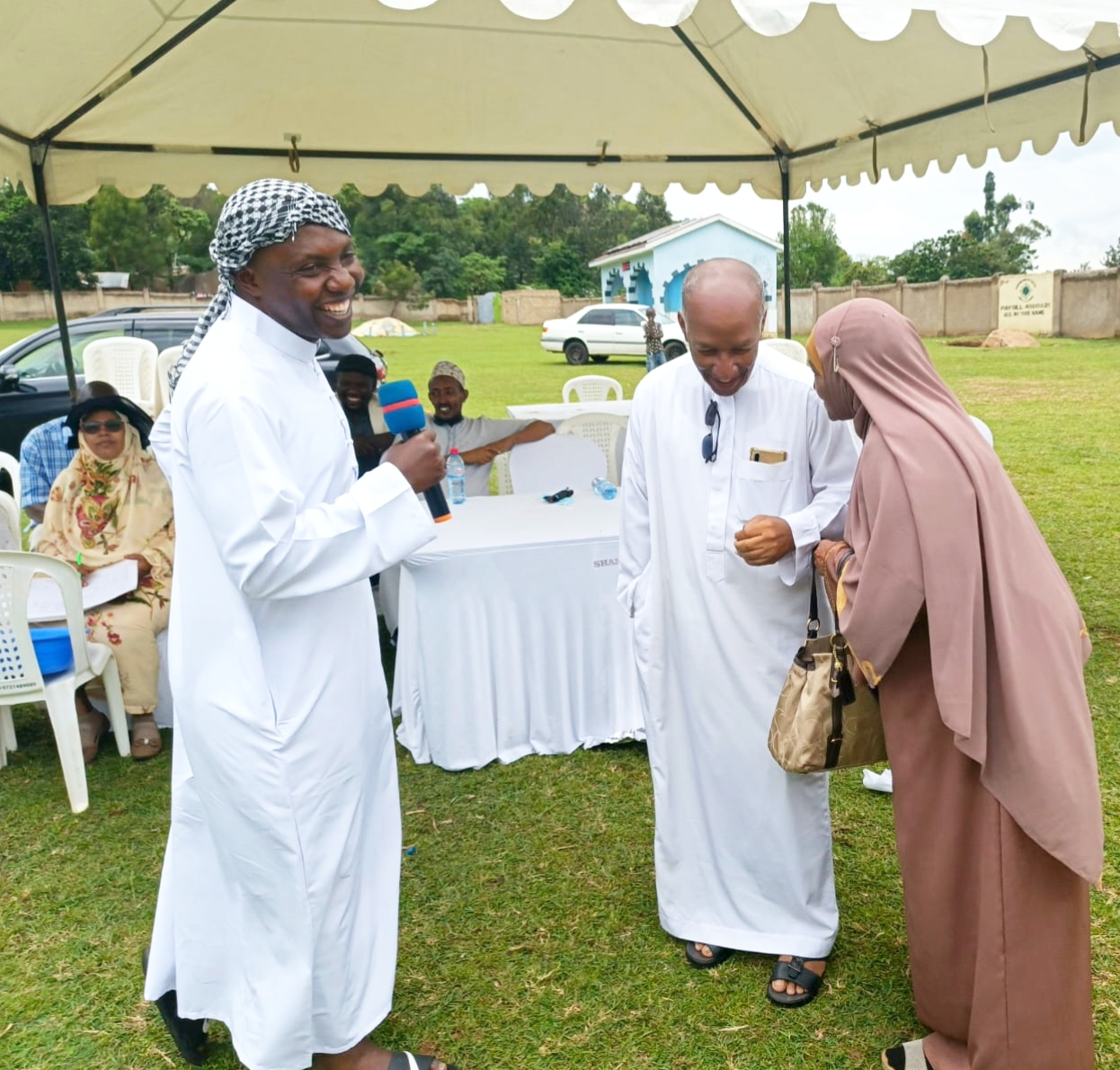
Speaking at Bungoma Muslim Centre where he presided over a fundraiser towards the facilitation of the 4th Muslim Schools Education Day that will be held on Saturday, Echesa warned that unless balance is restored, society risks raising a generation of disoriented young men, unprepared for leadership, family responsibilities, and economic independence.
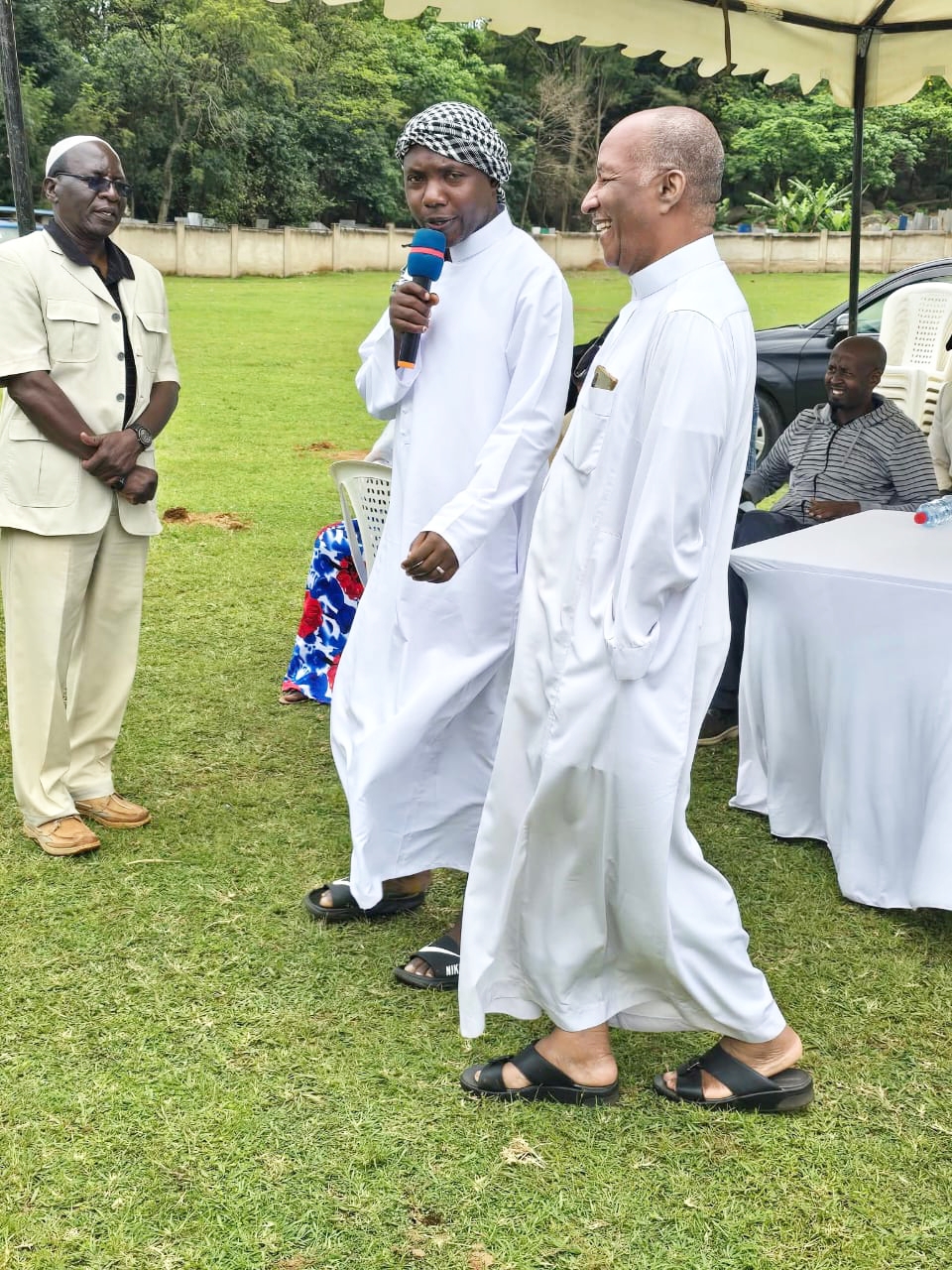
The event was organized by the Muslim Education Secretariat Western Province (MESWEP), which sponsors all Muslim Schools in the Western region.
An affiliate of the Muslim Education Council, MESWEP oversees a total of 50 Muslim schools including 33 primary and 17 secondary schools across Bungoma, Busia, Kakamega, and Vihiga counties.
“The boy-child has no anchor anymore. Girls have teachers, mothers, mentors, empowerment groups and Human Rights Defenders. Boys have freedom without guidance,” he observed.
“Some of our male Muslim youths tend to drop off from the academic train a bit too early leaving only our sisters to make it to the final destination”, he said adding; “for us to be strong, we should walk side by side until the end of the journey”.
He emphasized that saving the Muslim boy-child does not mean taking anything away from the girl-child.
“This is not a competition,” he said. “We cannot uplift our daughters while our sons crumble. The girls will end up without being responsible husbands. The community needs both wings to fly.”
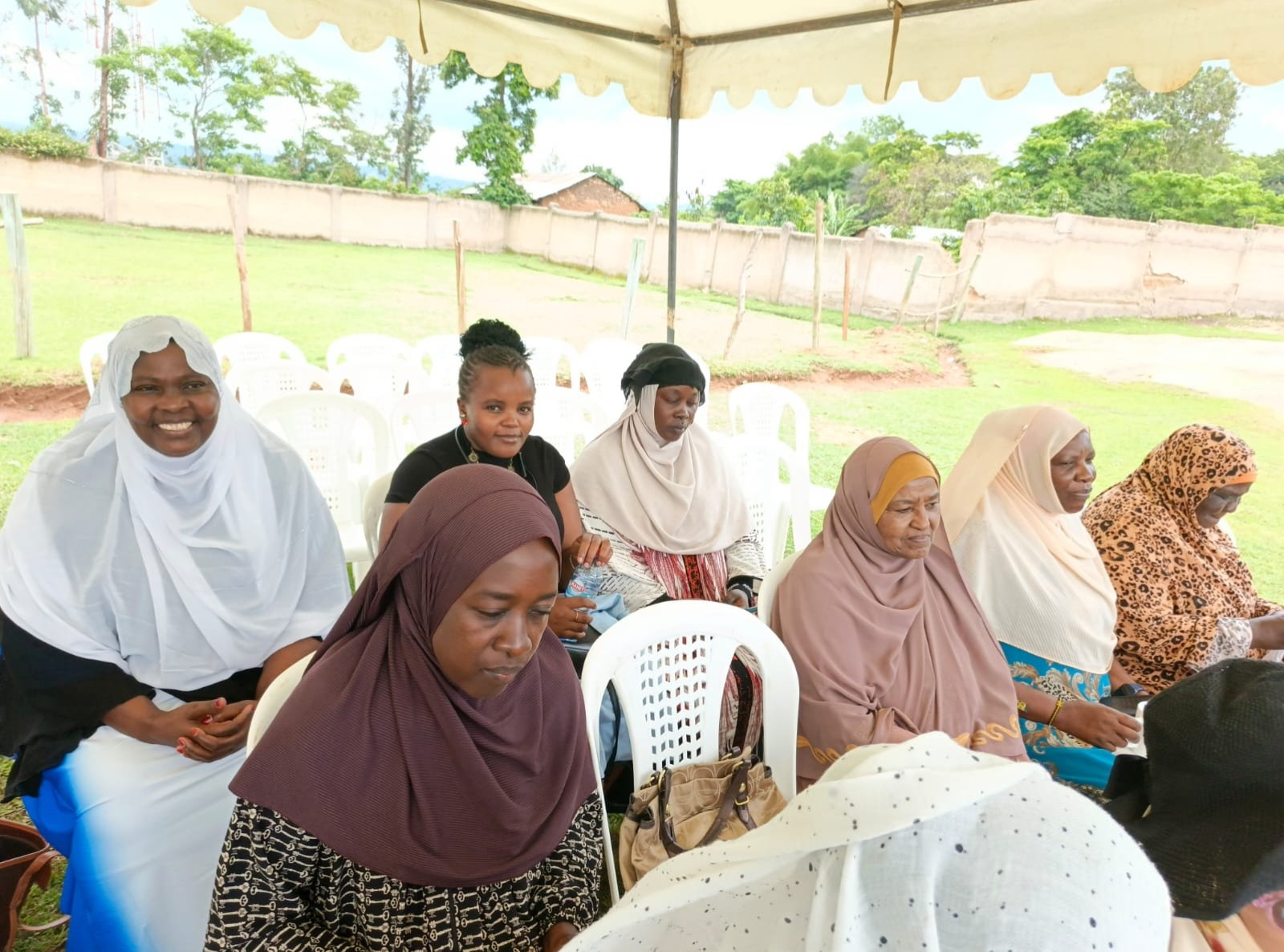
Echesa noted that girls belonging to the Muslim faith were pursuing academic excellence more aggressively than their male counterparts who were previously favoured due to retrogressive cultural beliefs that the girls’ place was in the kitchen.
The MESWEP (Bungoma Chapter) Patron Dr. Amin Ali Sheikh equally emphasised the need Muslims to be strategic while pursuing education so that in the end, it serves the intended purpose.
“As Muslim parents, let us take time to understand the curriculum, study market trends and be more informed on career paths so that our children, both girls and boys, get to benefit at the end of their academic journey”, said Dr Amin.
MESWEP regional vice chairman who is also the Bungoma County chairman, Athman Wangara said MESWEP was born out of the need to structure the way Muslim educational institutions were managed.
“Previously, each school was managed by any closest Muslim or Imam without policies, values, ethos or documented outcomes”, he noted.
The decrease in boys’ participation in education is leading to greater risks of drug abuse, criminal activity, and association with unstructured peer groups, alongside a reduction in mentorship due to the disappearance of traditional male role models.
Interestingly, this growing trend seems to be challenging the historical cultural contradiction of oppressive norms that favored boys over girls.
In response, Mr. Wangara announced that MESWEP has implemented various strategies to boost academic performance. These include introducing the Muslim Schools Joint Examination Tests (MUSJET), organizing symposiums, strengthening teachers’ capacity through training, and holding ‘creaming’ (identifying high-achievers) and recognition events. One such event is the upcoming education day, which will be presided over by the Speaker of the National Assembly, Moses Wetangula, on Saturday, March 28, 2026, at the Bungoma Muslim Centre.
Wangara stated that when MESWEP began in 2017, the 13 Muslim Secondary Schools involved collectively managed to send only a single student to university.
He explained: “The number of secondary schools has since risen from 13 to 17 and over 120 students have transited to university.”
Mr Echesa, who is advocating for structured mentorship programs for Muslim boys and stronger school governance, offered himself to serve on the boards of Muslim-sponsored schools, saying the institutions require stronger governance structures, renewed accountability, and modern administrative systems to match the evolving needs of learners.
He said many Muslim-sponsored schools across the region have immense potential but continue to face challenges in management, resource planning, and stakeholder coordination whose issues he believes can be resolved through professional oversight and structured governance.
“Our children deserve institutions that function efficiently and transparently. I am stepping forward because I believe Muslim-sponsored schools can compete among the very best if we strengthen their operations from the board level,” he said.
He emphasized that boards play a critical role in shaping the academic culture, discipline systems, financial planning, and infrastructural growth of schools.
According to him, his experience in governance, academic excellence and institutional reforms uniquely positions him to help streamline the operations of the Muslim learning institutions.
He said Muslim-sponsored schools often carry a heavier responsibility to not only to provide quality education, but also to nurture faith, identity, and values among learners and must be guided properly to produce good citizens.
“These schools are trusted to mold young Muslims spiritually, academically, and socially. We must ensure that the systems guiding them are strong enough to deliver on this mandate,” Echesa noted.
Schools in the region have recently raised concerns over inadequate funding, gaps in administrative efficiency, and strained engagement between sponsors and management.
Echesa pledged to work closely with Muslim clerics, sponsors, parents, and the Ministry of Education to improve governance systems, enhance accountability, and ensure learners benefit from well-managed school environments.
“My goal is simple: to help build well-run Muslim-sponsored schools that produce disciplined, confident, and academically competitive students,” he concluded.
Echesa says he intends to bring legal discipline, administrative order, and community-driven accountability to school boards.
He is currently serving as the board chairman at St Paul’s Lubinu Boys High School in Mumias East and St Ann’s Musoli Girls in Ikolomani.
The ‘learned friend’ challenged sponsors of Muslim Schools to diversify the leadership of the boards in their schools.
Abdulrahman Shikanda, also an education expert, described the governance gaps as a silent crisis.
He said: “When boards are weak or disconnected, decisions delay. Teaching materials delay. Repairs delay, even disciplinary policies become unclear. We feel abandoned and the learners suffer the most.”
Shikanda believes Echesa’s professional experience could help restore order.
“We need someone who brings structure and fairness in our schools regardless of his religious affiliation.” He went on. “Wakili’s entry could be the turning point.”
He argues that without professional governance, the schools continue to lag behind their peers leaving Muslim learners at a competitive disadvantage.
Inclusion of Echesa could help streamline board professionalism,
Sponsor–management relationships, budgeting and accountability. Faith-sponsored schools thrive when the boards are strong, ” said Shikanda.