|
Getting your Trinity Audio player ready...
|
By Lourdes Walusala
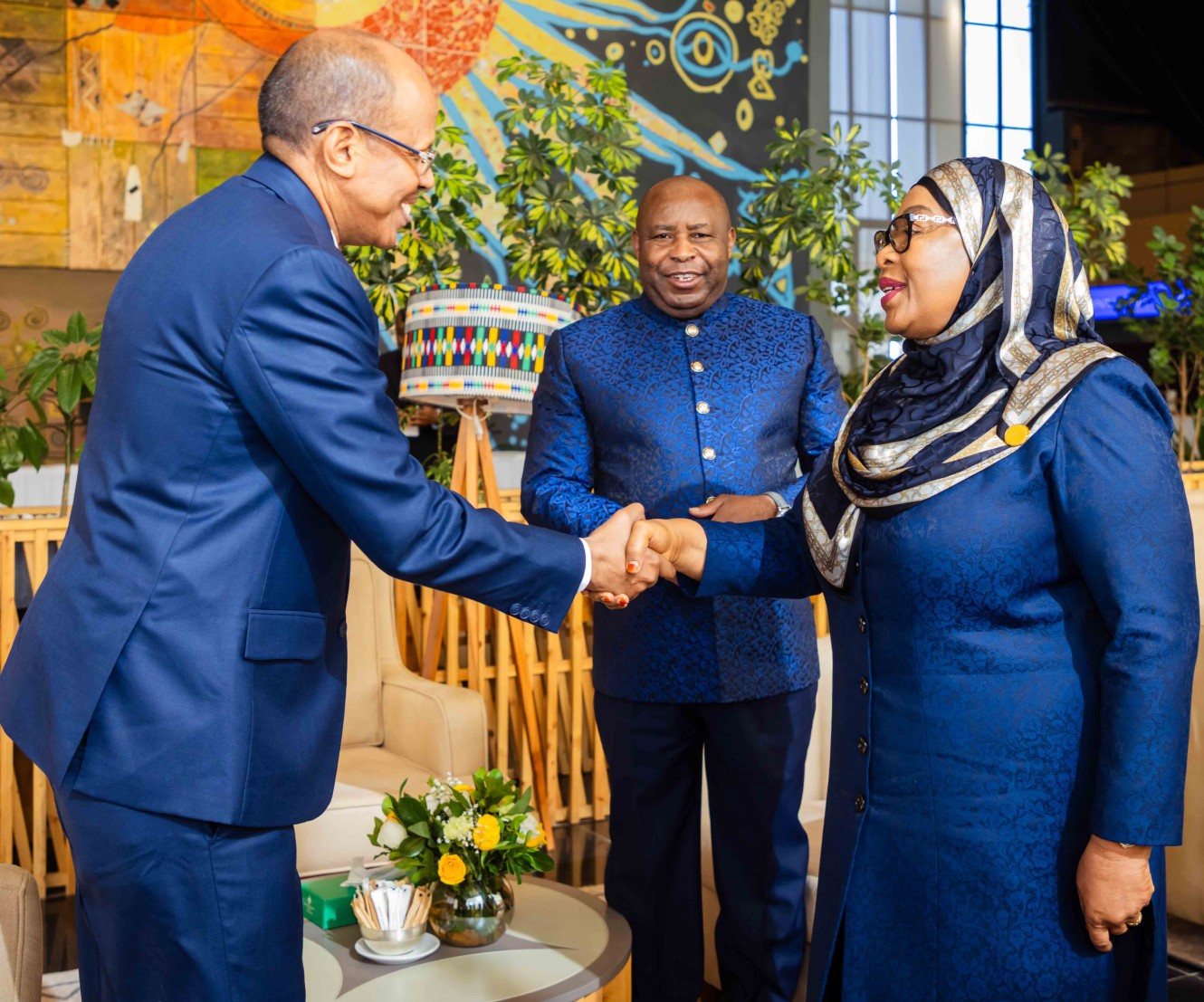
Addis Ababa– African leaders have renewed calls for greater control over the continent’s healthcare systems, but the scale of financing required to achieve that ambition has emerged as a major hurdle as the Fifth International Conference on Public Health in Africa (CPHIA 2026) opened in Addis Ababa, Ethiopia.
The tension between political aspiration and financial reality was starkly illustrated by President Julius Maada Bio of Sierra Leone, who revealed that the five-year national health compact would require an estimated US$1.2bn, of which only 30% was expected to be raised from domestic sources.
That leaves roughly US$840 million to be mobilized through development partnerships, highlighting the steep challenge African governments face in reducing reliance on external health financing as international aid shrinks.
Speaking during the opening ceremony on Monday, Bio said Sierra Leone had committed to progressively increasing its health spending from 9% to 15% of its national budget, in line with the 2001 Abuja Declaration.
“For me, health sovereignty begins with African governments taking responsibility for their people’s health, setting national priorities, committing domestic resources, strengthening institutions, and building partnerships that support long-term results,” he said.
Bio stressed that budget commitment must translate into functioning frontline services, including operational ambulances, stocked blood banks, trained health workers, and reliable access to essential medicines.
“Ultimately, health financing must be measured by the care our people receive,” he said.
The financing dilemma comes as African nations confront declining donor support, recurring disease outbreaks, and mounting pressure to overhaul health systems long dependent on external assistance.
Rwanda offers a different financing approach
Delivering the remarks on behalf of President Paul Kagame, Rwanda’s Prime Minister Dr Justin Nsengiyumva referred to his country’s community-based health insurance scheme Mutuelle de Santé as proof that domestic financing reforms can in fact lead to an expansion of access to healthcare.
According to Nsengiyumva, the scheme has reached approximately 89% of Rwanda’s population over the past 25 years. In 2026, Kigali introduced an income-based contribution framework requiring higher-income households to pay more while fully subsidizing the poorest citizens.
Under the Prime Minister’s model, scheme members pay 37% of the total cost, and the Government and the private sector share the rest. Rwanda has also expanded the benefit package to include specialist care such as cancer treatment, kidney transplants, and heart surgery.
“We can, and we must reimagine what domestic financing means,” said Nsengiyumva, arguing that governments, households and the private sector all have a role to play in sustaining health systems.
He acknowledged that health sovereignty doesn’t mean walking away from international partnerships. It’s about African countries setting their own priorities, and external funding then supports those nationally led programs.
Beyond political declarations
Africa CDC Director General Dr Jean Kaseya has likewise been calling for the continent to move beyond reliance on the outside world and take ownership of its public health agenda.
Describing CPHIA as a movement rather than just a conference, Dr Kaseya pointed to institutional gains across the continent, noting that the number of African countries with national public health institutes has grown from seven to 42. At the same time, the number of countries conducting genomic sequencing has risen from seven to 52.
He emphasized that lasting health security will depend on African-led outbreak responses, domestic resource mobilization, local pharmaceutical manufacturing, and digital health transformation, a vision captured in this year’s conference theme: Africa’s Health Security and Sovereignty: Transformation from Health Dependency and Vulnerability to Ownership and Resilience.
The 5-day event brings together Heads of State, Health Ministers, researchers and development partners to deliberate on practical pathways to self-sustaining health systems.
From pledges to hospital wards
For Sierra Leone, the stakes are much, much higher than financial pacts and summit statements.
President Bio noted that progress on maternal and child health must ultimately be judged by whether critical services reach families in emergencies. Describing a pregnant woman in need of urgent care, he said what counts is whether an ambulance arrives on time, whether a trained midwife is on duty, and whether a hospital has the blood and medicines needed to save her life.
“For that woman, her sovereignty is not a declaration. It is the difference between life and death,” he said.
As African leaders move to achieve greater health independence, the real test will be in turning those high-level commitments into sustainable financing and reliable care at the clinic door.