|
Getting your Trinity Audio player ready...
|
By Liz Anyango
Nairobi, Kenya: What happens when the very home where a child should feel safest becomes a place of neglect, abuse or violence? And when poverty makes it difficult for parents to provide basic care, should separating a child from their family be the first solution?
These are some of the difficult questions facing Kenya’s child protection system as the country seeks better ways to protect vulnerable children while keeping families together.
The scale of the challenge is reflected in records from the State Department for Children Services’ Child Protection Information Management System (CPIMS), which recorded 222,267 child protection cases in the 2025/2026 financial year, with approximately 70% involving parental neglect, according to Principal Secretary for Children Services Carren Ageng’o.
She also reported that about 40,000 children live in 902 children’s institutions across the country, with more than 70% traceable to their families. For many children, circumstances such as poverty, neglect, violence and limited access to essential services can expose them to harm. In some cases, these challenges contribute to children being separated from their parents and placed in residential care.
However, separation is not always the only solution. Where it is safe and appropriate, strengthening families and supporting caregivers can help children grow up in stable and nurturing environments.
It is against this backdrop that Kenya is turning to the ChildSAFE initiative, which seeks to strengthen the systems that protect children while helping families and communities create safer environments for them to grow.
The initiative will focus on strengthening child protection systems and referral pathways, promoting integrated early childhood development and nurturing care, and preventing unnecessary family separation through family strengthening and family-based alternative care.
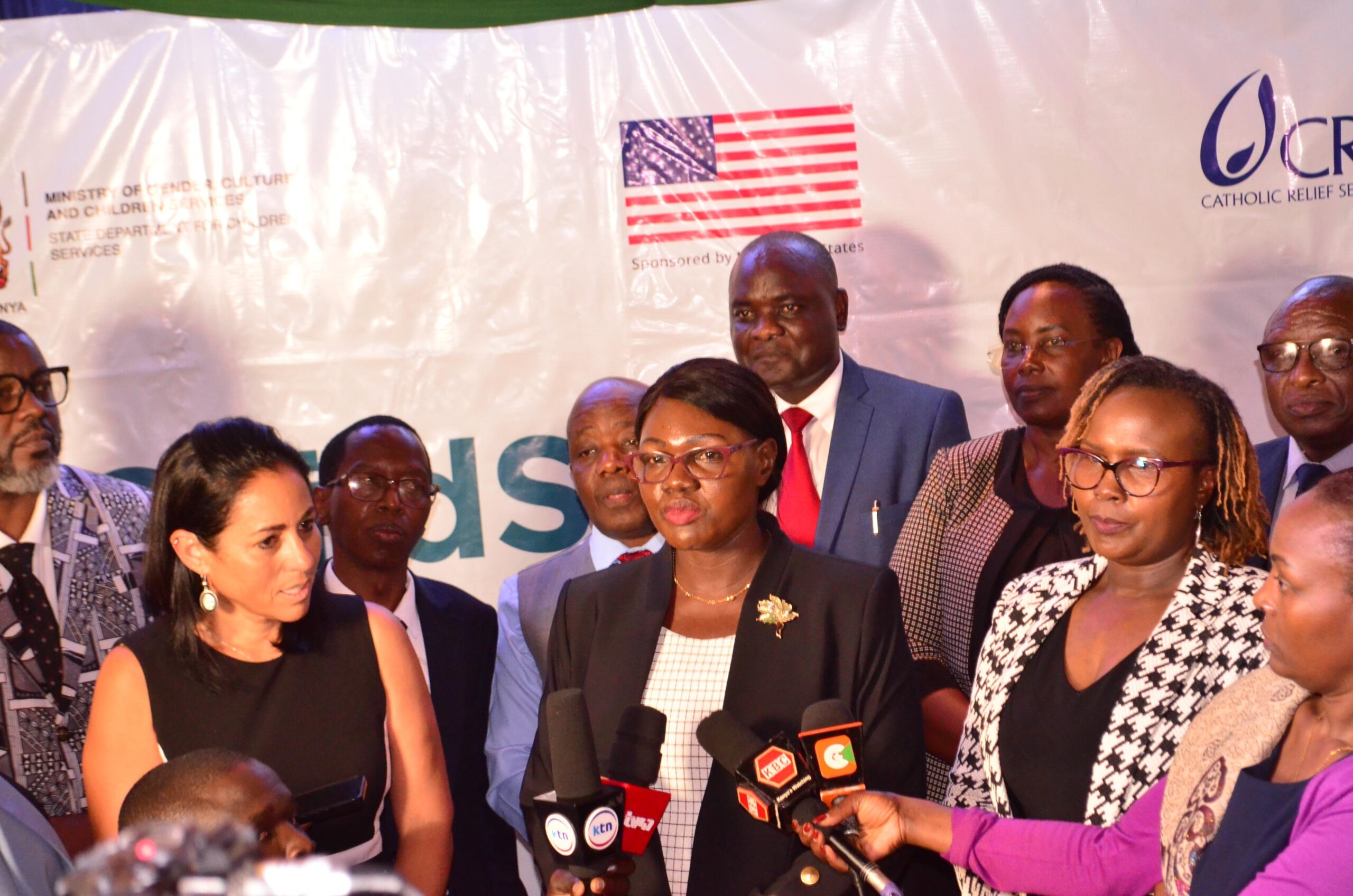
Speaking during the launch, Ageng’o further said the project would also support efforts to reunite children separated from their families and strengthen the government’s Positive Parenting Programme.
“One of the key objectives of this project will be to ensure we reintegrate such children into their families. Also to introduce and strengthen the positive parenting program that is run by the State Department for Children’s Services together with our partners,” she said.
The approach recognises that protecting children requires addressing the challenges within families before they escalate and expose children to greater risks.
For caregivers, this means access to parenting support and guidance on creating safe and nurturing environments. For children who have already been placed in residential care, it means exploring family-based alternatives and supporting safe reintegration where it is in their best interests.
But keeping children safe also requires systems that can respond when abuse, neglect or exploitation occurs.
ChildSAFE will therefore strengthen the Child Protection Information Management System (CPIMS) and Child Helpline 116 to improve reporting, referrals and case management. Better information will also help government agencies identify protection gaps and make informed decisions.
The initiative will further strengthen psychosocial support and referral services while building the capacity of social service workers and community structures to identify and respond to child protection concerns.
For Catholic Relief Services (CRS) Country Manager Margaret Kahiga, protecting children requires more than the efforts of one institution.
“We know that children’s issues are very, very critical, especially when we are looking into the future. We really have to invest in children,” she said.
Kahiga emphasised the importance of collective responsibility in ensuring children grow up in safe and supportive environments.
UNICEF also reaffirmed its commitment to supporting Kenya’s child protection reforms. Eri Mathers Suzuki, UNICEF Chief of Child Protection in Kenya, noted that the country already has important foundations for advancing child welfare, including the National Care Reform Strategy.
She said UNICEF would continue working with the government and other partners to strengthen child protection information management systems and ensure vulnerable children grow up in safe and nurturing family environments.
The government has also stressed that the initiative must strengthen existing public structures rather than establish parallel systems. This includes improving coordination and accountability, professionalising social service workers and ensuring that interventions can continue beyond the project’s implementation period.
The protection of children’s information will also remain important, with the government emphasising confidentiality and dignity in line with the Data Protection Act, 2019.
The initiative will initially be implemented in Kisumu, Kakamega, Nairobi, Kajiado, Mombasa and Kilifi counties, with activities extending to national and community levels.
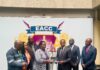
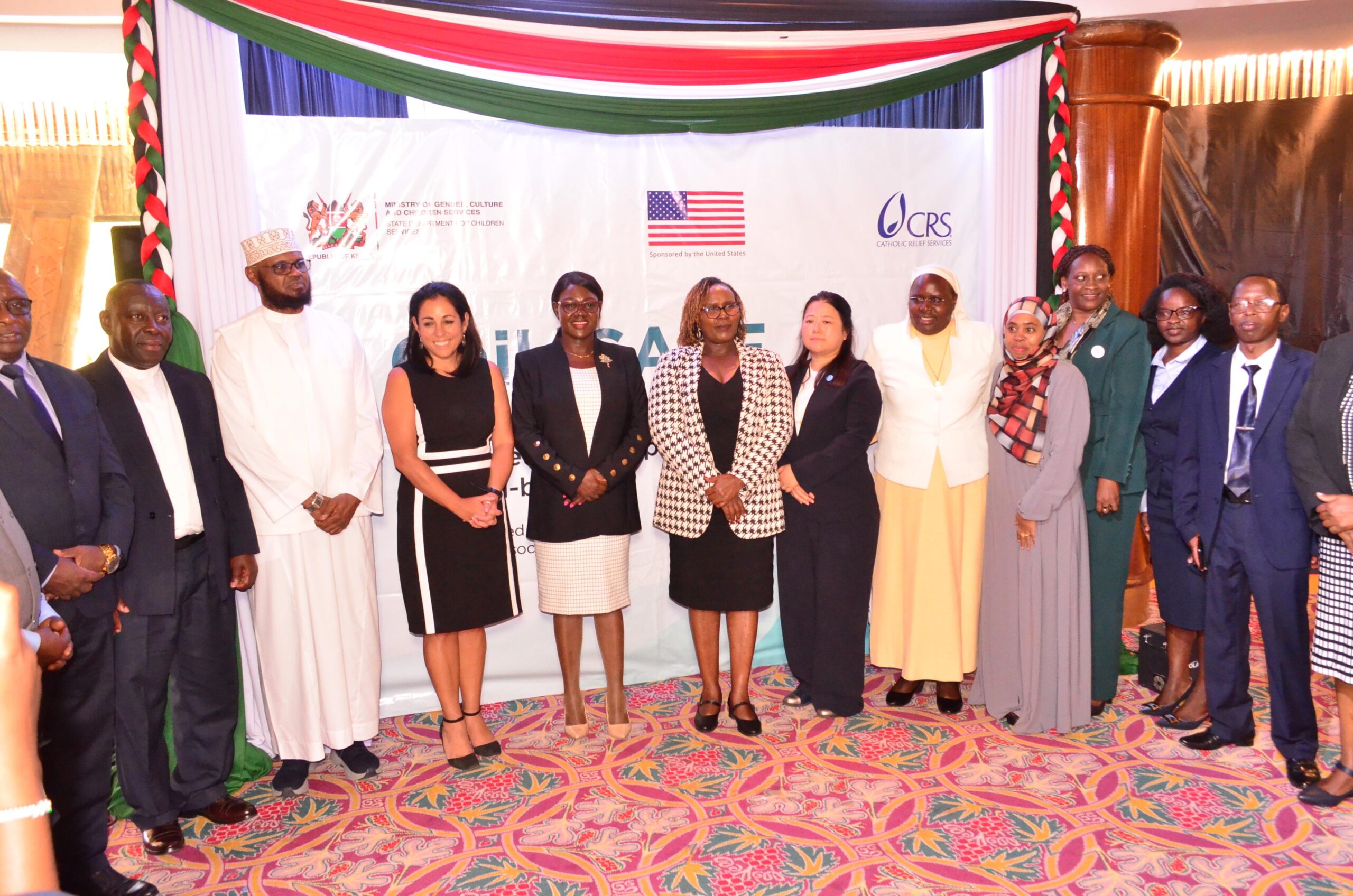
The ChildSAFE Kenya Project was officially launched in Nairobi on November 10, 2026. It is funded by the United States Department of State through its Bureau of Global Health Security and Diplomacy and implemented by CRS in collaboration with partners.
Ultimately, the success of the initiative will depend on whether the systems it strengthens can prevent abuse, support vulnerable families and ensure children receive the care and protection they need.
For Kenya, protecting children is not simply about responding when something goes wrong. It is also about building families and communities where children are less likely to be exposed to harm in the first place.