|
Getting your Trinity Audio player ready...
|
By Lenah Bosibori
Nairobi, Kenya: Researchers and policymakers are calling for greater investment in African science and stronger data systems to ensure that evidence generated on the continent informs local policies and solutions.
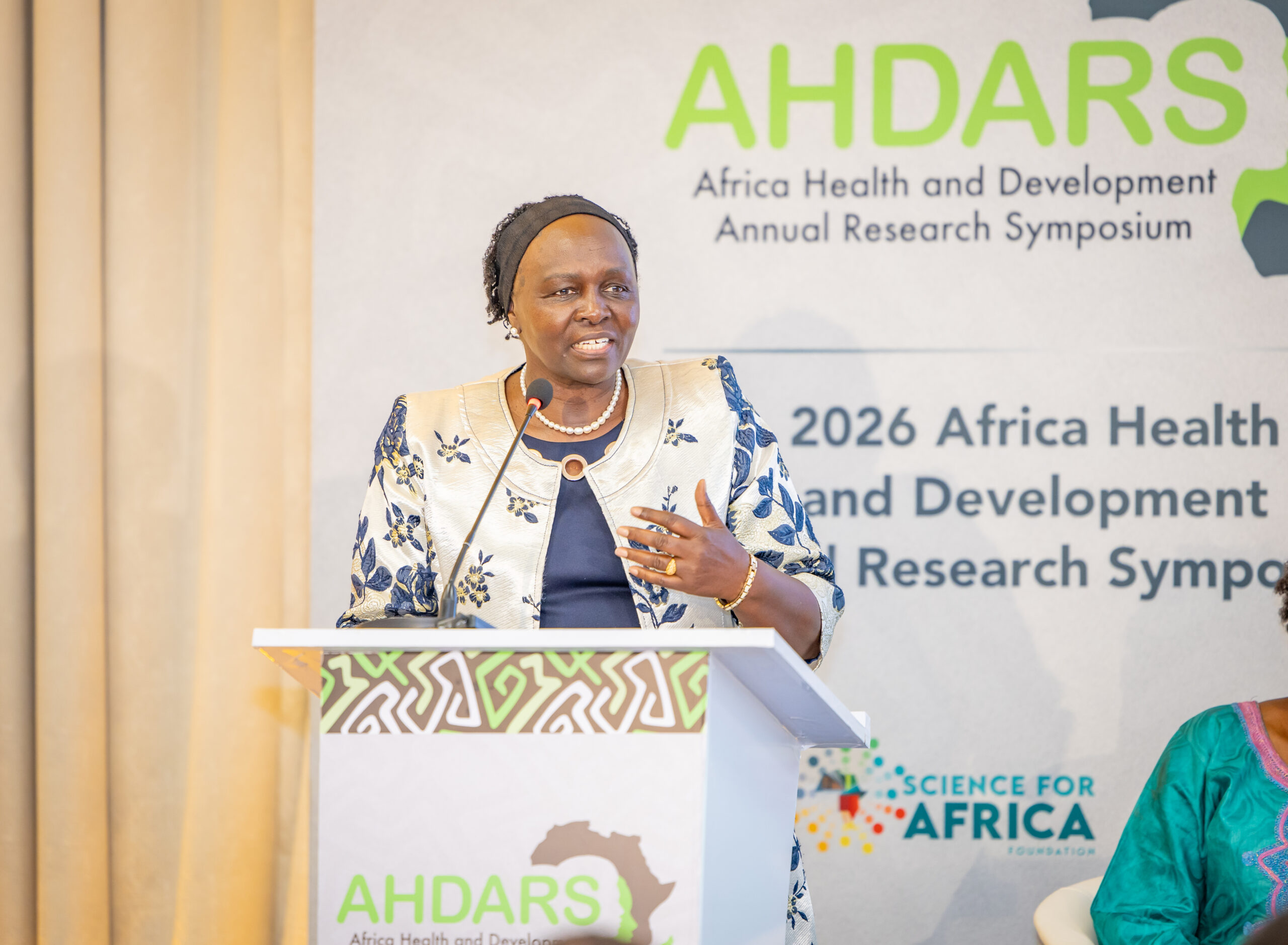
Speaking at the 2026 Africa Health and Development Annual Research Symposium (AHDARS2026) in Nairobi, Dr. Catherine Kyobutungi, Executive Director African Population and Health Research Center (APHRC), said the growing use of artificial intelligence and data science has made it urgent for Africa to rethink how its data is managed, controlled and used.
“Who owns this data? Who governs it? And how do we ensure it is used to benefit African people?” Dr. Kyobutungi asked, highlighting some of the questions at the centre of the discussions.
The two-day symposium, held under the theme “Building African-Centred Data and Knowledge Systems: New Models, New Power. What Can Be Done Differently?”, brought together researchers, policymakers, practitioners and private sector representatives to discuss how Africa can build stronger data and knowledge systems.
Dr. Kyobutungi said African data had for too long been collected, analyzed and used outside the continent, leaving local governments and institutions dependent on evidence that may not fully reflect the realities of their communities.
“Data and research are essential for developing solutions in health, agriculture, climate change and infrastructure,” said Dr. Kyobutungi.
Adding “Reliable information, for example, can help countries understand how changing weather patterns affect livestock and food production, improve health service delivery and guide the development of infrastructure suited to local conditions.”
However, when research and data are controlled outside Africa, the resulting solutions may fail to address the everyday experiences of the people they are intended to serve.
“When we do not own our knowledge, we risk developing programmes and solutions that do not reflect the realities of African communities,” she said.
She challenged African scientists to focus on research that addresses problems facing communities and consider how their findings can be translated into practical solutions.
The symposium also highlighted the importance of partnerships between research institutions, governments and the private sector in turning evidence into action.
Prof. Tom Kariuki Chief Executive Officer The Science for Africa Foundation said collaboration is important in responding to public health emergencies such as Ebola, where timely data can help countries prepare for and respond to outbreaks.
The foundation is also supporting researchers in the Democratic Republic of Congo to conduct clinical trials that could contribute to the development of new health products.
“Climate change and its impact on health remain a major challenge. We need to understand how it affects our economies, food systems and livelihoods. At the same time, we must not lose sight of the burden of diseases such as HIV and malaria,” said Prof. Kariuki.
He added that although there is no cure for HIV, several tools are available to manage the disease. He said more tools are also needed to strengthen malaria prevention, diagnosis and treatment, noting that both diseases continue to contribute to the continent’s disease burden and require sustained investment in research and solutions.
Senator Prof. Margaret Kamar, Pan African Parliament said evidence is essential in developing laws that respond to the continent’s needs. The parliament develops model laws that member countries can use when preparing their own legislation in areas such as climate change, food security, health security and nutrition.
“We need to collect data that is African-led and analyzed by Africans, and that is sensitive to the different conditions across the continent. For a long time, much of the data we have relied on has been collected and analyzed outside Africa, often using tools developed elsewhere. Such information may not adequately inform our own policymaking,” said Prof. Kamar.
She added that the laws cover areas such as climate change, food security, health security and nutrition security adding that evidence and reliable data are essential in developing laws that countries could adopt and adapt to their local contexts.
She also called for common standards in data collection and analysis to make it easier for countries to share and use research findings across the continent.
Bheki Bhembe, Permanent Secretary, The Kingdom of eSwatini, Prime Minister’s Office, said governments have an important role to play because they manage national statistical systems, which generate much of the information used in policymaking.
“We have African experts with the skills and knowledge to provide the intelligence we need, provided we give them the raw data to work with. We also need to empower regional and continental institutions to strengthen how data is shared across regional blocs and the African continent,” he said.
Bhembe also emphasized the need to strengthen regional and continental institutions so African countries can share data and use it more effectively.
Research Funding Remains a Challenge
The discussions also turned to the cost of conducting research in Kenya, following concerns that increased research licence fees could discourage scientists, particularly those financing their own studies.
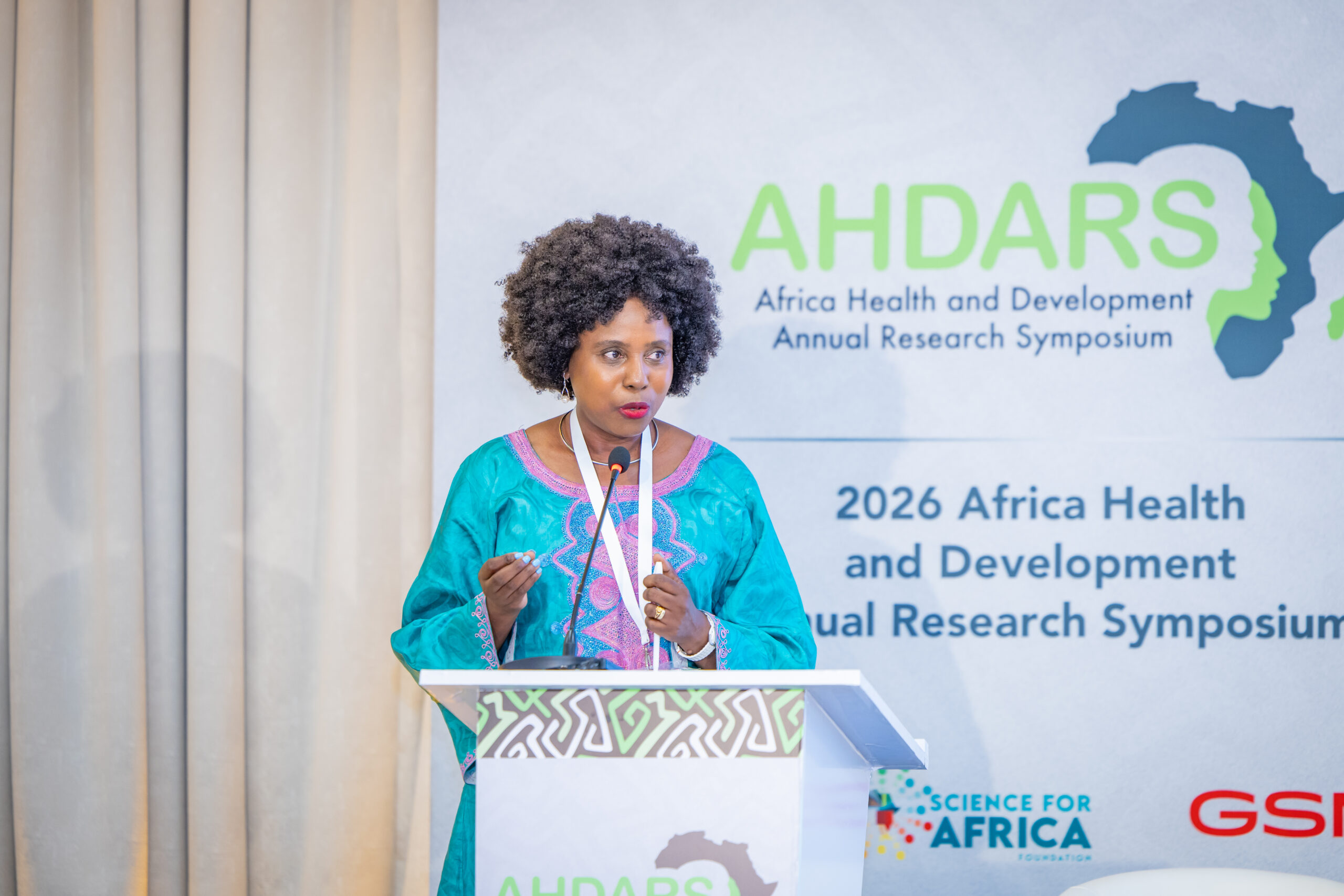
Dr. Evelyn Gitau, Chief Scientific Officer SFA acknowledged that the new fees could create barriers for researchers. However, she said county governments also needed sustainable sources of revenue to support their operations.
“The foundation is exploring ways of working with government offices to help counties raise funds without placing an excessive financial burden on researchers,” said Dr. Gitau.
Dr. Kyobutungi added that the bigger challenge is the limited public funding available for science and research. Scientists should not have to rely on their personal resources to finance studies that could benefit the wider population.
“If the Kenyan government increased its allocation from the current 0.78% of GDP to 2%, more scientists could be supported to attract research funding. Other organizations and development partners are also funding African science,” said Dr. Kyobutungi.
She added that increased investment in African scientists and research institutions would help reduce the barriers they face in conducting research and attracting funding.
“Greater government investment, alongside support from development partners and other funders, would help strengthen African research institutions and reduce the financial barriers facing scientists.
The discussions highlighted a common concern: Africa cannot develop solutions suited to its people without investing in the researchers, institutions and systems needed to generate, manage and use its own knowledge.