|
Getting your Trinity Audio player ready...
|
By Liz Anyango
Nairobi, Kenya: Africa possesses abundant land, labor, and resources. Yet a critical question remains: are its farmers receiving their rightful share of the returns?
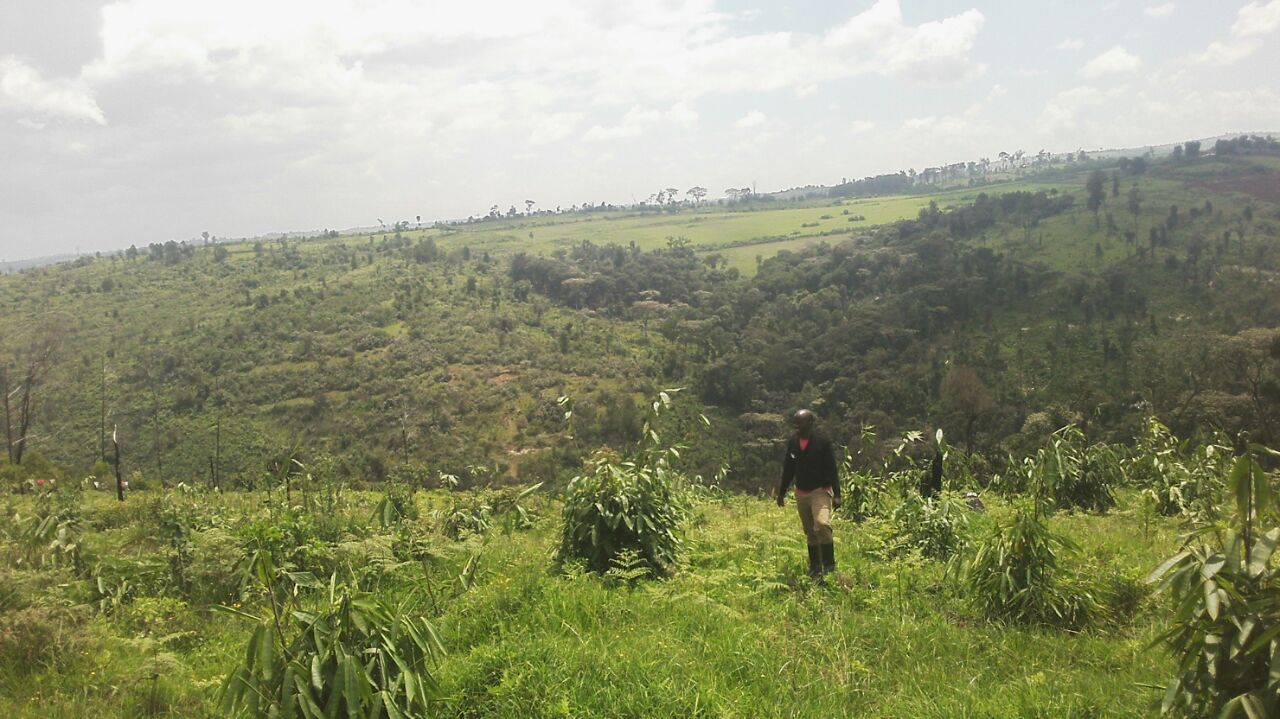
Consider the reality of a farmer who owns his land, invests his sweat, and harvests a bountiful crop. The yield leaves the field and successfully reaches the market, but somewhere along the chain, a fundamental disconnect occurs: the earnings he brings home fail to reflect the immense effort required to produce that food.
Where exactly is the gap?
A fresh evaluation of the continent’s agricultural landscape indicates that while overall production has grown compared to two decades ago, a persistent issue lingers—farmers are still not earning enough from this progress.
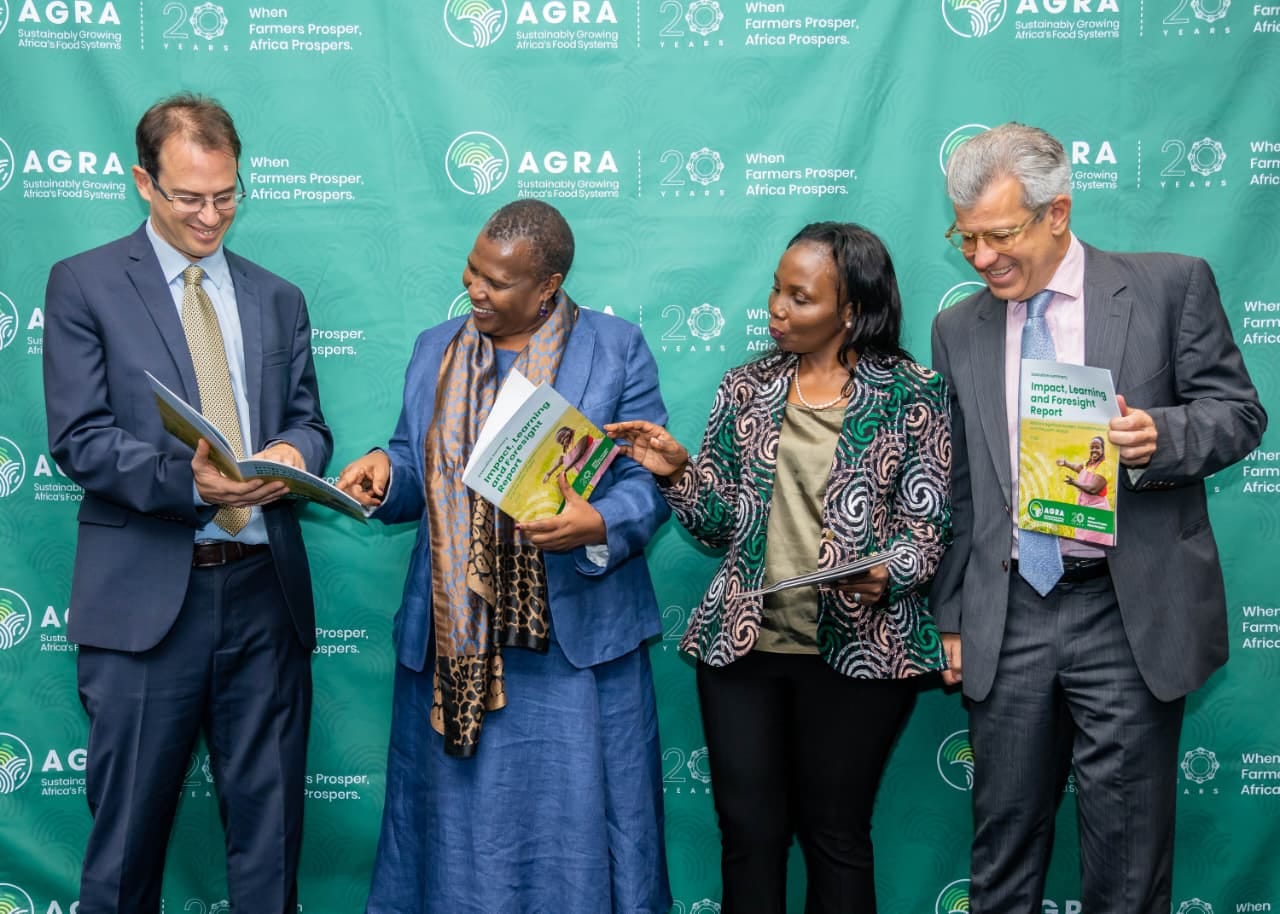
This core takeaway comes from AGRA’s Impact, Learning and Foresight Report 2026, published as the organization reflects on two decades of driving agricultural reform across Africa.
Unveiled on August 31, 2026, in Nairobi, Kenya, the report delivers a transparent review of the last 20 years. Since 2005, agricultural output across the continent has nearly doubled in real value, farmer earnings have doubled, and cereal yields have expanded by roughly 40%.
However, these advances remain insufficient to achieve the fundamental structural shifts required across Africa. Agricultural value added per African worker averages roughly US$1,500, lagging significantly behind the global benchmark of US$4,300. Furthermore, the continent’s agrifood sector confronts a US$180 billion yearly funding shortfall, which encompasses approximately US$65 billion in unfulfilled financing demand for small and medium agribusinesses.
Simply put, the momentum is positive, yet the pace remains inadequate. Consequently, AGRA@20 serves as much more than a routine milestone. It offers a pivotal opportunity to evaluate past successes, analyze shortcomings, and chart necessary course corrections for the next two decades.
The publication highlights three core constraints hindering African agricultural progress: the productivity trap, marked by depressed crop yields and heightened climate vulnerability; the value trap, wherein increased harvests fail to build durable commercial enterprises or reliable income streams; and the capability trap, characterized by fragmented alignment among institutions, regulatory policy, and capital investments.
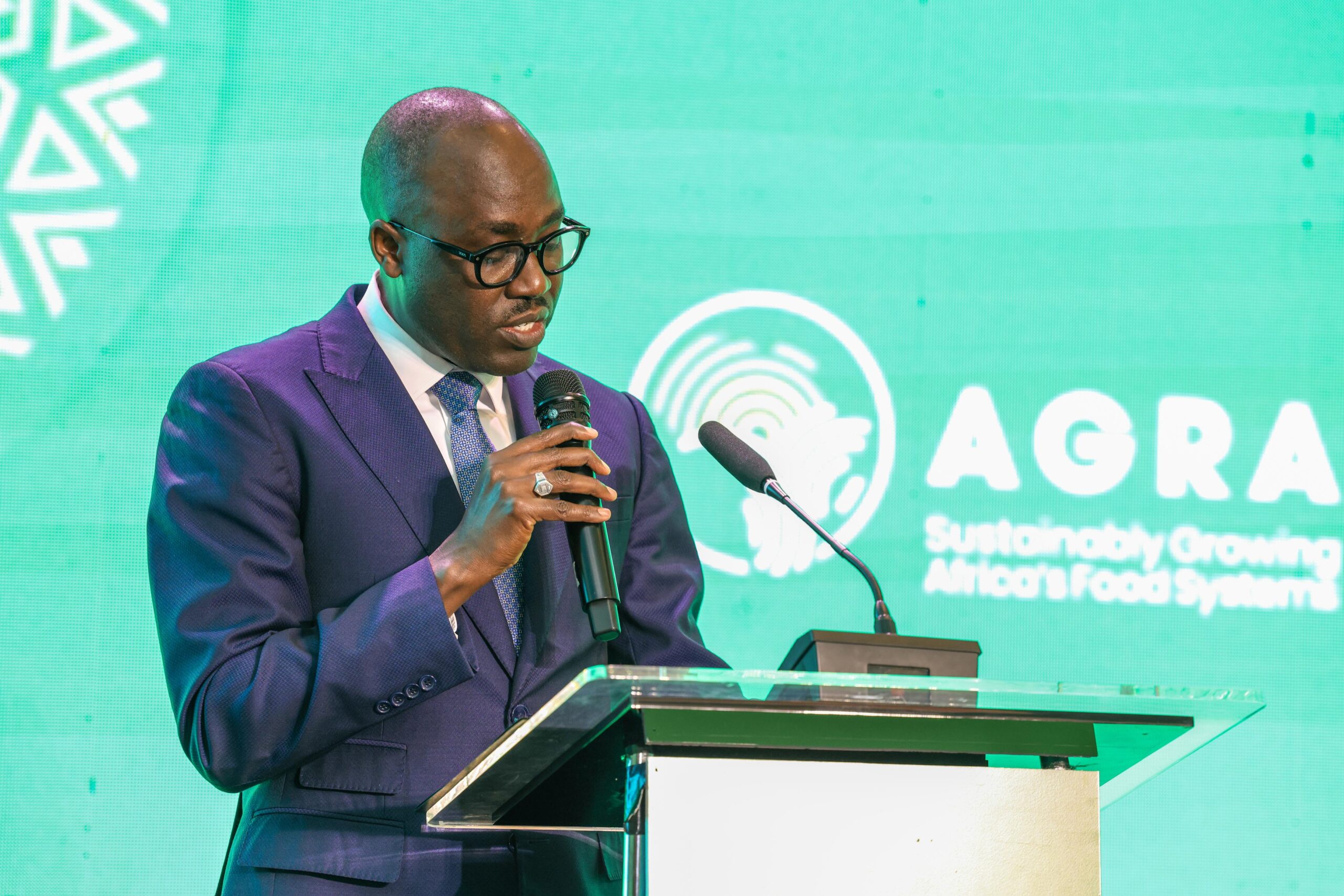
Speaking during the event, Kenya’s Principal Secretary for Foreign Affairs, Dr. Abraham Korir Sing’Oei, said this is why agricultural transformation cannot stop at the farm gate.
A farmer can produce more food and still remain poor if there is no reliable market, poor infrastructure or no buyer willing to pay a fair price.
“A farmer can increase yields and still remain poor if that additional production cannot reach a reliable market at a remunerative price,” Sing’Oei said.
The answer, he argued, must therefore include stronger regional trade, better infrastructure, predictable regulations and policies that allow farmers and agribusinesses to access larger markets.
There are already signs of what that could look like.
AGRA’s 2025 reporting highlighted US$12.8 million in Kenya-Ethiopia trade contracts, a reminder that agricultural transformation can extend beyond what happens on an individual farm and create opportunities across borders.
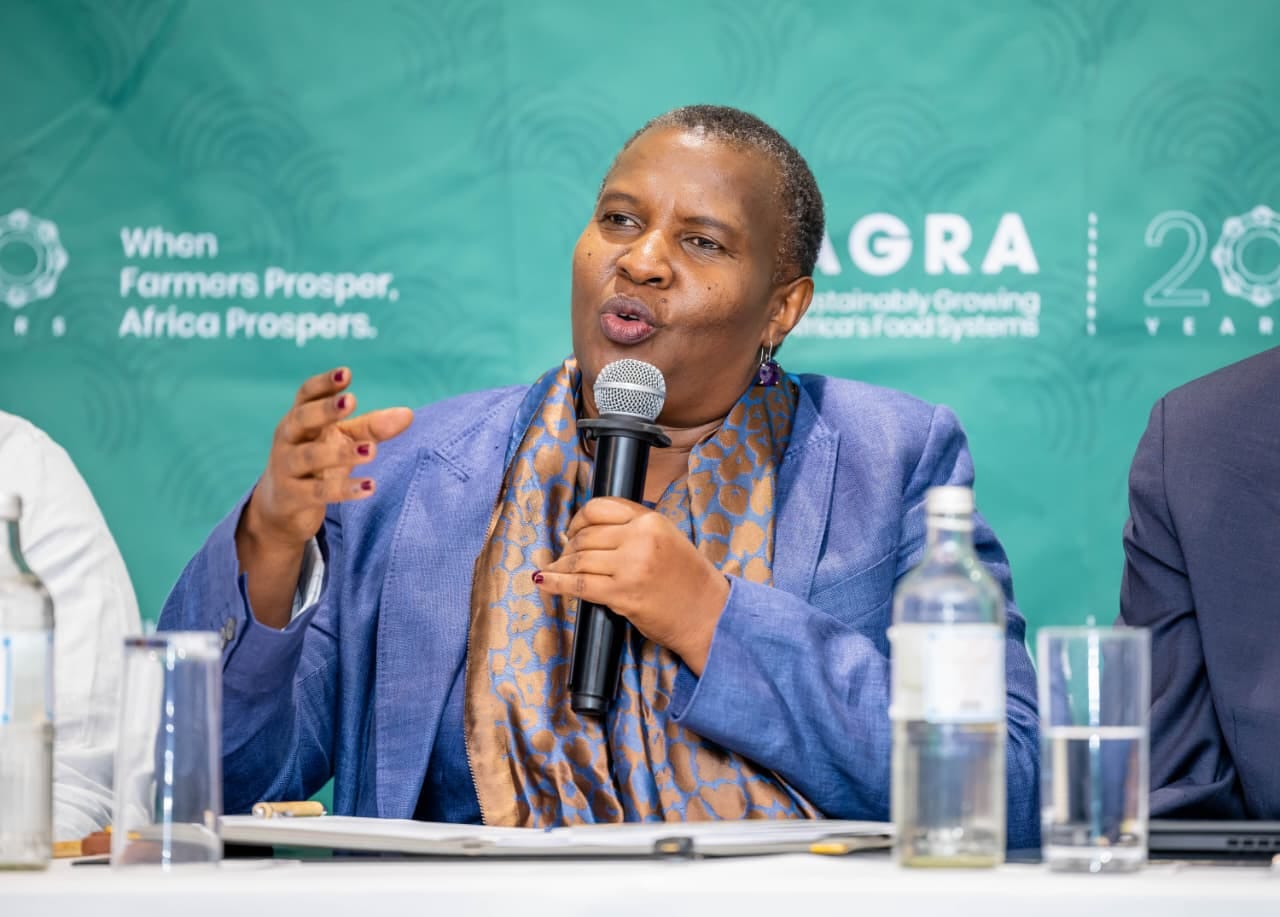
For AGRA President Dr. Alice Ruhweza, the lessons of the past 20 years point to one clear priority: Africa must now turn progress into income, resilience and opportunity.
“Twenty years of evidence show that Africa’s agrifood sector can move when the conditions are right. The task now is to turn that progress into income, resilience, dignity and opportunity for farmers,” Ruhweza said.
That shift is important because agriculture is no longer simply a question of producing enough food.
It is also about jobs, businesses, trade, climate resilience and the future of millions of young Africans.
The report estimates that more than 60% of African livelihoods depend on the agrifood sector, which generates nearly a third of the continent’s GDP. At the same time, Africa’s population could reach 2.5 billion by 2050, with about 1.5 billion people living in urban areas.
That means the pressure on African food systems is only going to grow. So will the opportunity.
The report further estimates that agrifood transformation could generate more than US$1 trillion in additional GDP by 2045 if the continent can overcome the barriers standing in its way.
But achieving that will require more than new seeds or higher yields. It will require farmers to have access to finance, reliable buyers, better roads and storage, stronger markets and policies that make it easier to do business.
It will also require governments, businesses, researchers, financiers and farmers to work together. That gap also has implications beyond the farm, according to H.E. Beyene Russom, Ambassador Extraordinary and Plenipotentiary of the State of Eritrea to the Republic of Kenya and Dean of the Diplomatic Corps in Kenya.
Speaking on behalf of the African Diplomatic Corps, he said agriculture is not just about food, but also about jobs, dignity, peace and the security of nations.
“When smallholder farmers thrive, communities are stable. When food systems are resilient, nations are secure.”
The message comes as Africa prepares to implement the African Union’s Kampala CAADP Strategy and Action Plan for 2026–2035, which targets US$100 billion in new resources, a 45% increase in agrifood output and a tripling of intra-African trade in agricultural goods.
The Targets are Ambitious
But perhaps the simplest measure of whether Africa is getting agriculture right will not be found in the size of its harvests or the number of tonnes produced.
It will be found in the lives of the people behind those numbers. Can a farmer earn a reliable income? Can a young person see agriculture as a business rather than a last resort? Can an African farmer produce for a market beyond their own village or even their own country?
Twenty years after AGRA was established around Kofi Annan’s vision of an African-led agricultural transformation, the continent has made real progress.
The next challenge is making sure that progress pays. Because ultimately, Africa’s agricultural transformation will not be measured only by how much the continent produces, but by how much income and opportunity reaches the people who produce it.