By Melisa Mong’ina
Nairobi, Kenya: The Higher Education Loans Board (HELB) and Universities Fund have urged students seeking government financial support for university and TVET education to complete their applications accurately and on time, warning that incomplete or incorrect applications could delay access to loans and scholarships.
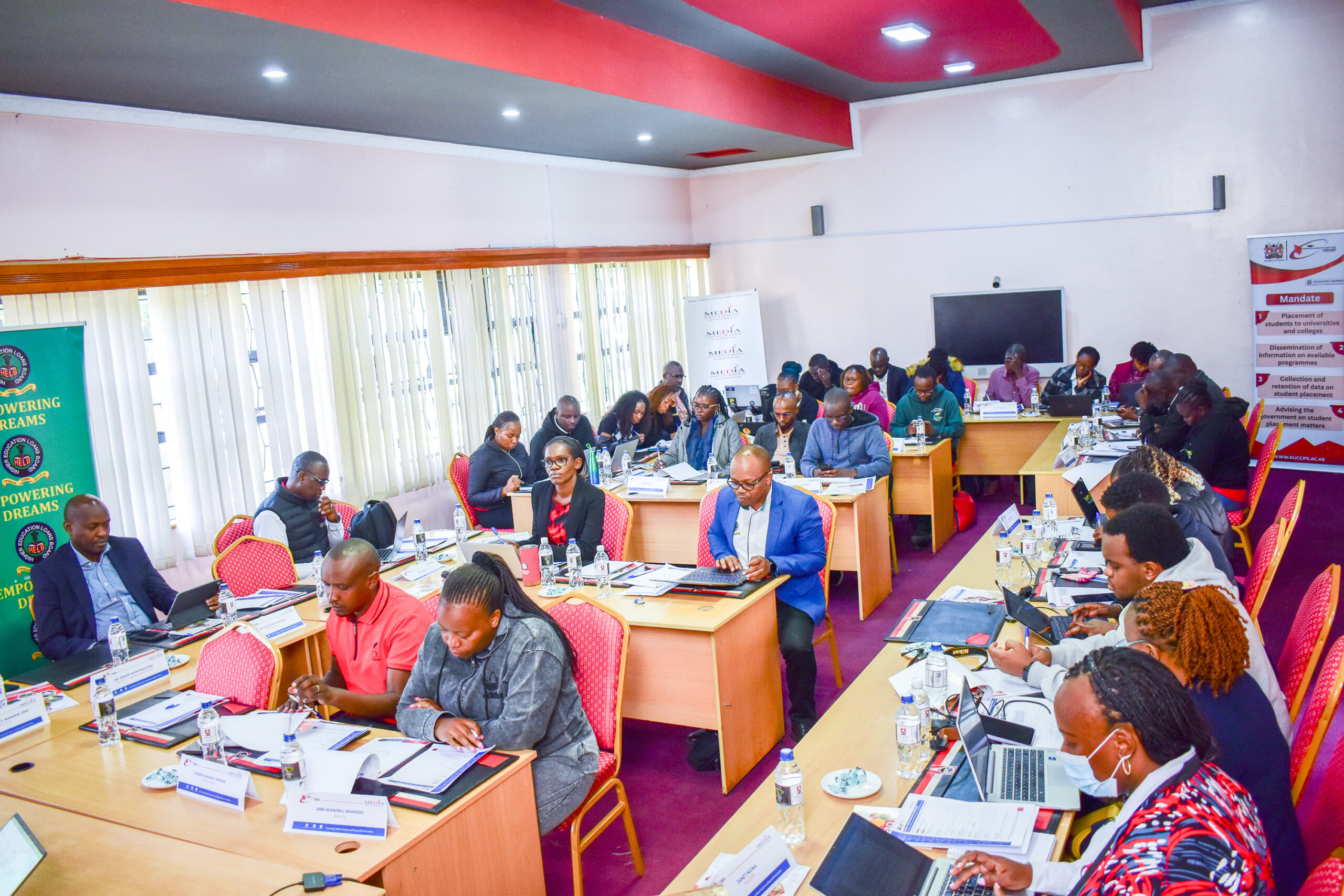
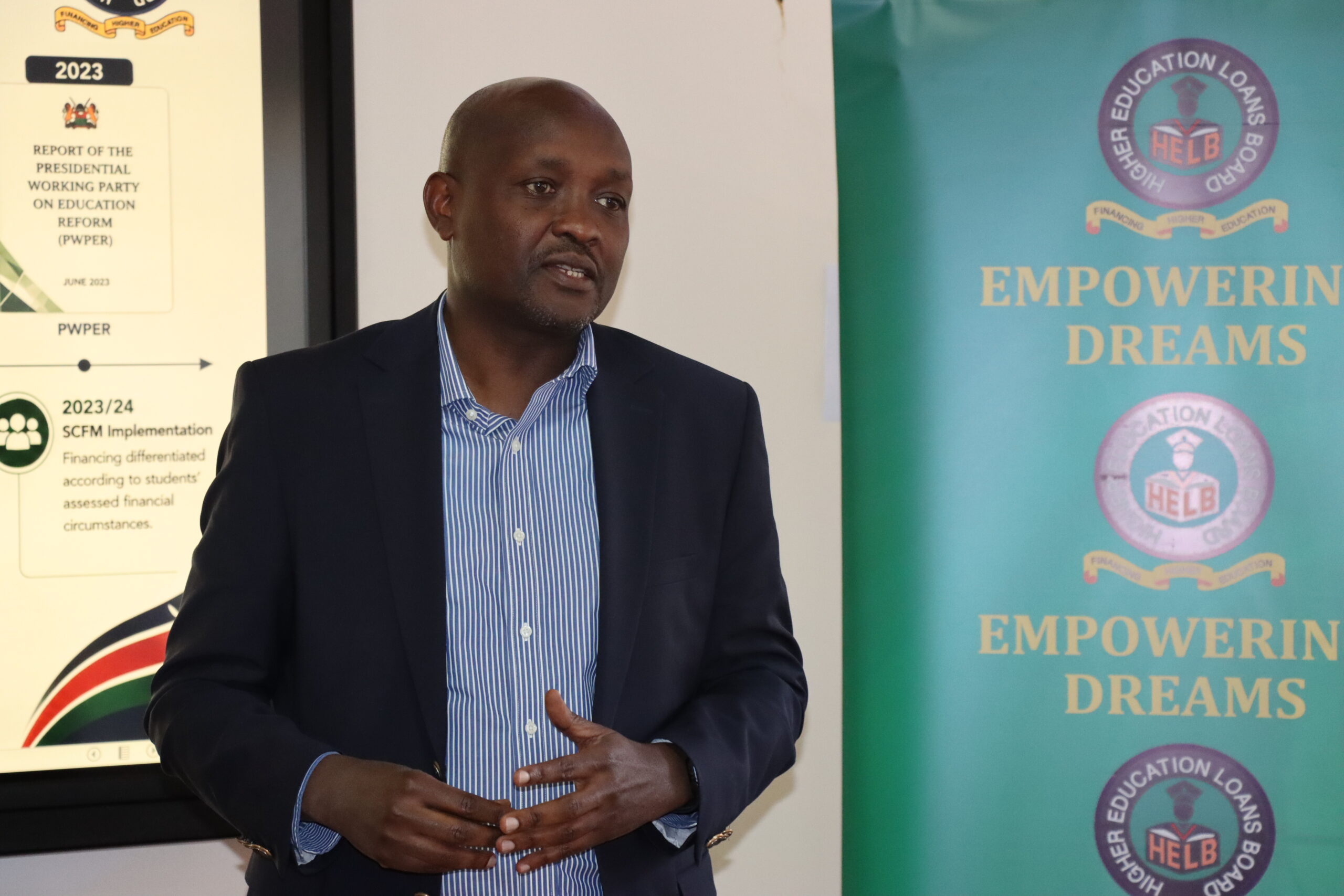
Speaking during a media sensitisation forum organised by Kenya Universities and Colleges Central Placement Service (KUCCPS) and Media Council of Kenya (MCK) in Naivasha, Geoffrey Monari, Chief Executive Officer of HELB reported that they have already processed loans and received applications from university and TVET students.
“We expect 1.2 million students to apply this financial year,” said Monari. “For first-time applicants, we have already received about 178,000 students who have already applied for their loans for the financial year 2026-27.”
He encouraged students seeking loans to apply through the Higher Education Financing portal at www.hef.co.ke.
As universities prepare to reopen, Monari noted that HELB had already disbursed funds to continuing students who had started reporting to their various institutions, while upkeep loans had also been released for students expected to report. He noted that further payments would continue as students report to their institutions.
Since its inception, HELB has supported nearly two million students, with about 681,000 beneficiaries currently repaying their loans. Monari said approximately 272,000 students are in default, with the outstanding amount standing at KSh25 billion.
“We urge these students to start repaying their loans because this is a revolving fund. Previous beneficiaries should be able to repay their loans so that we can be able to support current students,” he emphasized.
Monari identified several challenges affecting the processing of student applications, including incomplete application, the submission of inaccurate information, incorrect telephone numbers when applying for upkeep funds, and issues with bank-accounts.
Despite these challenges, he noted that following Cabinet approval, students aged 18 and below who do not yet have national identification cards can apply using their index numbers.
Dr. Edwin Wanyonyi, Acting Chief Executive Officer of the Universities Fund, said the Fund has been able to support both public and private universities. In private universities, students are supported under the government-funded model, while students in public universities are supported under the student-centred funding model.
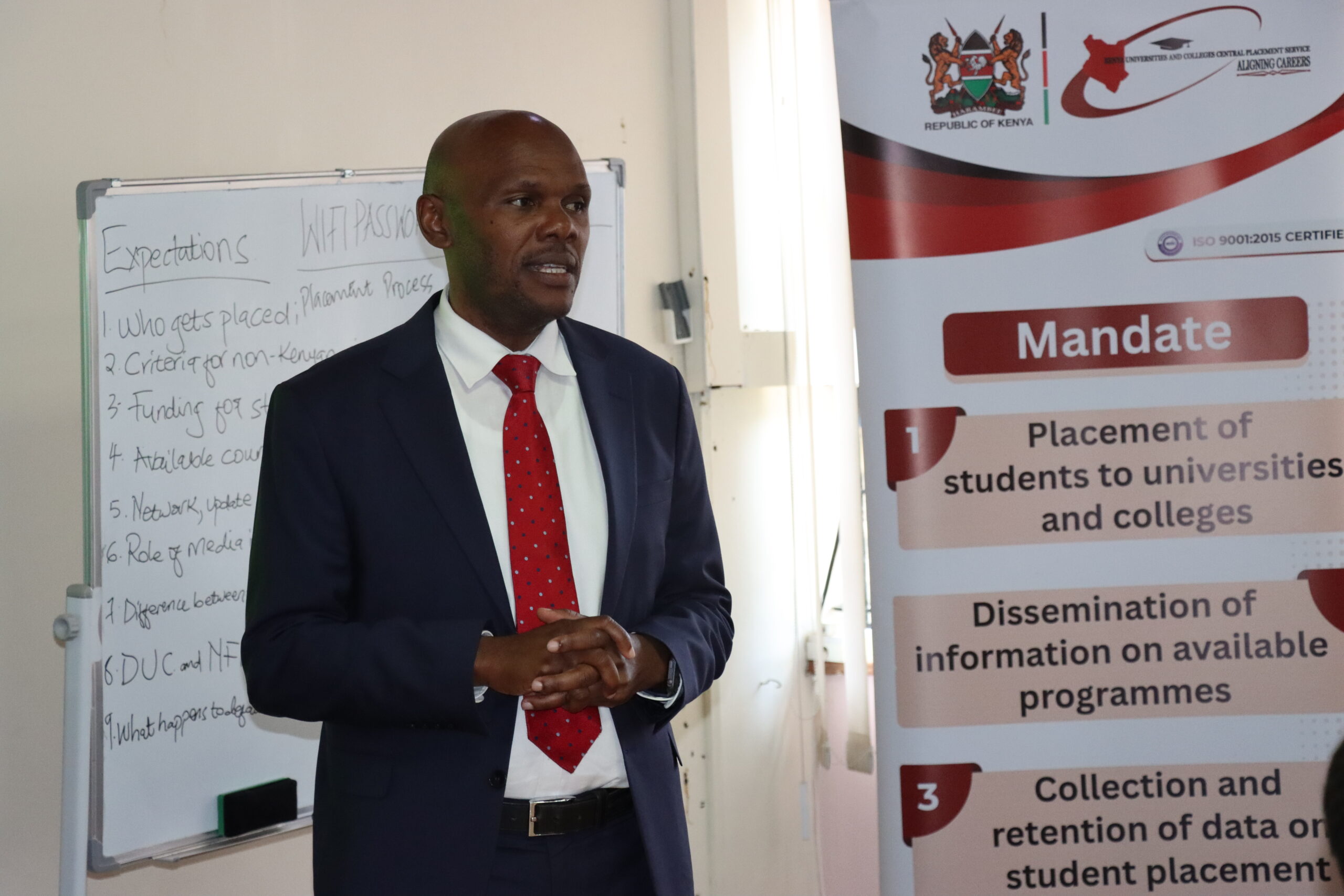
He stressed that students should pay close attention to the options they select during the application process, noting that some choose only the loan component and fail to select the scholarship option.
“We encourage students to make sure that they are very careful during the application process. They should also remember to choose both loan and scholarship options so that they can access the full government support,” said Dr. Wanyonyi.
Students and their parents are encouraged to begin the application process early rather than waiting until the deadline. Dr. Wanyonyi emphasised that the application is individual and needs-based; therefore, students should not apply as a group.
“At the moment, it’s based on your needs and so we look at all the parameters,” he added. “We require parents to assist their students and ensure that they are thorough in the application process so that they get the maximum level of support that they require.”
Dr. Agnes Mercy Wahome, Chief Executive Officer of KUCCPS, called on journalists and other communicators to focus more on the people and communities affected by education initiatives.
She underscored the importance of stronger feature writing and human-interest reporting, saying such storytelling would help audiences better understand the real-life impact of education programmes.
“Because behind every programme, statistic and success story is a human story worth telling,” she said. “We want to build journalists’ capacity in storytelling and feature writing, radio presentation, and other areas identified working closely with the Media Council of Kenya.”