|
Getting your Trinity Audio player ready...
|
By Benard Odhiambo
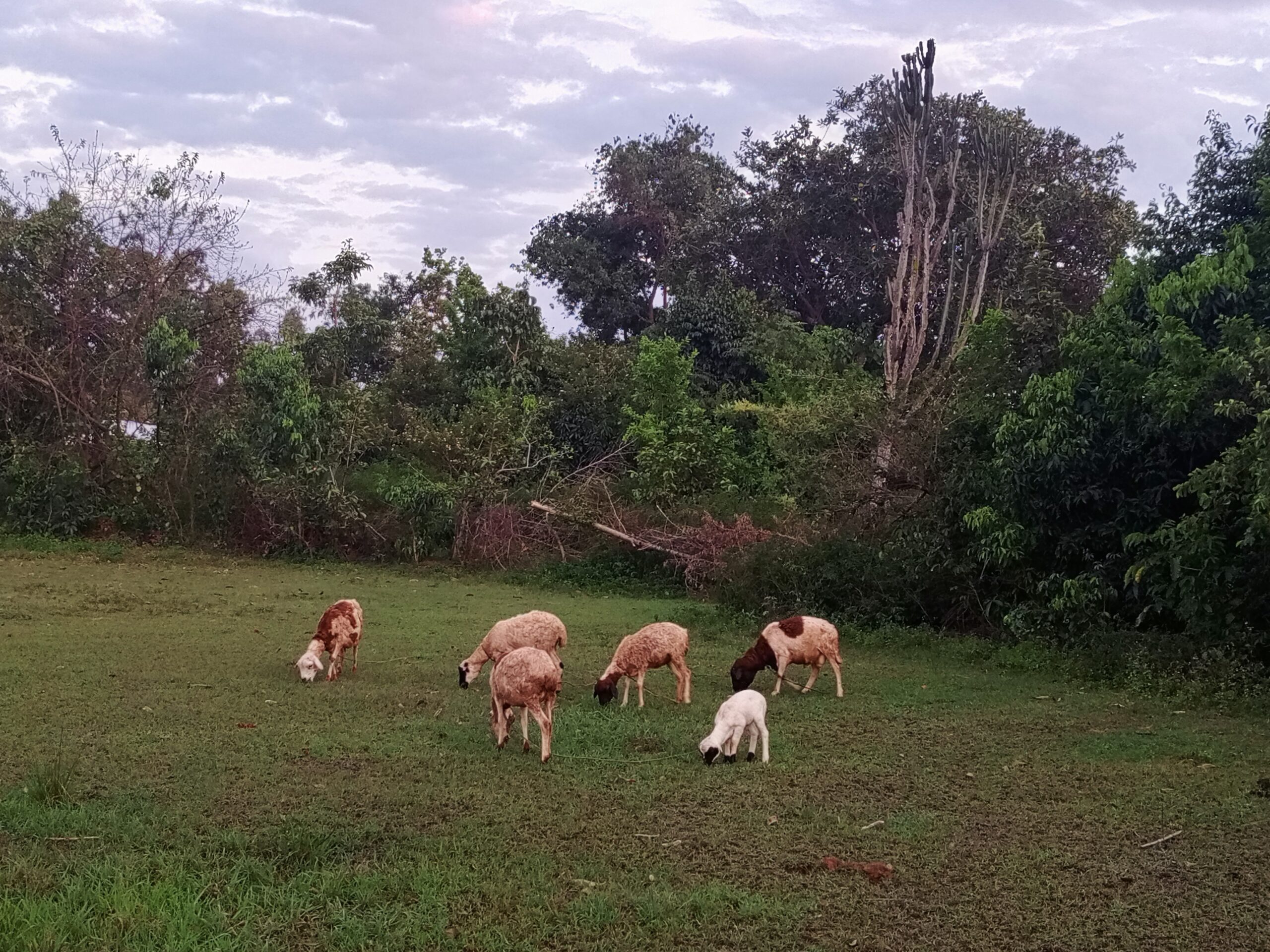
Nairobi, Kenya: Spend a few minutes talking to any smallholder farmer in rural Kenya, and they will tell you the same thing. The weather isn’t what it used to be decades ago. For millions of families across Africa, livestock is the family bank account, the grocery store, and the safety net all rolled into one.
Under the Ministry of Agriculture and Livestock Development, the Kenya National Livestock Research Agenda (2025-2025) identifies the livestock sub-sector as a major contributor of household earnings through the sale of livestock and livestock products, besides providing raw materials for agro-based industries.
The agriculture sub-sector also employs approximately 40% of the total population and 70% of the rural population, according to the Central Bank of Kenya’s Agriculture Sector Survey, 2024. As a result, it contributed immensely to the increase in earnings from livestock and livestock products, from KSh 232.3 billion in 2024 to KSh 269.4 billion in 2025.
The 2026 Economic Survey attributes this growth to rising values in cattle and calves, goats and sheep and poultry products. These factors position the sector at the centre of Kenya’s economic prosperity, contributing approximately 12% of the Gross Domestic Product.
Despite these indicators, there is an uncomfortable reality that we have to talk about. Our livestock herds are caught right in the middle of the global climate debate. One that proposes a reduction in the size of herds as the best solution to reducing the effects of animal emissions and manure.
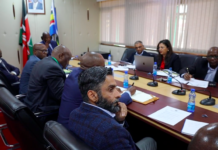
Walking through the conference halls and exhibition booths at the 2nd KALRO Scientific Conference and Innovation Expo earlier this week, the tension was obvious. On one hand, livestock production drives emissions through direct animal emissions and manure.
On the other hand, our farmers are the ones taking the hardest hits from a constantly changing climate. The real problem is that we are trying to fix a local African crisis using imported data.
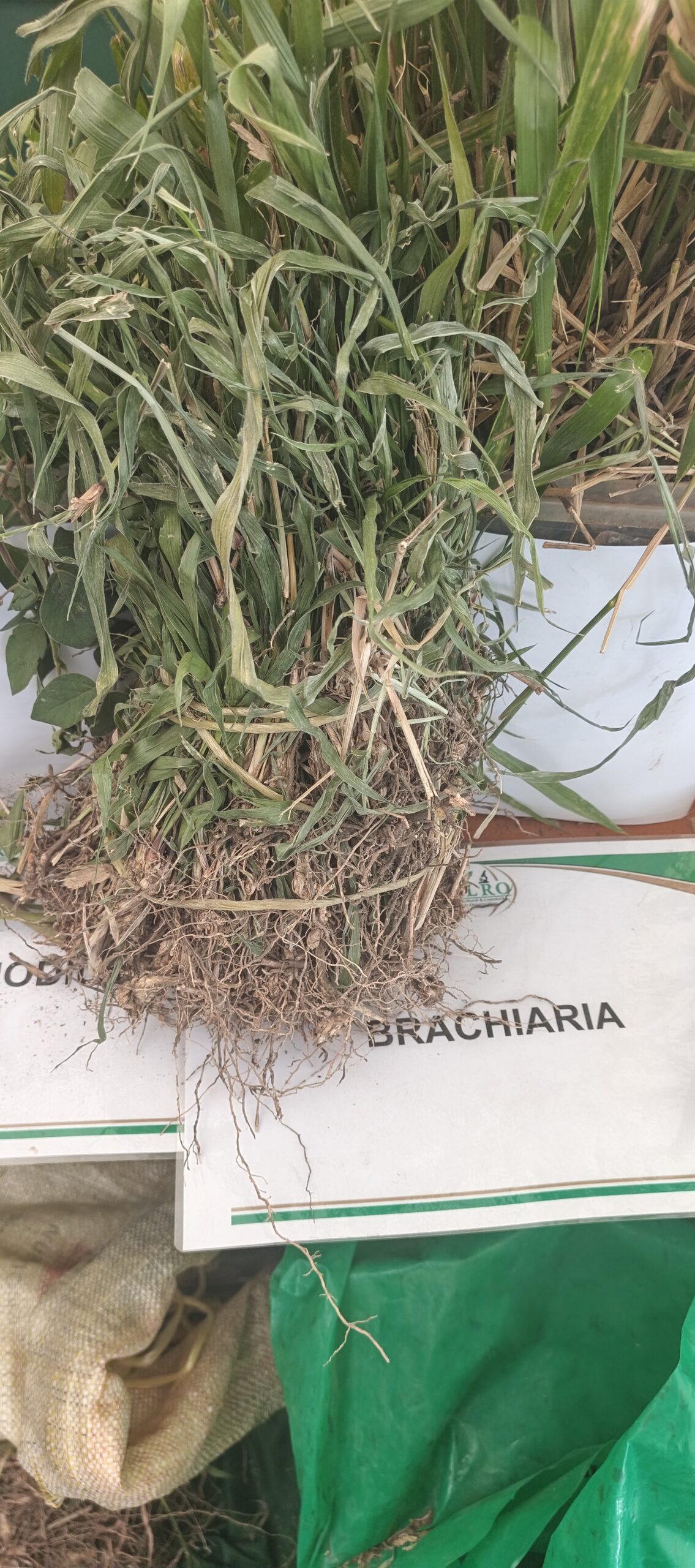 African governments have made big promises to cut emissions under global climate pacts. It is regrettable, however, that we don’t actually have accurate, local data on what our cows, goats, and sheep are emitting. For decades, the global models used to track agricultural emissions have been built on data from Europe and North America, thereby informing the discourse on how to deal with the emissions.
But a massive, climate-controlled dairy farm in the West looks nothing like a pastoralist herd moving across Marsabit County, or a smallholder setup in Sino Kagola village in the County of Homa Bay. The feeds, the breeds, the management, the technology, and the weather are worlds apart. When we rely on these generalized global estimates, our calculations are bound to be wrong.
Without solid, local numbers, our policymakers are basically guessing. Even worse, because we cannot accurately measure our footprint, African farmers get locked out of carbon markets and global climate funding. We simply cannot claim rewards for fixes we can’t prove.
Beyond the numbers
Yet, as the conversations at the KALRO expo made clear, a data imbalance is only half the battle. You can have the most flawless scientific data in the world, but data does not feed an animal. The true bottleneck on the ground is the technology adoption gap; the immense friction farmers face when trying to turn lab-backed science into daily farm practices.
We know this because we at Mifugo Center have lived it. As a social enterprise startup that is barely two years old, we got a harsh baptism by fire in late 2024 when the pasture supporting our center completely dried up and our borehole water levels dropped drastically.
Forced to buy several jerricans of water alongside expensive commercial forage, we tried establishing *Azolla* as an alternative, climate-resilient feed. We honestly struggled with the setup under the immense stress of the dry spell, learning firsthand that adopting new agricultural innovations in the middle of a climate crisis is incredibly difficult.
Our struggle mirrors the broader systemic pressures detailed by ILRI’s Mazingira Centre. More frequent droughts drive up operational costs while minimizing yields. Extreme heat causes milk and meat production to plummet, and shifting weather patterns introduce costly new pest and disease risks.
Practical, win-win solutions
Climate adaptation cannot be treated as a luxury or a distant policy goal; it is an immediate survival strategy. When we invest in localized data, it shouldn’t just be to satisfy international reporting, it must be used to deploy practical, “win-win” solutions that protect the environment while keeping farmers profitable.
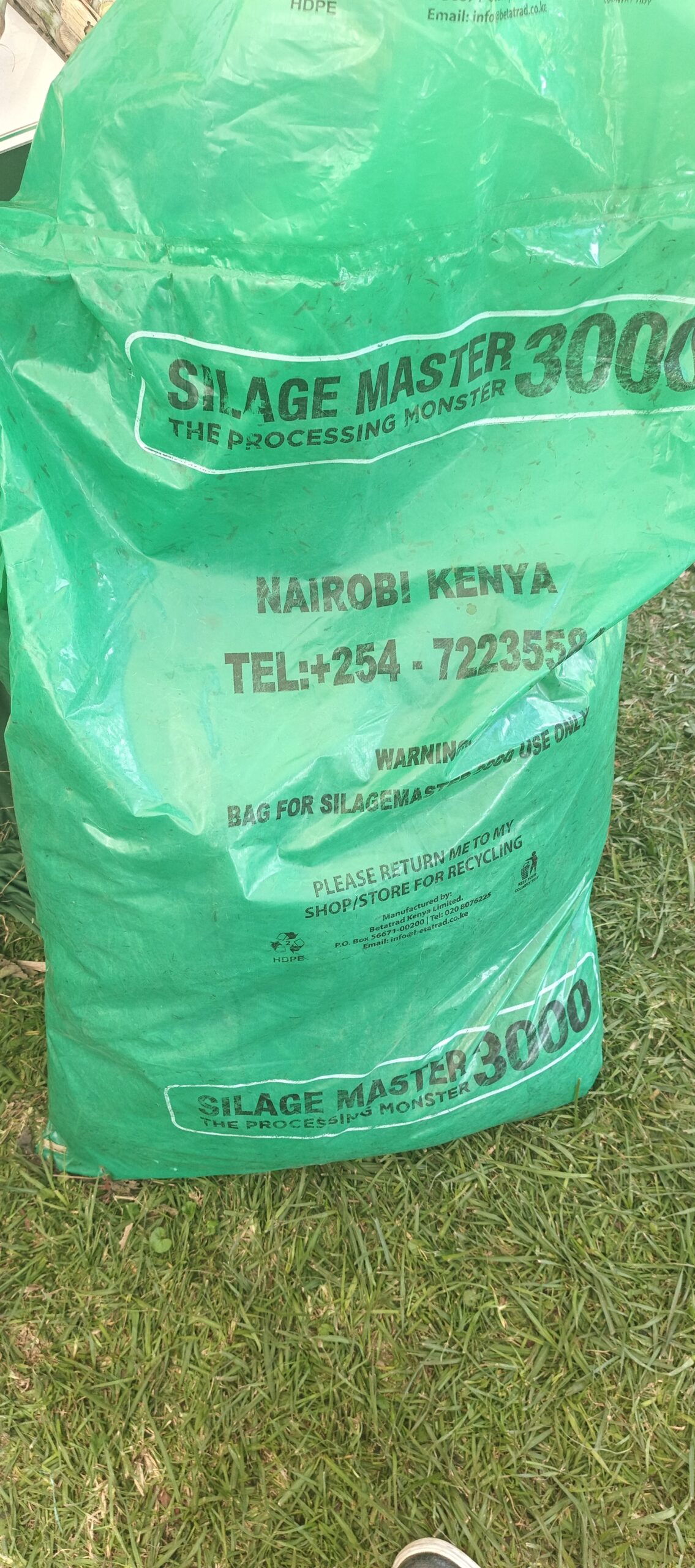 Proven frameworks highlight clear steps we can take today, such as improving feed quality to cut direct animal emissions while boosting milk yields. Rotating pastures through smart grazing routines allows the soil to recover and keeps fields resilient against drought. Better manure management is another massive opportunity.
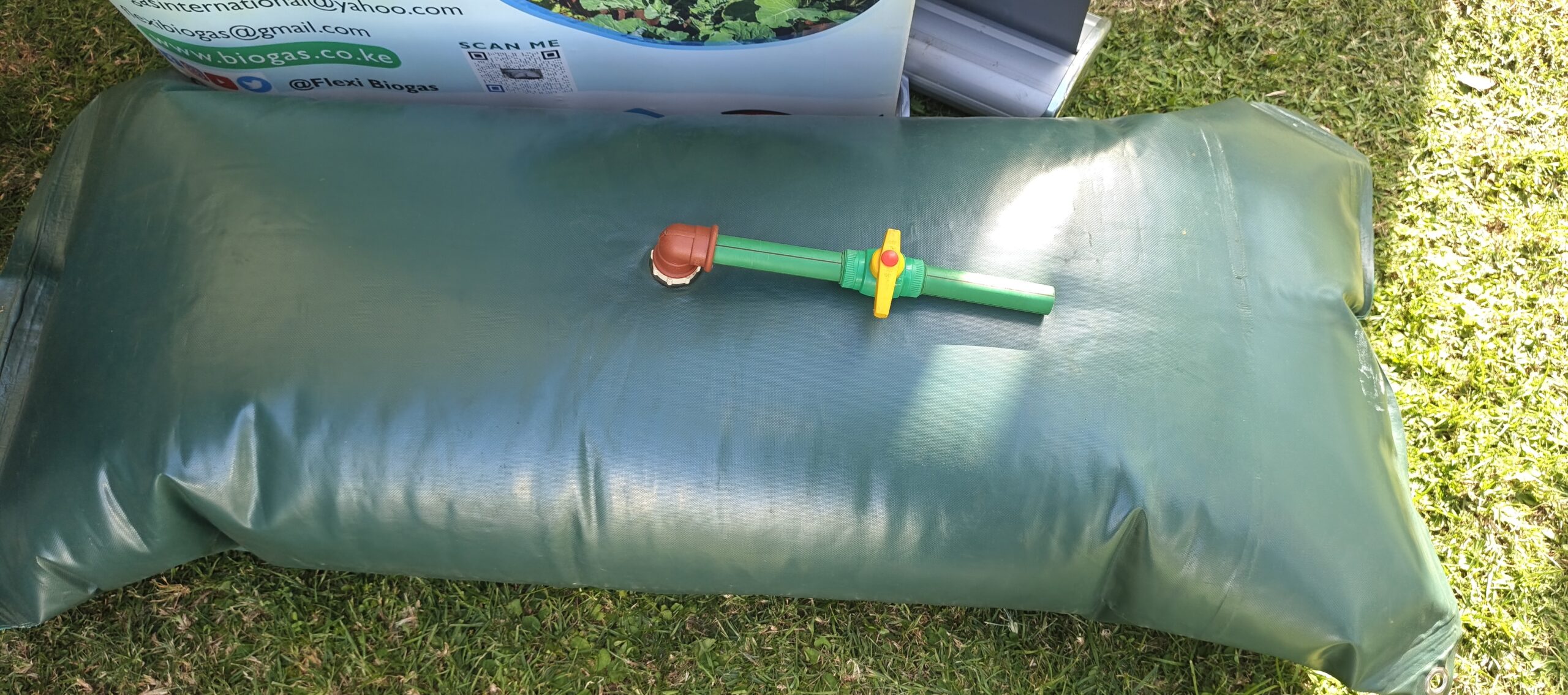
Instead of letting waste sit, piping it into biogas units creates a clean, renewable energy source that directly reduces a household’s reliance on firewood and paraffin. By clearing the smoke out of rural kitchens, this simple agricultural shift translates directly into vastly improved health outcomes for the entire family.
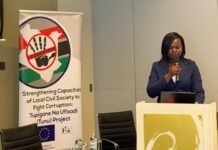
Indeed, Kenya’s agricultural potential remains huge. In his opening remarks at the onset of the Conference, Dr. Patrick Ketiem KALRO Director General emphasized on the need to invest more on the practical research that can effectively address the pressing needs of farmers and key stakeholders in the sector.
Bridging the data translation gap
This brings us to the final, and perhaps most critical, missing link: communication. Africa has brilliant agricultural researchers, but their breakthroughs too often remain trapped in academic documents and conference halls, far away from the actual rural homes. This is precisely why the Mifugo Center exists.
With expertise both in communications and agricultural economics, we are driven to use those skill sets to bridge the information gap. Our value-add is translating dense, complex scientific data from platforms like the KALRO expo into simple, jargon-free, actionable insights that a farmer in Sino Kagola can confidently use.
 True progress, however, must move both ways. While we translate big science downward, Mifugo Center is actively documenting local, indigenous practices and gathering ground-level research to push information upward. Institutions like KALRO and ILRI need real-world field observations to fix the data gap and build models that actually reflect African farming.
By serving as the bridge between the research lab and the smallholder farm, our young startup aims to ensure that climate solutions are built on lived realities; helping to shape a livestock sector that doesn’t just survive the changing climate, but actively thrives in it.
The writer Benard Odhiambo is the Founder of Mifugo Center