

|
Getting your Trinity Audio player ready...
|
By Winnie Kamau
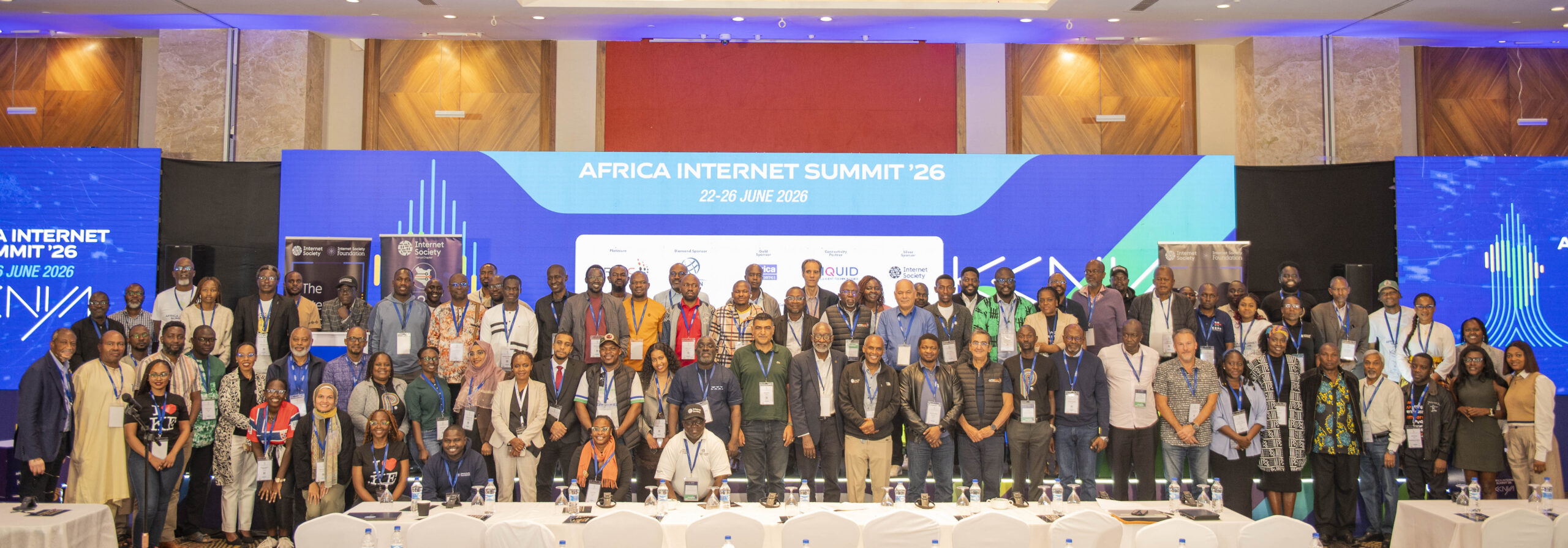
Nairobi, Kenya: The air in Nairobi carried a particular kind of energy this June. From 22 to 26 June 2026, the Kenyan capital played host to the Africa Internet Summit 2026 #AIS’26 welcoming the continent’s internet community, regional partners, technical experts, policymakers, and digital rights advocates under one roof for five days of conversation that mattered.
The theme dubbed “Shaping Africa’s Internet Future Through Collaboration, Innovation, and Resilience” was not merely a banner on a wall. By the close of the week, it had become a living framework, tested and refined through every keynote, workshop, policy session, and corridor exchange that defined the summit.
From quantum security to digital sovereignty, the Africa Internet Summit 2026 delivered a week of honest dialogue, hard questions, and shared resolve.
The following insights were compiled from both remote and in-person attendance at the Africa Internet Summit, marking its significant return after a hiatus lasting more than nine years.
Setting the Stage: Newcomers Session and Morning Orientation
Before the main programme opened, the summit welcomed first-time participants with a dedicated Newcomers Session, a generous and practical orientation into the world of internet governance. Brice Abba, Stakeholder Development Manager, guided new participants through the architecture of the global internet ecosystem, the history and role of Regional Internet Registries (RIRs), and the workings of AFRINIC’s Policy Development Process as a bottom-up, community-driven initiative.
For many newcomers, this session was transformative. It gave them the language, the context, and the confidence to engage meaningfully with the week’s more technical and policy-heavy sessions. It was a reminder that the internet governance community grows strongest when it actively brings new voices into the conversation, rather than assuming they will find their own way in.
Af* Community Day: Strength, Recovery, and Continental Ambition
The official Af* Day opened with a Roll Call led by none other than Prof. Nii Narku Quaynor is widely regarded as the father of the African internet who set the tone for the day by celebrating the resilience of the community in the face of recent institutional challenges. His presence alone was a reminder of how far Africa’s internet community has come, and how much remains to be built together.
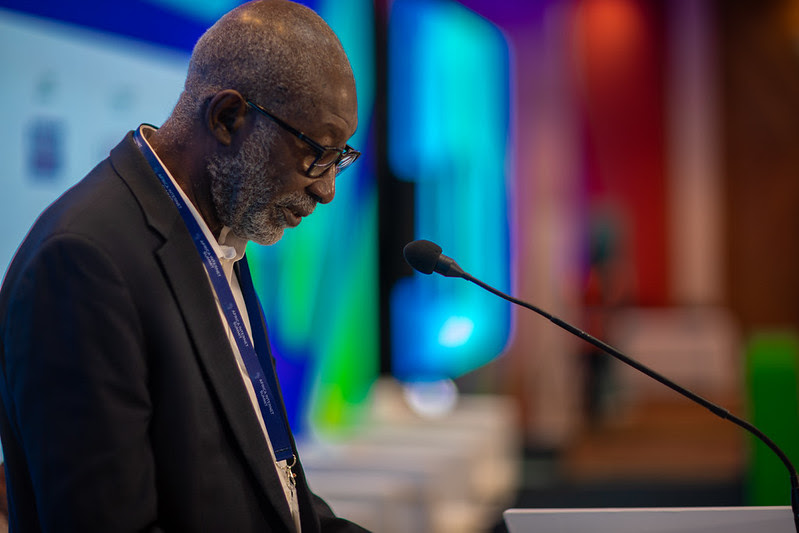
What followed was a remarkable series of rapid-fire updates from across the Af* family, each demonstrating the depth of growth, recovery, and ambition spreading through the continent’s technical ecosystem.
Opening Keynote: Building Africa’s Internet on Africa’s Terms
The stage was set by an inspiring Opening Keynote from Ms. Tripti Sinha, CEO of Internet2 and Chair of the ICANN Board. Her address was both visionary and grounded, challenging the community to think carefully about what kind of internet Africa is building and for whom.
Ms. Sinha emphasised that Africa’s internet future must not be an imported replica of frameworks designed elsewhere. Instead, it must be a locally driven ecosystem built on Universal Acceptance and enabling local languages to function natively online, supported by resilient National Research and Education Networks (NRENs), and powered by collaborative innovation that draws on Africa’s own talent, creativity, and institutional knowledge. Her keynote drew sustained applause and set an ambitious tone for the days that followed.
The Opening Ceremony: Kenya Welcomes the Community
Dr. Fiona Asonga, representing TESPOK and the local host team, welcomed delegates to Nairobi with pride and warmth, praising Kenya’s collaborative digital environment and reminding participants to stay safe and enjoy the city’s vibrant culture during their stay.
Mary Kerema from the Kenya Ministry of ICT issued a direct and powerful challenge to the assembled community “Africa must complete the transition from being a consumer of technology to becoming a creator” she said.
Kerema also highlighted Kenya’s ambitious digital superhighway initiative as evidence of what is possible when political will, investment, and technical community align, but she was equally insistent that all of this must be underpinned by security by design. Building digital infrastructure without building security into its foundations is not progress, she argued. It is risk deferred.
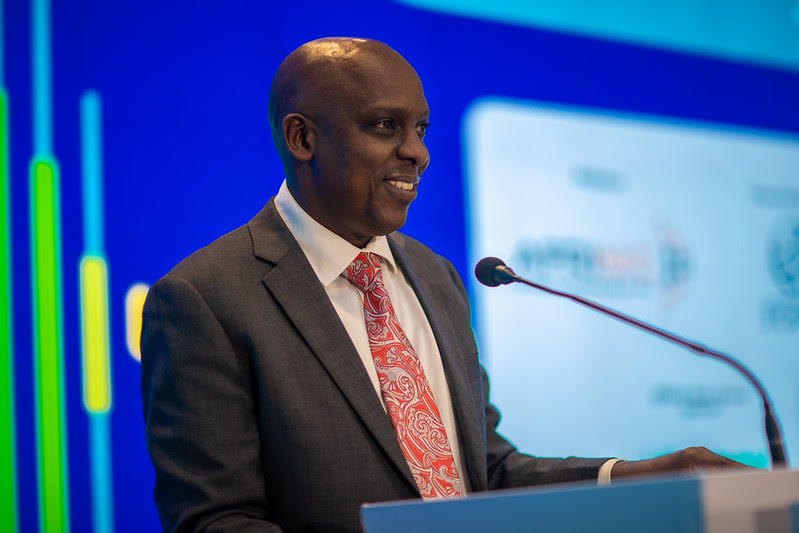
Director General of the Communications Authority, David Mugonyi added a striking statistic to the conversation: “Kenya now counts 84.1 million mobile subscriptions”. He used the platform to issue a vital call for African governments to actively protect and support regional institutions such as AFRINIC recognising that the governance of internet resources is not just a technical matter but a geopolitical and developmental one.
Mr. John Omo, Secretary-General of the African Telecommunications Union, closed the ceremony’s opening addresses with a pointed observation: resilient internet infrastructure depends directly on regulators, operators, and technical experts working hand in hand. The silos between these communities, he argued, are a luxury Africa can no longer afford.
Strength in Numbers: Updates from the Af* Family
The African Network Operators Group (AFNOG) reaffirmed its foundational commitment to technical capacity building. Nancy Dotse of AFNOG announced the return of full physical workshops in 2027, a development warmly welcomed by the community after years of disrupted in-person programming. AFNOG also highlighted recent achievements in online and in-person CERT training, reinforcing its role as a cornerstone of Africa’s technical education ecosystem.
Af-IX — Ten Terabytes and Counting
The African Internet Exchange (Af-IX) community led by Muhammed Rudman celebrated major milestones during the Af* Day. African IXPs now collectively support over 10 terabytes of capacity, a landmark figure that reflects years of patient community investment in local interconnection. Af-IX also confirmed that the upcoming AfPIF — Africa Peering and Interconnection Forum is slated for Kigali, Rwanda, and urged all operators and network engineers to register and participate.
AFCHIX — Empowering 35,000 Technical Women by 2029
Dorcas Muthoni of AFCHIX unveiled a visionary roadmap to support 35,000 women in technology throughout Africa by 2029. This objective will be realized via organized mentorship initiatives and the establishment of tech clubs at universities across the region. The precision of their strategy underscores a commitment to constructing the necessary community foundations to reach these high-reaching targets.
AfTLD — Strengthening Africa’s Domain Name Ecosystem
Barack Otieno delivered the AfTLD update, announcing the relaunch of their registry operations courses and the activation of key Memoranda of Understanding to drive ccTLD growth across the region. AfTLD, the regional association for Africa’s country code Top-Level Domain registries, represents 35 member ccTLDs and has trained over 3,000 professionals to date. The organisation continues to work closely with AFRINIC, ICANN, AFNOG, and the Internet Society.
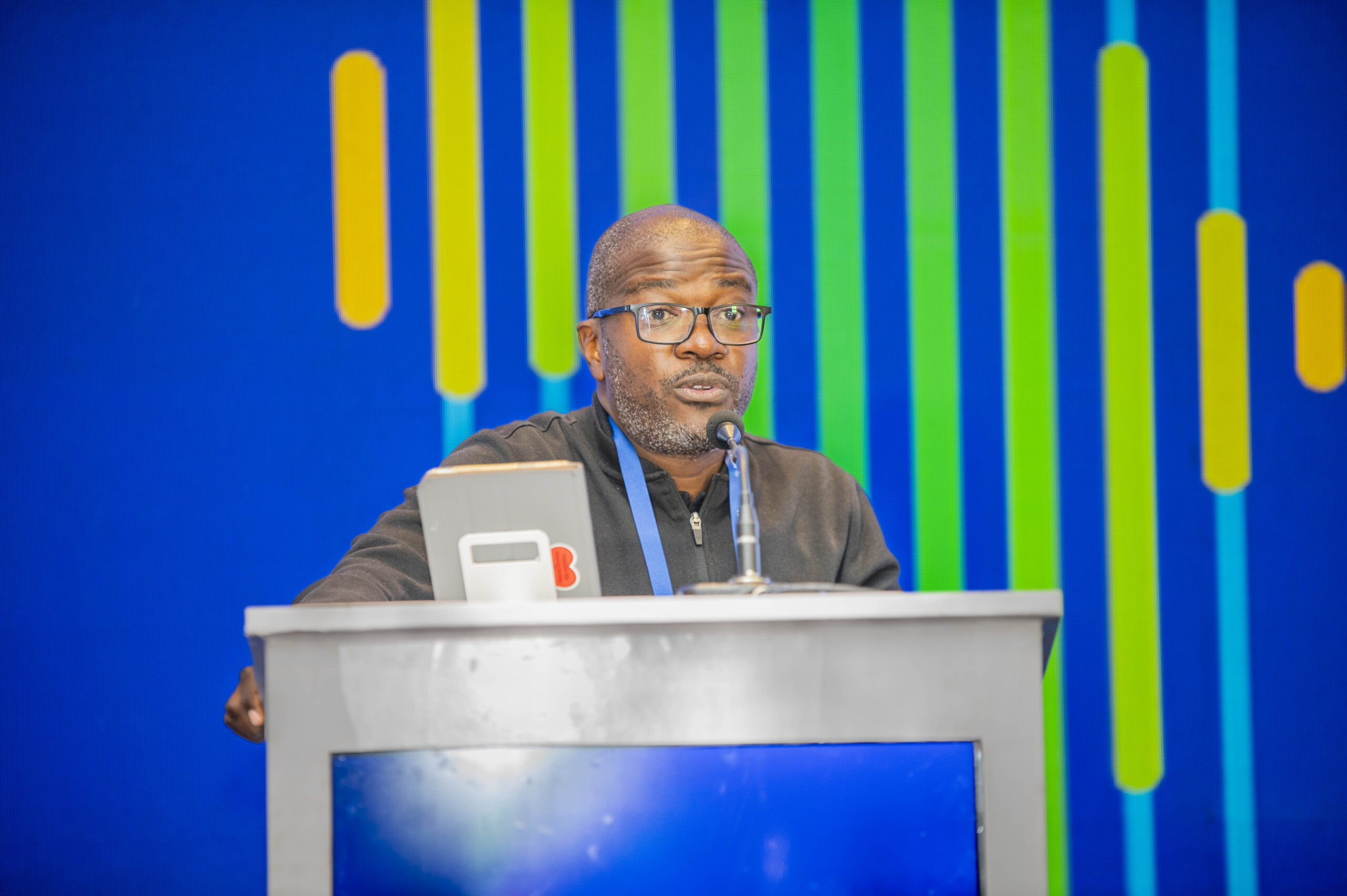
Looking ahead, the newly elected AfTLD Executive Committee will focus on relaunching registry training programmes, implementing strategic partnerships, supporting the Africa DNS Forum, and significantly increasing African participation in ICANN’s ccNSO — ensuring that African perspectives are embedded in global domain name policy discussions.
DotAfrica — 58,000 Registrations and Growing
Lucky Masilela spoke on behalf of DotAfrica, highlighting the continued organic growth of the .africa domain, which has now reached approximately 58,000 registrations and remains one of the strongest-performing geographic top-level domains globally.
He noted ongoing efforts to expand accessibility through Arabic and Amharic script versions of .africa as an important step toward Universal Acceptance though these could not be pursued in the current gTLD round due to application requirements.
He also highlighted the success of the DotAfrica Pioneer Programme, which provides sponsored .africa domain names to NGOs and philanthropic organisations across the continent to enhance their digital visibility and presence.
Additionally, DotAfrica recently participated in a Universal Acceptance event and hackathon at the University of Pretoria, aimed at promoting awareness, adoption, and usability of .africa and other domain extensions across the internet ecosystem.
AFRICA CERT — AI for Cybersecurity
AFRICA CERT, the continent’s computer emergency response coordination body showcased two significant developments. Delivered by Marcus Adomey the launch of new advanced training courses focusing on artificial intelligence applications for cybersecurity a forward-looking curriculum that recognises how dramatically the threat landscape is evolving.
 Second, AFRICA CERT unveiled a highly requested secure communications platform for members, addressing a long-standing need for protected channels within the African cybersecurity community.
AFREN — Connectivity for Research Cannot Wait
The African Research and Education Network (AFREN) Dr. Venant Palanga stressed the critical importance of reliable, high-quality internet connectivity for research institutions across the continent. Dr. Venant called for greater collaboration across the sector, pushing back against market dynamics that pit research networks against commercial operators in unfair competition. Research and education connectivity, AFREN argued, serves a public good that the market alone cannot adequately provide.
AFRINIC — Organisational Recovery and Renewal
Perhaps no update carried as much weight as that of AFRINIC itself. James Chirwa delivered a triumphant account of organisational recovery following what has been a turbulent period for the Regional Internet Registry. In 2026 alone, AFRINIC successfully onboarded 80 new members, distributed over 100,000 IPv4 addresses, and moved forward with a newly constituted board. The update was received with visible relief and genuine celebration by the assembled community — a sign of just how much AFRINIC’s stability matters to everyone in the room.
ICANN — Capacity, DNSSEC, and the New gTLD Opportunity
Pierre Dandjinou outlined ICANN’s current priorities for the African region, centring on capacity development, the ongoing DNSSEC roadshow series bringing domain name security awareness to more African operators and registries, and an encouraging call for African participation in the upcoming new gTLD application round. The message was clear: Africa has a seat at the table in the global domain name system, but it must actively choose to occupy it.
ISOC — Tools, Funding, and Community Connectivity
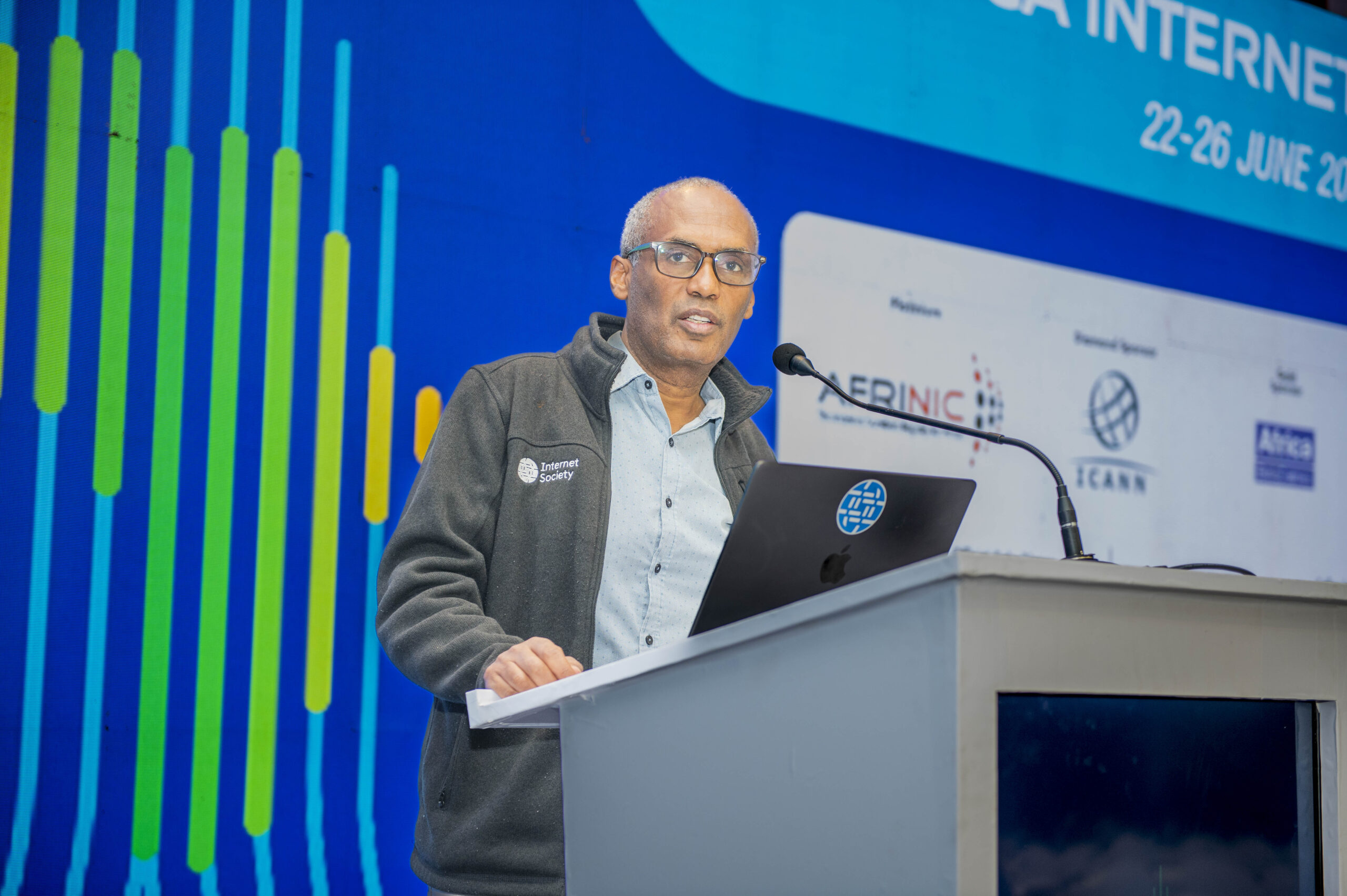
Kevin Chege presented on behalf of the Internet Society, introducing powerful new tools including the Pulse platform which enables data-driven monitoring of internet health indicators and the Open Fiber Data Standard, designed to support open infrastructure development. ISOC also highlighted available funding opportunities for community-centred connectivity projects, reinforcing the organisation’s practical commitment to getting more people online across the continent.
ICANN Day: Africa’s Voice in the Global Domain Name System
ICANN Day provided dedicated space to explore Africa’s relationship with the global domain name system in greater depth. Conversations ranged from the technical to DNSSEC implementation, registry operations, and ccTLD management to the strategic, examining how Africa can engage more meaningfully in ICANN’s multistakeholder processes and ensure that the continent’s languages, cultures, and communities are represented in the systems that name the internet.
A central theme was Africa’s engagement in the New gTLD Programme. Participants were urged to approach this opportunity with both ambition and caution. Also recognising the real potential for African languages and identities to gain domain name space, while ensuring that new namespaces strengthen rather than fragment the existing internet naming architecture. The region must enter this space with clear strategy, community alignment, and long-term thinking.
ICANN representatives emphasised the importance of Universal Acceptance ensuring that all valid domain names and email addresses work in all applications. This as a prerequisite for meaningful digital inclusion. Until African-language domain names function reliably across the internet’s software ecosystem, the promise of a multilingual internet remains unfulfilled.
AFNOG Day: Deepening Africa’s Technical Foundations
AFNOG Day brought together network operators, engineers, and technical educators for a focused day of learning, exchange, and community building. Sessions ranged from hands-on technical workshops covering routing, network security, and infrastructure operations to broader conversations about how Africa can build and sustain the technical workforce its growing internet demands.
The return of full in-person AFNOG workshops in 2027 was a recurring point of celebration throughout the day. Physical training environments, participants noted, offer something that online programmes cannot fully replicate: the peer relationships, the practical problem-solving culture, and the community bonds that turn individual engineers into a continental technical community.
CERT training received particular attention, with AFNOG highlighting recent progress in both online and in-person delivery. As cyber threats targeting African institutions grow in sophistication, the need for a well-trained incident response community across the continent has never been more pressing.
ISOC Day: Taking the Internet to the Last Mile
Friday brought one of the week’s most grounding and community-focused sessions during ISOC Day, hosted by the Internet Society. The day served as a rallying call to the membership and the broader community around one of the most persistent challenges in African connectivity: reaching the hundreds of millions who remain offline.
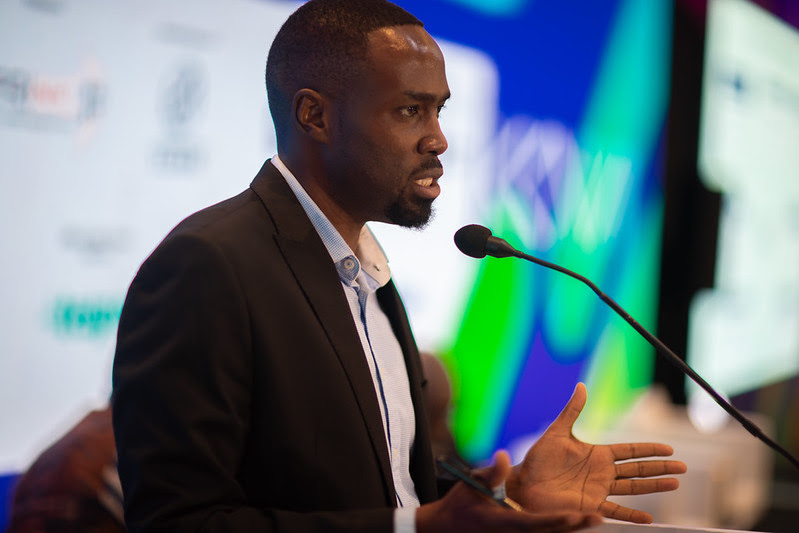
Community networks took centre stage. Participants heard compelling cases for community-owned and community-operated internet infrastructure as a practical, proven alternative to waiting for large commercial providers to extend their reach into underserved areas. From rural villages to peri-urban settlements, community networks have demonstrated that connectivity does not have to come from the top down but it can be built from the ground up, by the people who need it most.
ISOC members were urged not just to celebrate these models but to actively participate in them by contributing their expertise, advocacy, and resources to expanding community network ecosystems across the continent. The message of the day was both urgent and hopeful: the tools and the models exist. What is needed now is the collective will to scale them.
Interconnected Africa: The Case for Sustainable Peering
One of the summit’s defining infrastructure conversations centred on how African internet traffic moves or more precisely, how much of it still travels outside the continent before returning to its destination. The Interconnected Africa peering sessions brought this reality into sharp focus, making the case for why African networks must peer with each other locally, regionally, and sustainably.
Members were urged to take peering seriously, not as a technical nicety but as an economic and sovereignty imperative. When African traffic is routed through Europe or North America before reaching a destination on the same continent, latency increases, costs rise, and Africa’s data flows through infrastructure it does not control. Sustainable peering is the antidote.
Critically, participants were rallied to look ahead to the upcoming Africa Peering and Interconnection Forum (AfPIF) in Rwanda, an event that will provide dedicated space to deepen these conversations, forge new peering agreements, and strengthen the interconnection fabric that underpins a truly African internet. The call from Nairobi was unambiguous: show up, come prepared, and bring your networks to the table.
IXPs: From Consuming Content to Creating It
Closely linked to the peering conversation was a powerful rallying call around Internet Exchange Points. Africa has made meaningful progress in expanding its IXP ecosystem as Af-IX’s milestone of over 10 terabytes of capacity demonstrated, but the summit made clear that the work is far from done.
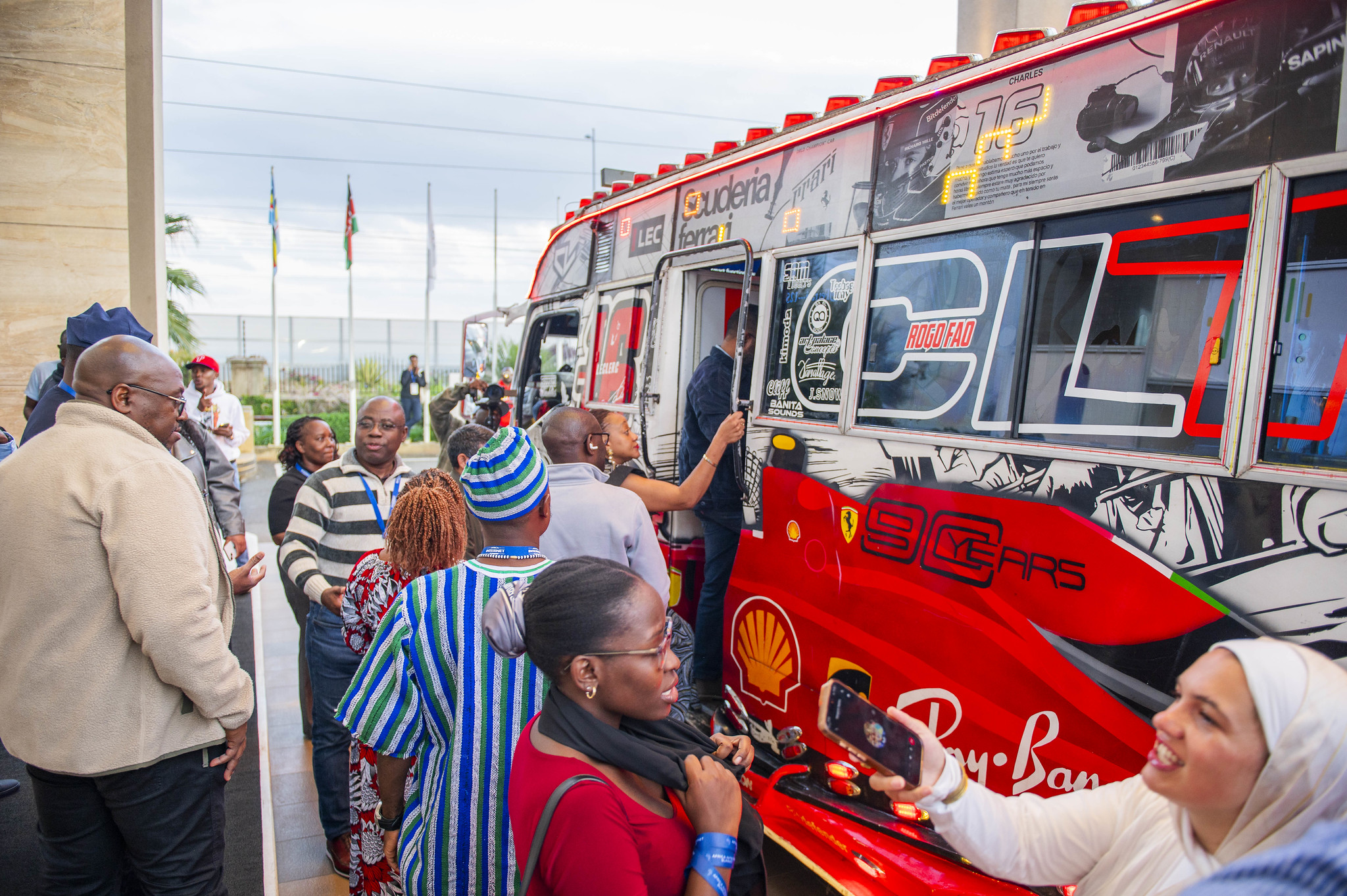
Participants were urged to push for more IXPs across the continent, particularly in countries and cities that still route traffic inefficiently through distant international nodes.
But the conversation went further than infrastructure. A pointed challenge was issued to Africa’s IXP community and the broader internet ecosystem: Africa must stop being primarily a consumer of content created elsewhere and start investing seriously in generating its own.
The continent’s IXPs should not merely be transit points for international content; instead they should anchor a thriving local content ecosystem, hosting African platforms, African media, African services, and African voices.
Peter Gitau of TESPOK highlighted the crucial role of the Kenya Internet Exchange Point (KIXP) and MANRS compliance for routing security. He challenged the technical community to overcome data silos in both the public and private sectors, which currently disrupt critical services like healthcare operations.
The infrastructure increasingly exists to make this possible. The ambition, investment, and policy environment must now rise to match it.
Data as a Strategic Pillar
One of the summit’s most urgent conversations centred on data and its development, its governance, and its potential as the primary driver of Africa’s digital transformation. Speaker after speaker underscored that data is not just a technical asset. It is political, economic, and deeply tied to questions of sovereignty and self-determination.
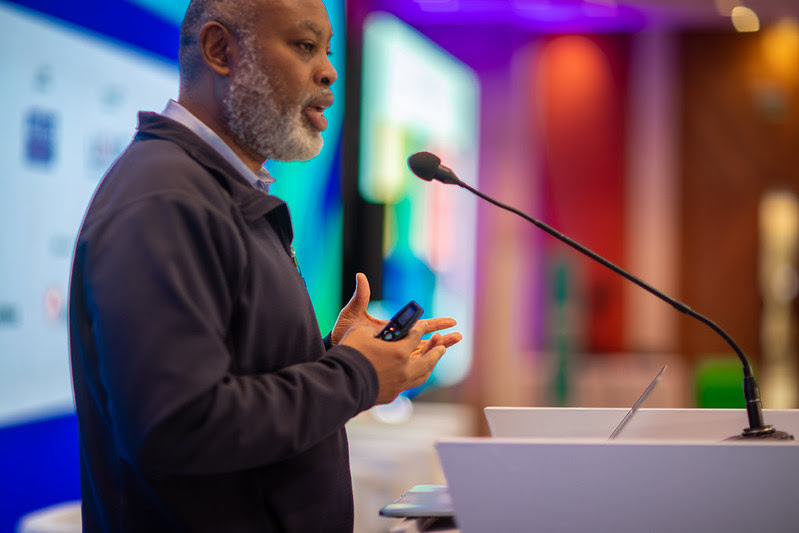
Africa generates enormous quantities of data every day, yet much of it is processed, stored, and monetised outside the continent especially in data centres and cloud platforms that operate under other jurisdictions and other legal frameworks.
The summit’s discussions made clear that this cannot continue if Africa is to build a digital economy that genuinely serves its own people. Robust data governance frameworks that are African-authored, community-informed, and rights-respecting all are not a luxury for later. They are a strategic imperative for now.
The Misinformation Crisis and the Cybersecurity Gap
One of the most sobering conversations of the week addressed a paradox playing out across Kenya and much of Africa. Citizens are being actively encouraged by governments, institutions, and development partners to embrace digital tools, move services online, and participate in the digital economy. Yet the cybersecurity foundations needed to protect those same citizens remain deeply underdeveloped.
The risks are not hypothetical. Misinformation and disinformation are spreading rapidly across digital platforms, exploiting low levels of digital and media literacy to manipulate public opinion, undermine public health messaging, distort electoral processes, and erode social trust.
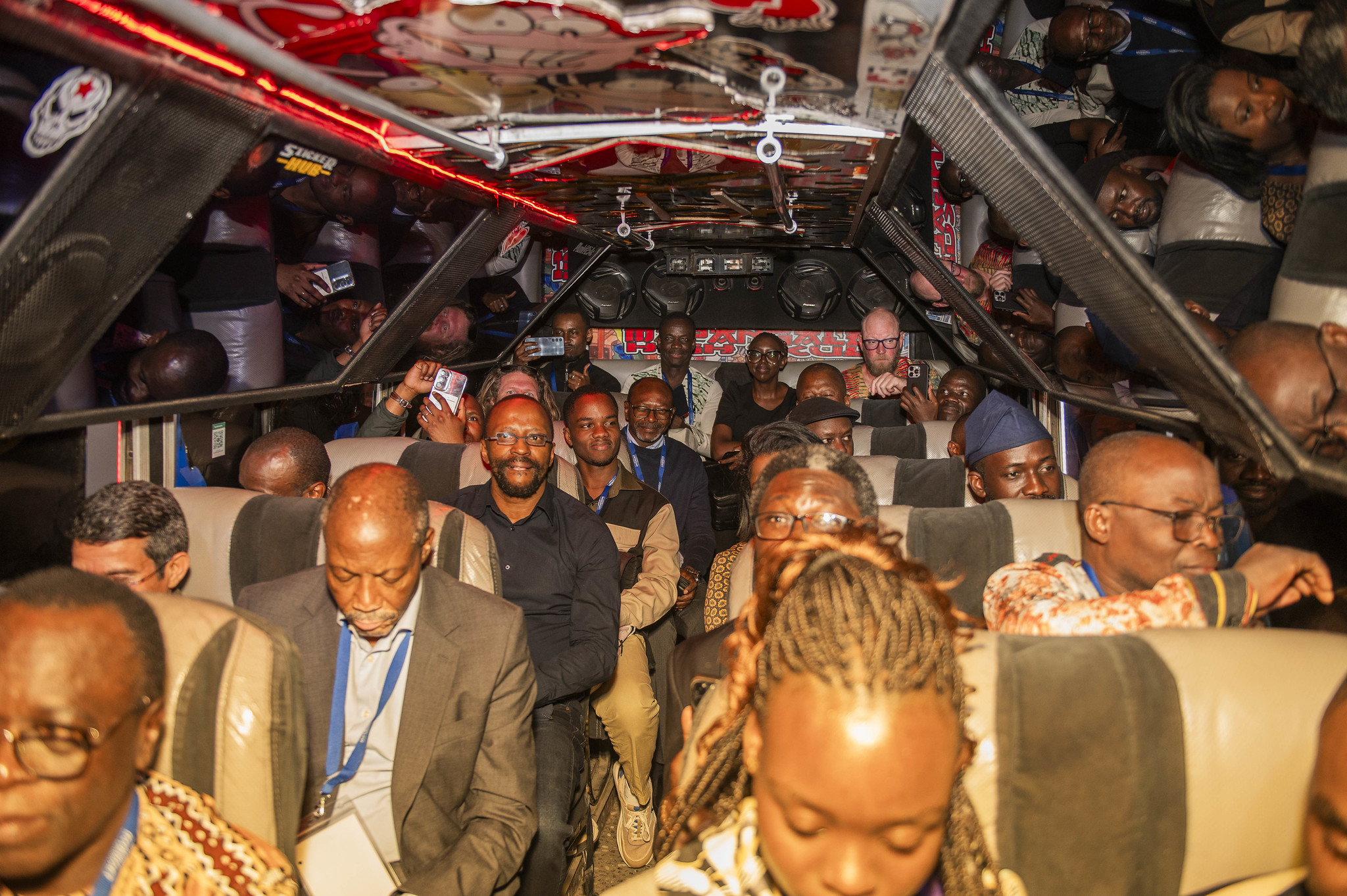
At the same time, ordinary users navigating online spaces for banking, education, health, or civic participation do so without adequate protection, awareness, or recourse when things go wrong.
The summit called this out directly: you cannot urge citizens into digital spaces and leave their cybersecurity to chance. Capacity building must accompany every push for digital adoption. Communities need not just connectivity but the knowledge and tools to use it safely, critically, and with confidence. Governments and institutions that champion digital transformation carry a corresponding responsibility to invest in digital safety for all.
The Good Cyber Fund: A New Resource for the Community
In a welcome development that drew genuine enthusiasm from the assembled community, AIS’26 saw the announcement of the Good Cyber Fund which is a dedicated resource aimed at supporting cybersecurity initiatives, capacity building, and community-driven efforts to strengthen digital safety across the continent.
The fund represents an important recognition that cybersecurity in Africa cannot be left solely to governments or large institutions. Civil society, technical communities, local organisations, and grassroots actors all have a critical role to play and they need sustained, accessible support to play it effectively. The announcement was received as a significant and timely commitment to the communities quietly doing this work every day, often with limited resources and visibility.
The Online Trust and Safety Hub: Building Africa’s Architecture of Trust
Alongside the Good Cyber Fund, AIS’26 witnessed the launch of the Online Trust and Safety Hub, a landmark initiative designed to provide a coordinated, accessible resource for tackling online harms, protecting users, and building trust in digital environments across Africa.
The Hub is envisioned as a centre of expertise, collaboration, and practical support by bringing together stakeholders from civil society, the technical community, government, and the private sector to address the growing challenges of online safety in a structured and sustained way. Its launch at AIS’26 sent a clear signal: Africa is not waiting for global platforms or international bodies to solve its online safety challenges. The continent is building its own architecture of trust.
 The Quantum Threat Is Not Distant
Perhaps one of the most technically charged conversations of the week concerned Post-Quantum Cryptography. For many attendees, the subject may have seemed abstract at first which poses a future problem for future engineers. But experts at AIS’26 made the case clearly and compellingly: the transition to post-quantum cryptography must begin today.
The cryptographic systems that currently secure Africa’s digital infrastructure in banking systems, government communications, health data, and internet exchanges which are vulnerable to the computing power that quantum technologies will eventually bring. Preparing for that transition is not alarmist; it is responsible stewardship of the trust that underpins every digital interaction on the continent. Africa cannot afford to be caught unprepared, particularly as the continent continues to digitise rapidly.
Building the Technical Capacity Africa Deserves
Running through AIS’26 like a persistent thread was a frank acknowledgement: Africa’s technical capacity-building ecosystem needs urgent renewal. The operational demands of modern internet infrastructure are from running internet exchange points to managing complex routing systems and securing networks at scale which require a generation of engineers, operators, and administrators who are trained, supported, and retained on the continent.
The summit called for a transformation in how Africa approaches this challenge. Not isolated workshops or one-off training events, but sustained, structured, regionally coordinated programmes that build genuine depth and create career pathways. The talent exists across Africa. The ecosystem to nurture it must now match that potential.
Safeguarding AFRINIC
No conversation about Africa’s internet governance can ignore AFRINIC, the Regional Internet Registry that manages the continent’s IP address space. AIS’26 reaffirmed the community’s collective responsibility to safeguard AFRINIC. We need to protect its stability, defend its credibility, and ensure its continuity as an institution that exists to serve the African internet community.
AFRINIC is not merely a technical body. It is a symbol of African ownership over a critical piece of digital infrastructure. Its integrity matters not just administratively, but symbolically this as proof that Africa can govern its own internet resources with professionalism and community accountability. The 2026 recovery story, as told by James Chirwa, is one of the communities we should celebrate and learn from.
Renewing the Policy Development Process
The summit also turned its attention inward, to the bottom-up, community-driven Policy Development Process that governs how internet resources are managed across the region. There was honest reflection about participation gaps, who is showing up to shape policy, and who is not.
The call was clear: the PDP must be revitalised. More voices, more geographic diversity, more genuine engagement from across the continent’s technical and civil society communities. Internet governance that is shaped only by those already in the room will ultimately fail those who are not. The doors of the process must open wider and the community must actively bring new participants through them.
WSIS+20 and a Renewed IGF for Africa
As the global internet governance calendar moves toward the WSIS+20 Review and a pivotal reassessment of the frameworks that govern the internet internationally #AIS’26 stressed the importance of translating its outcomes into concrete action that serves Africa’s priorities. The review is an opportunity Africa must approach with preparation, coordination, and a clear continental position.
Closely tied to this was a discussion about the Internet Governance Forum and how a renewed IGF approach can better amplify African voices in global digital policy spaces. The permanence of the IGF within the United Nations system offers a historic opening, the one that Africa must seize with coordinated, well-prepared, and community-backed engagement that goes beyond attendance to genuine influence.
Nairobi’s Parting Message
As the week drew to a close, the community heard from its elders. Prof. Nii Narku Quaynor reminding everyone of the long road already walked. It heard from its institutional leaders.
AFRINIC’s James Chirwa described the hard-won recovery. It heard from its innovators, its engineers, its educators, its advocates, and its newcomers by all finding their place in a movement that grows stronger the more people it includes.
Africa’s internet future will not be handed to the continent. It will be built deliberately, collaboratively, and with resilience by the very community that gathered in Nairobi this June.












[…] Nairobi Speaks As Africa’s Internet Community Charts a Bold Course at AIS’26 (Talk Africa) […]
Comments are closed.