|
Getting your Trinity Audio player ready...
|
By Winnie Kamau
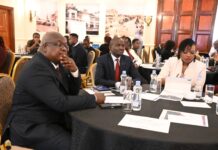
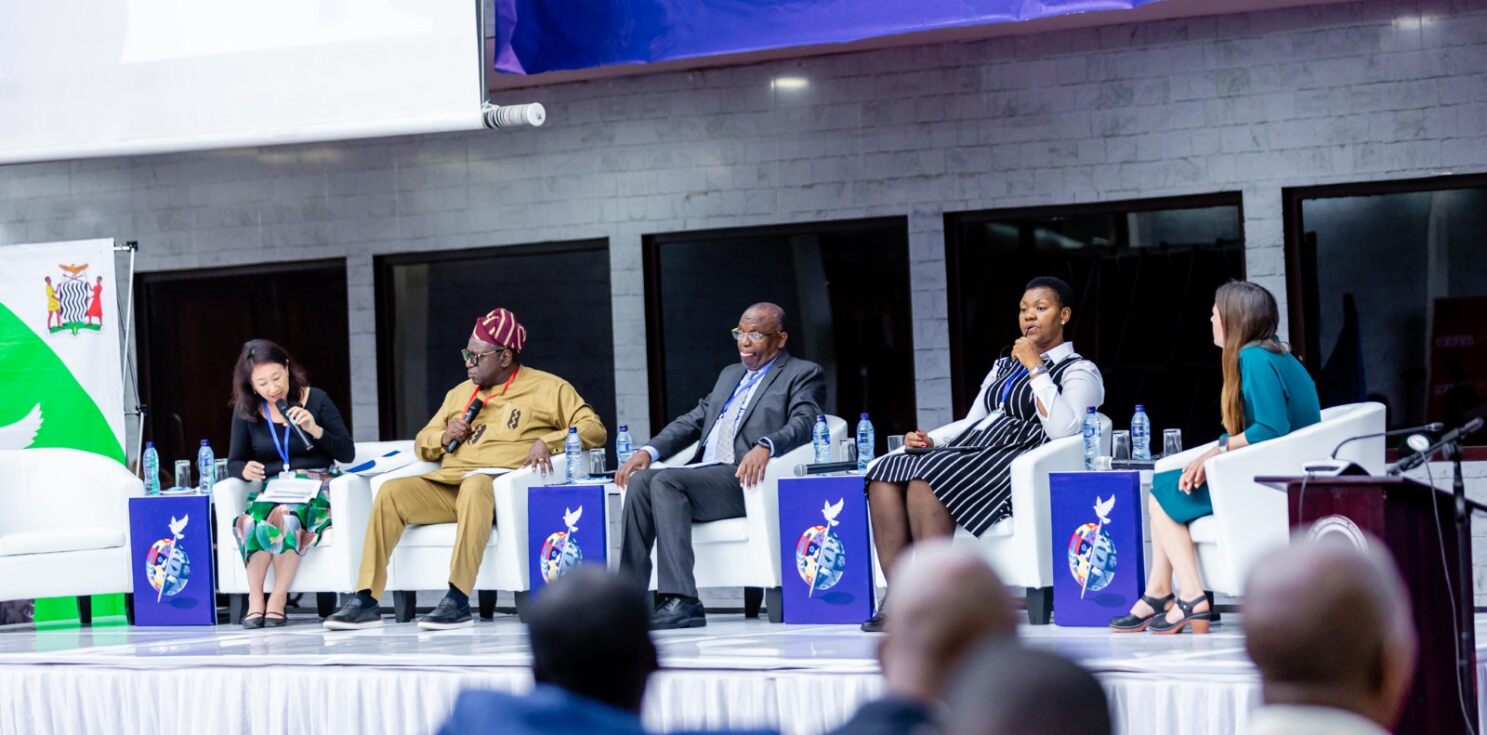
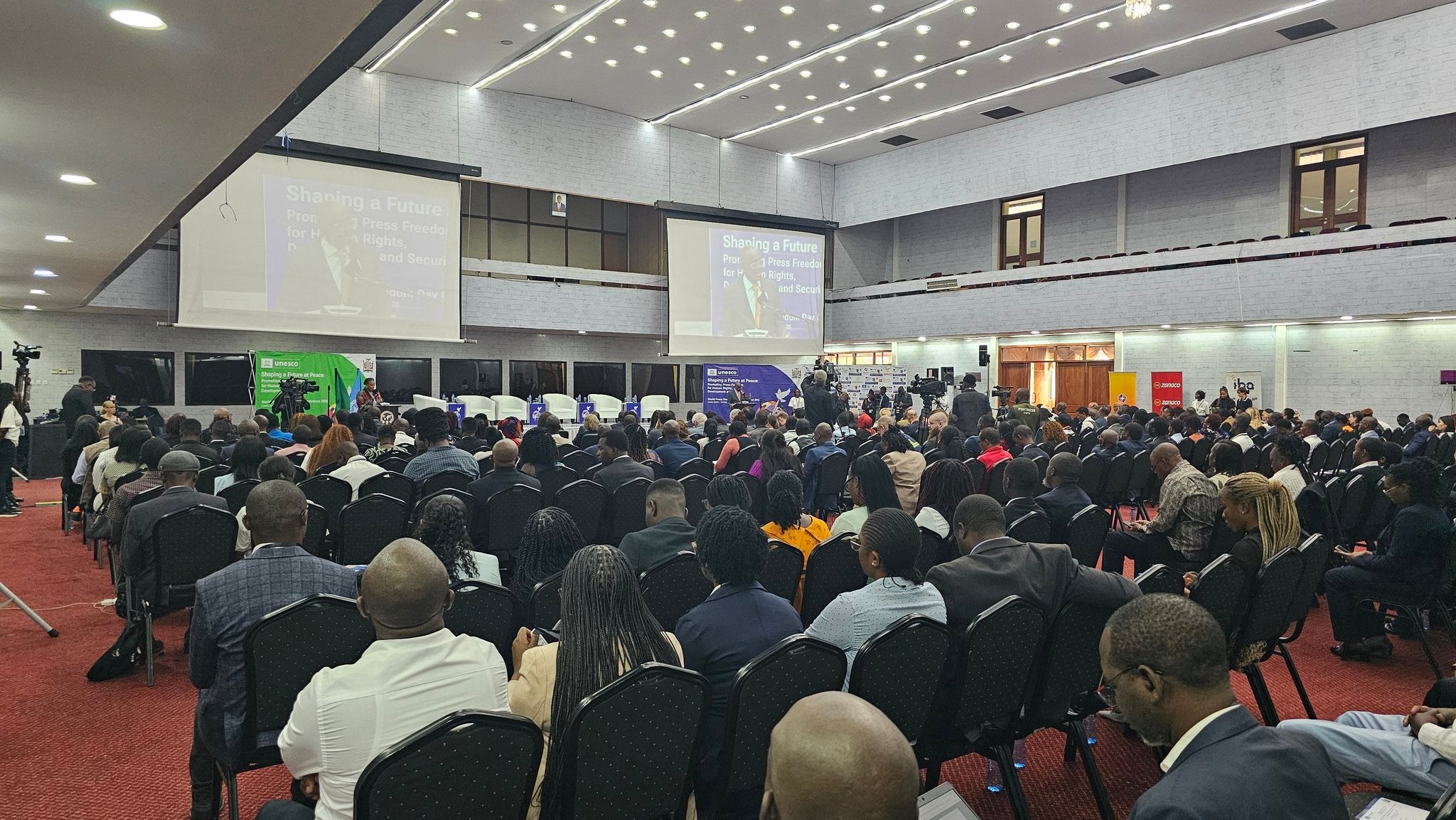
Lusaka, Zambia: I was honored to participate in the World Press Freedom Day Conference, held from May 4th to 5th, 2026, in Lusaka, Zambia. Hosted at the Mulungushi International Conference Centre, the event followed the unexpected cancellation of RightsCON 2026 by the Zambian authorities. The gathering convened more than 300 African delegates to tackle escalating challenges to information integrity and freedom of expression.
The two-day conference was filled with compelling dialogues. Day one featured opening remarks from H.E. Mr. Takehiro Kano, Japan’s Ambassador to UNESCO; Ms. Mariya Gabriel, UNESCO Assistant Director-General and Hon. Mr. Cornelius Mweetwa, Zambia’s Minister of Information and Media. The speakers underscored how independent journalism is vital for maintaining peace, sustainable development, and democratic governance.
UN Special Adviser on the Prevention of Genocide Chaloka Beyani noted: “Media is one of the most powerful tools. We must also confront hate speech, which fuels division & violence. Protecting press freedom means tackling harmful narratives head‑on.”
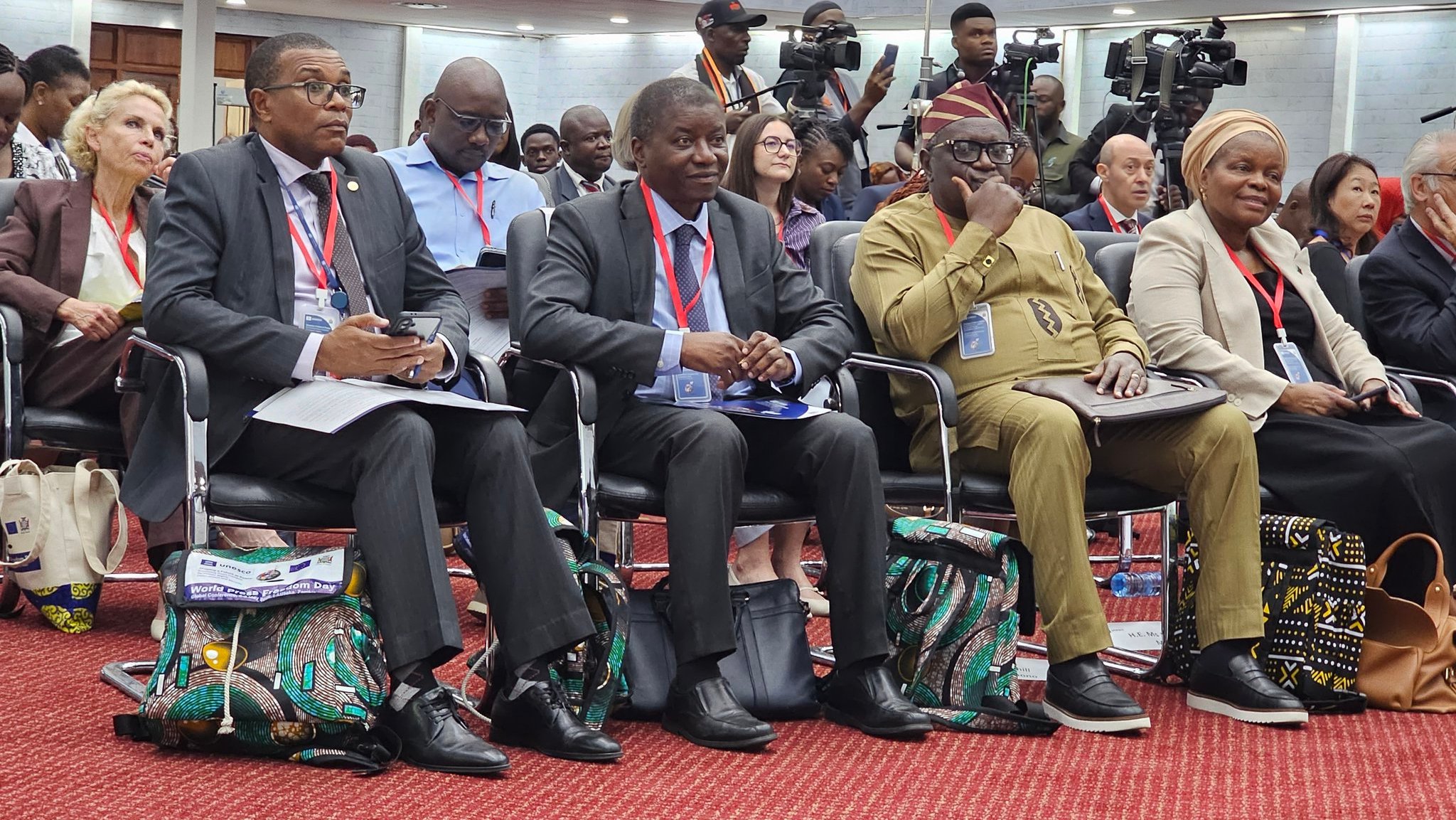 The data shared regarding the obstacles faced by media workers was alarming, highlighting high rates of self-censorship and a surge in attacks. A central focus was the growing danger for journalists in global conflict zones. With 61 active armed conflicts recorded in 2024the highest level since World War II—the professional environment has become increasingly hazardous. UNESCO reported that at least 162 journalists were killed between January 2022 and September 2025 while reporting from these areas.
The statistics presented regarding the challenges faced by media professionals were staggering, particularly concerning the high levels of self-censorship and the frequency of attacks in recent years. A primary theme of the conference centered on the intensifying threats to journalists operating within conflict zones across Africa and the globe.
With 61 active armed conflicts identified worldwide in 2024 marking a peak not seen since the Second World War the environment for media workers has become increasingly perilous. UNESCO data revealed that from January 2022 to September 2025, no fewer than 162 journalists lost their lives while reporting on these conflicts. Furthermore, the issue of impunity remains critical, as a mere 1.23% of these fatalities have reportedly reached a resolution.
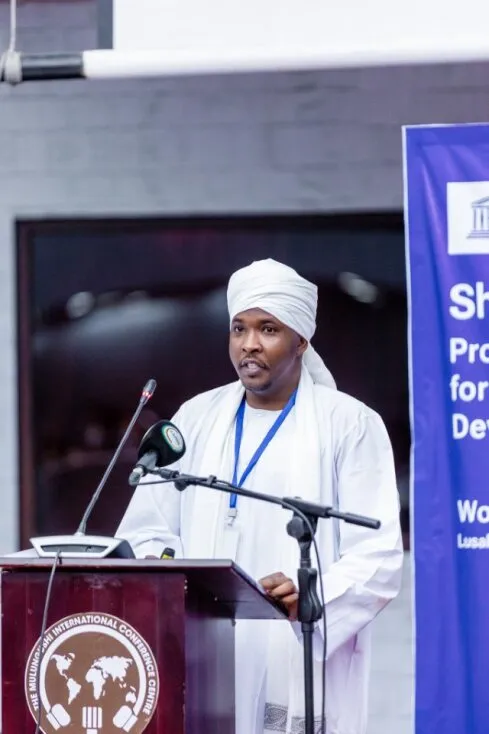
The Sudanese Journalists Syndicate, an organization Mohamed Zakaria is affiliated with, was honored with the UNESCO/Guillermo Cano World Press Freedom Prize 2026. Zakaria, a filmmaker and photojournalist celebrated for his work documenting the humanitarian toll of the civil war in Sudan, shared a moving testimonial during the event.
His account offered a stark reminder of the personal and professional risks journalists endure in pursuit of truth. “Hello. My name is Mohammed Zakaria, I didn’t learn to become a journalist. I work in Sudan… I chose to work there because I saw culture, people, and stories that nobody was telling. I felt that someone had to be standing in the middle of that gap with the story that wasn’t being told. That someone didn’t have to be a hero; it just had to be someone who cared enough to look and notice enough to go” said Zakaria.
Adding “Conflict does not change the fact that the story needs to be told. It becomes more evident when someone who was there, someone who can stand up and say, ‘I saw this and this is what happened.’ Yes, it becomes more dangerous; yes, there are days when you ask yourself why am I doing this? But then you think about the people who have no voice… and you make a family and start up again. I have a camera, I have a voice, I have the ability to walk into the room and say this happened. As long as that is true, I will keep going”
Another illuminating session explored the rivalry between social media influencers and mainstream media for advertising revenue and audience attention.
“People are not avoiding the news. They are avoiding the way it is usually done. They do want the information, but they want it in a form that gets them in.”
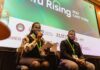
South African content creator Amahle-Imvelo Jaxa popularly known as Jaxx contends that the youth are not disinterested in civic affairs; rather, they feel distanced by the “distance diplomacy” style of traditional media, which often feels unreachable. By reframing intricate global topics as accessible, human-centric narratives, creators have begun to fill the void created by conventional news organizations.
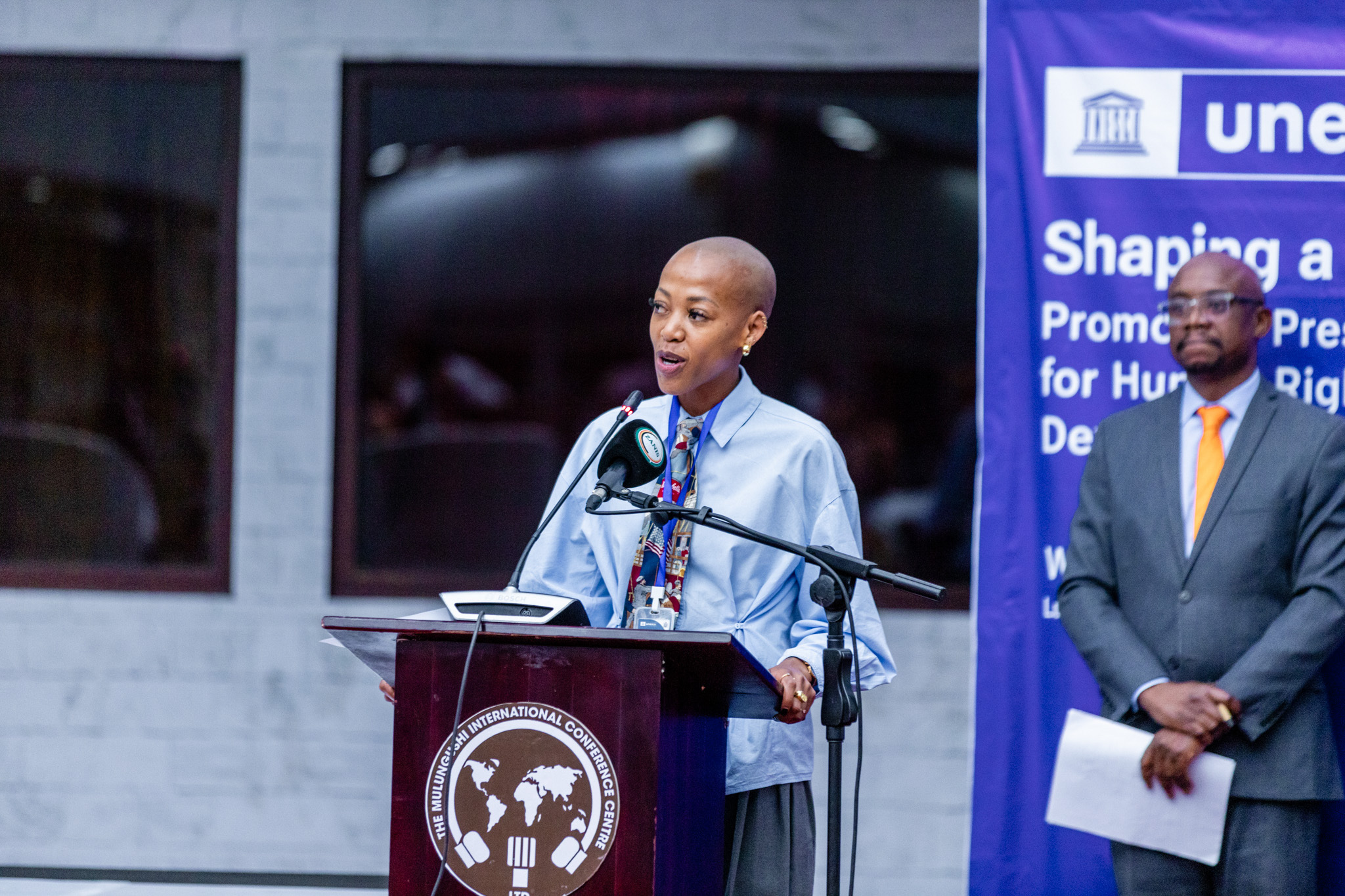
“I hear the generation saying, ‘We want information, we want clarity, but we want to see ourselves in the people who explain the world to us.'”
Jaxx emphasizes that this shift is not an “us versus them” battle between creators and journalists. Instead, it is a call for collaboration. To build a viable media ecosystem, traditional institutions must recognize creators as essential partners, providing them with training in verification and safety while honoring the diverse, online spaces where young audiences already reside.
“And that future audience is already online, already engaged, and already forming relationships with us creators. So to avoid ourselves becoming creators of journalists, perhaps the question is this. How do we build an ecosystem where truth, trust, and creativity can coexist with us and institutions and individuals? Because if you, the future of media will not be defined by one or the other. It will be defined by how well we are all together” said Jaxx.
Adding “The future of media will not be defined by one or the other. It will be defined by how well we are all together” she said.
The other session was Media Institute of Southern Africa (MISA) highlighted the state of press freedom in Africa by launching the sixth edition of the Southern Africa Press Freedom Report 2026. This report, which encompasses 11 nations, signals a pivotal moment for the media landscape in the region. MISA has called upon governments, academia, and civil society groups to review these results and pledge to implement thorough policies that protect journalism serving the public interest.
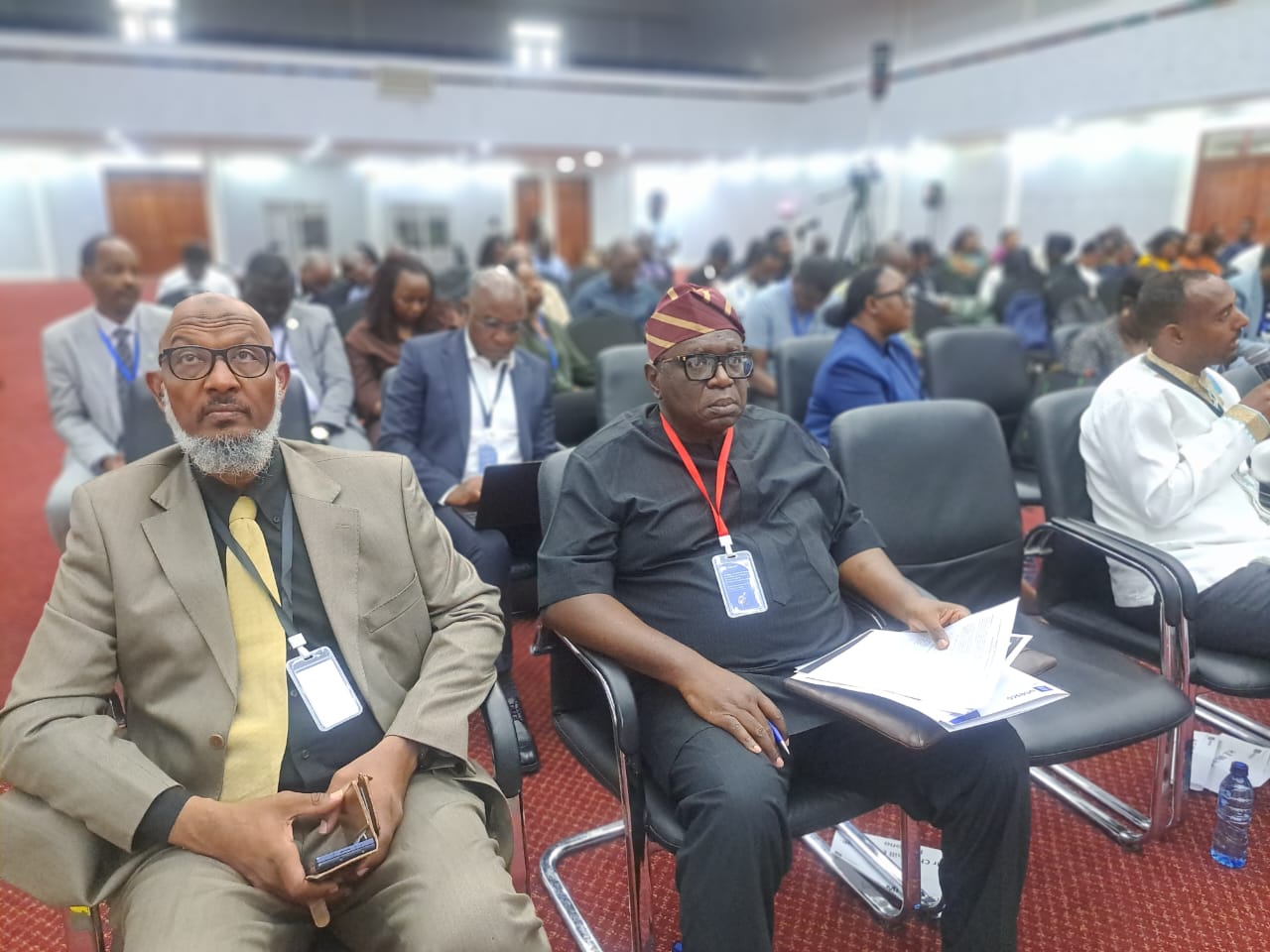 “The State of Press Freedom in Africa report is one of its kind on the continent, going beyond a mere publication but a mechanism to engage with governments to shape an evidence-based approach to advocacy and shaping the press environment in the region that is highly responsive and competitive to the realities” said Dr. Tabani Moyo, Regional Director of the Media Institute of Southern Africa.
The establishment of the African Union Group of Friends on the Safety of Journalists represented a significant achievement. Designed to improve the regional oversight of press freedom, this initiative seeks to better coordinate protective measures for media workers and intensify the fight against impunity. This regional body works in tandem with existing frameworks at UNESCO and the United Nations in Geneva and New York, as well as other international organizations like the Council of Europe, the Organization for Security and Co-operation in Europe, and the Organization of American States.
The Conference continued on 5 May with the opening of the fourth edition of the African Media Convention (AMC), one of the continent’s most significant gatherings of editors, journalists, and media development organizations. The event was officially opened by Mariya Gabriel, UNESCO Assistant Director-General for Communication and Information, alongside Churchill Otieno and Susan Makore, Chairperson and Vice Chairperson of the AMC. During the meeting, delegates African Media Leaders Adopt a Historic AMC Governance Charter at the 4th Africa Media Convention 2026.
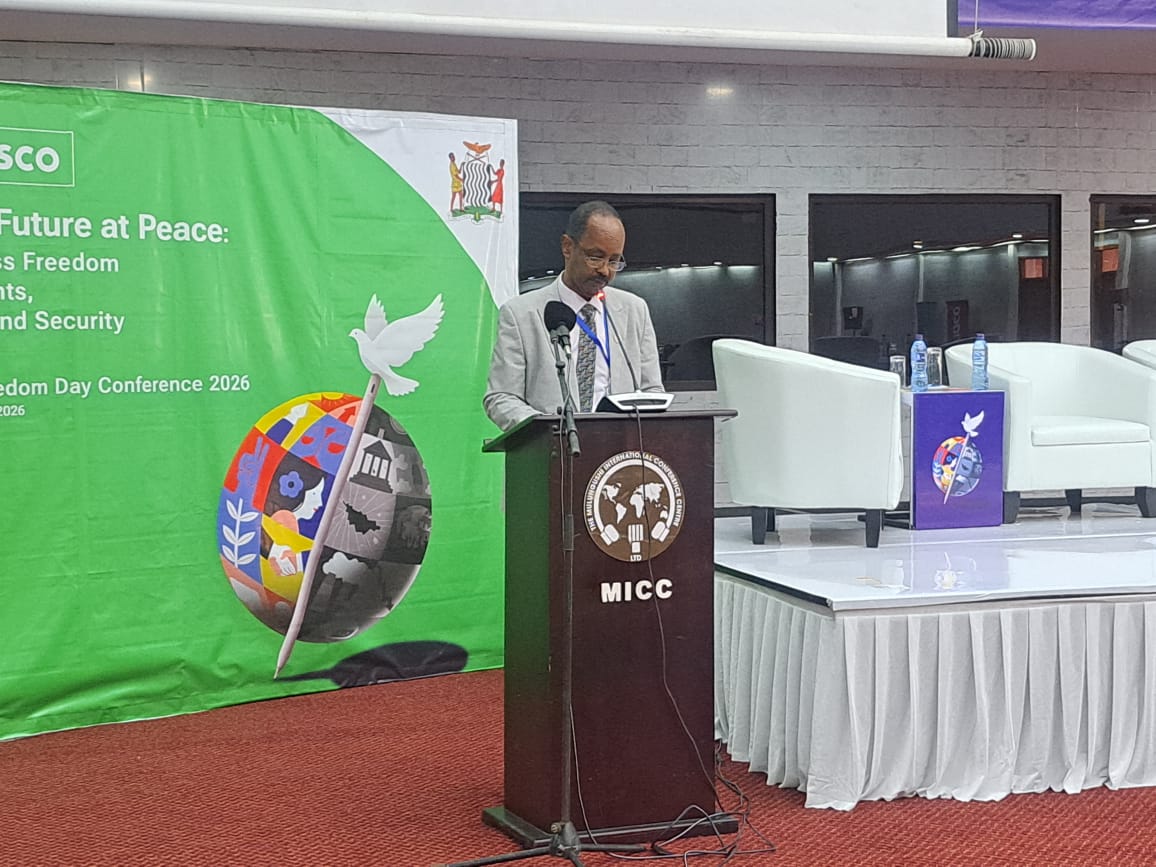 In a move to ensure continuity and accountability, the Convention aims to establish an 11-member AMC Advisory Council. This council will comprise nine representatives elected from various sectors, including editors’ forums, journalists’ unions, and academic institutions, alongside permanent facilitative seats for the African Union Commission (AUC) and UNESCO. Furthermore, a landmark proposal was considered to have the AUC house the AMC Secretariat for a renewable five-year term, providing the administrative backbone necessary to protect media freedom across the continent.
To operationalise the new governance framework, AMC-IV appointed a Transitional Panel with a 90-day mandate to outline and conduct the election process for the nine elective seats of the first AMC Advisory Council, in accordance with the AMC Governance Charter, 2026. The elections are expected to be completed within the 90-day mandate of the Panel.
The members of the Africa Media Convention Transitional Panel are:
- Prof. Laeed Zaghlami
Algiers University, Algeria, Northern Africa - Brenda Zulu
Africa Interactive Media & Zambia Bloggers Network, Zambia, Southern Africa - Mesud G. Reta
Consortium of Ethiopian Human Rights Organisations, Ethiopia, Eastern Africa - Jamila Yesho
Media Council of Kenya, Kenya, Eastern Africa - Christopher Isiguzo
Congress of African Journalists, Nigeria, Western Africa - Winnie Kamau
Association of Freelance Journalists, Kenya, Eastern Africa - Charlie Martial Ngounou
Afro Leadership, Cameroon, Central Africa
AMC-IV further declared that the Fifth Africa Media Convention shall be held in Addis Ababa, Ethiopia, in 2027.Coinciding with the Convention, the African Union Commission attended the stakeholders meeting on Africa Media and Information Literacy (MIL) Framework. As the first continental standard of its kind, the framework is a homegrown solution designed to address Africa’s unique challenges, including linguistic diversity and infrastructure gaps.
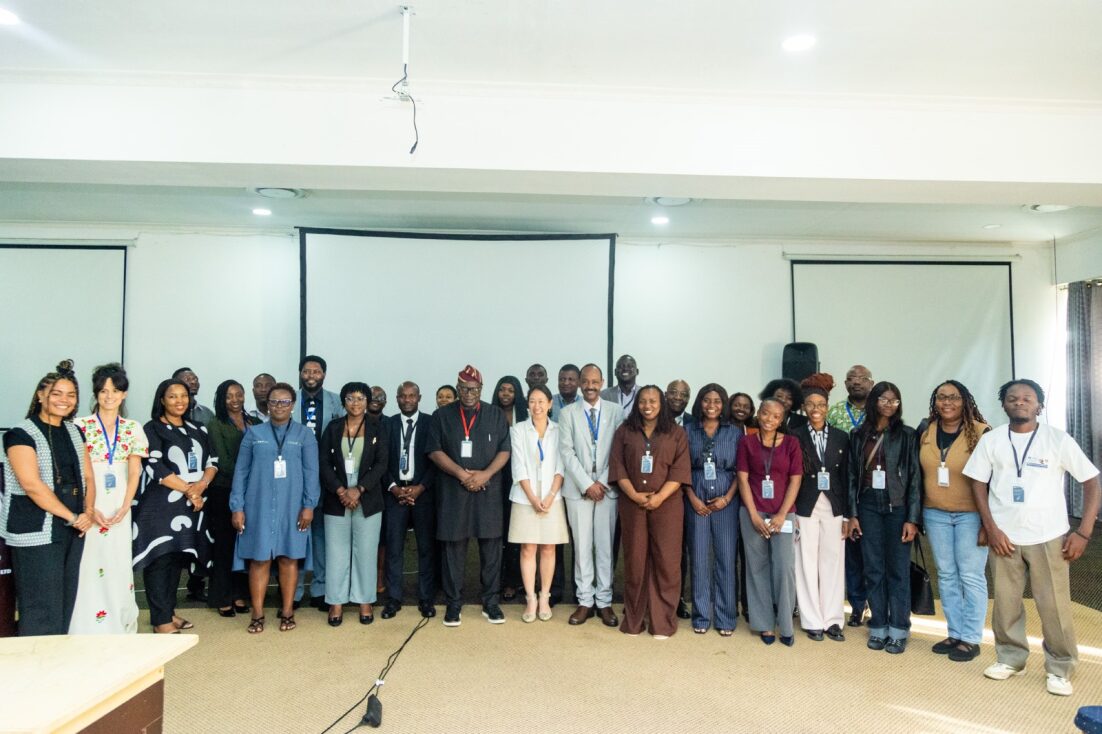 ”This Framework is not a copy of models from elsewhere; it is an original, homegrown framework designed for African classrooms and digital spaces,” stated the AU Commission representative, Mr. Gamal Karrar. “It creates the foundation for informed citizenship- essential to Africa’s ongoing democratic consolidation”.
While celebrating progress, the Convention also acknowledged ongoing challenges facing media freedom across the continent. Churchill Otieno, Chairperson of the AMC Steering Committee, expressed concern over recent developments affecting civic space. He called for continued constructive engagement between media stakeholders and governments to address what many see as a worrying trend in the treatment of journalists and civil society across Africa.
Coinciding with the Convention, the African Union Commission attended the stakeholders meeting on Africa Media and Information Literacy (MIL) Framework. As the first continental standard of its kind, the framework is a homegrown solution designed to address Africa’s unique challenges, including linguistic diversity and infrastructure gaps.
”This Framework is not a copy of models from elsewhere; it is an original, homegrown framework designed for African classrooms and digital spaces,” stated the AU Commission representative, Mr. Gamal Karrar. “It creates the foundation for informed citizenship- essential to Africa’s ongoing democratic consolidation”.
While celebrating progress, the Convention also acknowledged ongoing challenges facing media freedom across the continent. Churchill Otieno, Chairperson of the AMC Steering Committee, expressed concern over recent developments affecting civic space. He called for continued constructive engagement between media stakeholders and governments to address what many see as a worrying trend in the treatment of journalists and civil society across Africa.
 The 2026 Academic Conference took place as a featured side event, coordinated by the University of Zambia alongside several partners: the Universities of Liverpool, Sheffield, and Tampere, the Centre for Freedom of the Media, UNESCO, and the Worlds of Journalism study. The proceedings were formally inaugurated by H.E. Ms. Ingrid Mollestad, Norway’s Ambassador and Permanent Delegate to UNESCO, in conjunction with Dr. Vera Slavtcheva-Petkova from the University of Liverpool, who also serves as a Non-Executive Director for the UK National Commission for UNESCO.
The conference featured a variety of supplemental side events, including a side event focused on bolstering economic journalism hosted by the International Monetary Fund (IMF). Participants also engaged in an “Supporting Economic Journalism: Understanding the IMF and Its Resources for Journalists ” Media Meetup, where journalists gained insights into the organization’s operations and advocated for increased collaborative capacity building efforts.
Other notable sessions included discussions on gender, safety, and press freedom facilitated by WAN-IFRA Women in News. Additionally, a joint initiative by UNESCO and the African Union saw the convening of a stakeholder validation workshop dedicated to the Africa Media and Information Literacy Framework.
This report was made possible with the support of the Women Democracy Network (WDN) and the Open Data Collaboratives (ODC)