|
Getting your Trinity Audio player ready...
|
By June Lance
Mombasa- The neon signs of Moi Avenue once told the story of Mombasa after dark. For decades, this iconic artery of Kenya’s coastal city was a sensory overload—a tapestry woven from the clinking of glasses, the irresistible aroma of Swahili dishes wafting from busy eateries, and the relentless thumping basslines of legendary pubs.
It was famously home to the freemarks, those vibrant, informal open-air markets where haggling was elevated to an art form and human foot traffic never seemed to slow. If you wanted to feel the true pulse of Mombasa’s social soul, you went to Moi Avenue. It was a melting pot where foreign sailors, international tourists, and born-and-bred locals collided beneath the watchful gaze of the famous towering aluminum elephant tusks.
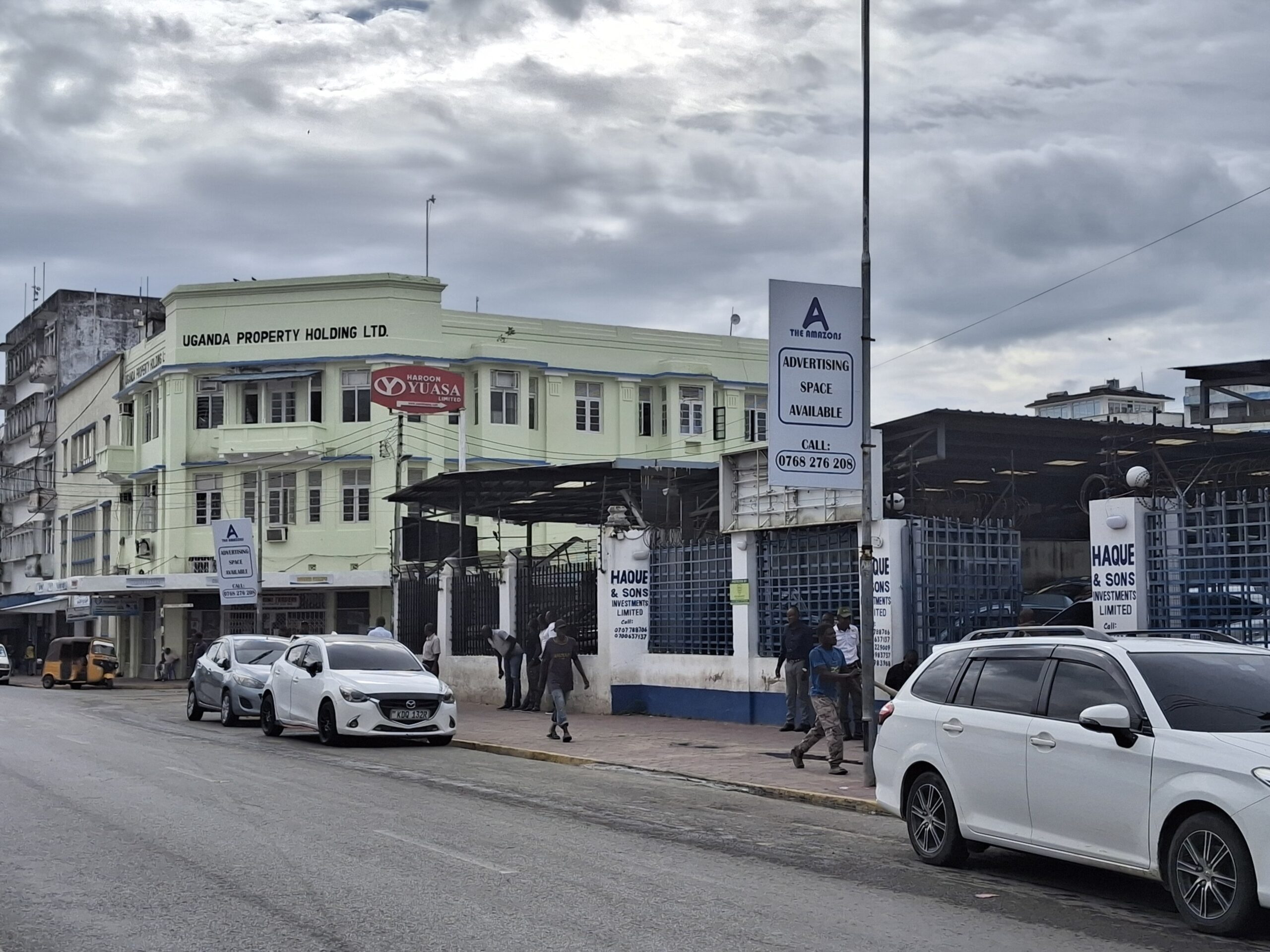
Walk down Moi Avenue today, however, and the soundtrack has fundamentally changed. The booming reggae and bongo beats, alongside the lively chatter of late-night diners, have faded into the background. In their place is the quiet, polished gleam of chrome, glass, and pristine paintwork. The street that once traded heavily in memories, coastal hospitality, and nightlife has transitioned into a vast, continuous open-air vehicle showroom. Car dealerships now dominate the physical and economic landscape, their brightly lit windows displaying imported vehicles where popular bars and bustling stalls once stood.
This transformation did not happen overnight, but it has completely redefined the urban fabric of Mombasa. As the city’s economic landscape shifted—driven by growth in logistics, port activities, and transport—the demand for prime street-front commercial space evolved. The highly lucrative automobile import business began to price out traditional hospitality spots. Landlords quickly realised that leasing large properties to car dealers offered higher and more stable financial returns than the unpredictable nightlife industry, which increasingly faced tightening local regulations, noise complaints, and shifting consumer habits.
For the older generation of residents and local cultural observers, this change brings a heavy wave of nostalgia and a touch of melancholy. Ayub Mshefa, a Mombasa-based artist born and raised in the coastal city, looks at the modern face of Moi Avenue with a sense of loss.
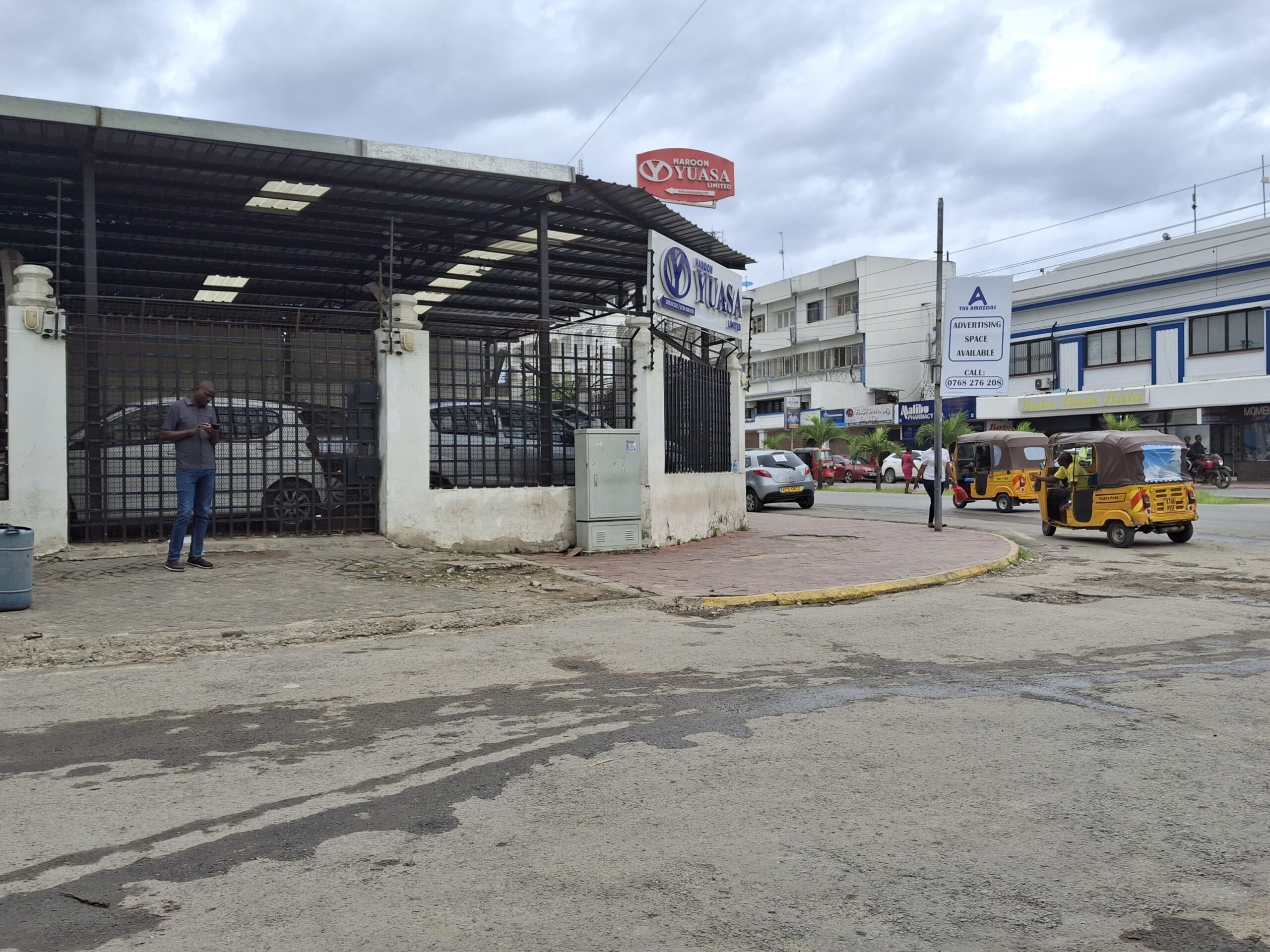
“In the olden days, Moi Avenue was well known for freemarks, eateries, and tourist attraction sites,” Mshefa recalls. “But in recent years, things have changed drastically—from small stalls to massive showrooms. All this is ultimately attributed to changing economic times. The old shops and houses that used to host those vibrant local businesses were increasingly sitting empty, prompting a shift to showrooms because, at the end of the day, landlords need their rent.”
While Mshefa acknowledges the economic realities driving the transformation, he laments the social cost of this corporate takeover.
“I can say the showroom business is booming because Mombasa is strategically placed,” Mshefa explains. “Our neighbors from countries like Tanzania and Uganda, as well as buyers from across Kenya, come directly to Mombasa to buy their cars. But personally, I prefer the olden days. Back then, many ordinary people used to benefit directly from the various small businesses and stalls. Now, it feels like only the wealthy are truly benefiting from these massive showroom enterprises.”
Indeed, where crowds once gathered for cheap street food, local crafts, and cold drinks after a long day’s work, private security guards now watch over rows of immaculate sedans and four-wheel-drive SUVs. The street remains busy, but it is driven by a commercial, transactional buzz rather than a communal, social one. The vibrant, grassroots street culture that defined the avenue for generations has been sanitized, replaced by corporate efficiency.
Yet, there is another side to this economic coin—one that speaks to progress, efficiency, and modern job creation. For those working within the automotive ecosystem, the transformation of Moi Avenue has been an absolute game-changer. Peter Kariuki, a veteran car broker who has witnessed the evolution of the trade firsthand, views the influx of showrooms as a massive leap forward for both businesses and consumers.
“I am incredibly thankful for this shift,” Kariuki says, reflecting on his career. “If you look back twenty years ago, people used to have to wait an agonizingly long period to finally import and receive their cars. It was a tedious, bureaucratic process. The emerging showrooms on Moi Avenue have completely changed that by narrowing down the waiting time for buyers. They can now walk in, see the vehicle, and drive it away.”
Beyond customer convenience, Kariuki points out the tangible socio-economic benefits that the automotive boom has brought to the immediate area.
“These showrooms have created vital new job opportunities for youth, brokers, valuers, and mechanics,” Kariuki emphasizes. “Furthermore, they have significantly improved the security of the area. The brightly lit displays, modern surveillance, and increased corporate presence have turned Moi Avenue into a much safer environment than it was during the chaotic, darker nights of the past.”
This duality highlights the complex nature of urban development in modern Kenya. Is the transformation a loss of irreplaceable cultural heritage, or is it a necessary step towards economic modernization? The truth likely lies somewhere in the middle.
Moi Avenue has always functioned as a mirror of Mombasa’s shifting economic reality. In the colonial and post-independence eras, its businesses explicitly catered to travelers, traders, and pleasure-seekers arriving via the historic port. Today, the avenue reflects the rise of Kenya’s expanding middle class and its insatiable appetite for personal mobility and status. The automotive industry has capitalized on Mombasa’s position as the gateway to East Africa, turning a leisure street into a critical commercial hub for the region.
As the sun sets over the island today, the lights of Moi Avenue still switch on—but they no longer invite you to dance, eat, or linger over a coastal breeze. Instead, they invite you to invest, drive, and move forward. The iconic aluminum tusks still arch proudly over the tarmac, welcoming visitors just as they have for decades. But the changing city they guard is racing towards a very different kind of future—one measured in horsepower and economic transactions, rather than the laid-back hospitality of yesteryear.