|
Getting your Trinity Audio player ready...
|
By Shaban Makokha
Mumias, Kenya: As schools reopen for the second term, Muslim leaders have issued a stern warning to the government over what they term as a looming catastrophe in the education sector, fuelled by a worsening funding crisis that is crippling learning across the country.
Speaking in Mumias, Mumias Muslim Community Chairman, Ismail Muchelule, said the government must urgently increase financial allocation to learning institutions to avert total collapse of essential learning programmes.
“Schools are bleeding. Children are reporting back to institutions that cannot feed them, cannot provide learning materials, and cannot complete projects,” Muchelule said, urging the government to step in “before this crisis destroys the future of our children.”
Kenya’s education sector is currently battling an unprecedented KSh117 billion cumulative underfunding gap projected between 2021 and 2025 in basic education alone. This funding hole has left schools struggling to meet even the most basic operational needs.
Schools are receiving only 78% of the approved capitation, pushing institutions into debt and stalling infrastructure projects nationwide.
By April 2026, schools had received an average of KSh17,339 per learner, this is far below the required KSh22,244.
The 2025/26 budget saw a Sh48.3 billion shortfall for basic education, with junior and senior secondary schools bearing the biggest brunt.
Beyond basic education, the crisis is even deeper in higher learning institutions. Universities face a KSh260 billion deficit for FY 2026/27, threatening the sustainability of the new funding model and raising fears of programme shutdowns.
Muslim leaders are now calling for an urgent national conversation on education financing, insisting that no meaningful learning can occur under starvation-level funding.
According to Joel Olwenyi, an education analyst, the financial strain is having devastating effects on school operations with delayed projects as institutions lack capital to complete classrooms, labs, and sanitation blocks.
“In addition, there are severe shortages of learning materials, from textbooks to lab equipment, school feeding programmes have been crippled, leaving vulnerable learners at risk of dropping out amid rising CBC implementation costs that have pushed schools to the edge,” said Mr. Olwenyi.
Recent audits show over 1 million learners missed capitation, with funds diverted to “ghost schools” revealing a shocking administrative failure.
The funding drought has left head teachers pleading with parents for additional levies, despite government warnings, as they struggle to keep schools running.
“If we fail to fund education, we are failing the children of Kenya,” Olwenyi added. “The crisis is now beyond politics, it is about the future of an entire generation.”
Kenya’s Vision 2030 and UN Sustainable Development Goal 4 (Quality Education) commit the country to inclusive, equitable, and quality learning for all children. However, current realities paint a starkly different picture:
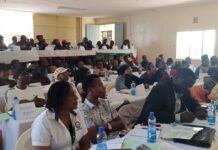
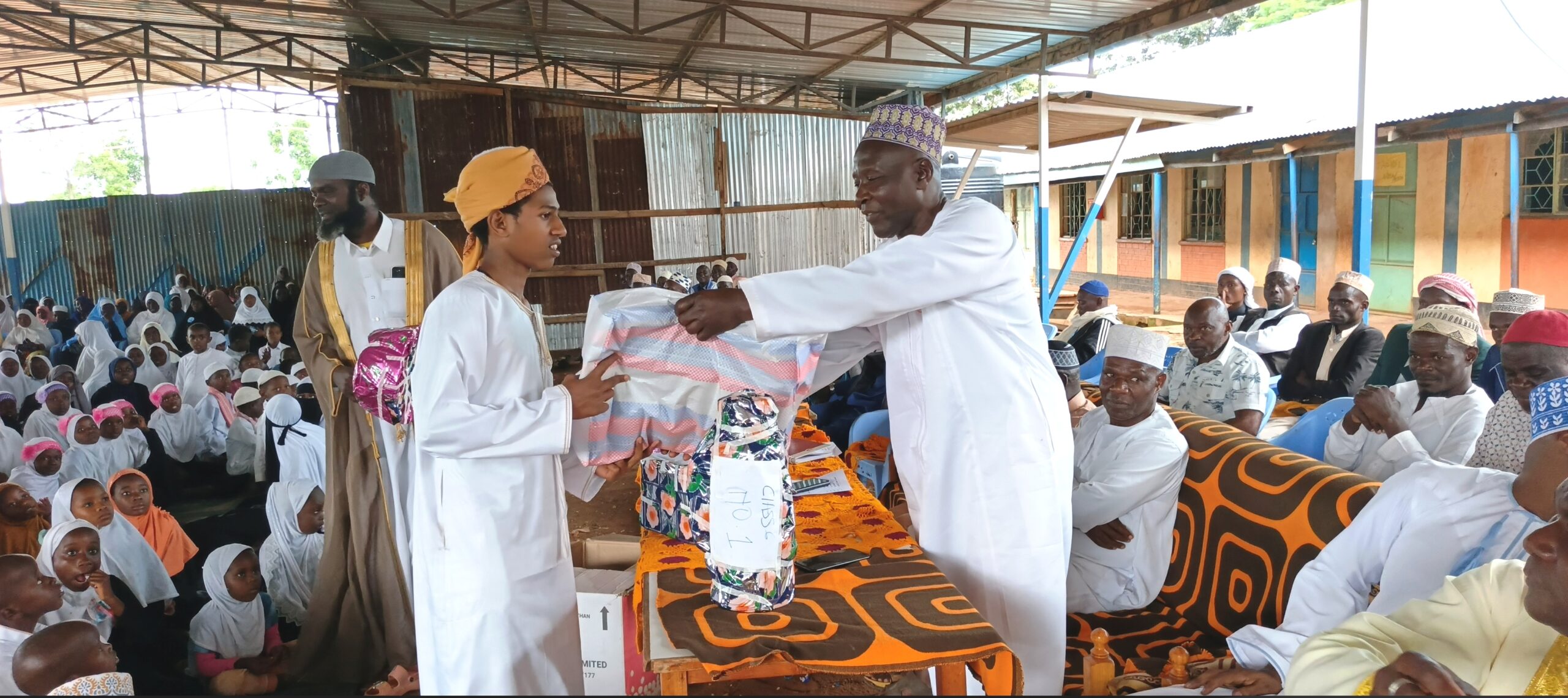
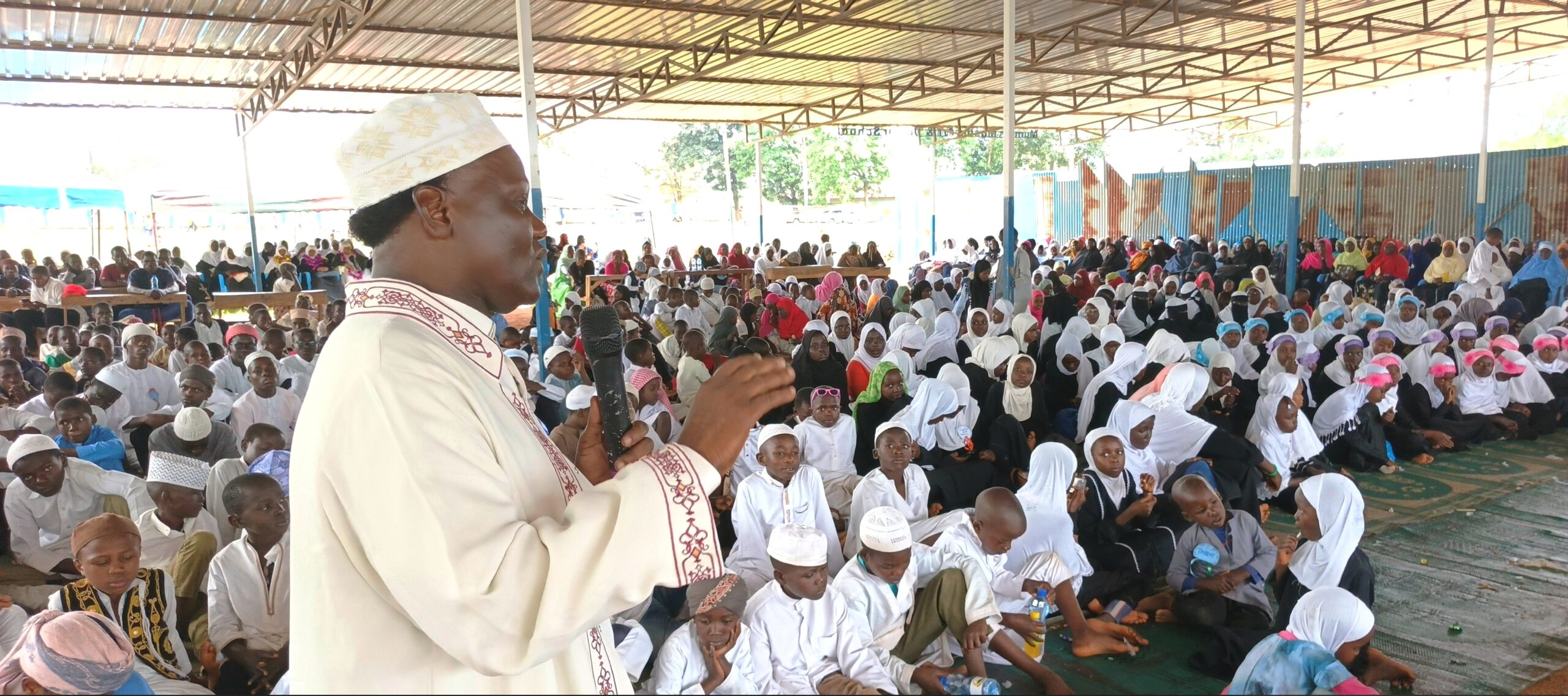
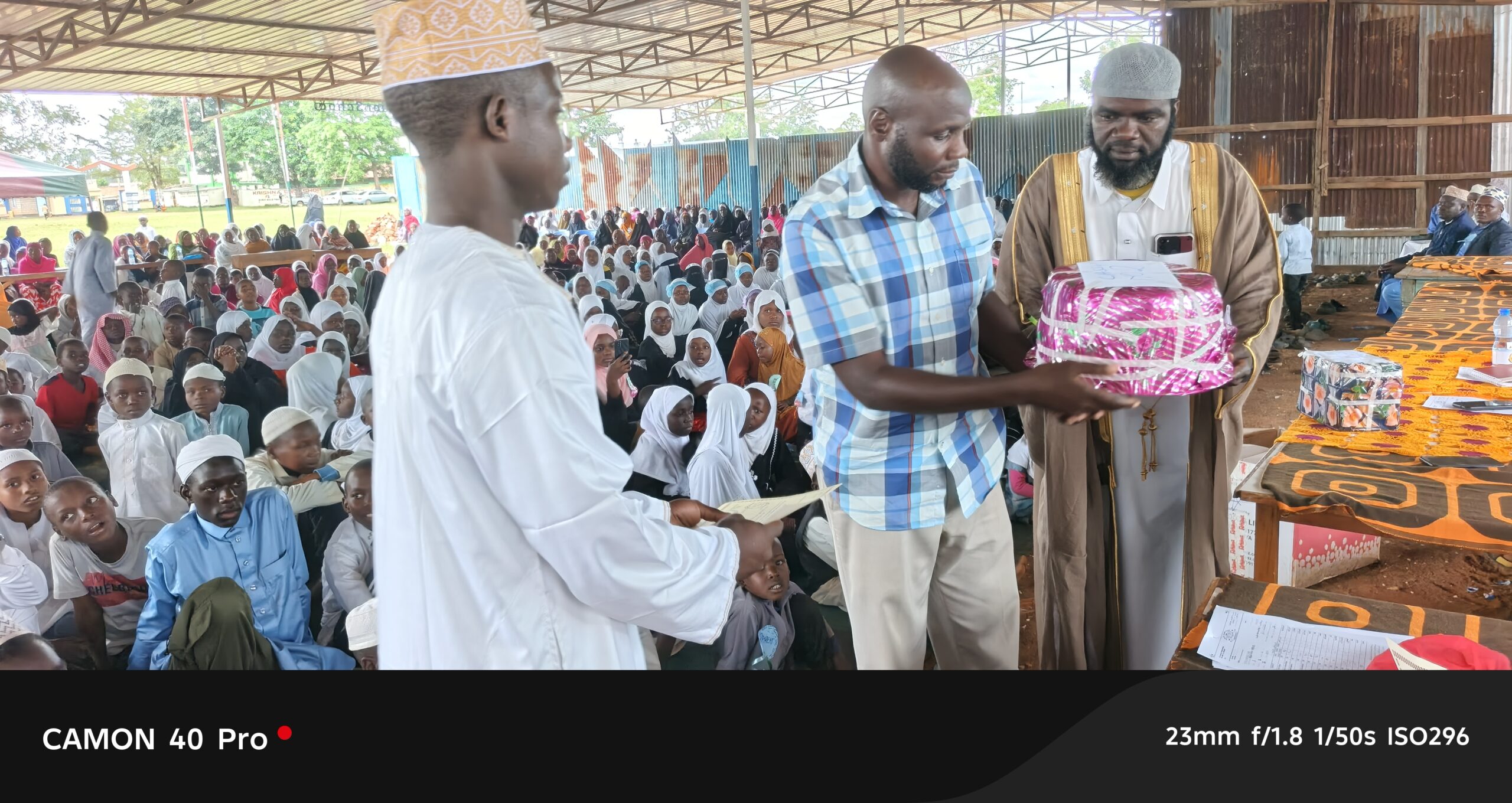
Speaking when he graced the closing ceremony of Answaar Madrasa (Answaar Islamic School) in Mumias, Mr. Muchelule noted that despite impressive enrolment numbers—thanks partly to free primary and subsidised secondary education—the quality of learning is deteriorating.
A 2023 report by Usawa Agenda revealed that a majority of learners progress through school without mastering basic literacy and numeracy skills, signaling a large-scale learning crisis.
“Thousands of children in public schools attend overcrowded classrooms, share books in ratios as high as 1:10, learn in dilapidated structures with some even learning under trees and have limited access to digital learning or science equipment.” Muchelule observed. “Simply put, the system is no longer delivering the promise of quality education.”
While the funding crisis is affecting smooth learning in public schools, Sheikh Abdulkadir Jilo, the head teacher of Answaar Madrasa, decried lack of interest in the local communities around Mumias from sending their children to study religion.
He said with 270 children at Answaar Madrasa, 70 come from surrounding communities in Mumias.
He called on Muslim parents to embrace both secular and religious education for their children.
“A child who attains religious and secular knowledge qualifies to serve in the government and religious institutions,” said Jilo. “These are the types of scholars who qualify to become Kadhis in the judicial system.”
Kenya’s education system stands at a dangerous crossroads. Without bold action, the country risks undoing decades of progress in literacy, human capital growth, and national development.
Kakamega Governor Fernandes Barasa who was represented by former Member of the County Assembly Suleiman Odanga, appreciated the cordial relationship between his administration and the Muslim community.
He spotlighted the importance of children learning religious education saying such children grow up into responsible citizens who ‘cannot be misused by politicians’.
“Children who grow up guided by religion are always upright and responsible. They can shape the future of our nation,” noted Mr. Barasa.
Muchelule now wants the Treasury and the Ministry of Education to clear outstanding capitation arrears, review and increase per-learner funding and ring-fence funds for CBC implementation.