|
Getting your Trinity Audio player ready...
|
By Portus Chege
With just over eighteen months until Kenya’s next presidential election, the political atmosphere is charged. Coalition realignments, some based on ethnic lines, are reshaping the landscape, prompting concern among observers about the potential for instability in a nation long considered a regional anchor of peace. Poll watchers, including the European Union mission in Kenya and religious leaders, have voiced caution. They warn that a highly polarised political climate, combined with a struggling economy, could pose serious challenges to the democratic process.
A central feature of the current political dynamic is the fragmentation of the opposition. The Orange Democratic Movement (ODM), the main opposition party, is publicly divided. This follows a “broad-based” government agreement brokered in 2024 between President William Ruto and former Prime Minister Raila Odinga. Initially intended to restore calm after the Gen-Z-led protests in mid-2024, the agreement’s one-year term has elapsed, but its political repercussions linger.
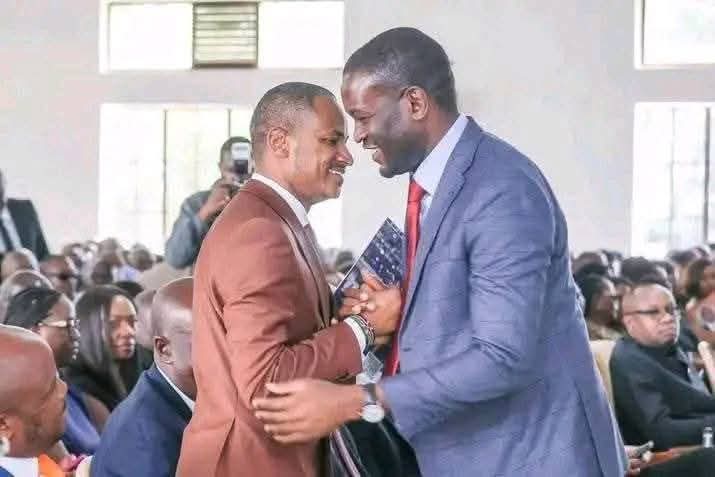
The ODM is now split between two factions. One, reportedly led by Raila Odinga’s brother, Oburu Odinga, has expressed support for a pre-election coalition with President Ruto’s United Democratic Alliance (UDA). The other faction, led by ODM Secretary General Edwin Sifuna and youth leaders like MP Babu Owino, strongly opposes this. They argue that cooperating with the UDA undermines the opposition’s role and that the government has failed to implement the ten-point agenda agreed upon as a condition for the broad-based government.
This internal rift has raised concerns about the health of multiparty democracy. “It is no secret there are concerns about the possible outbreak of violence and an onslaught on opposition politics,” said political analyst David Oloo. “This is not inevitable, but it is clear it would create a situation where everyone loses.”
The current pre-election environment is evoking memories of the 2007-2008 post-election violence. While the situation is distinct, the deepening economic crisis—characterised by high unemployment and a sense of hopelessness among the youth—adds a volatile element. Recent by-elections have been marked by allegations of bribery, intolerance, and disputes over results. “If the violence, the allegations, suspicions, and general acrimony are anything to go by, then we have a reason to be very worried,” noted Kiraitu Murungi, Chairperson of the Centre for Multiparty Democracy.
The politicisation of ethnicity is also a recurring theme. President Ruto, a Kalenjin, is seen as drawing support from the expansive Rift Valley bloc. The backing of President Ruto by the Oburu Odinga-led faction has led some to frame the contest as a struggle for the Luo vote, adding another layer of complexity to ethnic dynamics.