
|
Getting your Trinity Audio player ready...
|
By Mary Mwendwa
Nairobi,Kenya: For millions of people in malaria-prone regions, getting sick often means starting a complex three-day course of treatment. But remembering to take multiple pills over several days is a challenge, and when patients don’t finish their medicine, it can have dangerous consequences for both them and their community.
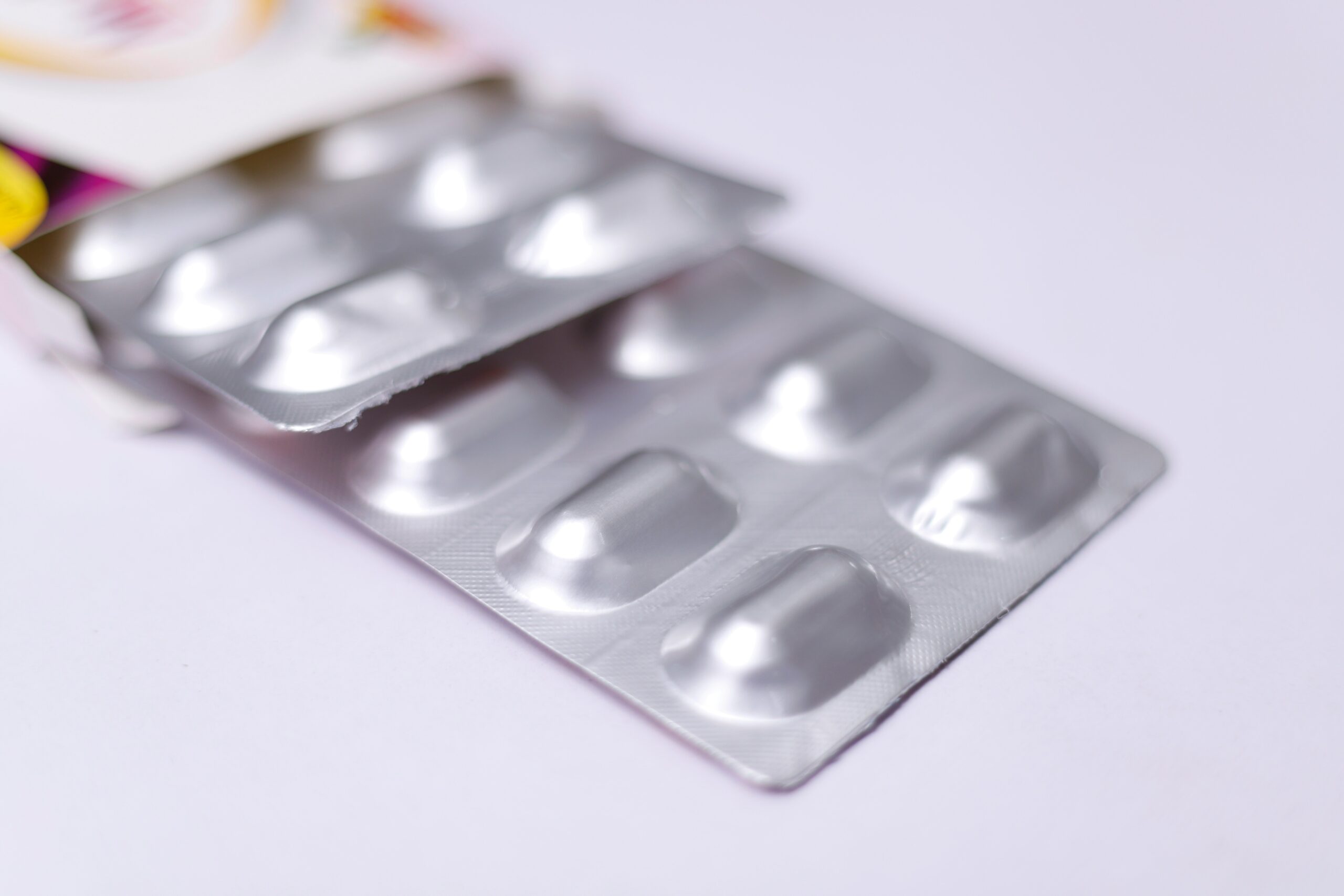
Now, a significant clinical trial in Gabon offers a promising solution: a single-dose cure that is just as effective as the standard treatment. This advance tackles two of the biggest problems in the fight against malaria drug resistance and patients not completing their treatment with a clever combination of four existing medicines.
The research, presented at the Annual Meeting of the American Society of Tropical Medicine and Hygiene, found that a single dose of a treatment combining four drugs—sulfadoxine, pyrimethamine, artesunate, and pyronaridine (together known as SPAP)—achieved a 93% cure rate. This was comparable to the 90% cure rate of the standard three-day, six-dose regimen.
“We found that our single-dose treatment was just as effective as the standard course that typically requires taking six doses spaced out over three days, which many patients never complete,” said Dr. Ghyslain Mombo-Ngoma, head of clinical operations at the Medical Research Center of Lambaréné (CERMEL) in Gabon and the lead author of the study.
A One-Two Punch Against Resistance and Non-Adherence
The battle against malaria has stalled. After years of progress, infections and deaths are rising again. A major reason is that the malaria parasite is developing resistance to the current first-line treatments, known as artemisinin-based combination therapies (ACTs). Compounding this problem is that many patients, for a variety of reasons, do not finish the full three-day ACT course.
“When a treatment is not completed, this is fueling the issue of resistance,” explained Dr. Mombo-Ngoma in an interview. “The ultimate goal of the malaria community is to develop drugs that can be given as a single dose.”
This new four-drug combo attacks the parasite from multiple angles at once. “It’s like forcing a pathogen to fight a multi-front battle,” said Dr. Mombo-Ngoma. This strategy, used successfully against diseases like tuberculosis, makes it much harder for the parasite to survive and develop resistance. Furthermore, a one-time dose eliminates the risk of a patient stopping treatment early.
A Real-World Trial with Real-World Impact
The Phase 3 trial was designed to reflect reality. It involved over 1,000 patients in Gabon, half of them children, who had confirmed but uncomplicated malaria. About half received the single-dose SPAP treatment, while the other half received the standard three-day treatment.
After 28 days, the results were clear: the single dose was not only effective but also safe, with no serious adverse events reported. Dr. Mombo-Ngoma noted he was pleasantly surprised that the single-dose cure performed slightly better, albeit not by a statistically significant margin.
“We were surprised in a positive way, of course, that what we were expecting has been confirmed,” he said.
Beyond the clinical numbers, the single-dose approach offers profound practical benefits. For families in areas where malaria is common, it is not unusual for several household members to fall sick at once. Managing multiple medication schedules for children and adults over three days is a heavy burden.
“Having a single shot in terms of taking the treatment… is facilitated in practice,” Dr. Mombo-Ngoma explained. He added that this could also have a positive economic effect, making treatment simpler and potentially more affordable for families and health systems.
For healthcare workers, the advantage is also clear. A single dose allows for “directly observed therapy,” meaning a health practitioner can watch a patient take the medicine, guaranteeing they are fully treated in one visit.
A Bridge to the Future
The development of entirely new, next-generation antimalarial drugs is underway, but they are likely still years away from reaching patients in rural Africa. This single-dose combo, made from existing and soon-to-be generic drugs, could be deployed much sooner.
“I’m a malaria researcher, but I’m also a doctor treating a lot of malaria patients, and I need new options now,” Dr. Mombo-Ngoma said. “What I hope is that, if we continue to have success with this single-dose cure, it can serve as a bridge to the new treatments now under development.”
He also believes that successfully implementing a single-dose regimen will help prepare health systems for the future. By training clinics and communities on one-dose treatments now, they will be ready to seamlessly adopt the powerful new drugs when they arrive.
The fight against malaria requires a toolbox of strategies, including mosquito nets and spraying. This new single-dose treatment adds a crucial, practical tool that could help turn the tide.
“It’s exciting to see our members pursuing innovative ways of fighting drug-resistant malaria while also seeking solutions to treatment-adherence challenges,” said ASTMH President Dr. David Fidock. “This study is a reminder that… ASTMH members are keeping their focus on research that can support better health for millions.”