|
Getting your Trinity Audio player ready...
|
By Lenah Bosibori
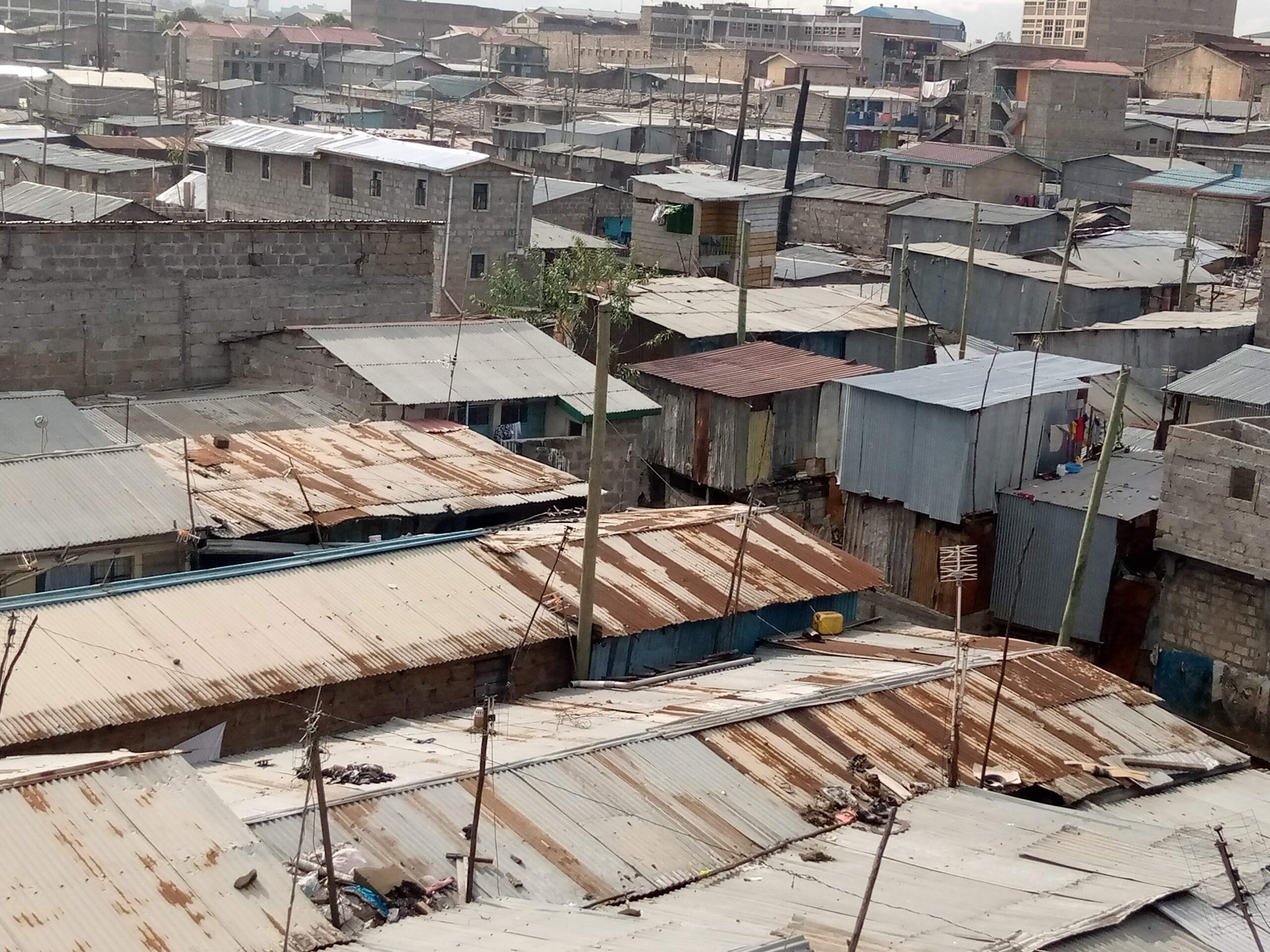
NAIROBI, Kenya: In Mukuru Kayaba, rows of rusted iron sheet houses stand tightly packed together, divided by narrow footpaths that turn muddy when it rains and dusty in the heat. Children run past open drains. Women carry jerry cans. Smoke from charcoal stoves hangs over the settlement.
Faith Kasntu*, who sells tomatoes, onions and Sukuma wiki from a small wooden stall, knows that struggle well. Every morning, she wakes before dawn to arrange her vegetables and prepare for another day of sales. In March this year, she discovered she was pregnant. Her first-born child was already living with her mother in the village, and she feared she could not afford another child on her small income.
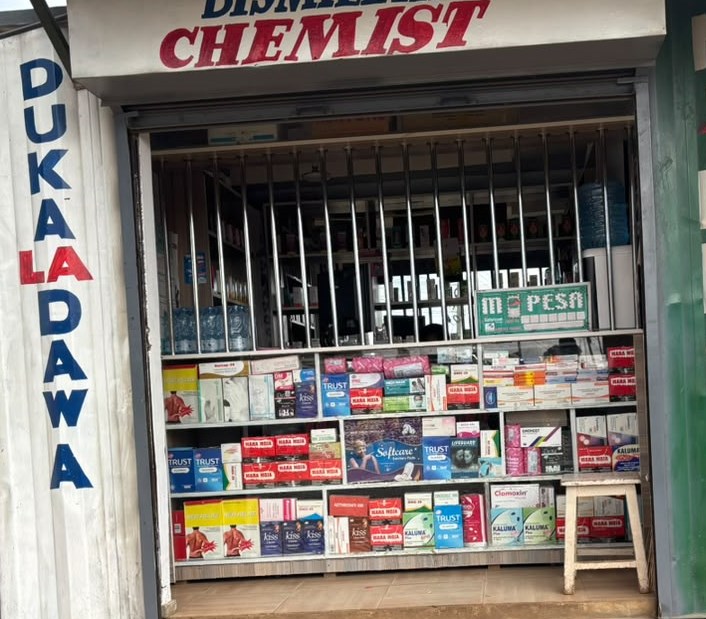
When her boyfriend denied responsibility and refused to support her, the fear grew. With no clear way to raise a child alone, Faith faced a decision that frightened her. She went to a nearby chemist, where she was given tablets and brief instructions on how to terminate her pregnancy.
“I was terrified to take the medicine,” Faith says. “I had heard stories and seen girls and women who lost their lives because of it.” For three weeks, she kept the tablets hidden in her house, hoping her boyfriend would change his mind. He did not.
“In the fourth week, I went back to the chemist and told them how fear had stopped me,” she says. “That was when I finally found the courage to take them.”
Within hours, she says, she developed severe abdominal pain and heavy bleeding. “I collapsed,” Faith says. “Luckily, the friend who had sent me to the chemist came to check on me. She carried me out of my room and rushed me back to the same pharmacy. That is where they gave me emergency medicine that saved my life.”
Faith’s experience reflects the difficult choices faced by some women and girls in Nairobi’s informal settlements, where poverty, stigma, lack of information and fear of the law can shape decisions about unintended pregnancy.
For many, the danger does not end when a pregnancy is terminated. It can become worse when heavy bleeding, pain or infection begins and a woman is unsure where she can seek help without being judged, exposed or arrested.
A Crisis Hidden By Silence
Abortion remains highly stigmatized in Kenya, making it difficult to measure accurately. The 2022 Kenya Demographic and Health Survey reported that less than one per cent of pregnancies ending in the three years before the survey were reported as induced abortions. But researchers warn that self-reported data can understate abortion because of fear, stigma and legal uncertainty.
A 2024 study published in PLOS Global Public Health, based on research in two Nairobi informal settlements, found that women often kept abortion secret. In 81 per cent of reported cases, women disclosed their experience only to someone they trusted, mainly friends or female relatives.
The study found that unidentified pills were commonly used. It also reported that lack of information, financial hardship and fear of stigma could push women towards unsafe procedures.
Earlier research in Nairobi’s informal settlements found that poverty, sexual violence, stigma and inconsistent contraceptive use can contribute to unintended pregnancy among adolescents. The PLOS One study found that an estimated 49 per cent of pregnancies among girls aged 15 to 19 in Nairobi’s slums were unintended.
For women in low-income communities, an unintended pregnancy can quickly become a health, economic and social emergency.
Kimanzi Kluz *, who runs a small pharmacy in Kware on the outskirts of Nairobi, says women sometimes arrive with severe pain and heavy bleeding after attempting to end a pregnancy.
“Sometimes I ask myself: what if a patient dies in my hands?” he says. He adds that one of the biggest challenges is determining whether a woman has completed the abortion or has complications that need urgent treatment.
“One of the main challenges we face when women come to the chemist after taking abortion pills is that they present with severe abdominal pain and heavy bleeding,” Kimanzi says. “It becomes very difficult to determine whether the abortion is complete or incomplete.”
He says such patients are often referred to better-equipped health facilities for an ultrasound scan and further treatment. But referrals can bring new delays. “In the process of referral, delays often occur because many women arrive without the funds needed to pay for scans or get a clear diagnosis,” he says.
The law allows abortion only in limited circumstances. Article 26(4) of the Constitution states that abortion is not permitted unless, in the opinion of a trained health professional, there is a need for emergency treatment, the life or health of the mother is in danger, or it is permitted by another written law.
At the same time, Sections 158, 159 and 160 of the Penal Code create offences related to unlawful abortion.
Section 158 provides for up to 14 years’ imprisonment for unlawfully attempting to procure a miscarriage. Section 159 provides for up to seven years for a woman who unlawfully procures her own miscarriage. Section 160 provides for up to three years for a person who unlawfully supplies drugs or instruments for that purpose.
For women facing a medical emergency, and for health workers treating them, the gap between the Constitution and the Penal Code can create fear and confusion.
A Case That Put Kenya’s Abortion Law On Trial
That uncertainty was at the centre of the case of PAK and Salim Mohammed v Attorney General and others. In September 2019, PAK, then a student, went to Chamalo Medical Clinic in Ganze, Kilifi County, after experiencing severe abdominal pain, bleeding and dizziness.
According to the 2022 Malindi High Court judgment, clinical officer Salim Mohammed examined her and concluded that she had suffered a spontaneous abortion. He performed a manual vacuum evacuation and treated her.
Police later went to the clinic, took PAK’s treatment records and arrested both PAK and Mohammed. PAK was charged under Section 159 of the Penal Code. Mohammed was charged under Section 158 and faced an alternative charge under Section 160.
In March 2022, the Malindi High Court found that the Penal Code did not adequately give effect to the constitutional exceptions under Article 26(4). The court ruled that the arrests, detention and prosecution of PAK and Mohammed were unlawful and called for a law and policy framework to guide access to abortion care.
However, the legal position changed again in April 2026 when the Court of Appeal set aside the High Court decision and reinstated the criminal proceedings against PAK and Mohammed, according to the Center for Reproductive Rights. The matter has since been appealed to the Supreme Court. The case remains active, meaning Kenya’s legal debate over abortion and post-abortion care is far from settled.
For health advocates, the key concern is what happens when women need urgent treatment after a miscarriage, an abortion or an incomplete abortion.
Margaret Nyambura, an advocate and health justice litigator at the Kenya Legal and Ethical Issues Network, says the law should clearly protect health workers who provide care within the grounds allowed by the Constitution.
“That means any doctor, nurse or healthcare professional arrested under Sections 158 and 160 would be protected by the exceptions provided in Article 26(4) of the Constitution,” Nyambura says. “If they provided care under the permitted grounds, they would not be subjected to criminal prosecution.” She says the current framework leaves frontline health workers exposed to arrest based on suspicion.
“Once someone providing healthcare is arrested, that prosecution sends a chilling effect across the profession, causing others to shy away from handling similar emergencies,” she says. “We see this as a serious clawback on the rights of women and girls in Kenya.”
Kimanzi agrees that the law needs greater clarity. “The Penal Code sets out heavy penalties for those who participate in abortion, but I see nothing wrong with amending it so it goes hand in hand with the Constitution,” he says.
He says the definition of a trained health professional should also be clear, so that practitioners understand their role and legal protection when handling emergencies. “The law should clearly state that as long as an intervention meets constitutional criteria, those involved should not face punishment,” he says.
Faith’s story is not only about abortion. It is about poverty, isolation, limited access to trusted health information, and the fear that seeking help may bring shame or legal trouble. Research shows that women in informal settlements face greater barriers to safe care than women elsewhere in Nairobi.
A 2025 conference study comparing abortion experiences reported that women in informal settlements were less likely to report care that met the World Health Organization definition of safe abortion and more likely to report complications than women in Nairobi’s general population.
The health risks become more serious when a woman delays seeking treatment because she has no money, fears stigma, or is unsure whether she will be treated with dignity.
For women in Mukuru and other informal settlements, the question is often not only whether a pregnancy can be ended. It is whether they can get timely, respectful, and life-saving care when something goes wrong.
*Names have been changed to protect the individuals’ identities.