|
Getting your Trinity Audio player ready...
|
By Juliet Akoth
Nairobi, Kenya: Africa hosted just 4% of clinical trials globally in 2023, despite carrying about a quarter of the world’s disease burden, according to a 2025 analysis by IQVIA, a global healthcare data and research company.
The analysis also highlighted that the gap has been particularly pronounced for noncommunicable diseases, including sickle cell disease, which affects millions of people across the continent.
However, that picture is beginning to change as pharmaceutical companies expand sickle cell clinical research into Africa and recruit patients on the continent.
But as new treatments move through trials, researchers, governments and patient advocates are confronting a question that goes beyond the science: will the health systems and communities that need these treatments be ready to receive them?
The question is particularly urgent in Kenya, where an estimated 250,000 people live with sickle cell disease and about 14,000 children are born with the condition each year, according to the Ministry of Health. Across sub-Saharan Africa, the majority of the estimated 500,000 babies born with sickle cell disease globally each year are concentrated in the region.
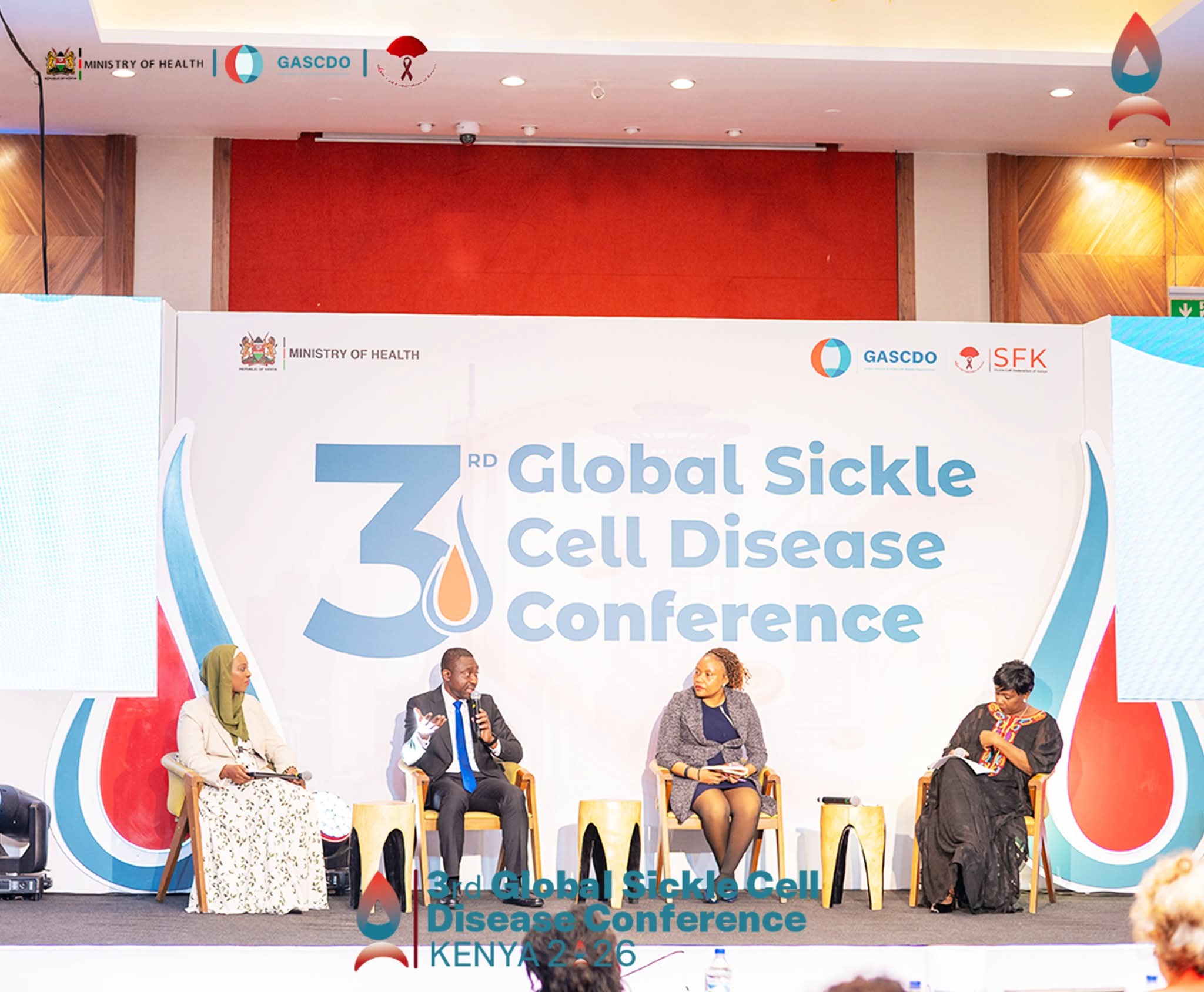
Those numbers gave urgency to a panel discussion on the second day of the third Global Sickle Cell Disease Conference (GASCDO), held in Nairobi from September 1 to 3, 2026.
The session, titled “Research to Impact: From Reactive to Proactive: Industry and Evidence Shaping the Future of Sickle Cell Care,” brought together representatives from Novo Nordisk, Sanofi, Agios Pharmaceuticals and Kenya’s Ministry of Health (MOH).
Their message was consistent: developing new treatments is only the beginning. For research to change lives, patients must help shape it, Africa must generate more of its own evidence, health systems must prepare for new technologies, and governments and industry must find ways to make innovations accessible.
From Patients’ Experiences to Clinical Trials
For Oladele Olagundoye, Head of Medical Research Portfolio and Value Evidence at Novo Nordisk, the starting point should be what patients say they need.
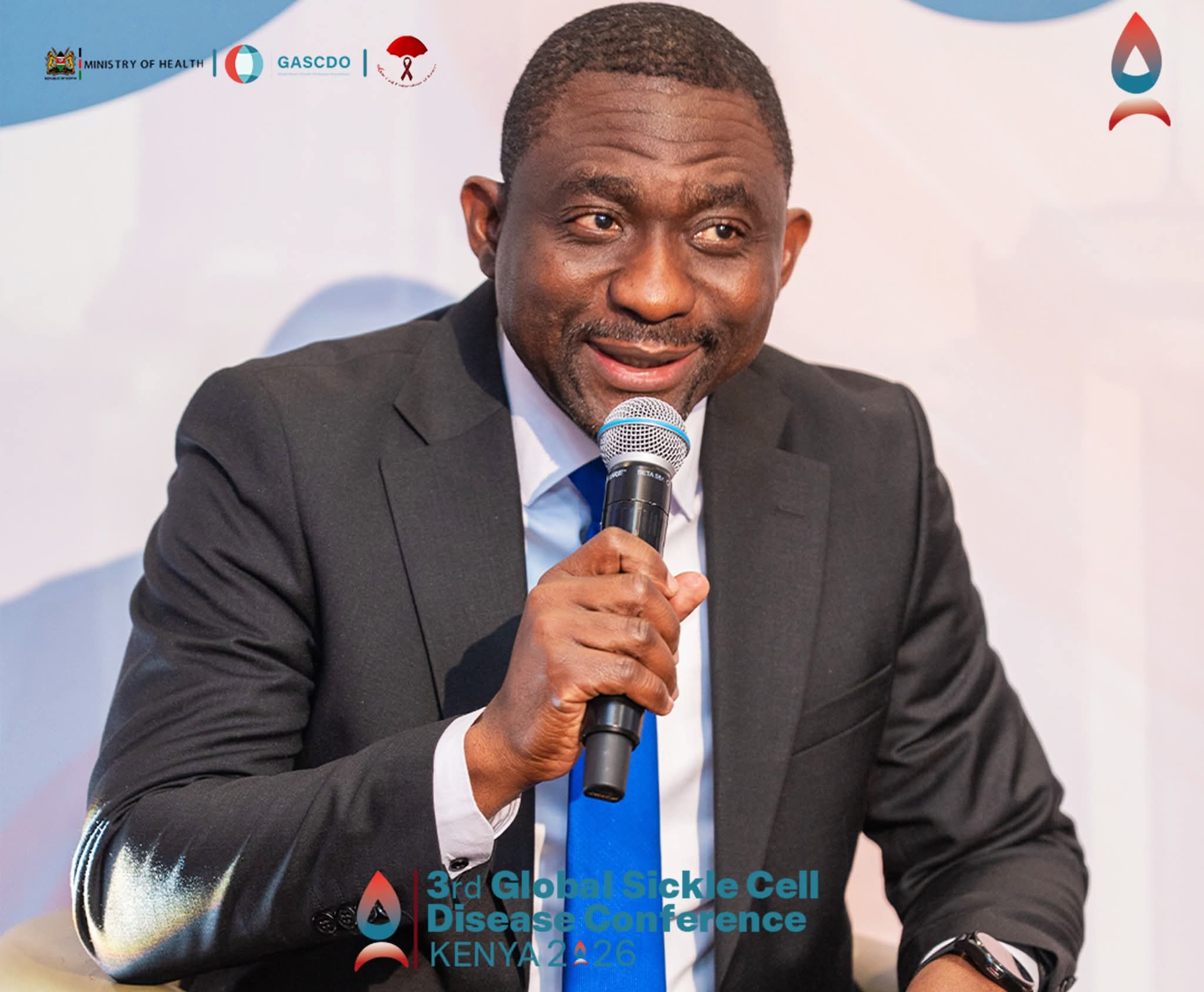
Olagundoye said patient councils and a listening survey, which included people in Kenya, helped the company identify hemolysis, chronic anemia and recurrent painful crises as major concerns. Those experiences informed the development of etavopivat, an investigational treatment designed to improve red blood cell health.
“What the company has done is to use the lived experiences to fashion out this clinical trial program, use the lived experiences also to understand what are the key pain points and developed a medication,” Olagundoye said.
He revealed that 385 patients around the world, including participants in Kenya, were enrolled in the trial. According to the results he presented, patients receiving etavopivat experienced a statistically significant one-gram-per-deciliter increase in hemoglobin during the first 24 weeks. Pain crises were reduced by 27% over a year, while the time to the first crisis was four months longer than among patients receiving placebo.
For Olagundoye, the significance was not simply the performance of a drug candidate. It was the process of connecting scientific research to problems identified by people living with the disease.
That approach was echoed by Dr. Huwaida Bulhan, Africa Region Lead at Sanofi, who said the company’s LIBRA study, a global clinical trial expected to become active later in 2026, includes sites in East and West Africa, including Kenya.
“We understand science alone is not the answer,” Bulhan said. “What makes the moment different is that we’re pursuing science and the healthcare ecosystem and its impact simultaneously.”
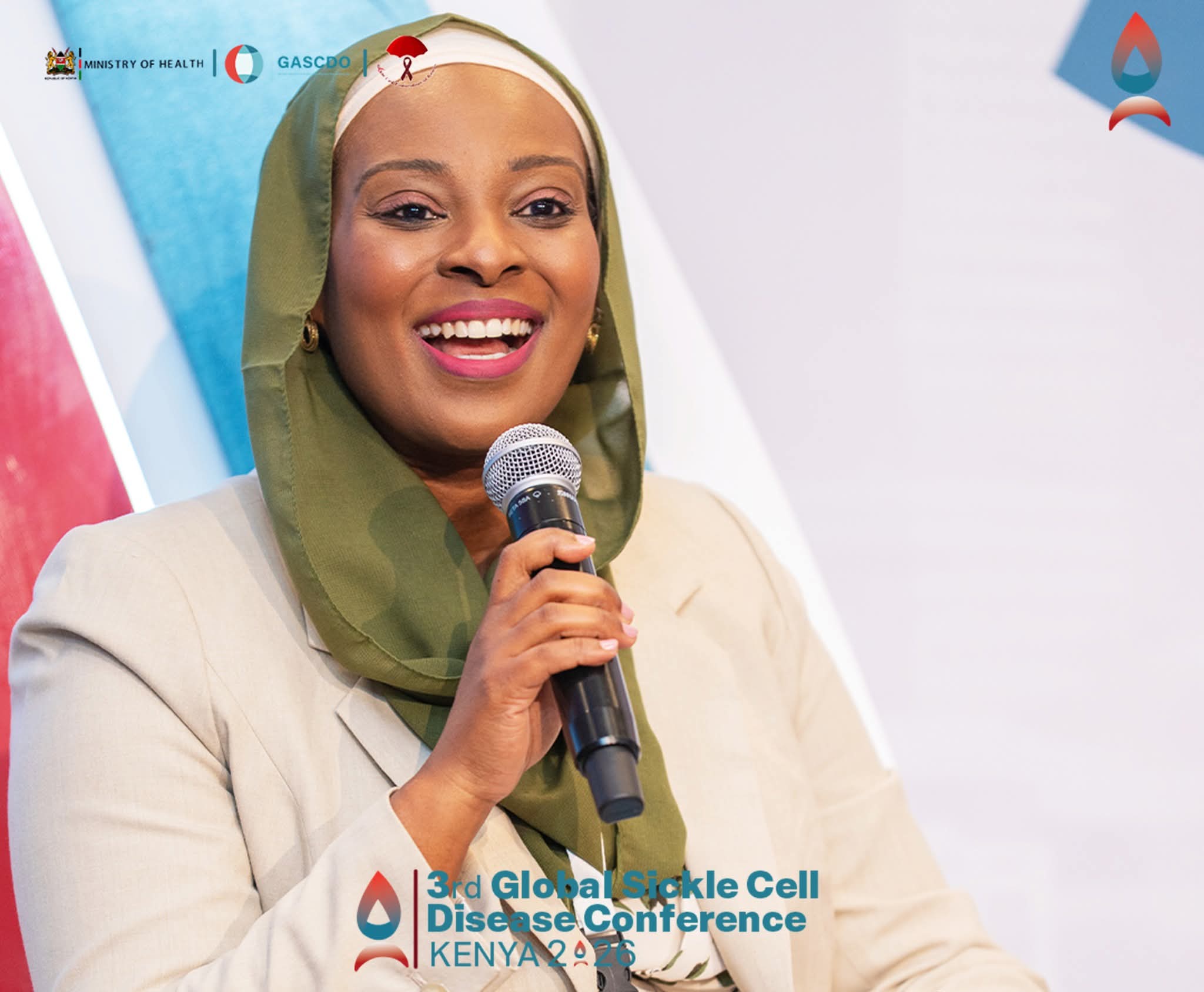
That distinction matters in Africa, where clinical research has historically been limited compared with the continent’s disease burden.
Africa Cannot Remain at the End of the Research Pipeline
Bulhan quoted the data on only about 4% of global clinical trials taking place in Africa, a statistic she described as particularly sobering for sickle cell disease given the continent’s burden.
Clinical trials conducted in Africa, she argued, do more than test whether a medicine works. They give patients closer access to emerging innovations and allow African healthcare workers to gain experience with new treatments rather than encountering them years later.
“Local evidence that is generated has to direct and inform clinical care practice,” Bulhan said.
She added that evidence should also influence how governments plan healthcare spending and develop policies.
Kennedy Ndirangu, a medical scientist director for sub-Saharan Africa at Agios Pharmaceuticals, approached the problem from another direction: even if a treatment is successfully developed, patients may still be unable to obtain it.
“For us, the simplest part is usually developing the molecule, access becomes the problem,” Ndirangu noted, referring to the development of a potential new medicine.
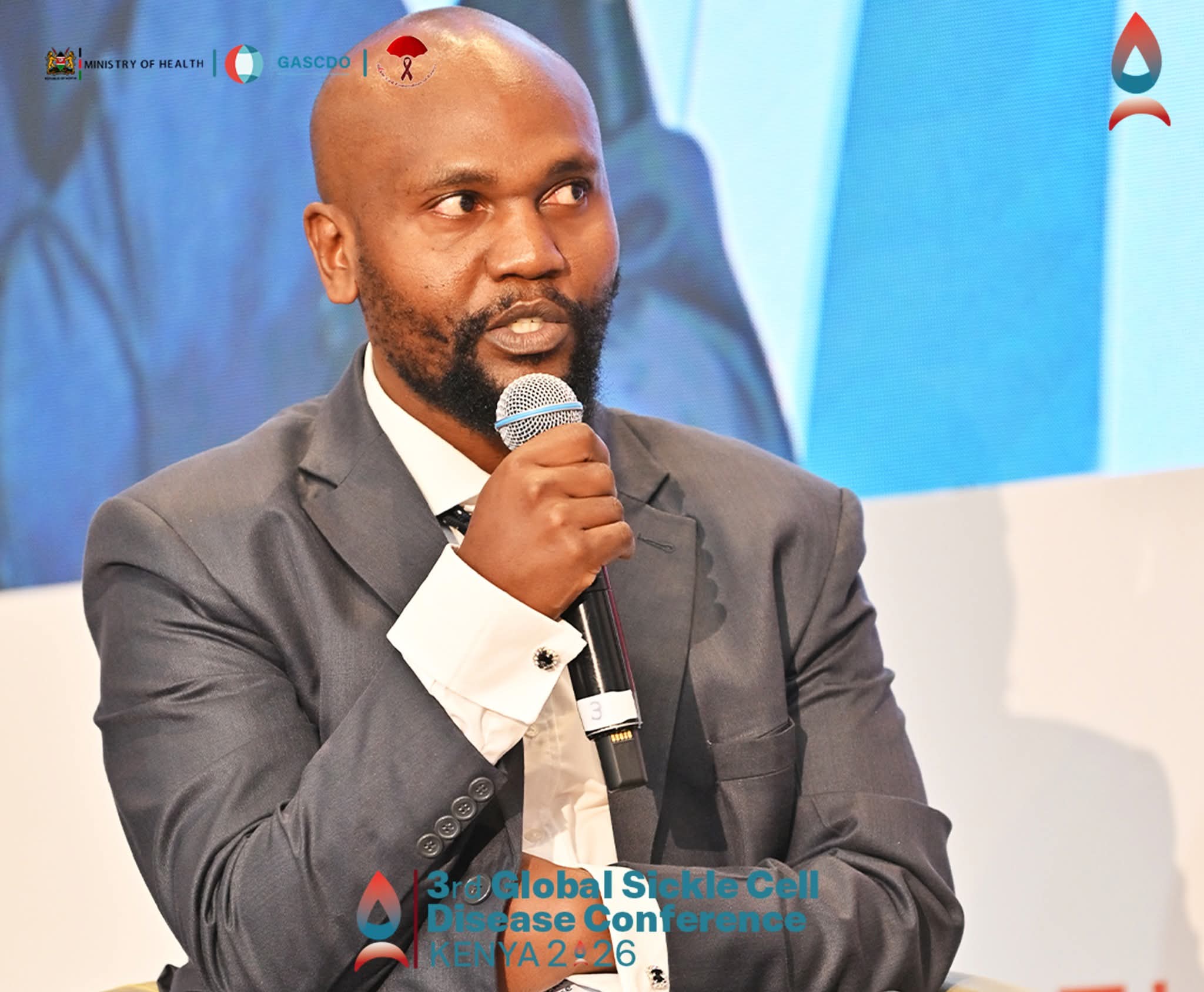
He said access requires more than putting a medicine on the market. Companies need partnerships with patients, healthcare providers, advocacy groups, policymakers and communities, as well as local partners who understand the health systems and have the infrastructure to deliver treatment.
He cited their Rise Up programme which he said included the experiences of living with sickle cell disease to shape the study.
“We really went out, reached out to patients, understood what it is like to live with sickle cell disease and then incorporated what we learned from these patients in the design of the study. In the long run, we ended up with a study that is very patient-designed,” Ndirangu said.
The same principle, he argued, should continue after a trial ends.
Preparing the System Before Innovation Arrives
Kenya’s Ministry of Health sees the same challenge from the health-system side.
Dr. Selina Marwa, a Program Officer, Division of Non-Communicable Diseases at MOH said the government is working to strengthen the system through health and digital reforms, including efforts to incorporate sickle cell indicators into Kenya’s digital health platform.
The planned national sickle cell patient registry is particularly important because Kenya still relies on estimates rather than a complete count of people living with the disease.
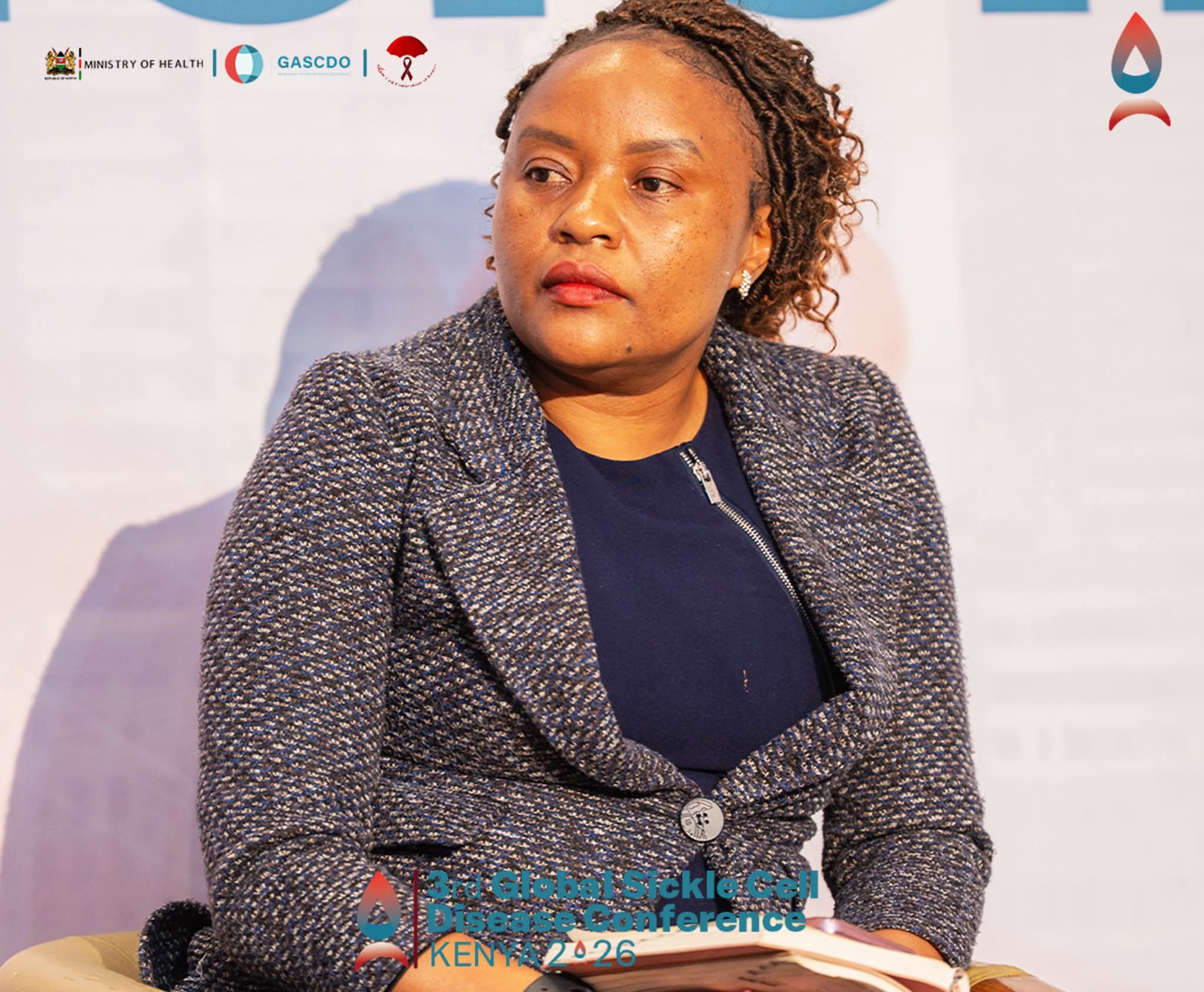
“With the actual numbers, we will be able to plan well, and of course be able to address the needs for sickle cell in our country,” Marwa said.
A registry could also make Kenya more attractive and prepared for future research by allowing researchers and policymakers to understand the size and characteristics of the patient population.
Marwa said Kenya’s Social Health Authority (SHA) benefits package already includes sickle cell treatment services that cover some costs faced by patients. She also noted that the Ministry is working on revised standardized guidelines that can incorporate emerging technologies and guide healthcare workers in making appropriate treatment decisions.
But preparation cannot stop inside hospitals
Olagundoye said Novo Nordisk is working with partners on newborn screening, training community health workers and connecting people who are diagnosed to care. Marwa similarly highlighted training for community health workers so they can educate communities, encourage early diagnosis and link patients to treatment.
For Bulhan, the wider health ecosystem is equally important. Sanofi’s humanitarian programme, she said, has provided treatment to thousands of people with rare diseases based on medical need regardless of where they live or their ability to pay.
Yet she returned to the larger gap facing Africa: clinical research itself.
Having trials on the continent, she said, can help level the playing field by giving patients earlier exposure to innovation while allowing local health workers to understand new therapies at the same time as their counterparts elsewhere.
The panelists also stressed that communities must trust and understand research before they can participate in it. Olagundoye said Novo Nordisk has established patient councils and consultative forums in Kenya, Nigeria and Ghana to identify concerns and misconceptions surrounding clinical trials.
“Without this community, the trials can’t happen, because the trials can only happen when the community embraces the trial,” he said.
That may ultimately be the most important shift from reactive to proactive care: ensuring that patients are not simply subjects of research, but participants in deciding what research should address and how its benefits should reach them.
By the time the global sickle cell community meets again in 2028, the panelists said they want to see measurable progress. Agios wants patients, caregivers and advocates to have a stronger voice in shaping research. Sanofi wants more evidence reflecting Africa’s diversity.
Novo Nordisk wants scientific advances translated into local access. Kenya’s Ministry of Health wants a functioning national registry and updated treatment guidelines.
The challenge is therefore no longer only whether science can produce better treatments. It is whether the systems, policies and communities around that science can move quickly enough to ensure that patients in Africa are not left waiting for the benefits.