|
Getting your Trinity Audio player ready...
|
By Victoria Musimbi
Nairobi, Kenya: Kenya is stepping up efforts to improve care for people with sickle cell disease, with stakeholders calling for earlier diagnosis, reliable access to blood, timely emergency treatment and wider access to new medicines.
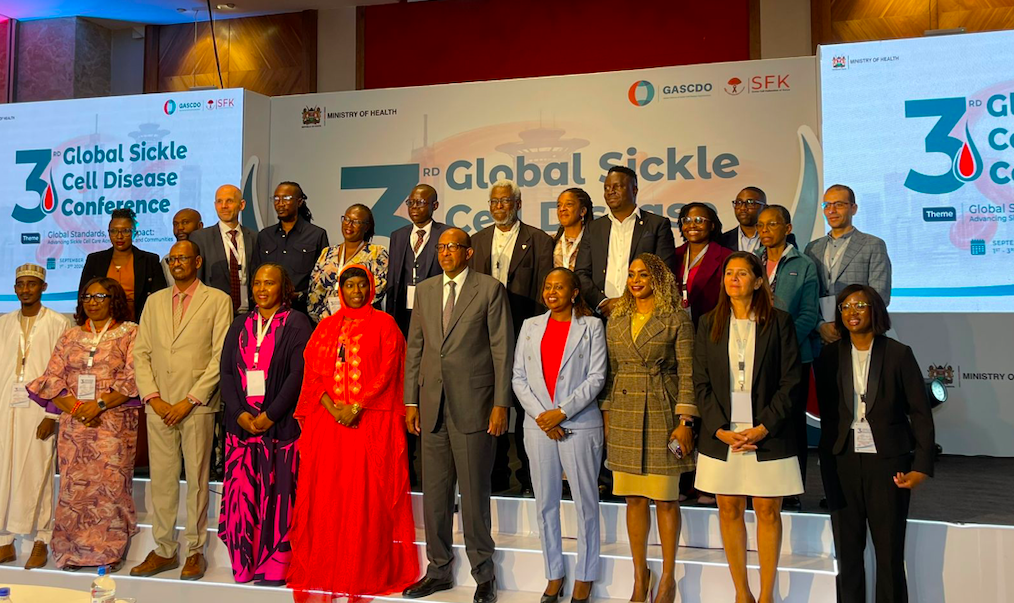
The focus is shifting from treating painful crises to providing continuous, long-term care while addressing stigma and misconceptions. The issues took centre stage at the Global Sickle Cell Disease Conference in Nairobi, convened by global sickle cell disease organisations.
in partnership with the Ministry of Health and the Sickle Cell Federation of Kenya. More than 200 leaders, clinicians, researchers, policymakers, patient organisations, sickle cell warriors, caregivers and industry representatives from Africa and beyond attended.
Living Beyond the Crisis
The campaign for improved healthcare is deeply personal for 37-year-old Jackline Oyamo. Identified with sickle cell disease at just two months old after her mother sought care across multiple hospitals, she has navigated continuous pain, societal stigma, and a high-risk pregnancy. Strong family support played a key role in helping her manage external prejudice.
“The journey has not been easy. I have struggled with pain and stigma, but what has kept me going is the support I have received from my family,” she said.
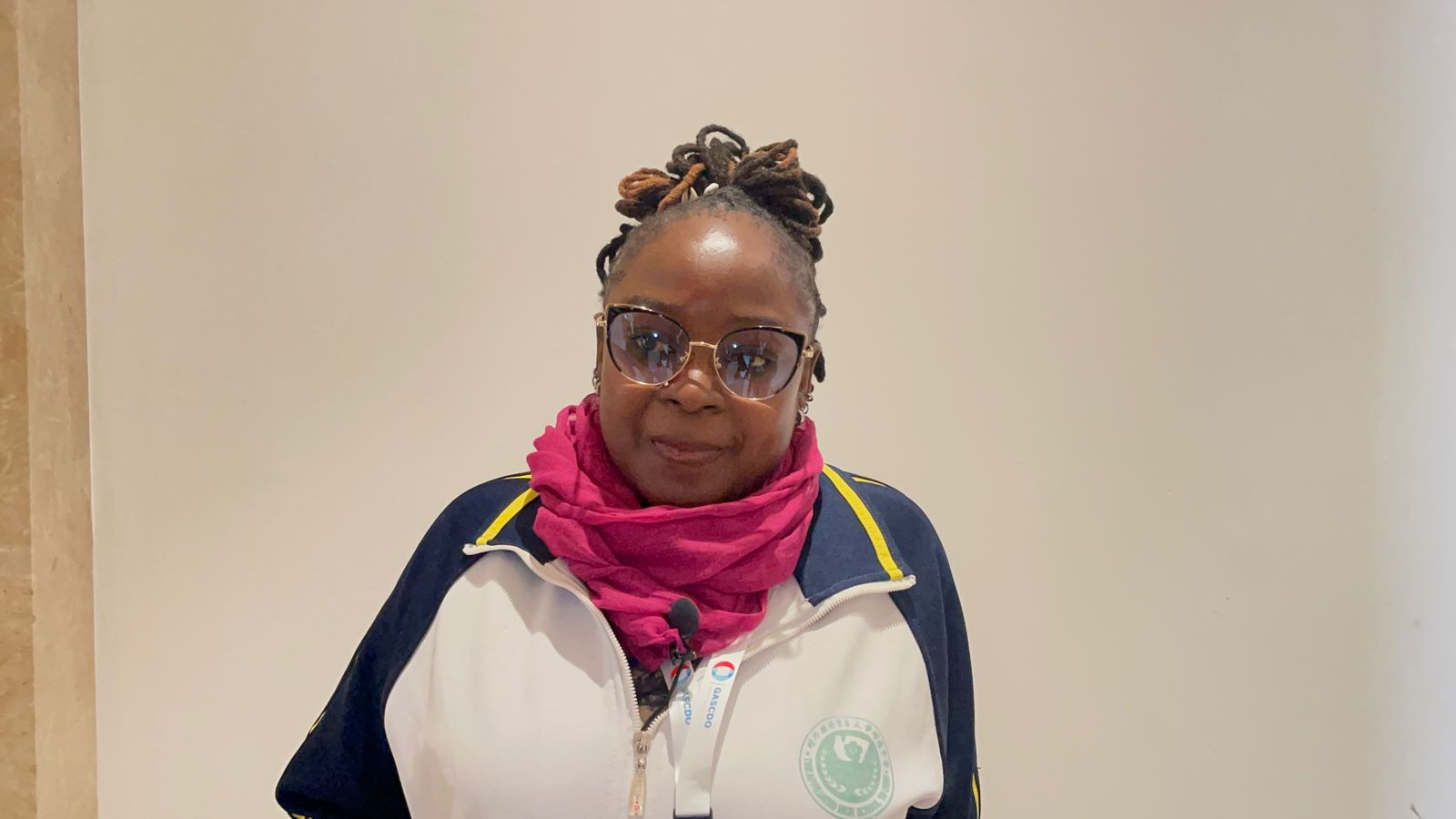
Jackline seeks to debunk the myth that individuals diagnosed with the condition are unable to survive past the age of 18.
“I want to give hope to other warriors. We have gone beyond 18 and we are continuing to live. I have even met someone who is 75 years old and living with sickle cell disease,” she said.
During her pregnancy, Jackline, who is now a mother to a four-year-old, faced serious medical challenges. Upon starting antenatal care, physicians discovered her blood levels were critically low, leading to her admission at Kenyatta National Hospital for the remainder of her pregnancy.
Due to fetal distress, her baby was delivered prematurely at 28 weeks. Jackline emphasized that her medical care was made possible through NHIF coverage in a program that has now been succeeded by the Social Health Authority (SHA).
Her child inherited an S gene from Jackline (who has an SS genotype) and an A gene from her partner (who has an AA genotype), making the child a sickle cell carrier.
Jackline actively works to dismantle persistent myths surrounding sickle cell disease, including the belief that patients cannot survive past age 18 or that the condition stems from witchcraft.
Advocating for improved public education, she shared: “I want to give hope to other warriors. We have gone beyond 18 and we are continuing to live. I have even met someone who is 75 years old and living with sickle cell disease.”
Jackline is calling for better access to blood during crises, saying patients can die when hospitals lack supplies and families are forced to find donors during emergencies.
She also wants government support for patients who need red blood cell exchange but cannot afford the procedure.
“Some warriors would benefit from blood exchange but cannot afford it. I urge the government to consider covering part of the cost so that families can access this treatment,” she said.
For Jackline, better care means patients should not have to wait until a crisis becomes severe before receiving treatment.
Beyond Emergency Treatment
Jackline’s experience reflects wider concerns among patient advocates about how people with sickle cell disease are treated within the health system.
Geoffrey Owino, Chief Executive Officer of the Sickle Cell Federation of Kenya, said hosting the global conference in Africa gave Kenya an opportunity to demonstrate its commitment to improving care.
He linked the conference theme to Article 43 of the Constitution, which guarantees every person the right to the highest attainable standard of health.
“Global standards and the highest attainable standard of health, I believe we are speaking the same language,” Owino said.
He said achieving this right requires collaboration and advocacy, pointing to red blood cell exchange as an important treatment advance.
Owino raised concern over delays in emergency care, which he said have contributed to deaths among patients.

“Many warriors, unfortunately, have lost their lives in emergency departments,” he said, calling for patients experiencing crises to receive timely and appropriate treatment.
He also said care should extend beyond hospitals, calling for opportunities for people with the condition to participate in the economy and decision-making.
“We have to find a way of bringing persons with sickle cell into the economy, so that they can work,” he said.
A Shift to Long-Term Care
While patient advocates are calling for better emergency care and social support, industry players say treatment must also shift towards long-term management.
Malika de Maillard, Head of Business Area Africa at Novo Nordisk, said improving care requires collaboration among patients, caregivers, health workers, researchers, industry and governments.
“Sickle cell disease affects around eight million people globally, with about six million living in Africa. This is why it is important to be in Africa today. The conference is a call to action for patients living with sickle cell disease,” she said.
She said the condition is now a priority within Novo Nordisk’s portfolio, with the company investing in research and treatment options.
She highlighted etavopivat, a medicine undergoing clinical trials in Kenya, Ghana and Nigeria.
However, she stressed that science alone cannot address the challenges associated with the disease.
“Science is one part of the solution, but this disease is very complex. It affects patients, caregivers, healthcare professionals and health systems. We need an alliance to tackle this disease,” she said.
De Maillard called for a shift from reactive treatment of painful crises to proactive, long-term management.
“Sickle cell disease is a chronic disease. We need sustainable management of the disease,” she said.
Researching Simpler Treatment
The search for new treatment options is also underway in Kenya, where Novo Nordisk is conducting clinical trials for a potential medicine.
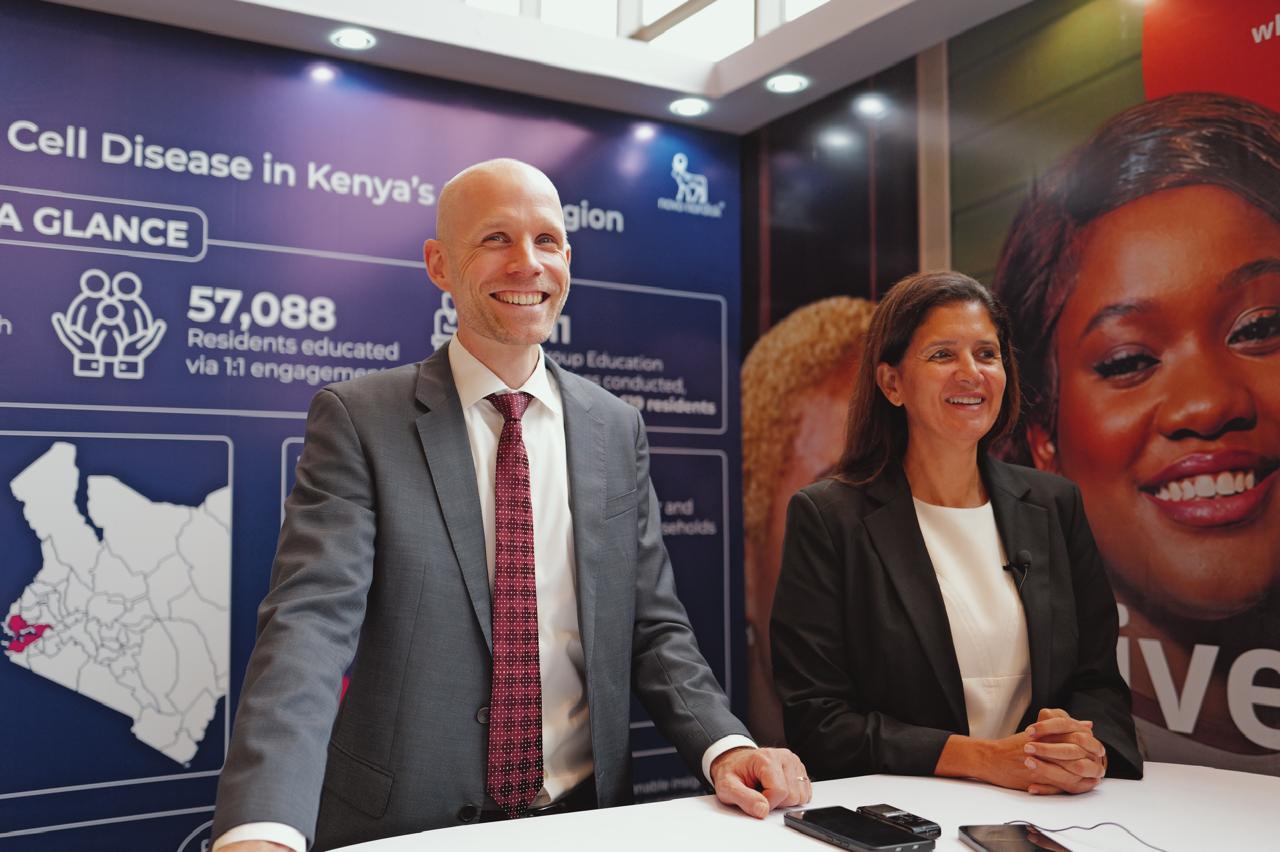
Jakob Mollerup, General Manager of Novo Nordisk Middle Africa, said the trials are being conducted at several sites in Kenya.
He said the potential treatment could offer patients a simpler option if the clinical trials are successfully completed and the medicine receives the necessary regulatory approvals. The medicine is being developed as an oral tablet, which could make treatment simpler than complex interventions such as bone marrow transplantation.
Mollerup said the approach is not gene therapy. Instead, it is designed to improve red blood cell metabolism and reduce sickling, potentially allowing treatment without advanced machinery or complex infrastructure.
He also highlighted the need for awareness in rural communities, where misconceptions persist.
During visits to rural clinics in Siaya, he said some parents attributed the condition to witchcraft or punishment.
He said communities need accurate information that sickle cell disease is genetic, while health workers should be equipped to diagnose and manage it effectively.
Mollerup said successful development would depend on completing the trials and securing regulatory approval before the medicine can become available to patients.
Kenya Strengthens National Response
The push for better treatment and greater awareness comes as Kenya continues to strengthen its national response to sickle cell disease.
Kenya has approximately 250,000 people with sickle cell disease, while about 14,000 newborns are born with the condition every year. The country loses an estimated 400 people with the disease annually.
Seventeen of Kenya’s 47 counties are considered high-burden areas, highlighting the need for targeted interventions where the disease burden is greatest.

Dr. Gladwell Gathecha, Head of the Division of Non-Communicable Diseases at the Ministry of Health, said Kenya has made progress in moving the disease from a largely neglected condition to a national health priority.
“It has been quite a journey to reach where we are today, where sickle cell has moved from being a neglected condition to one that is now prioritised at the national level,” Dr Gathecha said.
She said the government has taken steps to strengthen the national response.
In 2015, sickle cell disease was included in Kenya’s health strategic plan, although it lacked detailed interventions targeting the condition.
In 2020, the second strategic plan gave the disease greater visibility, incorporating activities to strengthen prevention, diagnosis and management.
Interventions included sickle cell testing and centres of excellence in high-burden regions, alongside efforts to strengthen healthcare workers’ capacity.
Dr. Gathecha said these measures marked an important shift, with greater emphasis on early diagnosis, quality care and essential health services.
She said continued progress would require stronger systems connecting early diagnosis with appropriate treatment and follow-up, particularly in counties carrying the greatest burden. Strengthening these links, she said, would be critical to ensuring that gains made at policy level translate into better outcomes for patients, especially those in underserved communities.