|
Getting your Trinity Audio player ready...
|
By Liz Anyango
Nairobi Kenya: Think of the last time you saw a horse. Chances are it was on a ranch, during a military parade, at a police event or at a horse-riding competition. For many Kenyans, horses have long been linked to prestige and sport rather than everyday life. Today, that is changing.
From beaches and public parks to shopping malls and tourist destinations, horses are becoming a familiar sight. On weekends, children line up for horse rides while parents capture the moment on their phones.
Along the coast, tourists enjoy horseback rides on the beach. Behind these experiences is a growing industry that is creating jobs for trainers, handlers, photographers and tour operators.
But beneath the growing fascination with horses lies a question few people stop to ask
As more Kenyans embrace horses, who is looking after their welfare?
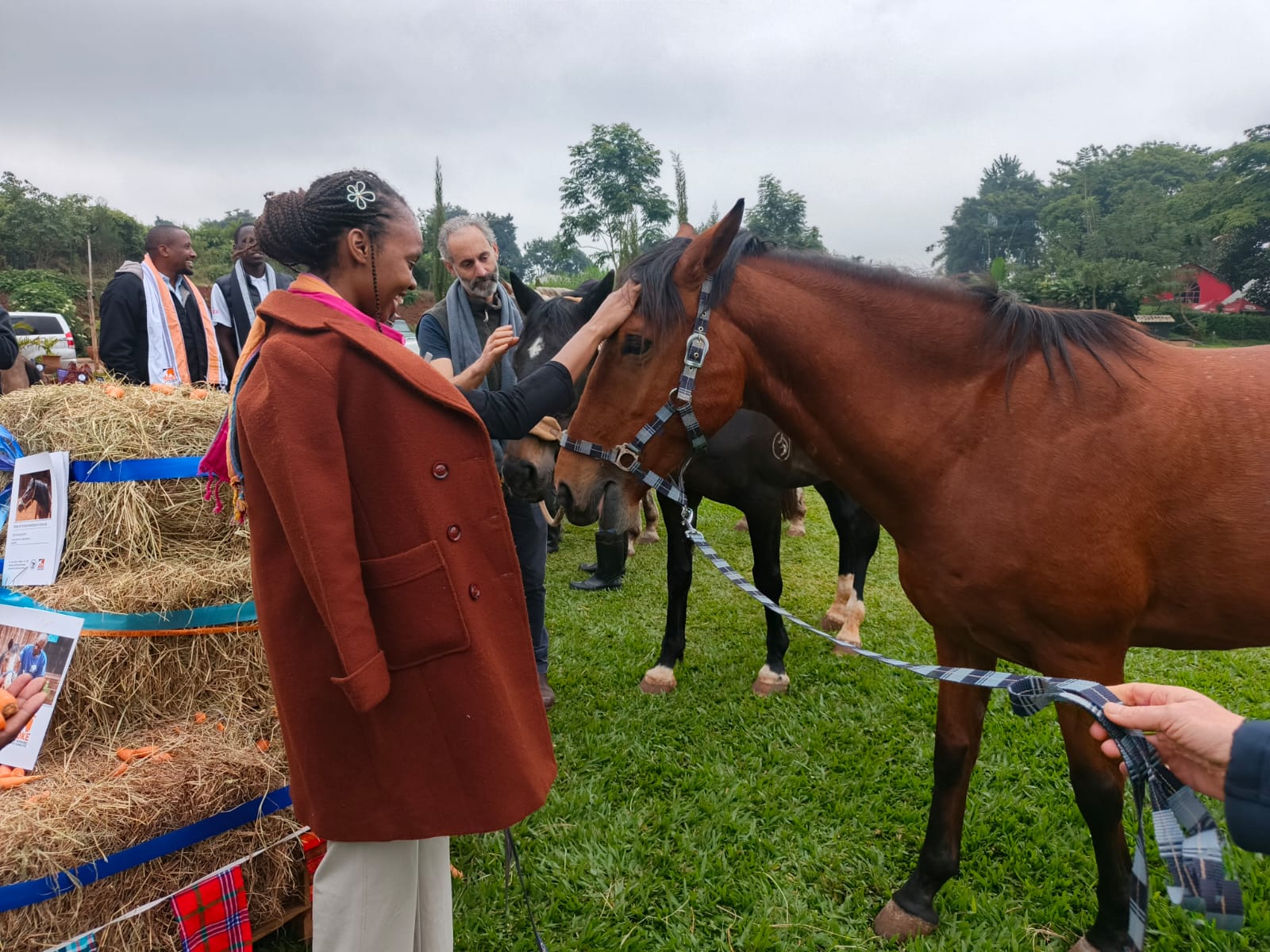
With concerns rising that the rapid expansion of the nation’s horse industry is outpacing protective measures, Brooke East Africa and the Kenya Society for the Care and Protection of Animals (KSPCA) have introduced Furaha Ya Farasi, Kenya’s first specialized program for horse welfare.
The initiative is backed by the inaugural State of Horse Welfare in Kenya 2026 report, the first nationwide assessment of the opportunities and welfare challenges facing horses in Kenya.
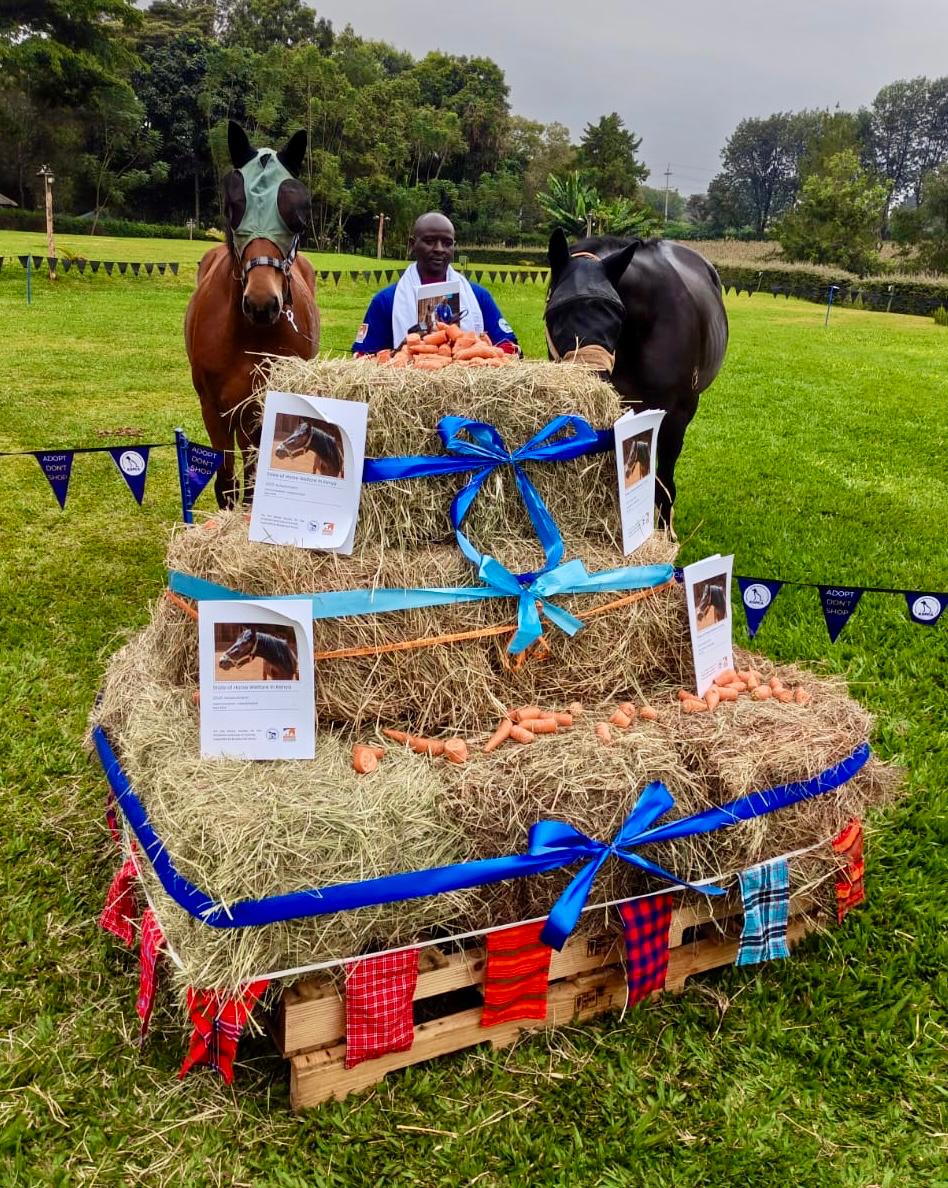 Rather than celebrating the growing popularity of horses, the report paints a more complicated picture, one where the industry’s growth is outpacing efforts to protect the animals.
It documents cases of neglect, poor nutrition, inadequate shelter, improper handling, misuse and illegal cross-border movement of horses into Kenya. While many owners provide excellent care, others are venturing into horse ownership with little understanding of the financial and technical commitment the animals require.
“The situation is worsening, and it’s worsening rapidly,” said KSPCA Chief Executive Officer Emma Ngugi.
According to Ngugi, the increasing demand for horses has outpaced public understanding of what responsible ownership actually entails.
Owning a horse, she explained, extends far beyond purchasing the animal. Proper care requires quality feed, regular veterinary attention, farrier services, suitable housing, appropriate equipment and trained handlers also expenses that can cost about KSh 60,000 every month, depending on the horse’s needs.
Furaha Ya Farasi Programme
As horses find new roles beyond traditional equestrian circles, the need for better knowledge and responsible ownership is becoming increasingly urgent.
Brooke East Africa Project Manager Elijah Mithigi said the rapid growth of horse-related businesses had exposed a major knowledge gap, with many new owners and handlers lacking the skills needed to properly feed, house, harness and care for horses.
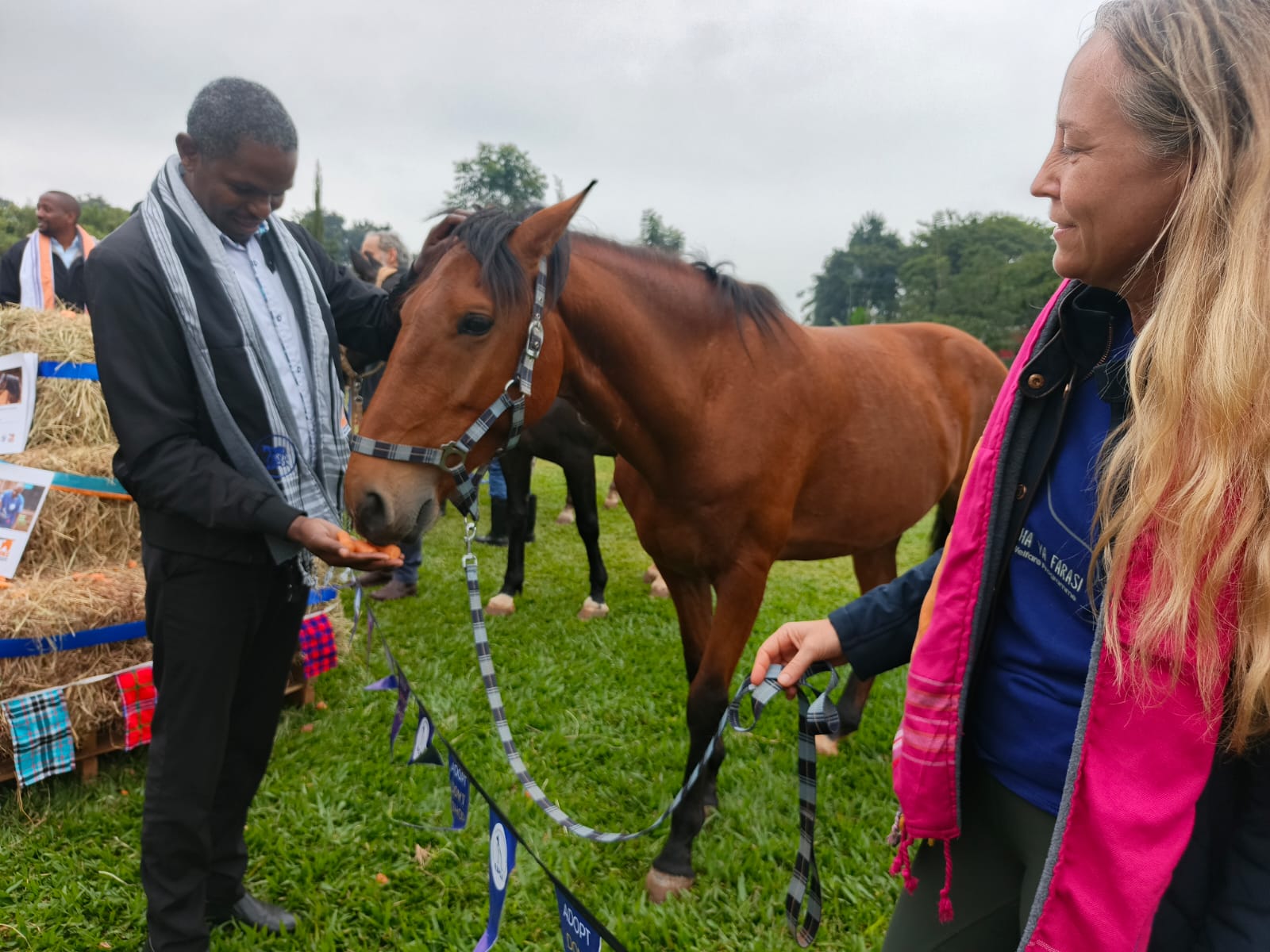 Through the Furaha Ya Farasi programme, Brooke East Africa and KSPCA hope to bridge that gap by equipping owners, handlers and communities with practical skills on responsible horse management while promoting a culture that recognises animal welfare as an essential part of the industry’s growth.
Senior Deputy Director of Veterinary Services Dr. Sabenzia N. Wekesa said the report highlights significant gaps in Kenya’s horse welfare systems, noting that many animals continue to be denied internationally recognised welfare standards, including adequate nutrition, protection from disease and injury, freedom from distress and the ability to express natural behaviour.
She acknowledged that Kenya currently lacks comprehensive systems to register horse owners or accurately track the country’s horse population, estimated at between 3,000 and 6,000 animals.
To address these gaps, the government is reviewing the Prevention of Cruelty to Animals Act of 1962 through a proposed Animal Welfare and Protection Bill that seeks to strengthen penalties for cruelty and align Kenya’s legal framework with international standards.
Authorities are also developing an Animal Registration, Identification and Traceability Bill, expected to improve registration of animals and owners, strengthen disease surveillance and curb illegal trafficking.
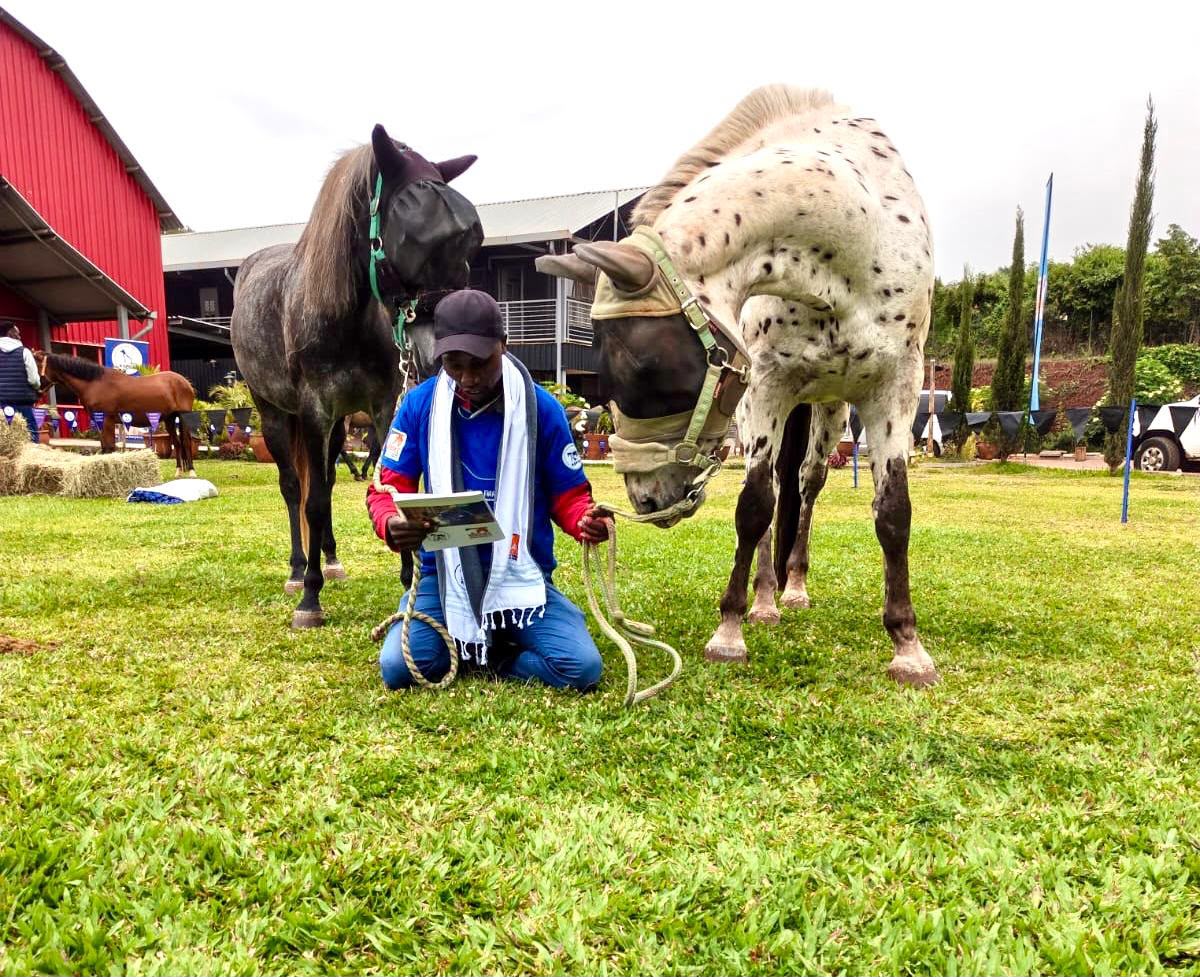 Experts also raised concerns over the illegal cross-border movement of horses, warning that many animals endure long journeys without adequate food, water or veterinary care before reaching their destinations.
For stakeholders, the reforms cannot come soon enough. As horses become an increasingly visible part of Kenya’s tourism, recreation and leisure economy, they say regulation, public awareness and responsible ownership must evolve just as quickly.
Protecting horses, they argue, will require more than stronger laws.
It will also depend on educating owners, improving welfare standards and recognising that the animals are sentient beings whose wellbeing is closely tied to the livelihoods they support.
As Kenya’s horse industry continues to expand, its success may ultimately be measured not by how many horses the country has, but by how well it cares for them.