|
Getting your Trinity Audio player ready...
|
By Lilian Museka
Nairobi—For Nakuru-based journalist Wanjeri, June 2024 was supposed to be another day of doing what she had done for years: documenting events and telling stories that matter to the public.
Instead, it became a day that permanently changed her life.
While covering the anti-government protests, Wanjeri was shot by police. The bullet left her with injuries that continue to affect her health, requiring long-term medication and serving as a painful reminder of the risks journalists face while carrying out their constitutional responsibility of informing the public.
Months later, reflecting on her experience, Wanjeri made a statement that revealed another painful reality beyond the shooting itself. “I think I went back to work too soon.”
Her words exposed a deeper challenge within Kenya’s media industry: the lack of adequate structures to support journalists after traumatic experiences.
For many journalists, returning to the newsroom is not necessarily a personal choice but an expectation, even when they are physically injured or psychologically affected.
“If newsrooms were supportive, I would have been told to take more time and recover more,” she said.
Wanjeri’s experience is not an isolated case.
During the Gen-Z protests and other public demonstrations, several journalists reported attacks while covering events in the public interest. Some were assaulted, and others had their cameras and equipment confiscated, while others faced threats, harassment, and intimidation.
The attacks triggered condemnation from media stakeholders, including the Media Council of Kenya (MCK) and the Kenya Union of Journalists (KUJ), who called for accountability and stronger protection of journalists’ rights.
However, these incidents are not new. They reflect a recurring pattern of insecurity that Kenyan journalists have faced while documenting moments of national importance.
During the 2022 general election period, journalists across the country reported various forms of harassment, intimidation, and attacks while covering political events and public demonstrations.
Some faced hostility while reporting on politically sensitive issues, while others experienced threats, interference, and restrictions while carrying out their work. The Political Journalists Association of Kenya (PJAK) raised concerns over increasing attacks against journalists covering political campaigns. The association reported that more than 50 journalists had experienced attacks, including physical assault, being ejected from political meetings, threats, insults, and profiling while covering political activities. The incidents highlighted the growing risks journalists face during election periods, when public interest reporting becomes most critical.
The recurrence of these incidents raises tough questions about whether enough has been done to protect journalists over the years.
Despite repeated statements of condemnation from media stakeholders, many perpetrators of attacks against journalists continue to operate with limited accountability.
As Kenya approaches the 2027 general election, journalists and media stakeholders warn that lessons from previous election cycles must translate into stronger safety mechanisms.
Protecting journalists cannot remain a reactionary response after attacks occur. It must become a deliberate system embedded within newsrooms, media institutions, and national accountability frameworks.
The question now confronting the media sector is, how do we move from statements of outrage to practical systems that protect journalists?
Journalists are expected to report during elections, protests, disasters, conflicts, and crises, often being the first people on the ground when others retreat.
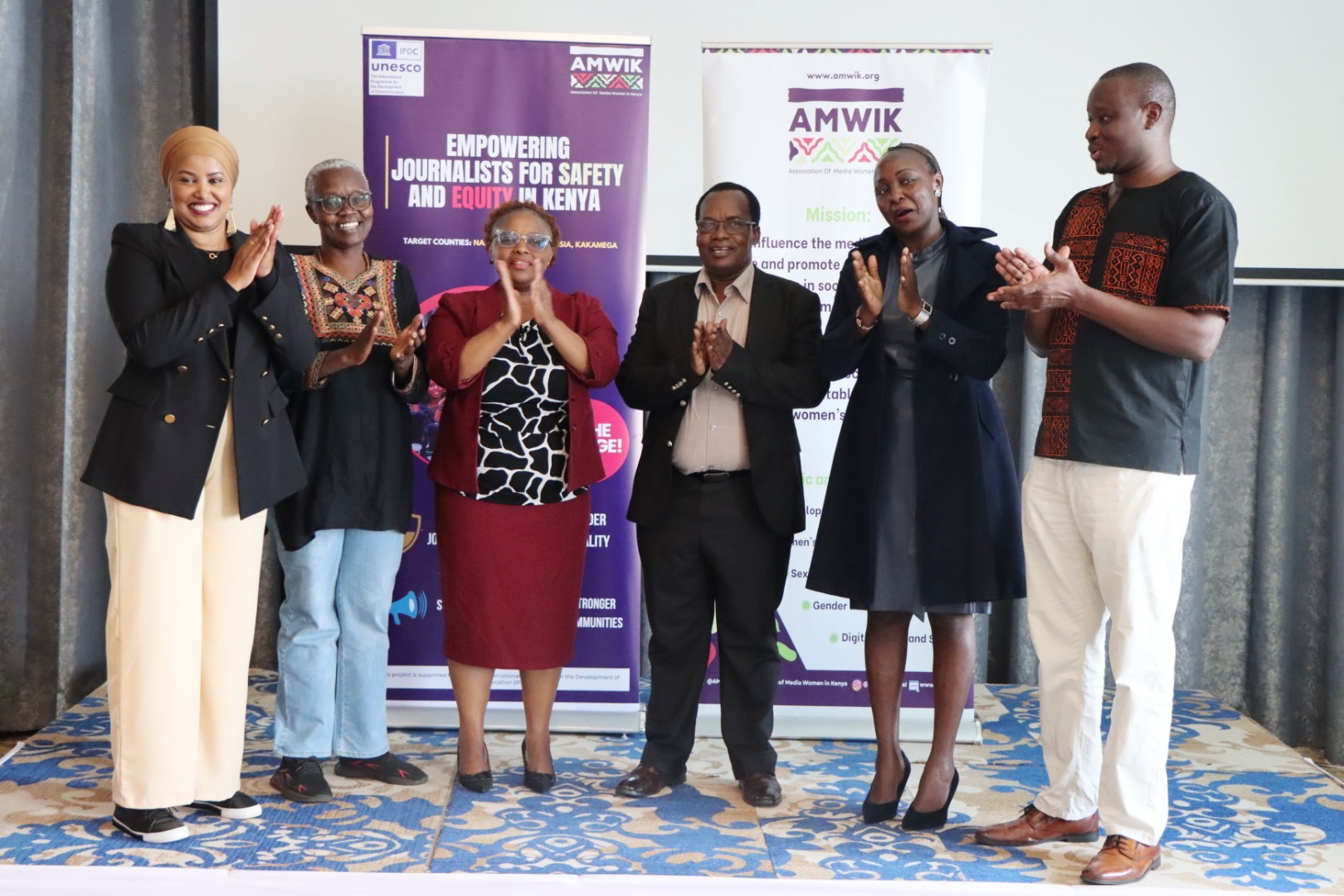
Speaking during the launch of a project on empowering women journalists by the Association of Media Women in Kenya (AMWIK), through support from UNESCO’s International Programme for the Development of Communication (IPDC), the director of African Programs at Journalists for Human Rights, Mustapha Ndumbuya, noted that journalists are expected to serve the public “in good and in bad times.”
However, he said, this responsibility depends on whether the environment allows journalists to work safely. “Media and journalism must not be a crime in Kenya,” he said.
He noted that safety concerns facing journalists are multifaceted.
“Physical attacks are only one part of the problem. Journalists increasingly face online harassment, surveillance, legal threats, intimidation, and psychological distress resulting from exposure to violence and crisis reporting. For women journalists, the risks are compounded. They experience the general dangers faced by all journalists while also dealing with gender-specific threats, including sexual harassment, online abuse, bullying, and discrimination within newsrooms.
AMWIK’s Status of Women in Media Report 2026 revealed troubling realities within the profession. The report found that 64.8% of women journalists surveyed had experienced safety or security breaches, while only 17.2% felt safe covering the 2027 general election.
The findings paint a worrying picture of a profession where many women are being asked to report on history while unsure whether their own safety is guaranteed.
Women journalists covering elections often face harassment, burnout, and insecurity, yet support systems within newsrooms remain limited.
Policies designed to address sexual harassment, discrimination, and safety concerns often exist on paper but are not always implemented effectively.
While journalists face risks in the field, many also struggle with inadequate institutional support from their own workplaces.
“Media houses have never really responded adequately to the plight of journalists, and this is a conversation we need to have,” said Director of Programs at the Kenya Correspondents Association, Mr. Oloo Janak.
He expressed concern that many journalists, especially young reporters, are left to navigate difficult situations alone. “Many young journalists have never covered elections before and lack knowledge about safety protocols, legal protections, and available support mechanisms.”
Meanwhile, Media Council of Kenya Manager, Press Freedom and Advocacy, Rebecca Mutiso, emphasized that supporting women journalists cannot be treated as optional.
“We need to ensure journalists have structures that guarantee their safety in media houses. It is about connecting all the dots and answering the crucial question of how we protect journalists,” she said.
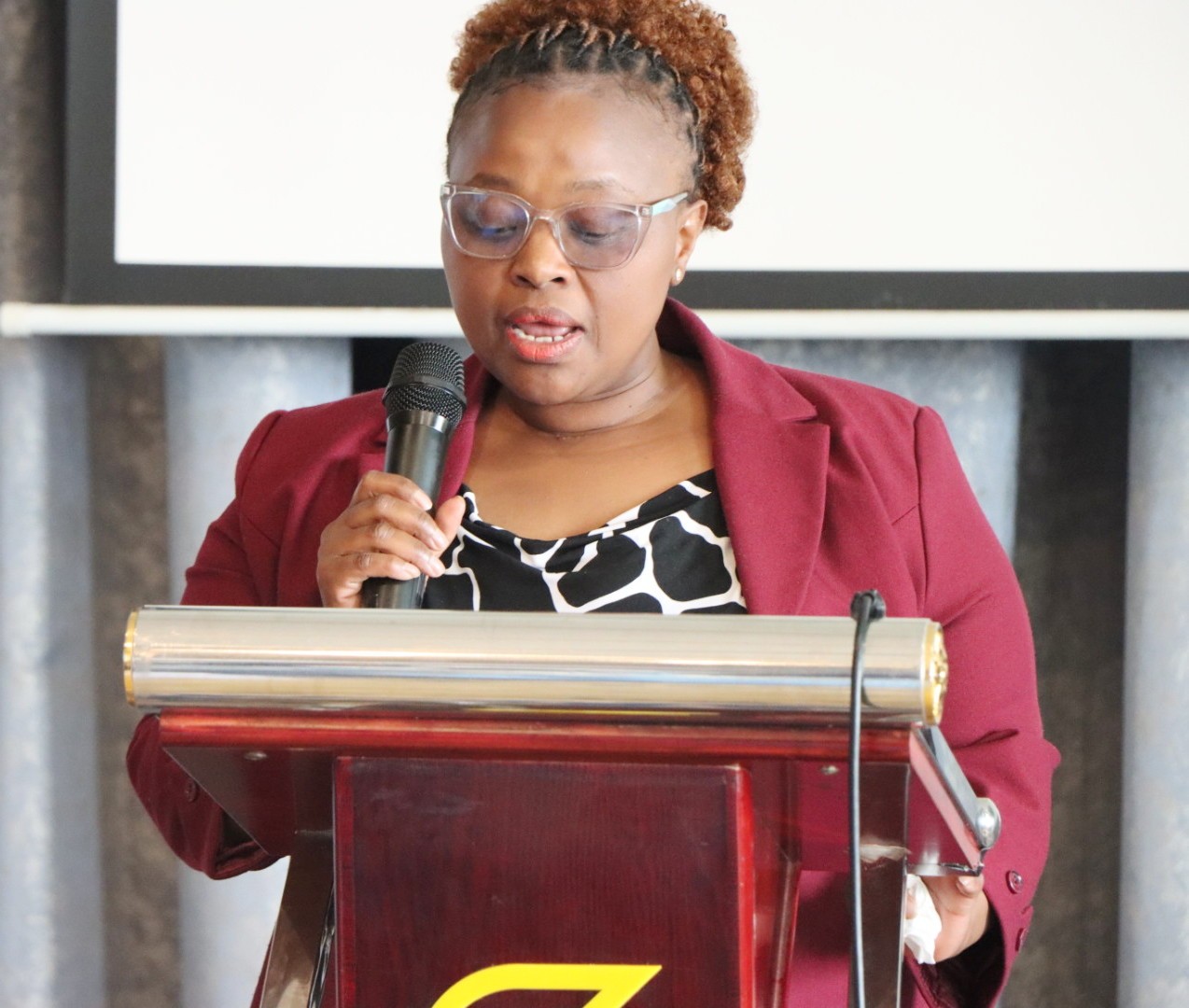
Participants noted that many media organizations lack effective policies on sexual harassment, digital safety, and psychosocial support.
Even where policies exist, enforcement remains a major challenge.
From Conversation to Action
The challenge facing the sector is not a lack of discussion.
Journalist safety has been debated for years. The urgent question now is how to translate these conversations into action.
“We have talked about safety issues for a long time; we need to act,” said Fatuma Sanbur, regional program manager at Internews.
She emphasized the need for collaboration among media organizations, civil society organizations, policymakers, and corporate partners to address the economic challenges affecting newsrooms.
She also called for stronger documentation of attacks against journalists and collective action by the media fraternity. Fatuma further called for greater involvement of male journalists as allies in creating safer environments for women journalists.
“We need to bring male colleagues on board as allies to support female journalists,” she said.
Meanwhile, Judie Kaberia, senior project manager at Friedrich Naumann Foundation for Freedom (FNF), challenged the sector to examine its response whenever journalists are attacked.
“How do we move from conversation to action? Can we call a press conference and bring together journalists who have been attacked? How do we expect journalism to thrive when perpetrators walk free?” she asked.
The call was clear: attacks against journalists should not be treated as isolated incidents affecting individuals but as threats to democracy itself.
Toepista Nabusoba from the Kenya Editors Guild noted that journalists also need to understand their rights and have the skills necessary to protect themselves.
She observed that many perpetrators of attacks against journalists continue to act with impunity. “How empowered is the individual journalist when they are out there? Does the media house have the capacity to protect them?” she asked.
She emphasized the need for structured mechanisms to respond to attacks and strengthen journalists’ understanding of safety procedures.
Angela Minayo from Article 19 highlighted the importance of digital safety tools, noting AMWIK’s partnership with Article 19 in developing digital safety resources for journalists.
She added that journalists increasingly require legal support, especially as they face defamation cases and other legal challenges.
The growing safety concerns facing journalists have informed AMWIK’s partnership with to implement the “Empowering Journalists for Safety and Equity in Kenya” project.
The project seeks to strengthen the safety, mental health, and professional advancement of journalists in Nairobi, Mombasa, Busia, and Kakamega counties.
The intervention comes at a time when journalists, particularly women, face increasing threats, including online harassment, sexual harassment, physical attacks, workplace discrimination, and psychological stress from covering traumatic events.
The program will target 60 women journalists across different career levels, including early-career, mid-career, and senior journalists, as well as journalists with disabilities.
The project will focus on: Digital safety training to help journalists protect themselves from online harassment and cyber threats; Psychosocial support sessions addressing burnout, trauma, and stress; Engagement with media houses on sexual harassment policies and gender-responsive newsroom practices; building networks where journalists can share experiences and strengthen peer support.
AMWIK has, over the years, championed journalist safety through advocacy, research, and capacity building.
Its work has included developing digital safety resources, supporting the adoption of anti-sexual harassment policies in media houses, and advocating for stronger protections for women journalists.
AMWIK Executive Director Queenter Mbori says the organization remains committed to ensuring women journalists can work without fear.
“AMWIK will continue to push for a Kenya where every woman journalist can report, lead, and exist safely, both offline and online,” she said.
UNESCO Communication and Information Specialist Aakriti Kharel said the partnership seeks to strengthen freedom of expression by ensuring journalists can work safely both online and offline.
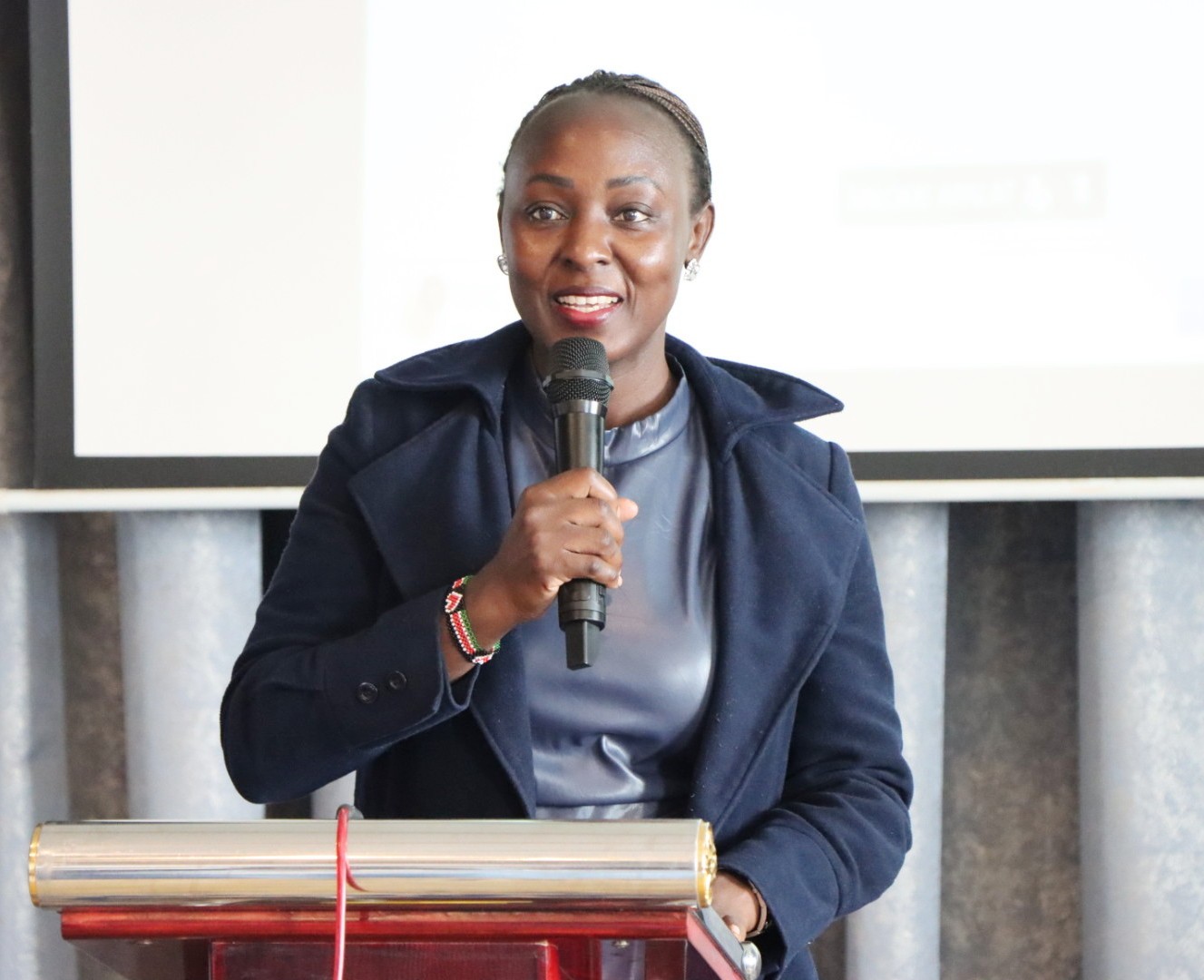
“With this intervention, we expect to train young journalists, provide mental and psychosocial support, and make them resilient to continue doing their work while promoting freedom of expression,” she said.
Meanwhile, Kenya Community Media Network National Coordinator Tom Mboya called for greater attention to journalists working in community media, saying they are often the first targets during politically charged periods because they live within the communities they report on.
The Election Question
With the 2027 general election approaching, journalist safety is becoming an urgent national conversation.
Kenya Union of Journalists Secretary General Erick Oduor warned that journalists face serious risks as political tensions rise.
“Safety of journalists is a matter of life and death,” he said.
He called for stronger collective action, including publicly documenting attacks and holding political actors accountable.
The responsibility of protecting journalists, he noted, does not belong to one institution alone.
“Media houses must establish stronger protection systems. Government institutions must investigate attacks and ensure accountability. Donors and partners must invest in psychosocial support and legal assistance. Communities must recognize journalists as essential defenders of public interest.”
As Kenya moves closer to another election cycle, the message from journalists and stakeholders is clear: Protecting journalists is not optional. It is a responsibility shared by newsrooms, government institutions, media organizations, partners, and communities.
Because when journalists are safe, societies are stronger. And when women’s organizations become stronger, democracy becomes stronger.