|
Getting your Trinity Audio player ready...
|
By Alex Musikoyo Odongo
Nairobi, Kenya: Members of Parliament in Kenya are being called upon to approve the Widowed Persons Protection Bill, 2026. This legislation aims to establish legal safeguards for widowed individuals—especially women—who frequently endure daily discrimination such as property seizure, disinheritance, and damaging cultural rituals like widow cleansing and inheritance.
Introduced as a Private Member’s Bill by Hon. Otiende Amollo (MP, Rarieda) on May 12, 2026 The proposal was developed in partnership with Equality Now and the Come Together Widows and Orphans Organization (CTWOO). Its primary goal is to protect the dignity, social standing, security, and fundamental rights of those who have lost their spouses.
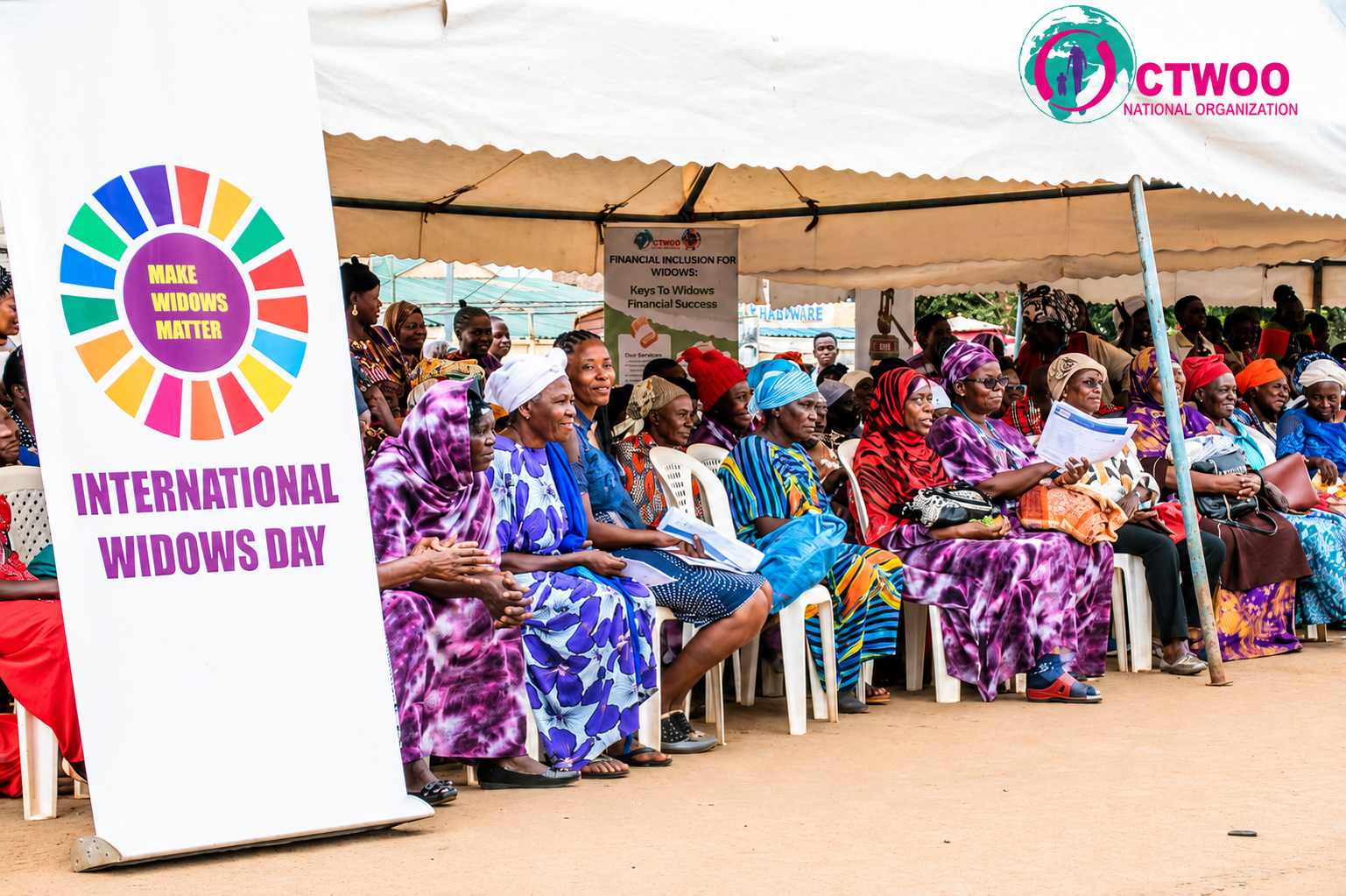
Coinciding with International Widows Day on Jun 23 advocates highlighted that while legal rights exist for widows in Kenya, they are often out of reach due to a fragmented legal framework, community pressure, and unequal power dynamics within families. These protection gaps often result in widows being evicted from their homes and stripped of their livelihoods and children, leading to homelessness and severe destitution.
The current environment often sees widowed persons subjected to intimidation, accusations of witchcraft, and seclusion as a means to justify the theft of their property. Modern challenges like inheritance fraud and cyberbullying are also on the rise. Additionally, certain communities still enforce traditional mourning rituals such as forced sexual “purification,” compulsory fasting, and physical scarification that severely compromise the well-being of the bereaved.
The Bill, submitted to Parliament on 12 May 2026 as a Private Member’s Bill sponsored by Hon. Otiende Amollo, MP for Rarieda Constituency, was designed and crafted with help from the Come Together Widows and Orphans Organization (CTWOO) and Equality Now, and aims to ensure that widowed people do not lose their rights, security, dignity, or social status.
As the world marked the International Widows Day on June 23, 2026, In Kenya, widows’ legal rights are frequently rendered inaccessible in practice and are undermined by custom, community pressure, and unequal family power dynamics. This is made possible by a disjointed legal system that creates significant protection gaps.
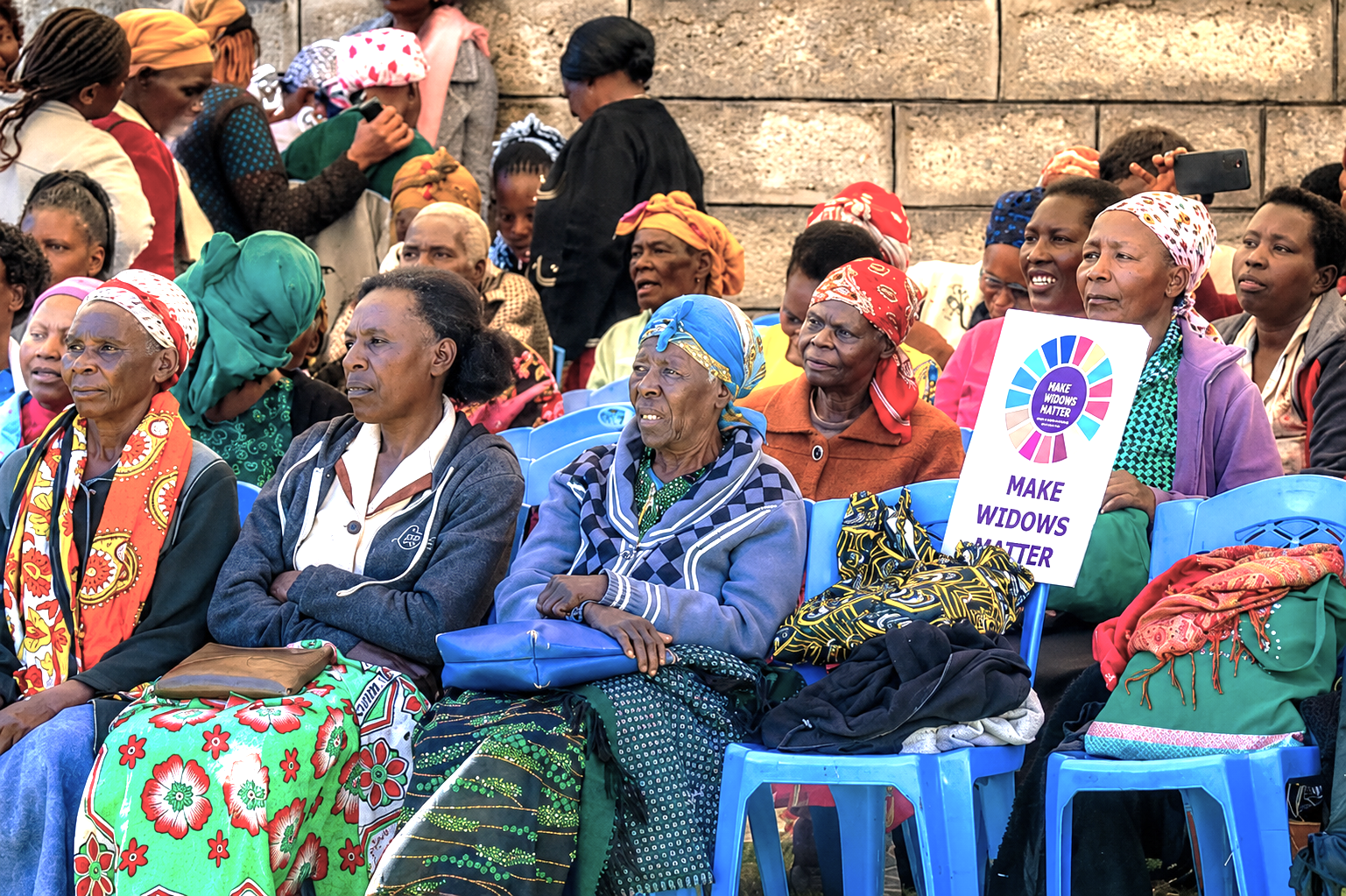
Widows are frequently forcibly ousted from their homes by family and community members after the death of a spouse, and they are unlawfully stripped of their possessions, deprived of livelihoods, and denied custody of their children. The resulting dispossession can lead to homelessness, destitution, dependency, and disruption to children’s education.
Furthermore, it is becoming the norm in most Kenyan families for widowed persons to experience intimidation, which includes threats, seclusion, blaming for a spouse’s death, and accusations of witchcraft all of which are used to legitimize property seizures. Cyberbullying and fraudulent schemes are increasingly developing as major issues.
Some Kenyan communities continue to subject widows to cruel mourning rituals, such as scarification, compulsory fasting, denial of medical care, forced shaving of hair, or prohibition from bathing. Widow cleansing, sometimes known as widow inheritance, is the practice of forcing a bereaved wife into ritual “purification” through forced sexual intercourse, often with a relative, before she can continue her life or remarry.
The Widowed Persons Protection Bill to strengthen legal protections in Kenya
Women’s rights are undermined across the continent by civil, customary, and religious laws. Kenya is no exception. Widow protections are scattered across criminal, family, and succession law. While the Constitution guarantees equality and property rights, the Law of Succession Act, 1981, has provisions that disadvantage widows.
The Bill would make forced marriage, forced child removal, widow inheritance, and forceful mourning rituals illegal. Unlawfully seizing a widower person’s property or evicting them from the matrimonial home following the death of a spouse would be illegal.
It would be illegal to harass a widowed individual, falsely accuse them of killing their spouse, or call them a witch. Additionally, their right to digital safety would be protected in order to combat online harassment and inheritance fraud.
Widows in polygamous marriages would inherit in their own right, rather than having their share regarded as part of a household unit with their children, and the Law of Succession Act would be amended to ensure that widows are entitled to retain their inheritance if they remarry.
In collaboration with civil society and relevant stakeholders, county governments would set up and maintain emergency shelters for widowed persons made homeless. Counties would be required to allocate adequate resources and establish and support legal aid and justice centres.
Aligning Kenya’s law with the Maputo Protocol and CEDAW
Kenya has ratified the Maputo Protocol, the only regional human rights treaty with a dedicated article on widows’ rights. Article 20 requires African states to protect widows from inhuman or degrading treatment, safeguard their property, and preserve their inheritance rights if they remarry.
As part of the Africa Family Law Network, the drafters have ensured the Bill aligns with the Maputo Protocol and the UN Convention on the Elimination of All Forms of Discrimination against Women (CEDAW).
If enacted, Kenya’s Widowed Persons Protection Bill, 2026, would set a precedent as the first dedicated widowed persons’ rights law in Africa. By addressing legal, social, and economic harms together, it would provide a blueprint for reform in other African countries, where widows face similar discrimination, abuse, and inadequate legal safeguards.
Alex Musikoyo Odongo is a Freelance Journalist, Media trainer and Governance expert: alexmusikoyo@gmail.com