|
Getting your Trinity Audio player ready...
|
By Shaban Makokha
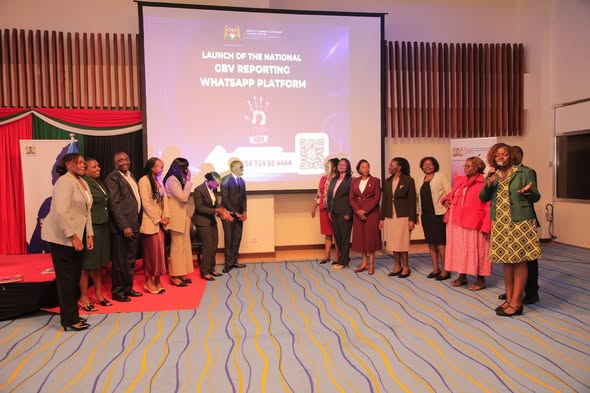
Kakamega, Kenya: In a historic stride toward ending the scourge of Gender-Based Violence, the Kenyan Government has unveiled a National GBV Reporting WhatsApp Platform (+254 724 884 444) a digital tool designed to provide fast, confidential, and life-saving support to survivors.
The launch, made during the Second Bi-Annual National Gender Sector Working Group, was framed as a transformative moment for the nation. Government agencies, development partners and civil society actors gathered in solidarity, declaring renewed commitment to protect the vulnerable and strengthen gender equality.
But almost as quickly as the applause filled the room, so did the voices of concern and frustration from ordinary Kenyans who say the initiative, though progressive, must be backed by real grassroots action if it is to save lives.
This rollout follows a stern ultimatum from FIDA Kenya, which cautioned that the government’s failure to take decisive action within a 40-day window would result in large-scale peaceful demonstrations. These protests were to be spearheaded by a coalition of women’s groups, civil society entities, and human rights advocates.
“A WhatsApp Line Alone Will Not Stop Violence” some Kenyans Spoke Out across social platforms and public forums, pouring out raw, unfiltered emotions, a blend of hope, fear, frustration and urgent calls for accountability.
“The idea sounds modern and tech-driven, but it ignores the realities on the ground. A reporting platform alone does not reduce GBV accountability. If reports disappear into silence, then it becomes digital decoration. Technology can widen access, but it cannot replace institutions, trust, or justice” said Onyango Ondiege and Consolata Opondo.
Their words echoed through communities still grappling with cases that go unresolved for months, sometimes years, leaving survivors in limbo and perpetrators free.
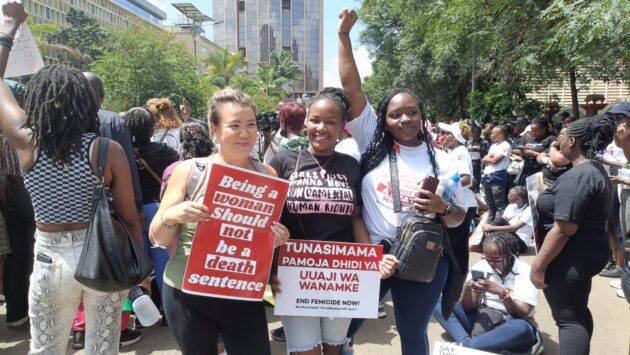
Esther Nelima, speaking from a grassroots perspective, posed the question many women have been whispering: “Can they do things that are grassroots related? Not everyone has WhatsApp. Some things are better done on the ground than in hotels.”
Her voice trembled as she emphasized the harsh truth many fear to admit: “In the ghetto, where do we start with this tool? Be realistic. Look for 10 women, 10 men, and security personnel in each area. Empower them. You cannot fight GBV from high-end offices-put child protection officers on the ground and involve community members.”
Adding “With the rising number of women killed every day, what about those who can’t access this tool when danger is already at their door?” said Nelima.
Despite the concerns, the government insists the new WhatsApp platform is unlike anything ever implemented before.
According to the Ministry, the tool is built not merely as a hotline but as an integrated, survivor-centred support system offering immediate psychological first aid, legal counseling, real-time referrals to health facilities, shelters, police services and legal aid and support for survivors of technology-facilitated violence.
Cabinet Secretary for Gender, Culture and Children Services, Hanna Cheptumo, emphasized: “This tool leverages widespread digital connectivity to provide confidential, automated support and direct referral mechanisms for survivors of both online and physical violence. It ensures that every survivor regardless of where they are can access dignified, timely and effective assistance.”
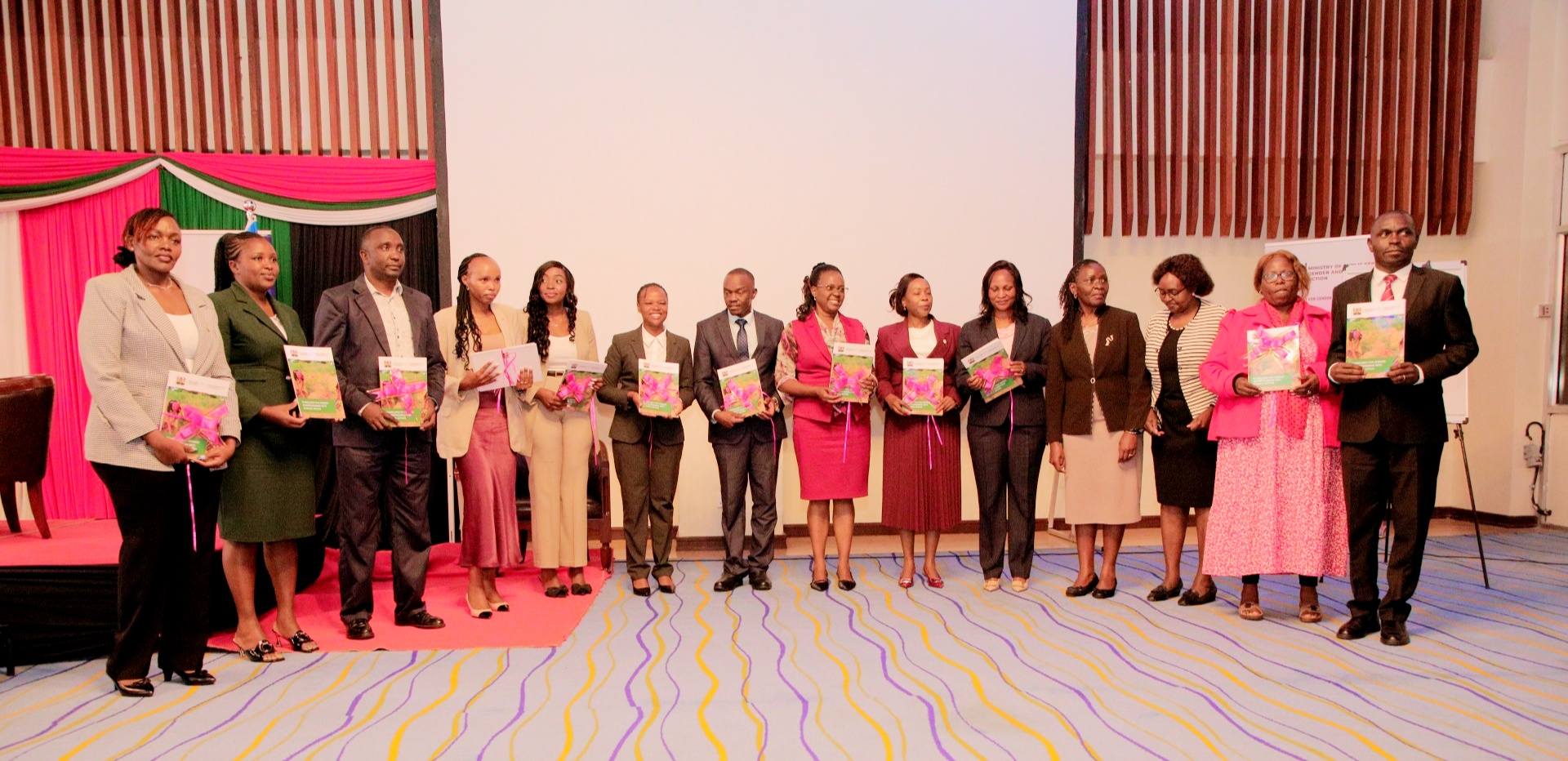
The platform integrates national actors across the GBV prevention ecosystem, enabling fast case management, improved data collection, and stronger institutional accountability.
In the same forum, the Government rolled out new Guidelines for Gender Mainstreaming into Climate Action, a framework designed to ensure that climate-related policies recognize the disproportionate burden borne by women, girls, persons with disabilities and marginalized groups.
The guidelines push for inclusive planning, fair resource allocation, gender-responsive budgeting and climate resilience frameworks that protect vulnerable households.
The Working Group brought together voices from government departments, county gender focal points, development partners, and civil society organizations. Figures such as Principal Secretary Anne Wang’ombe, the National Gender and Equality Commission, Women Enterprise Fund, and UN Women lauded the ministry’s efforts and pledged continued support.
Despite the formal commitments made by officials, a profound gap exists between high-level policy discussions and the difficult realities of daily life. The sobering reality remains that any tool is only as effective as the hands that wield it.
It was noted that a lone digital platform is insufficient to defeat Gender-Based Violence. Success in this struggle demands a multifaceted approach, including enhanced policing, expedited legal proceedings, and an increase in safe houses and shelters. Furthermore, it necessitates the establishment of community-led protection frameworks, heightened public consciousness, and a system of steadfast monitoring and responsibility.
“Above all, it requires a nation that refuses to look away,” observed Priscah Blessed, another Facebook user.
The launch of the National GBV Reporting WhatsApp Platform marks a bold and decisive step toward a safer Kenya.
But Kenyans are clear: This tool must not become another abandoned number, another file gathering dust, another promise unmet.
It must become a lifeline backed by real structures, real funding, real commitment, and real justice.
Now the country waits breathily to see whether this moment becomes a turning point or another headline lost to time because behind every statistic is a woman, a child, or a man whose life depends not on platforms but on action.