|
Getting your Trinity Audio player ready...
|
By Arasha Soila
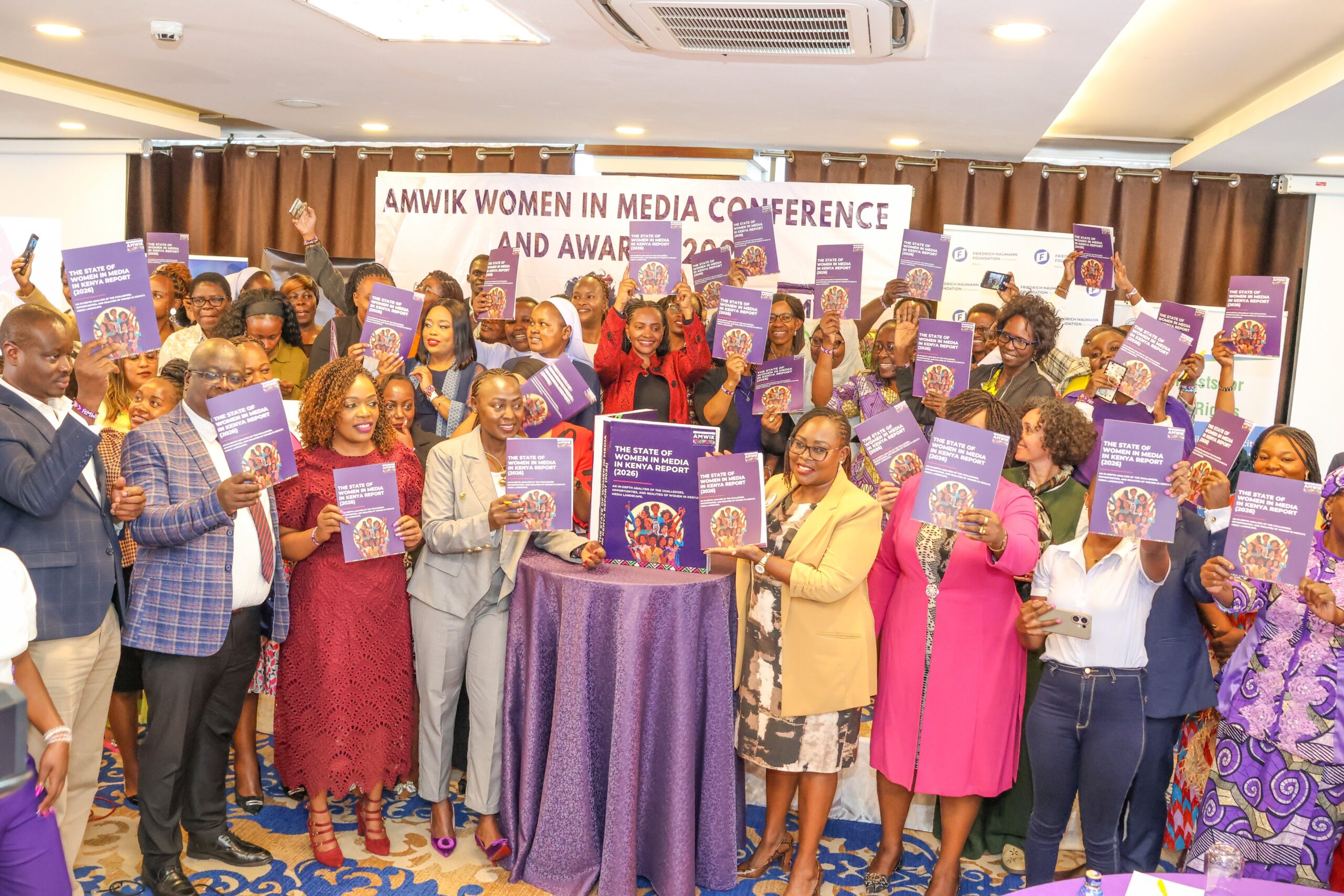
Nairobi, Kenya: Women in Kenya’s media are being singled out by harassment and digital attacks, especially during election periods, according to the newly released “State of Women in Media in Kenya 2026” report by the Association of Media Women in Kenya (AMWIK) which was launched during the Women in Media Conference. and Awards Ceremony. The data‑driven study offers some of the first systematic figures linking surges in abuse and threats to election cycle coverage and campaigning.
The report identifies a “leaky pipeline” in journalism, showing that a significant share of women exit the profession before reaching senior roles, even as their visibility in election coverage rises.
Further the report highlights that women remain under‑represented in senior editorial and decision‑making positions, leaving them with fewer institutional safeguards when they are targeted for election‑focused investigations or political reporting.
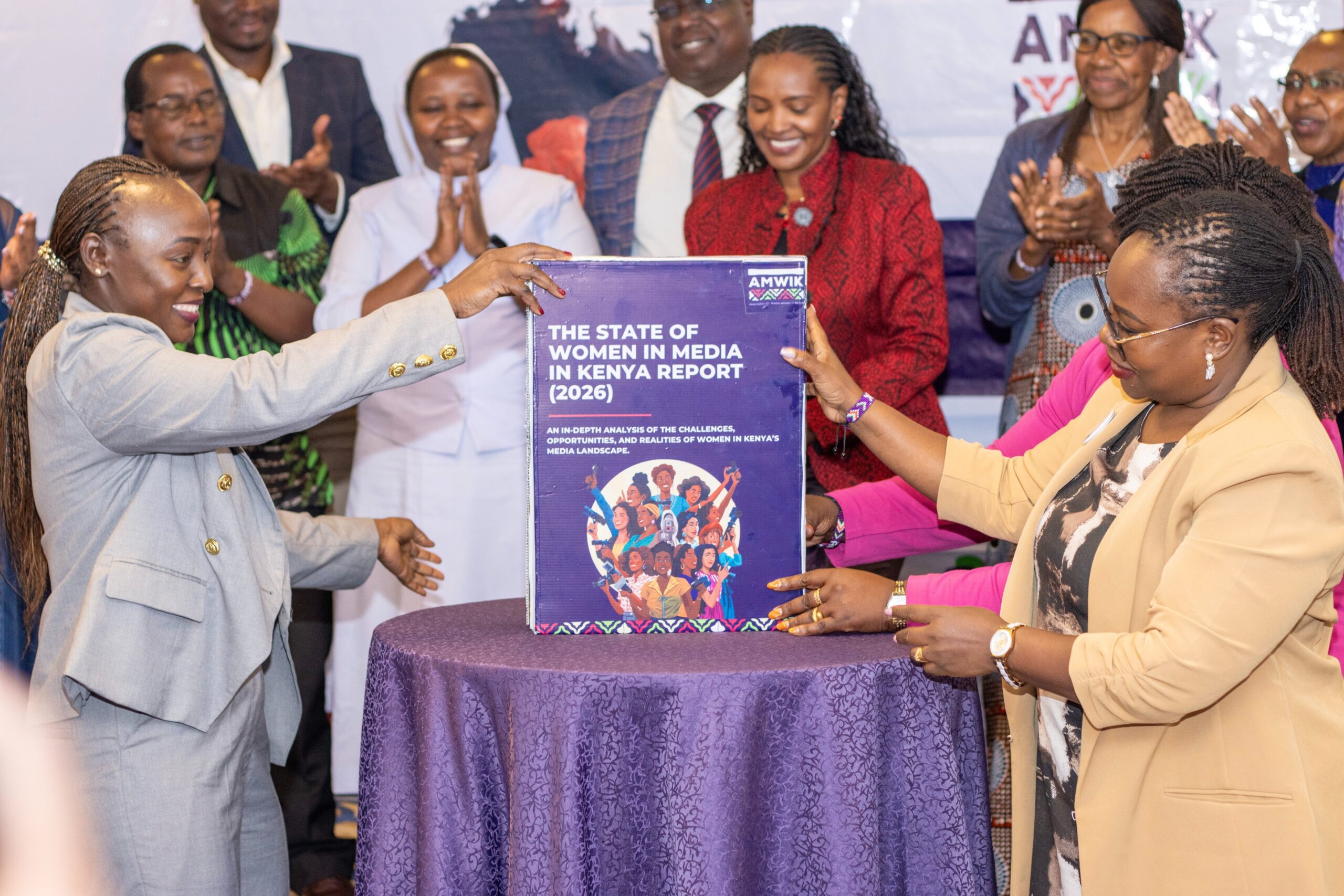 64.8% of women journalists in Kenya have experienced safety or security breaches during their careers. High risk assignments including field reporting, election coverage and investigative journalism expose women to significant dangers. According to the report, the consequences extend beyond physical harm, mental health strain, self censorship and professional burnout are widespread.
Speaking during the Women in Media Conference, Judie Kaberia, Senior Programs Manager at Friedrich Naumann Foundation(FNF) called on development partners and stakeholders to urgently support journalists covering Kenya’s 2027 general election, warning that most of them are election‑reporting first‑timers and therefore more vulnerable to mistakes and abuse.
Kabeira highlighted that one of the key challenges ahead is that more than 70% of the journalists who will cover the 2027 general election have never reported on an election before.
“That means that we, from the development partner side, have a duty to support the media, in training, support them in giving them examples and also tell our history of 2007 and the role that the media played, for which we were blamed,” she said.
“It is up to us, development partners together with other stakeholders, to continue to support the organizations and the journalists on the ground, ” Kaberia added.
Crucially, the AMWIK data traces a pattern of technology −facilitated gender‑based violence (TFGBV) that intensifies around nominations, campaigns, and voting days. The report documents cases where women journalists and women‑in‑public‑life receive coordinated online harassment, sexualized threats, doxxing, and disinformation, with abusive messages spiking on platforms like X (Twitter) and Facebook precisely when election coverage peaks.
Further the report shows that the targeting is not random aggression but often gendered and strategic, using sexual slurs, body‑shaming, and disinformation to undermine women’s credibility at moments when public attention is highest. The report warns that if these patterns continue unchallenged, elections will remain particularly dangerous moments for women journalists and women candidates, reinforcing stereotypes and silencing critical voices.
“Women journalists are often targeted during elections, both in the field and within the newsroom. I urge our sisters in the media to join AMWIK because the stronger our numbers, the stronger the voices. Coming from a trade union perspective, collective strength is essential to being heard and protected,” asserted Eric Oduor, KUJ Secretary General.
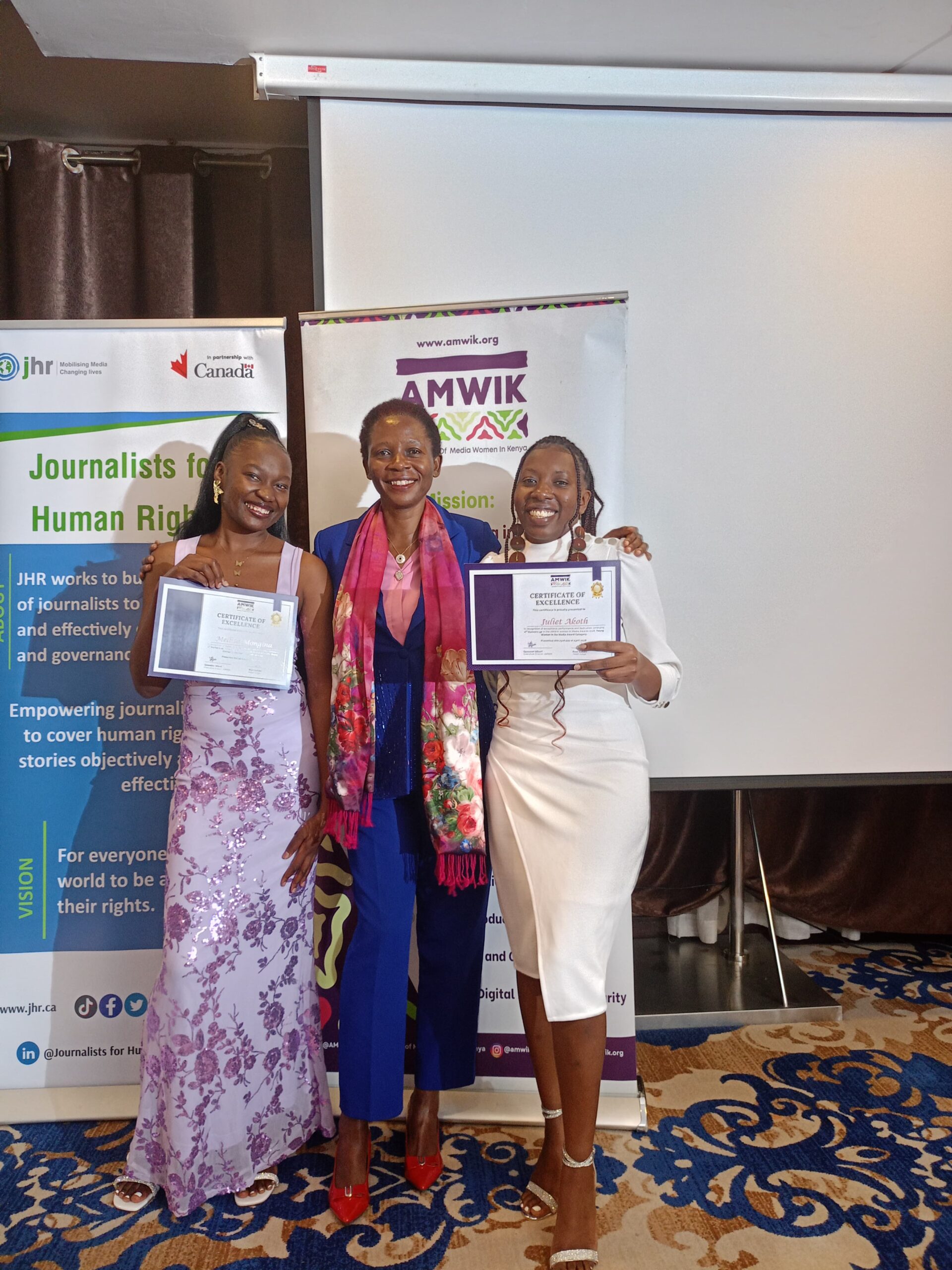
Talk Africa journalists also achieved notable success at the AMWIK awards event, securing both 1st and 2nd Runner-Up positions. Specifically, Melisa Mong’ina was named 1st Runner-Up for the Young Woman in Media Award, and Juliet Akoth earned the 2nd Runner-Up spot.
In her closing remarks, AMWIK’s Executive Director, Queenter Mbori, called for election‑specific safety protocols, including stronger internal newsroom policies, rapid response to digital abuse, better psychological support, and faster enforcement of cyber‑harassment and gender‑based violence laws during political cycles.
As Kenya heads toward the next major election, the AMWIK 2026 report presents its statistics as a wake‑up call: women in the media are not just minorities in the newsroom, they are primary targets when the political temperature rises.