|
Getting your Trinity Audio player ready...
|
By Melisa Mong’ina
Nairobi, Kenya: Communicating wildlife, conservation, climate change, and environmental issues in Swahili, a language spoken by more than 200 million people across Eastern Africa, is crucial to making environmental reporting accessible to audiences who may not fully understand information presented in English.
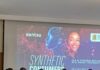
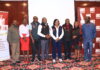
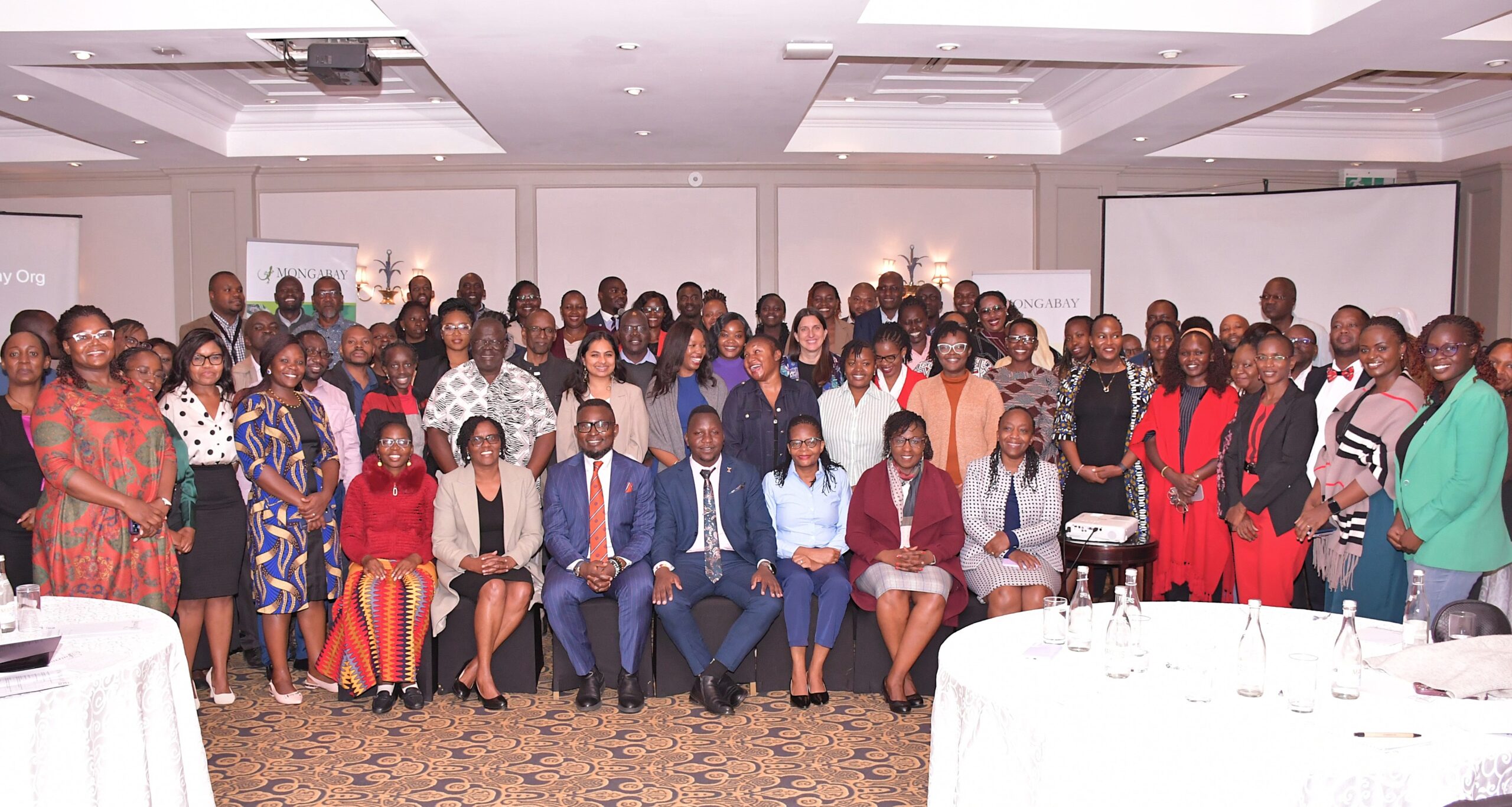
This issue took center stage during a panel discussion at the launch of Mongabay Swahili, where journalists and conservation experts highlighted the importance of reporting environmental stories in local languages.
Speaking in a panel discussion during the launch Nancy Githaiga, Country Director of the African Wildlife Foundation (AWF), expressed her excitement about having environment and climate information reported in the Swahili. She explained that with English, only a limited audience can understand.
“It’s actually exciting to have this information in Swahili. We say that when you speak to somebody in their own language, you’re speaking directly to their heart,” she said.
Githaiga acknowledged that translating scientific terms into Swahili can be challenging for journalists and communicators. However, she noted there’s an opportunity to improve and develop clearer ways to explain complex topics in local languages.
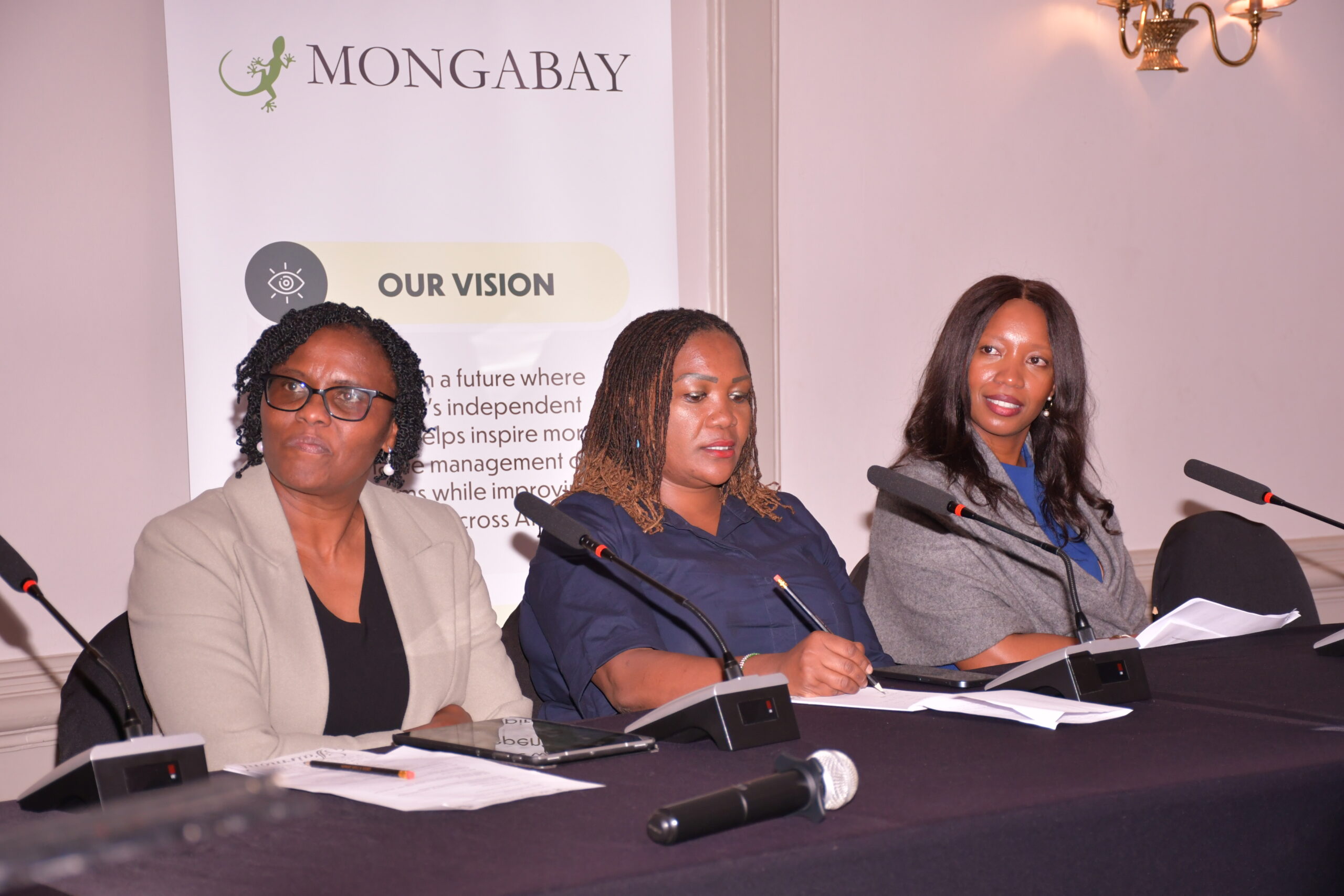
“We’ve been engaging with editors and journalists, as AWF, but it hasn’t been in Swahili,” she said. “We speak to each other every day in English because it’s easy to say ‘biodiversity’ in that language, but it’s difficult in Swahili. However, I know we have an opportunity to do better in training, because misinformation, unfortunately, kills conservation.”
She highlighted the importance of clear reporting and communication of environmental issues to the public, stressing that it should not be limited to scientists or conservationists alone, but should also connect to people’s everyday lives.
Ann Ngugi, former BBC journalist, underscored that Mongabay has developed a platform specifically dedicated to environmental and climate reporting to allow readers find relevant information easily. She stated the platform offers an opportunity to address critical environmental problems in Kenya.
“Other websites have various news and it takes time for somebody to go through those websites and find relevant information on environment and climate topics, and sometimes it’s not there. But with Mongabay, right now, anybody who is interested in learning what’s happening in their environment is able to go there,” she noted.
Ngugi stressed that by interviewing experts and producing detailed reporting, the platform can help explain these issues clearly to the public in a language that they are able to understand.
“I think Mongabay’s first point should be to interview experts like Nancy about what’s happening in Kenya right now regarding the floods. People are affected by these floods, but they don’t understand why. Even we journalists are failing to go deeper and dig into the issues affecting the public,” Ngugi said.
Wanjiku Kinuthia, Deputy Director, Partner Communications at Maliasili, added that conservation stories remain incomplete if they do not include the perspectives of indigenous people in local communities. She challenged journalists to rethink who they consider experts when reporting environmental issues.
“Very few of us consider local people experts when it comes to telling nature stories,” she observed. “The conservation or environment story isn’t complete when indigenous and local voices are missing. I’m very excited about Mongabay Swahili and I’m seeing opportunities where we can bring their voices to the conservation narrative.”
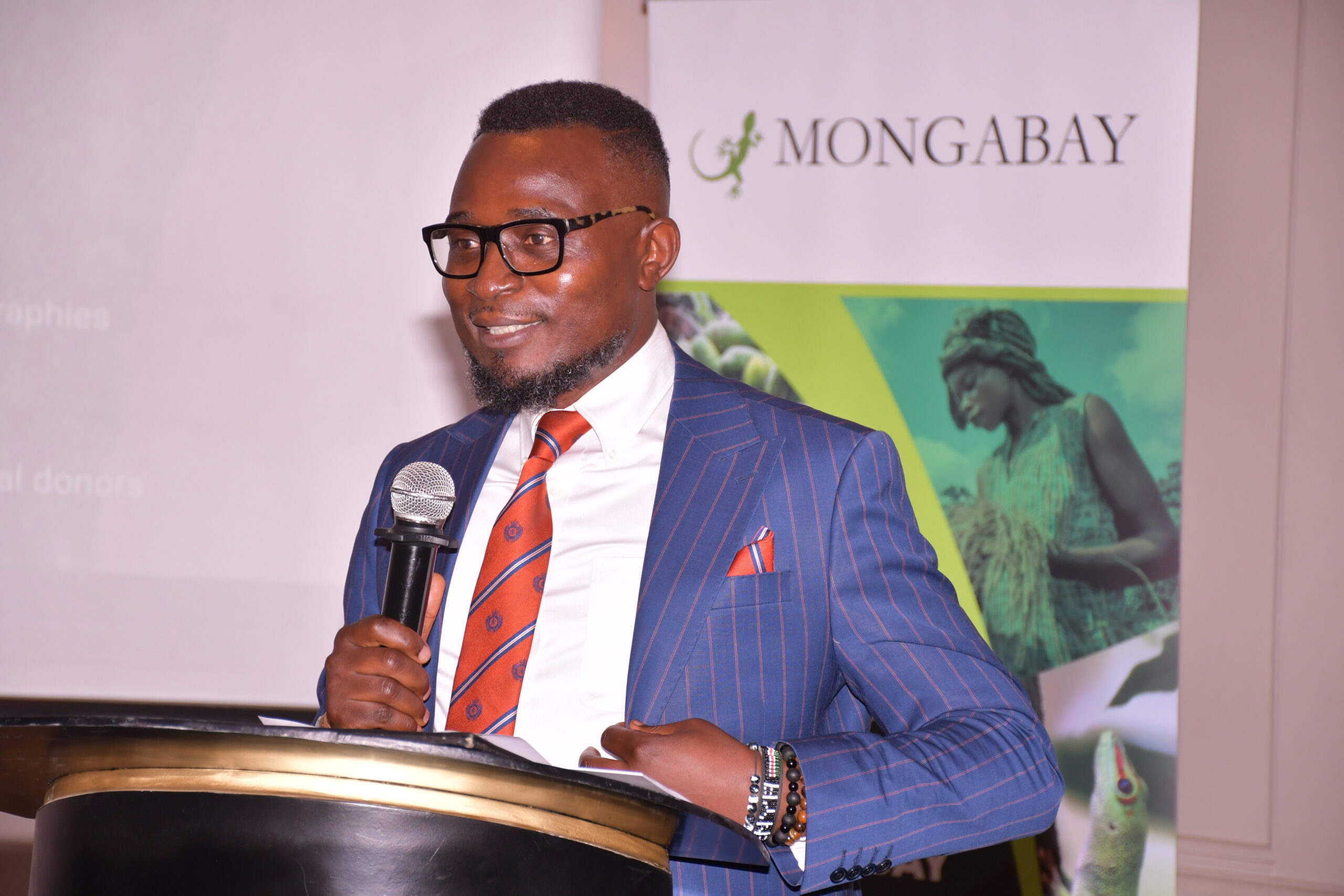
David Akana, Program Director of Mongabay Africa, highlighted the need to use local languages like Swahili to engage with audiences more effectively and appropriately.
“We realised the only way to engage people on the continent is by engaging in their local languages or languages they’re comfortable with. We’re really delighted today that we’re able to launch this with your support,” he said.
He further noted that Mongabay will make the Swahili content freely accessible to its audiences digitally.
“By reporting environmental stories in Swahili, Mongabay is helping to bring science, conservation knowledge, and climate change discourse closer to communities,” said Akana.