|
Getting your Trinity Audio player ready...
|
By Melisa Mong’ina
Nairobi, Kenya: The Independent Electoral and Boundaries Commission (IEBC) has begun reviewing its partnership framework with the media as part of preparations for Kenya’s 2027 General Election.
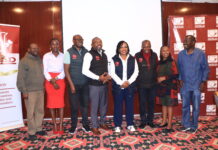
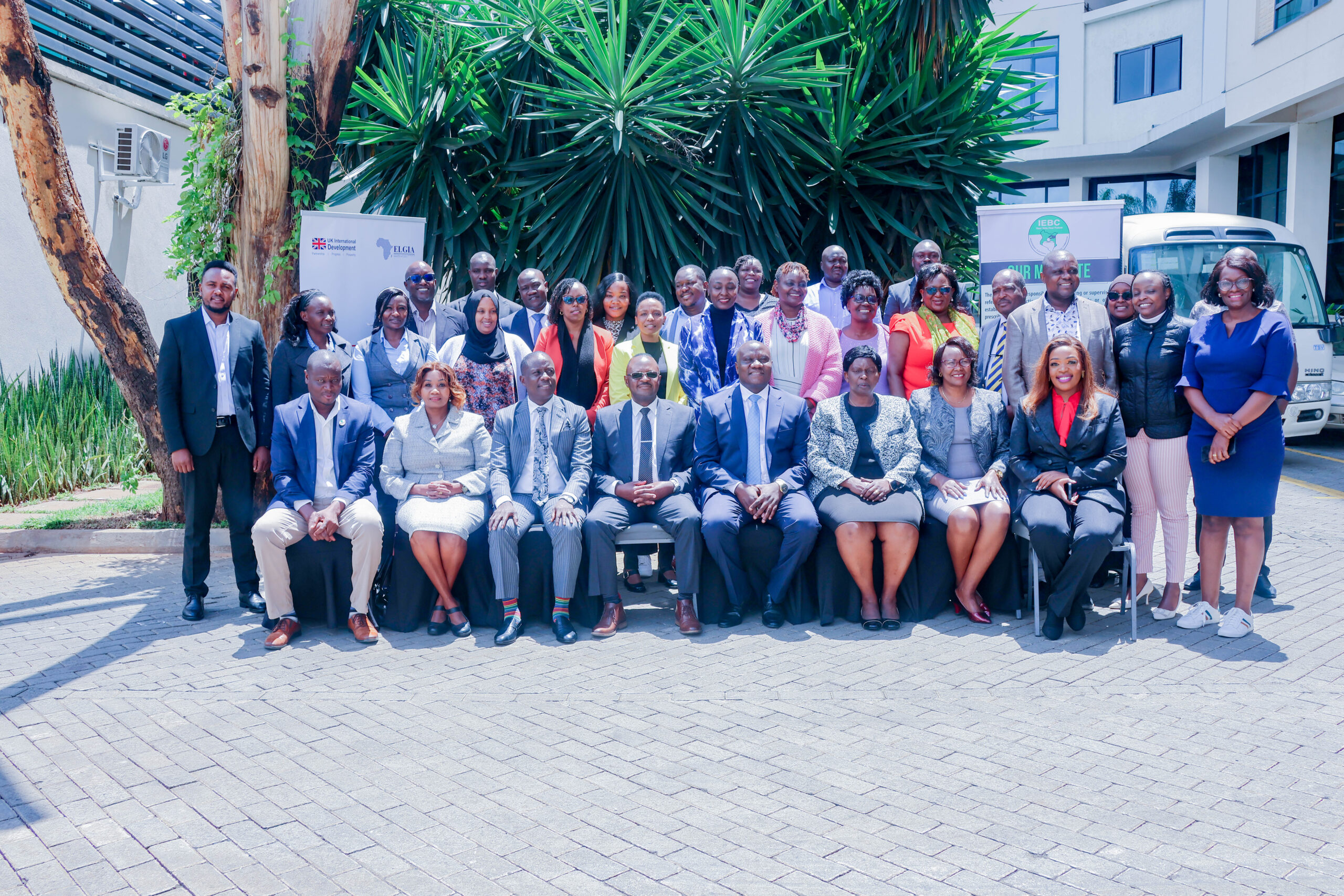
During a workshop that brought together members of the Kenya Media Sector Working Group (KMSWG), the electoral body and media leaders discussed strengthening collaboration, improving election reporting and countering misinformation in the lead-up to the polls.
Speaking during the workshop, Commissioner Dr. Alutalala Mukhwana, Chairperson of IEBC’s Voter Education, Partnerships, Communication and Stakeholder Engagement Committee, emphasized the importance of building a trust-based relationship between the electoral body and journalists.
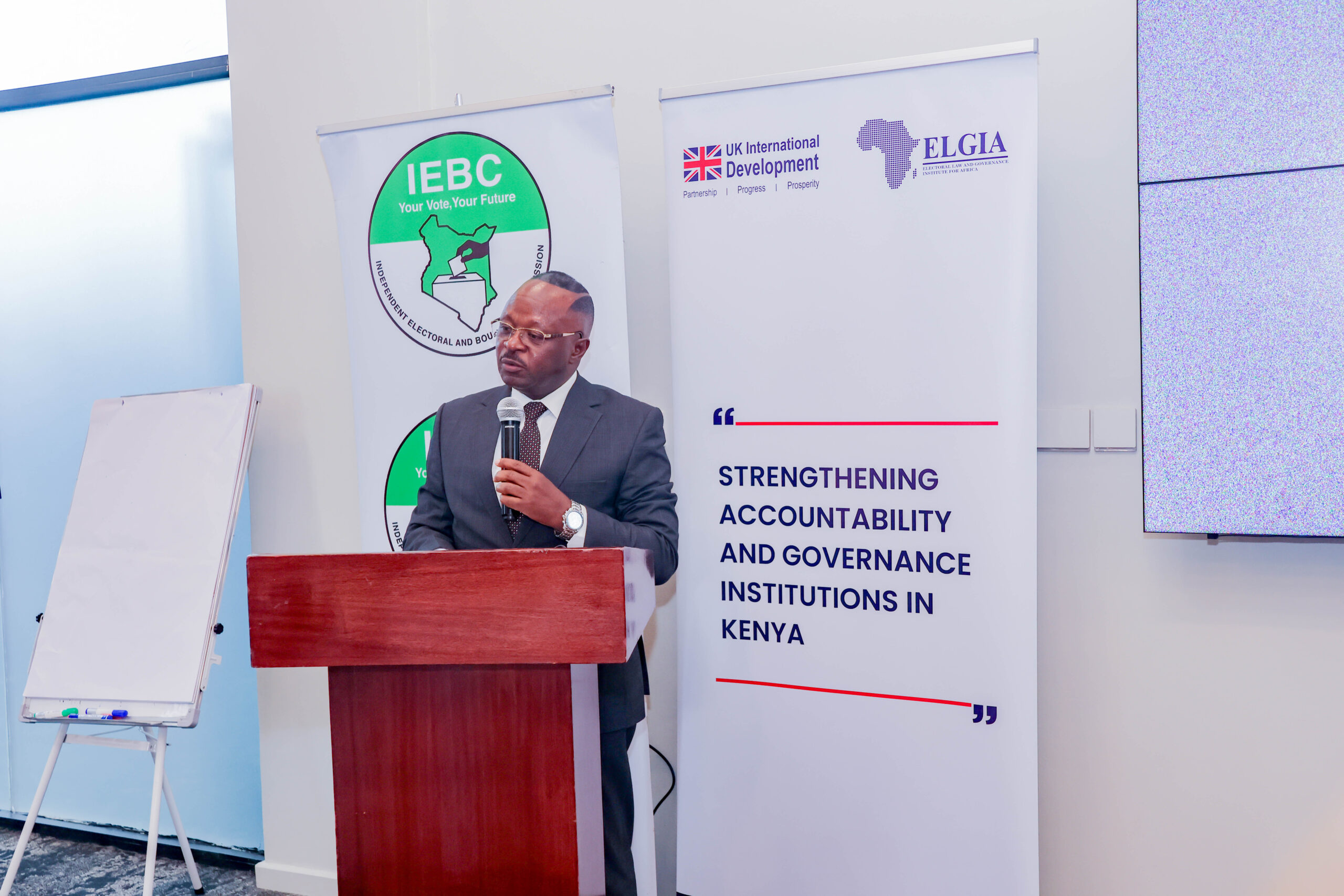
“The media is critical in helping citizens understand how elections work and countering disinformation that can overshadow facts,” he said.
He further urged journalists to help the public better understand the work of electoral administrators, noting that elections begin long before polling day.
“Help the public understand the work we do. Help them see the role of an electoral administrator. The media is essential in rebuilding public confidence in our democratic process,” Mukhwana said.
Moses Sunkuli, the acting Commission Secretary and CEO of IEBC, also highlighted lessons from previous elections, stressing that elections are a continuous process that requires journalists to understand each stage of the electoral cycle.
“As we prepare for the 2027 General Election, this engagement is both timely and necessary,” he said. “Elections take place within a dynamic information environment where facts, narratives and public trust interact and shape public perception.”
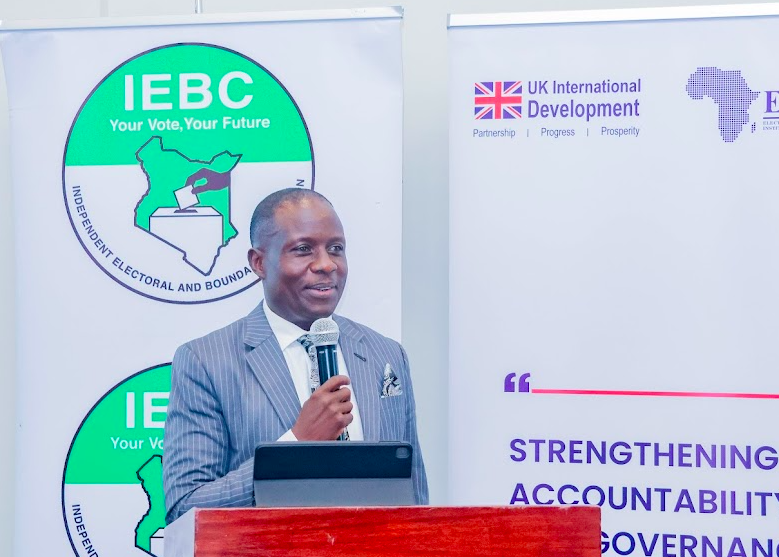
Sunkuli added that strong collaboration between the electoral management body and the media is indispensable in maintaining credibility in the electoral process.
Felix Oduor, Executive Director of the Electoral Law and Governance Institute for Africa (ELGIA), noted that collaboration between electoral bodies and the media has historically strengthened transparency in elections both in Kenya and globally.
He cited examples from Ghana and the United States, saying partnerships between election management bodies and journalists help ensure that citizens receive accurate and timely information.
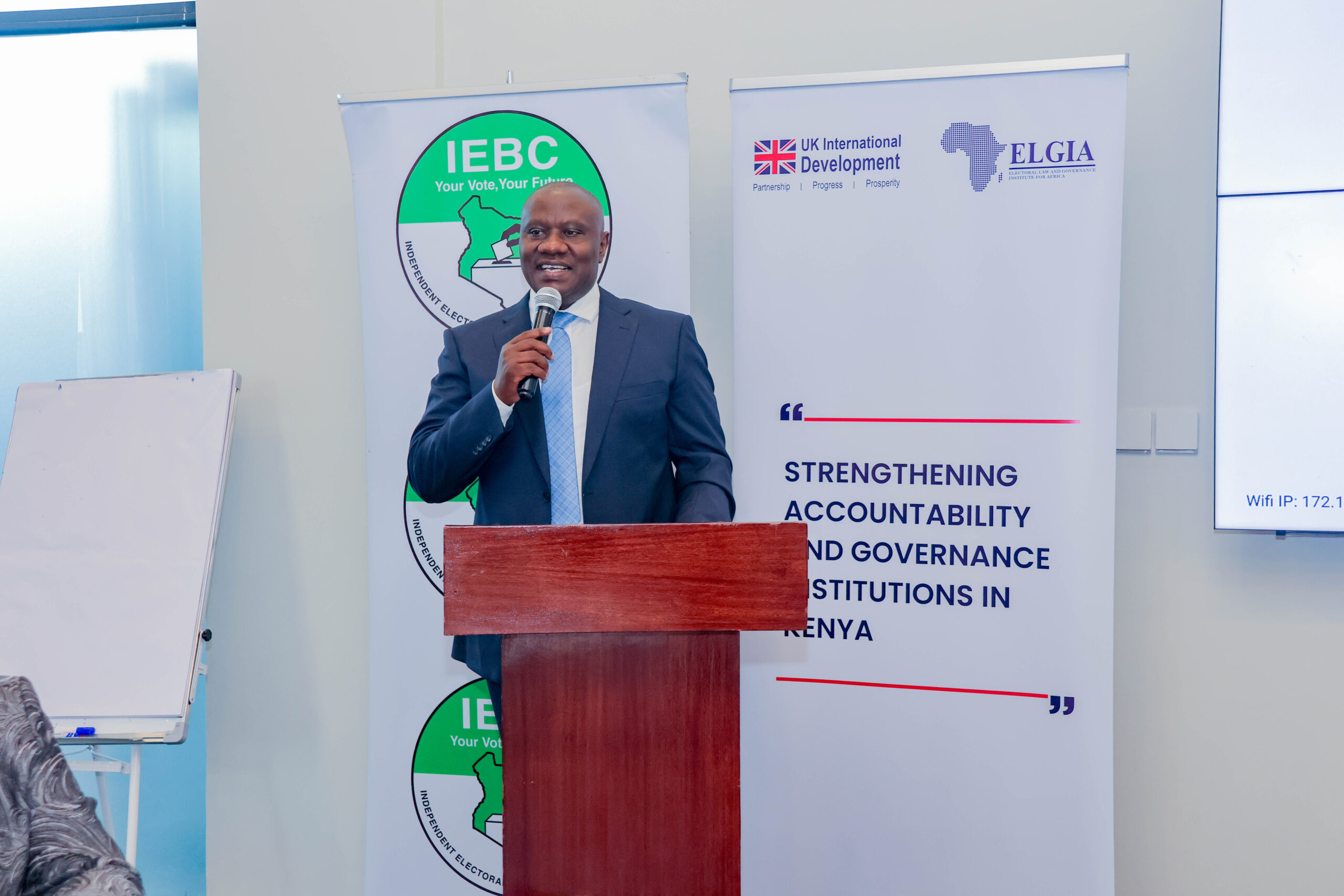
Felix underscored that while challenges exist, particularly around timing and coordination, a well-structured framework for media engagement can significantly strengthen electoral integrity and ensure that the public receives accurate, timely information.
Media leaders also emphasized the responsibility of journalists in shaping public perception during elections.
According to Zubeidah Kananu, President of the Kenya Editors Guild (KEG), the Memorandum of Understanding between IEBC and the media aims to ensure journalists are adequately trained and prepared to report elections responsibly.
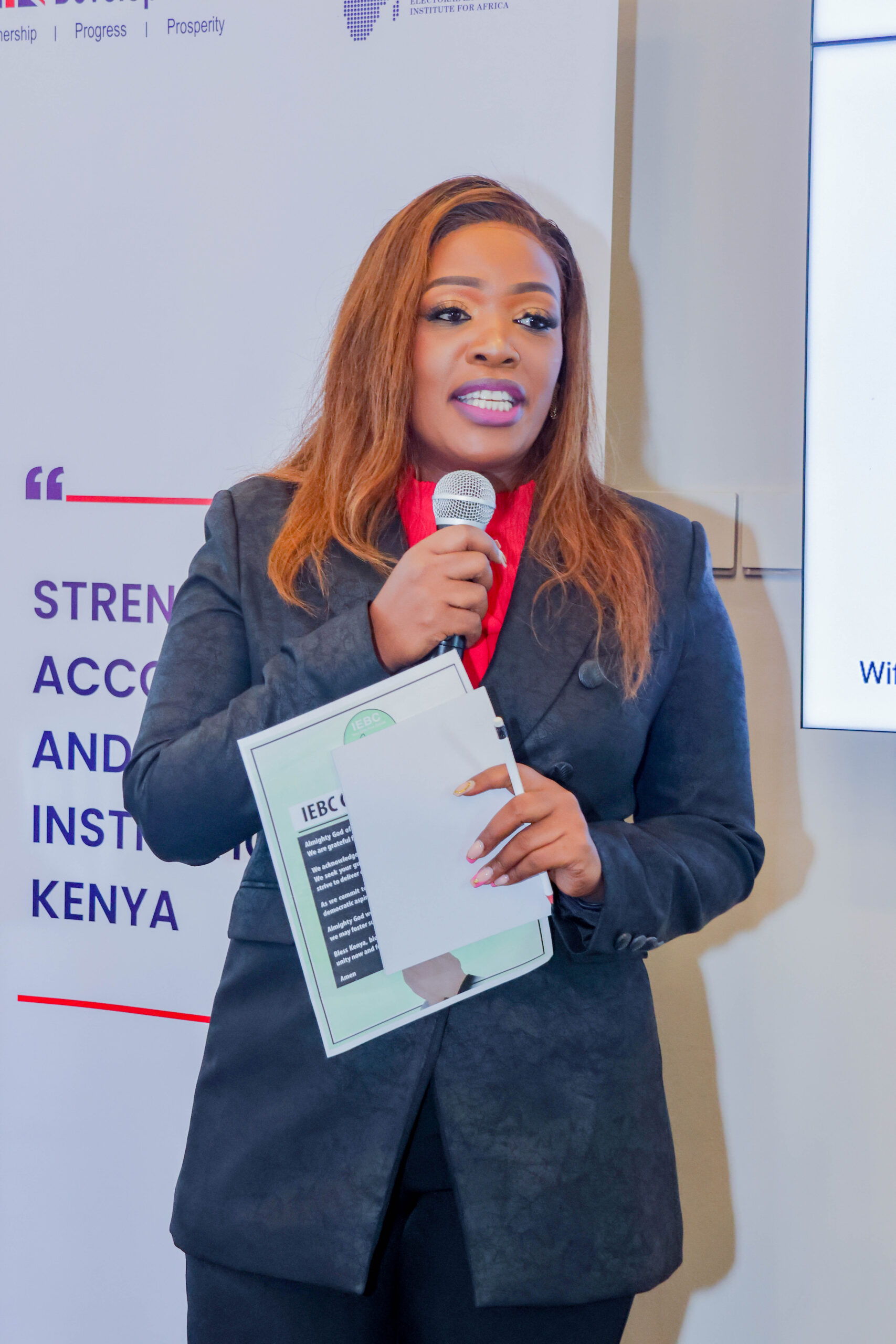
“Through this MOU, we ensure journalists are trained, informed and ready to report elections responsibly, minimizing misinformation and conflict,” she said.
Martin Maasai, a trustee at KEG and chairperson of the guild’s Media Freedoms and Ethics Committee, pointed out to the changing landscape of Kenya’s media industry, noting the increasing number of young reporters covering elections for the first time.
He stressed the importance of creating spaces for engagement and training between journalists and electoral officials ensuring that reporters understand the full electoral process.
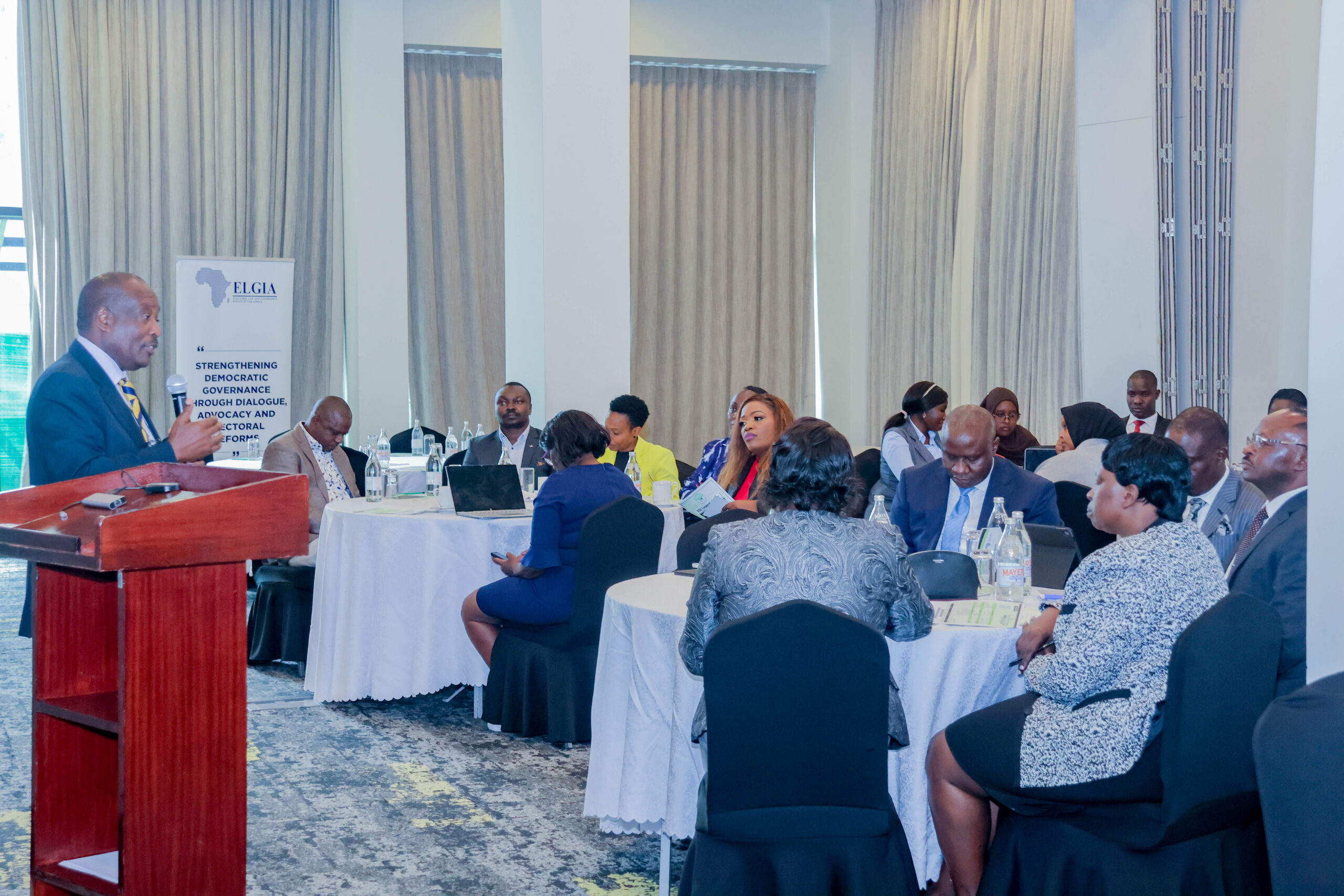
“Responsible and informed reporting is essential for transparency, public confidence and preventing misinformation,” Maasai said.
Victor Bwire, Director of Media Training and Development at the Media Council of Kenya (MCK), highlighted ongoing training initiatives between the council and IEBC aimed at strengthening election reporting.
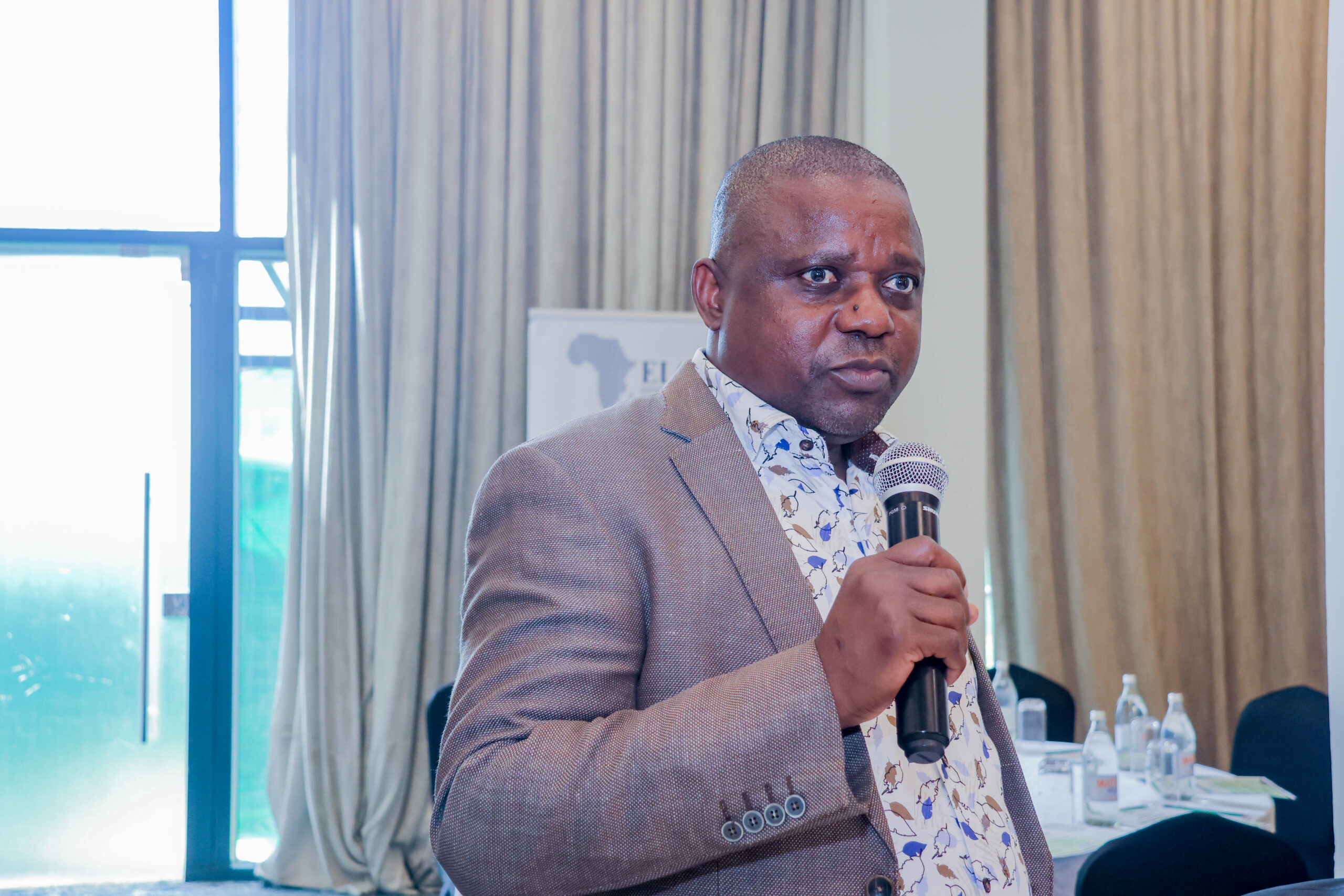
Bwire noted that Kenya’s rapidly expanding media landscape, which includes hundreds of radio, television, digital and online platforms, presents new challenges in ensuring consistent and accurate coverage.
He also raised concerns about emerging issues such as artificial intelligence, digital media and user-generated content, noting that the revised Code of Ethics and training programmes are designed to equip both journalists and non-journalists with ethical reporting skills.