|
Getting your Trinity Audio player ready...
|
By SHABAN MAKOKHA
Kakamega County, Kenya: In Kenya, the simple act of preparing a family meal remains a silent public health and an environmental crisis because millions of households still depend on firewood and charcoal as their primary cooking fuels.
Although clean cooking technologies have advanced globally, millions of Kenyan households – rural and urban, still depend on firewood, charcoal, and other traditional fuels.
What appears to be a cultural norm conceals a deep-rooted challenge affecting health, the environment, the economy, and the nation’s climate goals.
According to the International Energy Agency (IEA), nearly four out of five people in sub-Saharan Africa still lack access to clean cooking solutions.
This has serious implications for health, for forests, for climate, and for the daily lives of women and girls who often carry the burden of collecting fuel.
According to the World Health Organisation (WHO), household air pollution from cooking with polluting fuels and inefficient stoves causes around 2.9 million premature deaths globally every year, disproportionately affecting women and children.

For many families in Kenya, cooking begins long before food touches the pot. Hours are spent collecting firewood from shrinking forests or purchasing increasingly expensive charcoal.
Every morning, smoke curls from rural kitchens and urban informal settlements forming an invisible threat.
What looks like a normal daily routine masks a dangerous reality – household air pollution, health risk, deforestation, and rising climate emissions.
The connection between cooking fuel and poor health remains unrecognized, normalised by generations of smoke-filled living.
Women and children face the daily reality of smoke and strain bearing the consequences which are immediate and severe.
Women and children, who spend the most time near cooking areas, inhale fine particles of the smoke that fills kitchens, penetrating deep into their lungs.
Children doing homework in toxic smoky kitchens cough with discomfort through their studies. The smoke irritates their lungs and increases the risk of respiratory infections. Infants strapped on their mother’s backs breathe polluted air before they can even crawl.
Over time, this exposure contributes to respiratory infections, eye problems, heart complications, and even premature deaths.
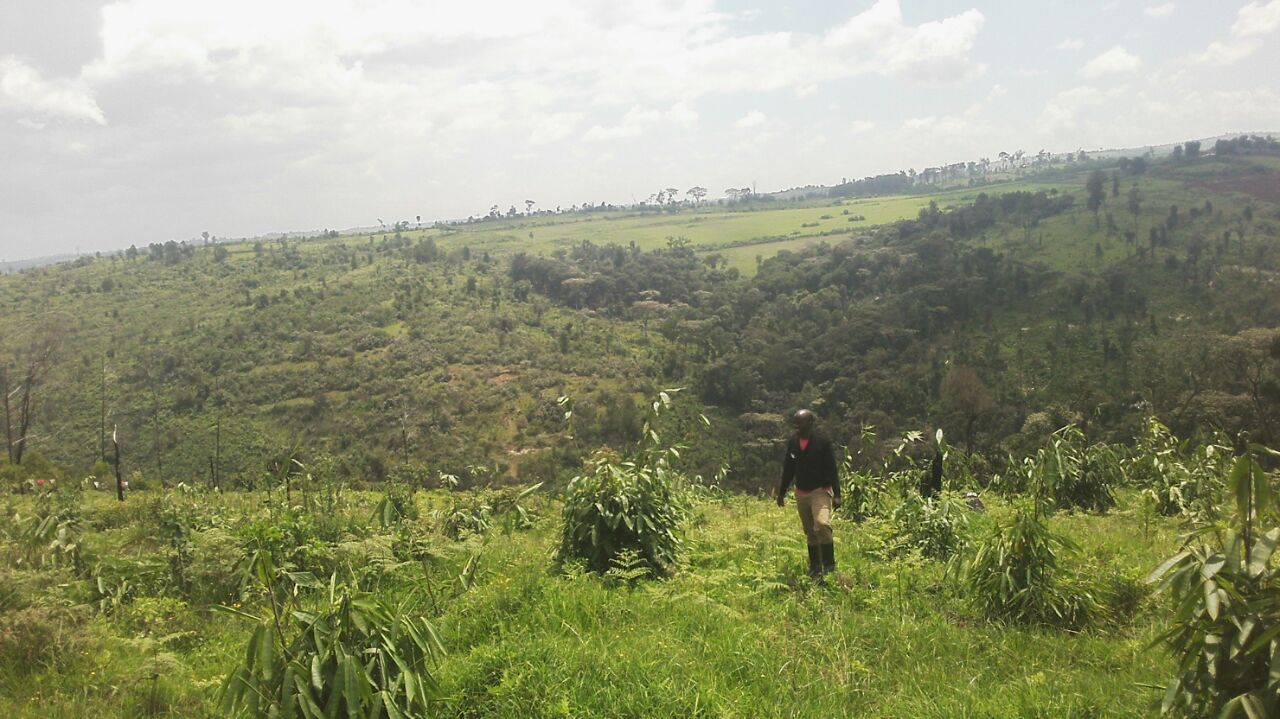
Traditional cooking fuels are a major driver of deforestation and forest degradation. As communities rely on woodlands for firewood, forests thin out, water sources shrink, and wildlife habitats are disturbed.
Cutting trees faster than they can regenerate fuels a cycle of land degradation and increases vulnerability to climate-related disasters.
The cost of charcoal continues to rise, straining already vulnerable family budgets. The production of charcoal, often unregulated, is contributing to shrinking forests and massive carbon emissions paradoxically harming the very communities who depend on those forests for survival, and the national push towards climate resilience is slowed down.
The economic burden hidden in plain sight lies in the financial cost of traditional cooking which is often underestimated.
Women spend long hours searching for firewood, time that could be used for work or education.
Hours spent searching for firewood represent lost productivity – time that could otherwise support school attendance, small businesses, or household income-generating activities.
Charcoal prices have surged in recent years, disproportionately affecting low-income households that already struggle to meet daily needs.
In urban settlements, the cost of charcoal forces many families into unsafe alternatives, such as using kerosene stoves indoors, which present fire hazards and additional health risks.
Transitioning to clean cooking solutions is more than a convenience; it is a pathway to health, a lifeline, a health intervention, climate action and an environmental necessity.
Several Kenyan counties are making progress by introducing policies that promote clean cooking, piloting energy-efficient stoves, or incentivizing investment in clean energy distribution.
In Kakamega, the county government launched the Accelerating County Cooking Transitions (A2CT) project, marking an important step towards strengthening access to clean and modern cooking solutions.
The Accelerating County Cooking Transitions project will be implemented in Kakamega, Meru, and Taita Taveta counties between July 2025 and December 2026, supporting counties to develop evidence-based clean cooking transition policies, strengthen data systems, and improve coordination among stakeholders across the sector.
The project is implemented between the Ministry of Energy, Kenya by SNV as the lead implementer, in partnership with the Clean Cooking Association of Kenya (CCAK) and Gamos East Africa, with support from UK PACT through the UK in Kenya British High Commission.
According to the project design, the initiative will equip counties with inclusive policies and data systems for clean cooking transition planning, support the progressive transition of at least 50% of trained households and public institutions from biomass fuels to modern cooking solutions and strengthen enterprise development and financial inclusion capacity for at least 200 individuals involved in clean cooking businesses and value chains.
These interventions are expected to contribute to reduced household air pollution, improved health outcomes, lower pressure on natural resources, and stronger local economies.
Through the A2CT project, partners will work with counties to strengthen clean cooking policies, build the capacity of local actors, and support enterprises across the clean cooking value chain.
The A2CT project aims to accelerate Kenya’s transition to clean and modern cooking solutions by strengthening county governance, building local capacity, and supporting inclusive clean cooking markets.
Other partners like the Clean Cooking Association of Kenya (CCAK) and Gamos East Africa, are offering technical expertise and collaboration essential in ensuring the project delivers meaningful results.
These initiatives will dramatically cut household pollution, reduce the burden on forests, and help the country meet its climate commitments.
The collaboration will support counties like Kakamega to develop clean cooking transition policies, strengthen data and planning systems, and create opportunities for enterprises and communities to participate in the clean energy value chain.
While Kakamega County plays a role in Kenya’s agricultural landscape, with thousands of farming households contributing to food systems, livelihoods and local markets, many households face everyday challenges related to how energy is accessed and used in the home.
According to baseline findings by UKPACT released on March 10, 2026, in Kakamega, firewood use meets 57% of the total cooking energy needs, while charcoal accounts for 34% and LPG only 9%. The findings highlight firewood as the most dominant across all income levels, showing that income growth alone does not drive clean cooking transition.
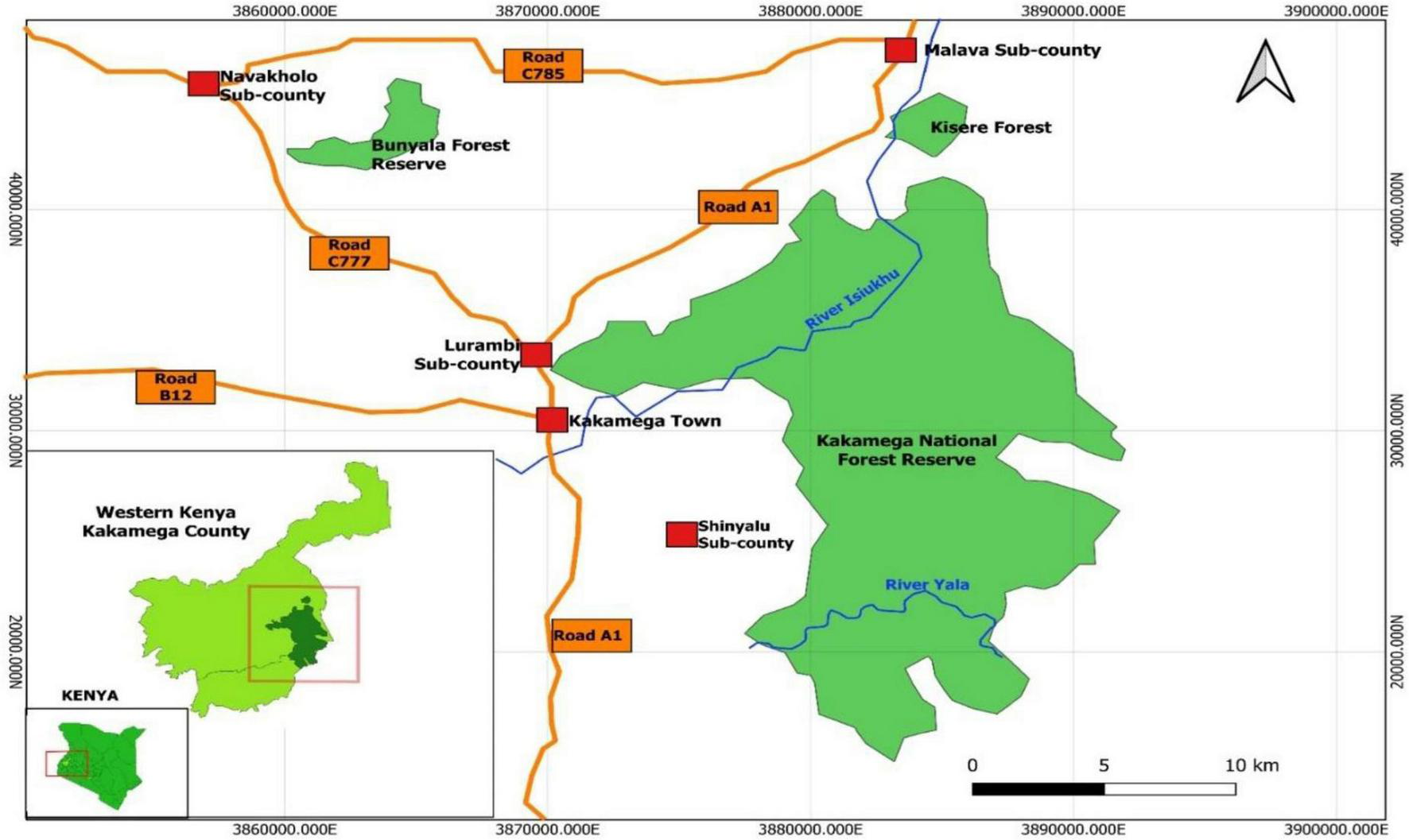
In another report by the United Nations Framework Convention on Climate Change, firewood is the primary fuel source in Kakamega with a historical reliance. The report points at 90% people in the area depending on local forest resources leading to a 50% decrease in the size of the Kakamega forest.
Kakamega Governor Fernandes Barasa explained that while national clean cooking adoption stands at 24%, Kakamega County currently is at 9%t, largely due to its predominantly rural population.
Mr Barasa said the clean cooking transition initiative aims to expand clean energy access, create green jobs, and strengthen inclusive development.
“The initiative aims to fast-track the adoption of clean and modern cooking solutions while strengthening county governance, enterprise development, and inclusive participation across the clean cooking value chain,” said Mr Barasa.
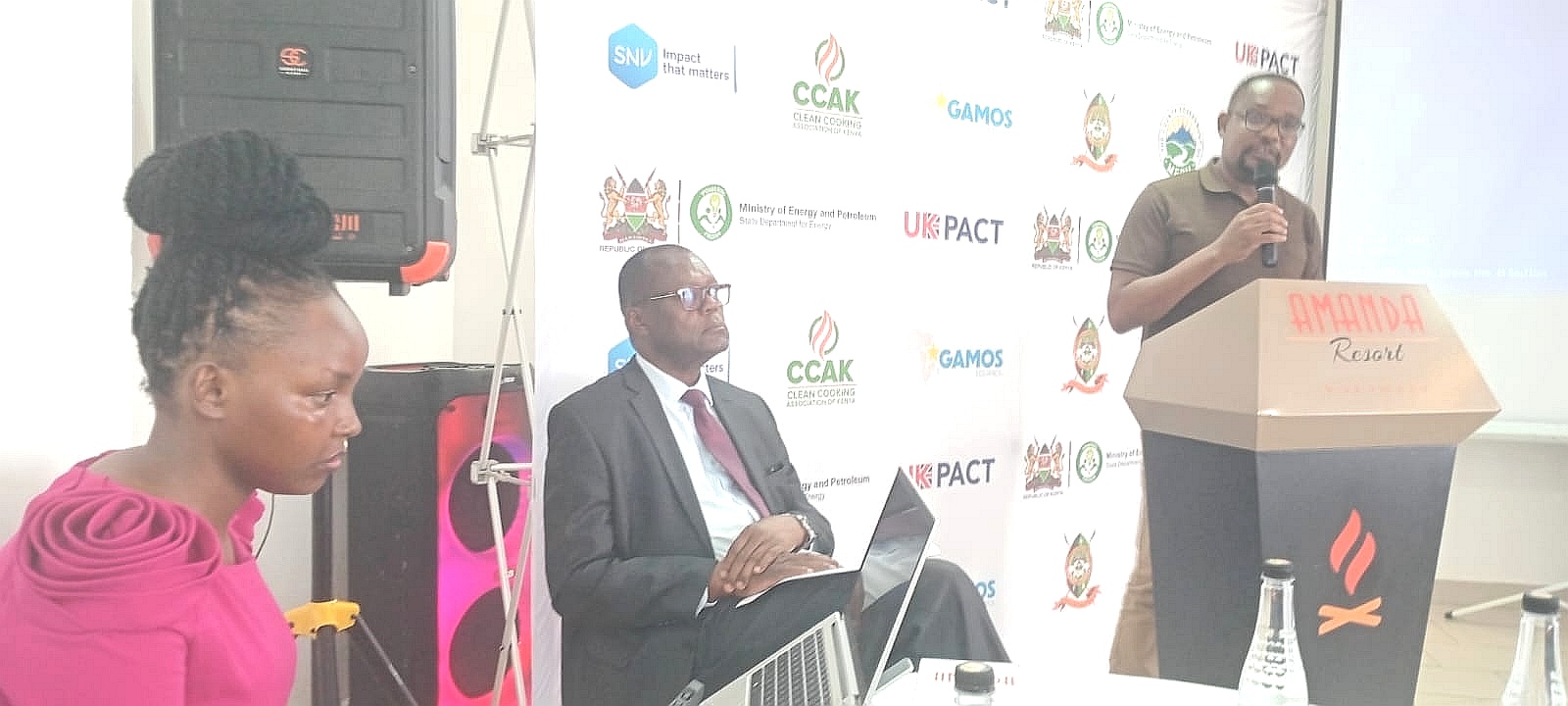
In a statement read on his behalf by the CECM, Roads, Energy and Public works, Architect Patrick Kundu during a multi-sectoral meeting on Accelerating County Cooking Transitions (A2CT) Project, Mr Barasaa noted that the County Integrated Development Plan prioritizes a shift to clean energy across several sectors including cooking, lighting, transport, manufacturing, agriculture, waste management, and urban infrastructure.
Mr Barasa reiterated the importance of transition to clean cooking as a key pillar in a society’s development.
He said the county has secured Sh3 billion to support rural electrification which will significantly support the transition and align with national targets that aim to reduce wood-stove use to 3 percent, charcoal to 2 percent, while increasing LPG adoption to 50 percent and bioethanol use to 30 percent.
He expressed optimism that the upcoming policy will reflect local environmental realities and investment opportunities.
The Accelerating County Cooking Transitions (A2CT) project will also strengthen skills, financial literacy, and job opportunities within the clean cooking value chain, helping to create green jobs and sustainable livelihoods.
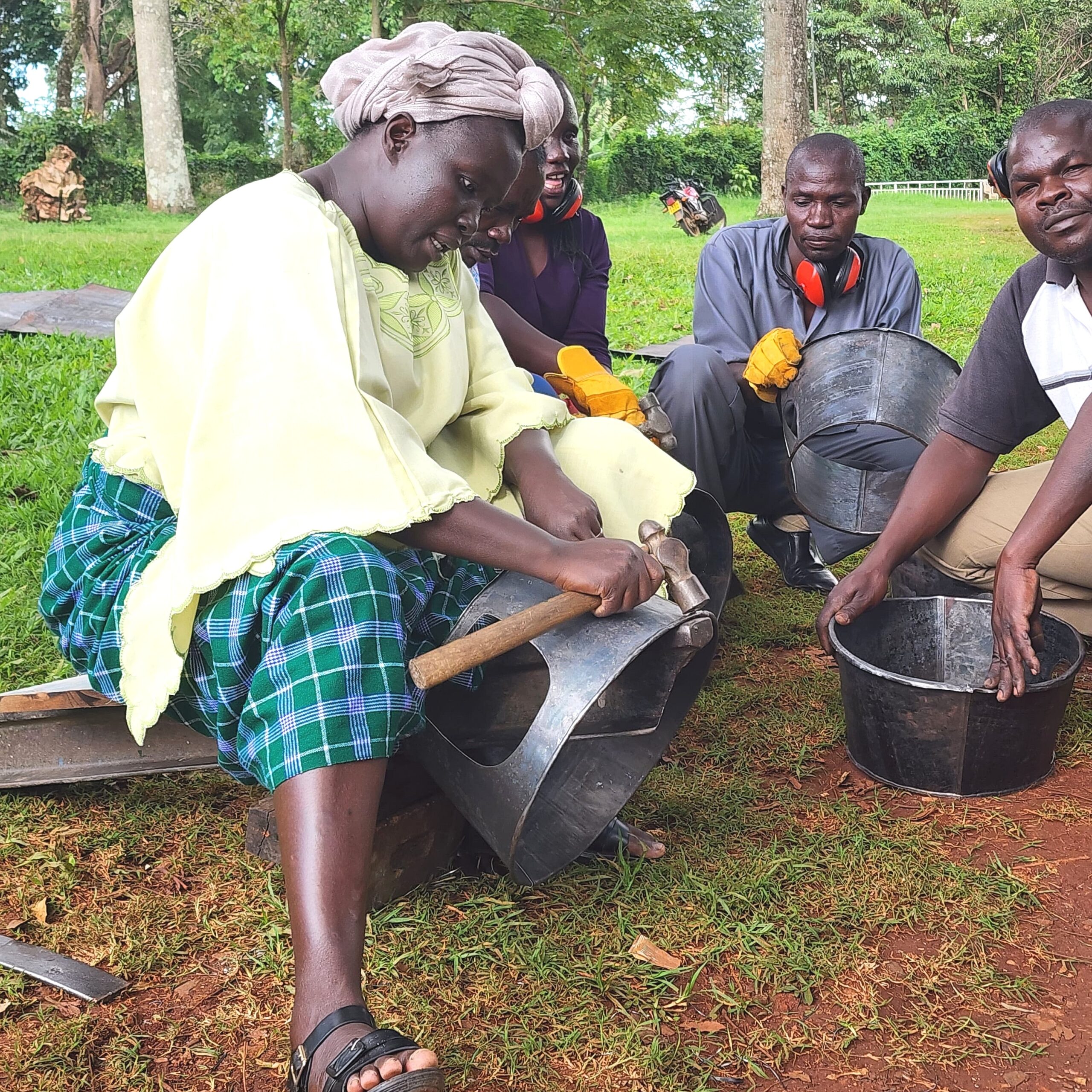
Ms Rebecca Hallam, Country Director for SNV in Kenya and Burundi said clean cooking project includes building the capacity of county institutions, supporting inclusive policy frameworks, and strengthening opportunities for women, youth, and small enterprises to participate in the clean cooking economy.
According to Hallam, clean cooking solutions like LPG, improved biomass stoves, ethanol, biogas, and electric pressure cookers offer far more than cleaner air. They offer dignity, time, opportunity, safety and present a transformative opportunity.
Ms Hallam said: “At the center of today’s launch are the people of Kakamega – households seeking healthier cooking solutions, entrepreneurs building clean energy businesses, and communities working towards more resilient livelihoods. Clean cooking is not just about modern stoves – it is about securing a healthier, more sustainable future for every Kenyan household.”
She highlighted: “These technologies drastically reduce household air pollution, saving lives and reducing illnesses. They also save time, free up household income, and protect forests.”
She said clean cooking, not only addresses energy, it is about health, dignity, time, economic opportunity, and environmental sustainability.
“To the women, youth, and persons with disabilities who are here, you are not simply beneficiaries of this work, you are central to the transformation of the clean cooking sector and to building inclusive energy markets that work for everyone,” she explained.
When families adopt clean cooking solutions, women gain back valuable hours each week, children breathe cleaner air and face fewer health risks, households spend less on fuel over time and the country moves closer to achieving its climate and development goals.
In addition, community-based groups and private innovators continue to develop affordable, accessible options tailored to local needs.
However, despite these gains, challenges remain. Affordability: Many households cannot afford the upfront cost of clean cooking devices. There also exist awareness gaps with some families unaware of the health and economic benefits of switching while rural areas often lack consistent access to clean fuel.
The cultural preference of traditional cooking methods, especially for certain foods, also influences adoption rates.
Clean cooking is not just a technological upgrade, it is a critical step toward healthier families, restored ecosystems, and a resilient national future.
The journey to smoke-free kitchens is not merely an environmental or health issue – it is a story about dignity, equity, and the promise of a better life for every Kenyan family.
As former UN Secretary-General Ban Ki-moon once said: “Energy is the golden thread that connects economic growth, increased social equity, and an environment that allows the world to thrive.”