|
Getting your Trinity Audio player ready...
|
By Peter Otieno
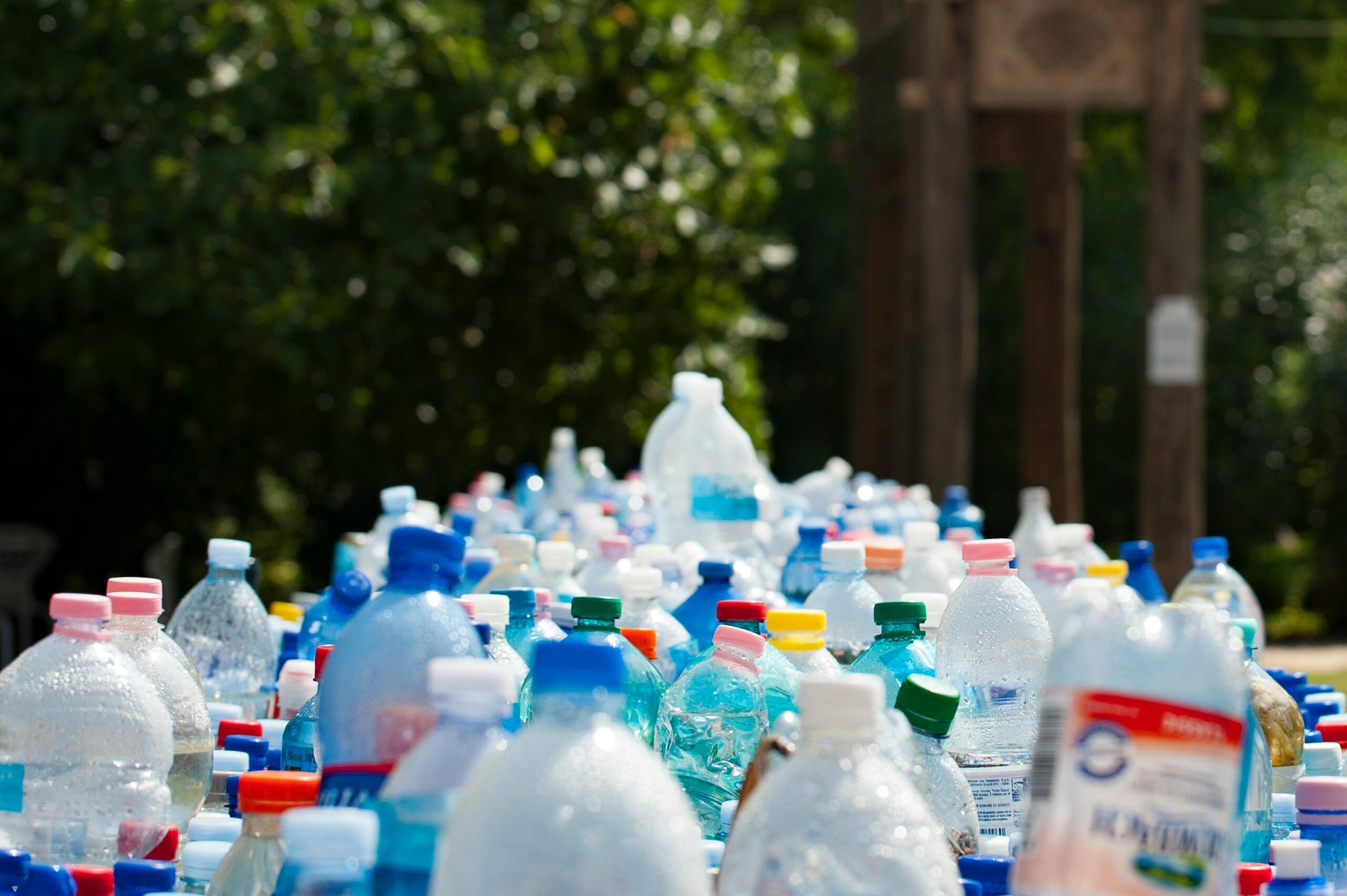
Nairobi, Kenya: Plastic waste carelessly discarded pollutes and harms the environment, driving widespread biodiversity loss and ecosystem degradation. It threatens human health, compromises food and water safety, burdens economic activities, and exacerbates climate change.
In 2019, macroplastics (larger than 0.5 mm) accounted for 88% of the 20 million metric tons of global plastic pollution, impacting all ecosystems. The primary culprits are single-use items like bottles, bags, and straws. Land-based sources—urban runoff, littering, industrial and agricultural activities—are the major contributors, while marine pollution also stems from shipping, paint, and abandoned fishing gear.
Kabarak University and Team Environment Kenya’s Pre-World Environment Day Webinar
On 27th May 2025, Kabarak University and Team Environment Kenya hosted a webinar ahead of World Environment Day, focusing on plastic pollution’s threat to food security. Key speakers included:
-
Samuel Lopokoiyit, Nairobi County Director of Environment
-
Alicia Moraa, Plastic Tide Turners Ambassador and Climate Innovator
-
Mr. Geoffrey Mosiria, Nairobi Chief Officer for Environment
-
Mr. Richard Kainika, Secretary General of the Kenya Association of Waste Recyclers
Alicia Moraa, representing the Kenya Girl Guides Association, shared how they integrate environmental education into youth programs. Initiatives like storytelling, upcycling projects, and school environmental clubs have boosted awareness and even spurred small-scale entrepreneurship.
Speakers also addressed challenges in curbing illegal plastic dumping, particularly in informal settlements near water bodies. Discussions highlighted struggles with flimsy plastics and the need for stronger community collaboration. Emphasis was placed on youth engagement, data accessibility, and innovation to advance sustainability in Kenya.
NEMA’s Regulatory Efforts
The National Environment Management Authority (NEMA) is tightening enforcement on plastic importers, manufacturers, and distributors. According to Samuel Lopokoiyit, Nairobi’s enforcement rate stands at 75%, with the remaining 25% still a challenge. Kenya’s ban on single-use plastics has drawn global attention, and new measures aim to strengthen compliance.
A forthcoming Extended Producer Responsibility (EPR) regulation will introduce a database tracking all plastic imports and manufacturing, improving monitoring of recycling and disposal rates. NEMA is also developing a public platform to enhance transparency in plastic management.
Recycling Innovations and Youth Opportunities
Richard Kainika of the Kenya Association of Recyclers highlighted emerging trends:
-
Rise in youth- and women-led recycling enterprises
-
Tech-driven startups using digital waste-tracking tools
-
Potential blockchain applications for waste traceability
-
Expansion of Material Recovery Facilities (MRFs) in urban counties
Kainika stressed the untapped potential in recycling, urging the public to view waste as a resource:
“Any plastic or waste in your home or school can be converted into financial gain.”
He called on unemployed youth to collect, document, and connect with the association via their website for market opportunities. Strengthening waste collection systems and value chains, he noted, is critical to supporting recycling factories.
The Need for a Global Plastics Treaty
Despite national efforts like single-use plastic bans, a binding global treaty is essential to address transboundary plastic pollution, a leading cause of biodiversity loss. International agreements must prioritize legally binding measures to protect and restore ecosystems.
Looking Ahead
The webinar served as a precursor to World Environment Day (June 5th), reinforcing the urgency of collective action against plastic pollution. By empowering youth, enhancing policies, and fostering innovation, Kenya can turn waste into opportunity while safeguarding food security and the environment.