|
Getting your Trinity Audio player ready...
|
By Milly Sabwami
West Pokot, Kenya: In West Pokot County, the life of a 13-year-old girl is often tragically redefined. Rather than remaining a child, she becomes prematurely burdened with the roles of wife and mother, contributing to concerning statistics.
This region’s deep-rooted traditions continue to severely undermine the rights of the girl child. Thousands of young lives are prematurely curtailed, their futures dissolved into a struggle for survival, often ending their education at Class Seven. The core culprits are Female Genital Mutilation (FGM), child marriage, and teenage pregnancy.
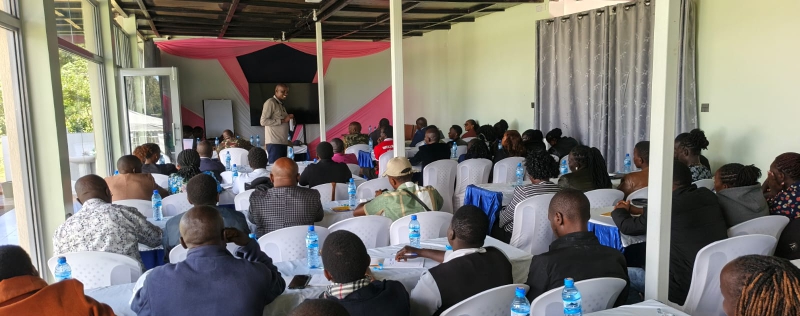
However, a significant shift is now underway. A new narrative is being built through the “Future for Binti” programme, an ambitious initiative launched at Kalya Gardens in West Pokot County. This launch brought together government officials, community leaders, and activists.
Led by Amref Health Africa and funded by the Dutch government, the programme is set to run from 2026 to 2030. Its core mission is to directly tackle the county’s most persistent and harmful cultural practices that systematically deny girls their childhood, education, and future potential.
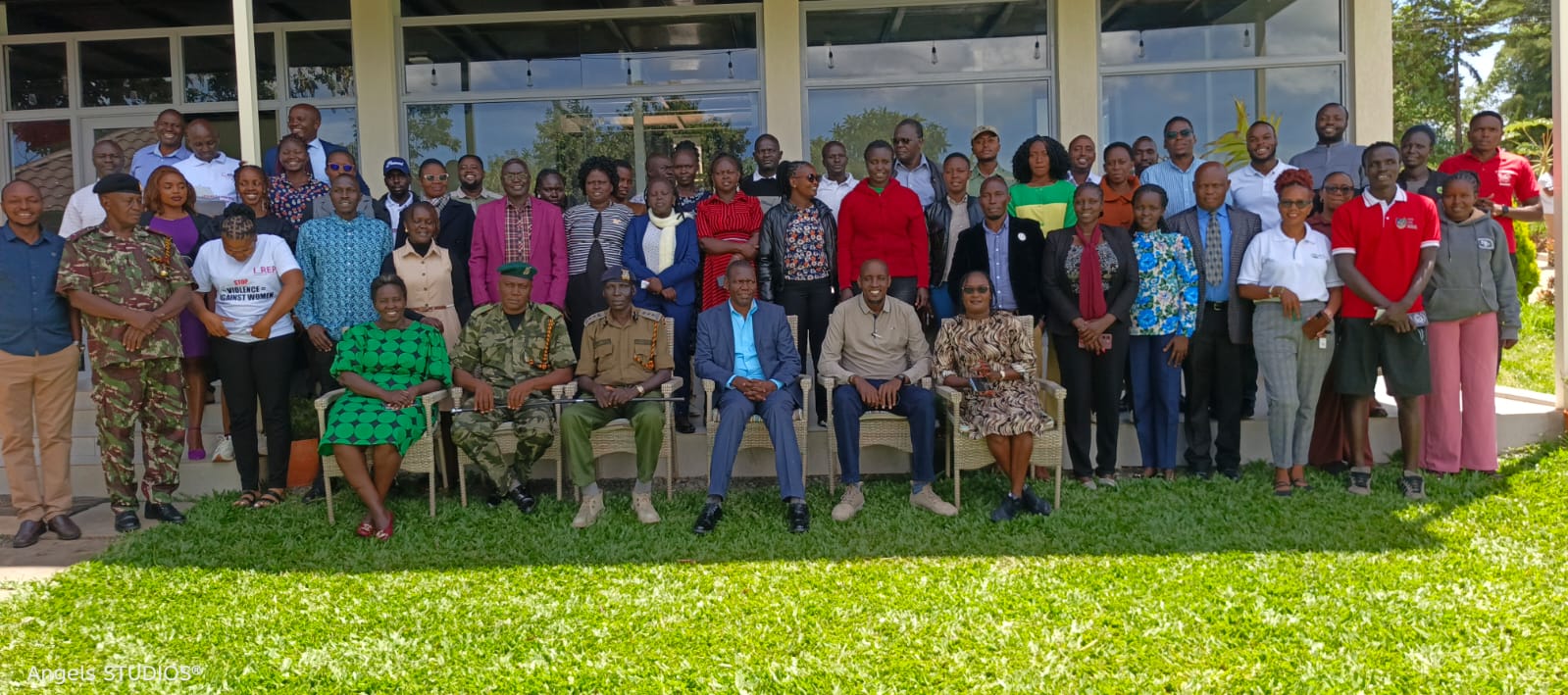 “This programme is about countering harmful practices so that young girls can have a future and achieve their aspirations,” said Viola Ruto, Programme Manager for Gender Based Violence and Child Protection.
Adding “Every girl deserves a chance to grow, to learn, and to achieve her aspirations.”
The Urgency is Stark
In West Pokot, concerning data from the 2019 Kenya Demographic and Health Survey reveals a crisis for girls: 44 percent have undergone FGM, child marriage stands at 42 percent, and teenage pregnancy affects 36 percent. These statistics obscure the painful reality of futures lost—of girls married as young as nine, classrooms abandoned, and lives drastically curtailed before they can even begin.
This cycle is often fueled by the intersection of poverty and entrenched cultural norms. Girls who leave school early do not just forfeit their education; they also lose economic independence, thereby perpetuating generational vulnerability.
The Futue for Binti programme is designed to interrupt this devastating pattern through a comprehensive, holistic approach. The initiative targets not only the girls themselves, but also the broader systems and structures that surround them.
A coordinated intervention involves healthcare workers, police officers, educators, legal service providers, and community leaders, all working together to protect and empower girls.
Central to the community-level implementation is the IREP Foundation. Led by Domtillah Chesang, the organization has a proven track record, having spent over a decade supporting girls who are fleeing early marriages and Female Genital Mutilation.
“We have seen girls run away from home to escape these practices,” Chesang said. “This programme gives them not just protection, but a voice.”
AMREF Health Africa’s new programme was highly praised by County officials, including Philip Wapopa, Director of the Children’s Department in West Pokot County, who described it as a timely intervention that will complement existing policy frameworks.
The initiative is primarily focused on Pokot Central, an area where harmful practices are deeply entrenched. Its approach is to transform the culture from within, not by confrontation, but by engaging parents, elders, and local leaders in constructive dialogue.
“Cases of child marriage and teenage pregnancy remain high, with some girls being married off between the ages of 9 and 13. This programme will have a significant impact in ending such harmful practices,” he said, adding that many cases of defilement go unreported at the grassroots level.
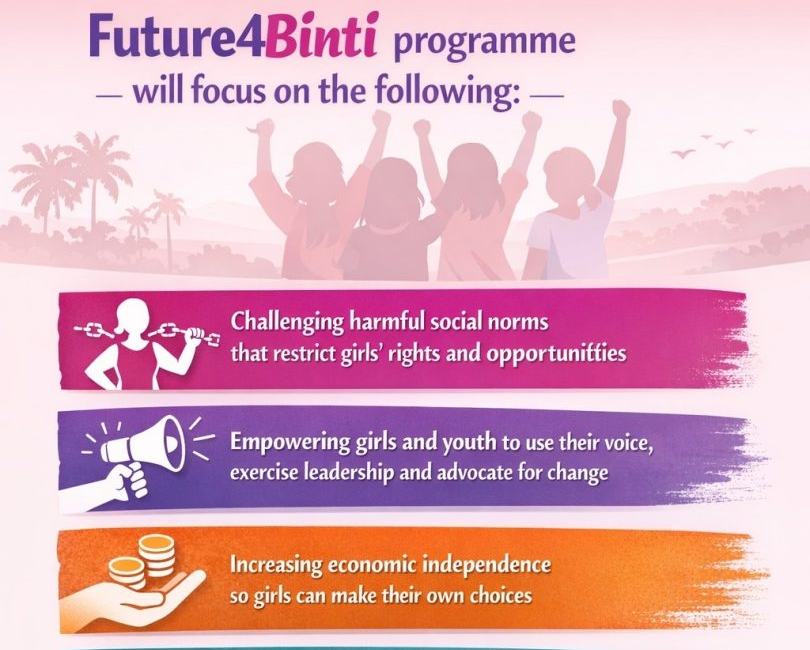 The Future for Binti programme is designed to complement established policy frameworks, notably the West Pokot County’s Gender Policy (2024) and the child protection systems managed by the Department of Children Services.
The Gender Policy establishes a clear strategy for advancing gender equality by tackling critical issues such as FGM, child marriage, gender-based violence, and disparities in access to education and healthcare, while also strengthening institutional accountability.
Concurrently, the child protection frameworks are focused on preventing abuse, coordinating responses, and guaranteeing the safety, schooling, and protection of all children, particularly girls.
Together, these policies provide the necessary legal and institutional bedrock for supporting The Future for Binti programme and ensuring its long-term success.
However, their effectiveness depends on sustained investment.
Strengthening these frameworks through adequate funding, enforcement, and multi sectoral coordination ensures that protection is not just theoretical but real, accessible, and lasting.
These policies, once fully implemented, are expected to significantly contribute to keeping girls in school, improving healthcare access, and guaranteeing justice for abuse survivors. County leaders are confident that this programme will speed up the achievement of these positive outcomes.
Lucky Chemtai Litole, County Executive Committee Member for Tourism, Culture, Sports, Youth, and Social Services, noted that the initiative will also focus on scholarships, improved healthcare access, and education support for vulnerable girls.
“FGM has been rampant, but through partnerships with Amref Health Africa and other stakeholders, we are working to eradicate early forced marriages GBV and harmful practices,” she said, noting that gender based violence in West Pokot County stands at approximately 6.8%, although many cases go unreported.
“Education remains the strongest tool we have,” she said. “When a girl stays in school, she is protected.”
West Pokot County Commissioner David Saruni emphasized the need for a united front, particularly in a region that borders Uganda, Turkana, Elgeyo Marakwet, and Baringo areas where cross border dynamics can complicate enforcement.
“To end FGM by 2030, we must involve every stakeholder,” he said. “No child should be left unprotected.”
The Future for Binti programme in West Pokot is said to offer a beacon of hope, directly supporting Kenya’s 2030 goal to eradicate FGM. Beyond national policies, its true success will be visible in deeply personal, quiet victories: a girl refusing to be cut, a child remaining in school, a future no longer stolen.
While change is a gradual process in West Pokot, stakeholders are optimistic. Sustained commitment, collaborative efforts, and the community’s courage to challenge long-held norms are expected to transform the lives of these girls, ultimately giving them not just a voice, but a future.