
|
Getting your Trinity Audio player ready...
|
By OMBOKI MONAYO
Nairobi, Kenya: After ten intense days of negotiations, the fifth session of the Intergovernmental Negotiating Committee (INC-5.2) on plastic pollution concluded in Geneva without a finalized treaty—but with a clear message: the world remains committed to ending plastic pollution.
UNEP Executive Director Inger Andersen acknowledged the complexity of the talks, praising delegates for their resilience. “This has been a hard-fought 10 days against the backdrop of geopolitical complexities, economic challenges and multilateral strains,” she said. “My deep thanks to the negotiators who have, yet again, endured sleepless nights to try to find a landing ground.”
Despite the lack of agreement on core issues such as plastic production limits, product scope, financing mechanisms, and voting procedures Andersen emphasized the progress made. “You have gone deeper than ever before into all areas of the instrument… I personally believe that you have come closer to realizing the mandate that was given to you by the UN Environment Assembly.”
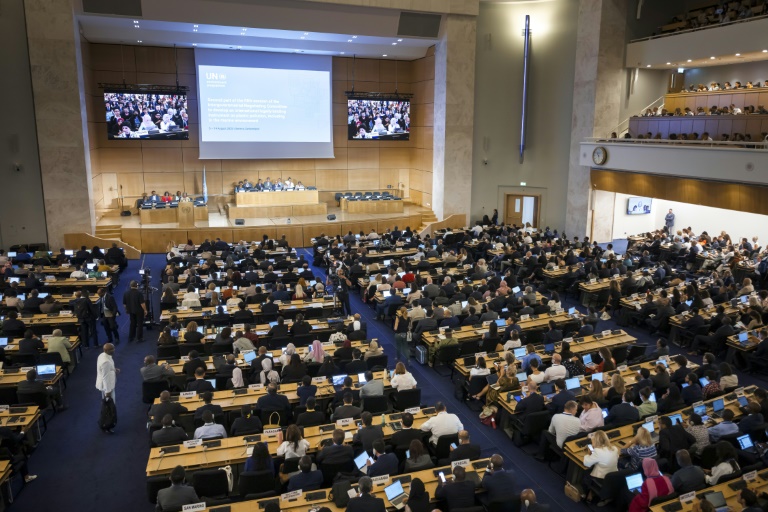
She also acknowledged the disappointment felt by civil society, youth groups, Indigenous communities, and scientists. “I know this will not be the ending you had hoped for, and nor indeed the ending that we at UNEP have worked for. Expectations were high for this meeting,” Andersen said. “But your voice, advocacy and continued engagement will continue to be needed.”
The Global Plastic Crisis: A Snapshot
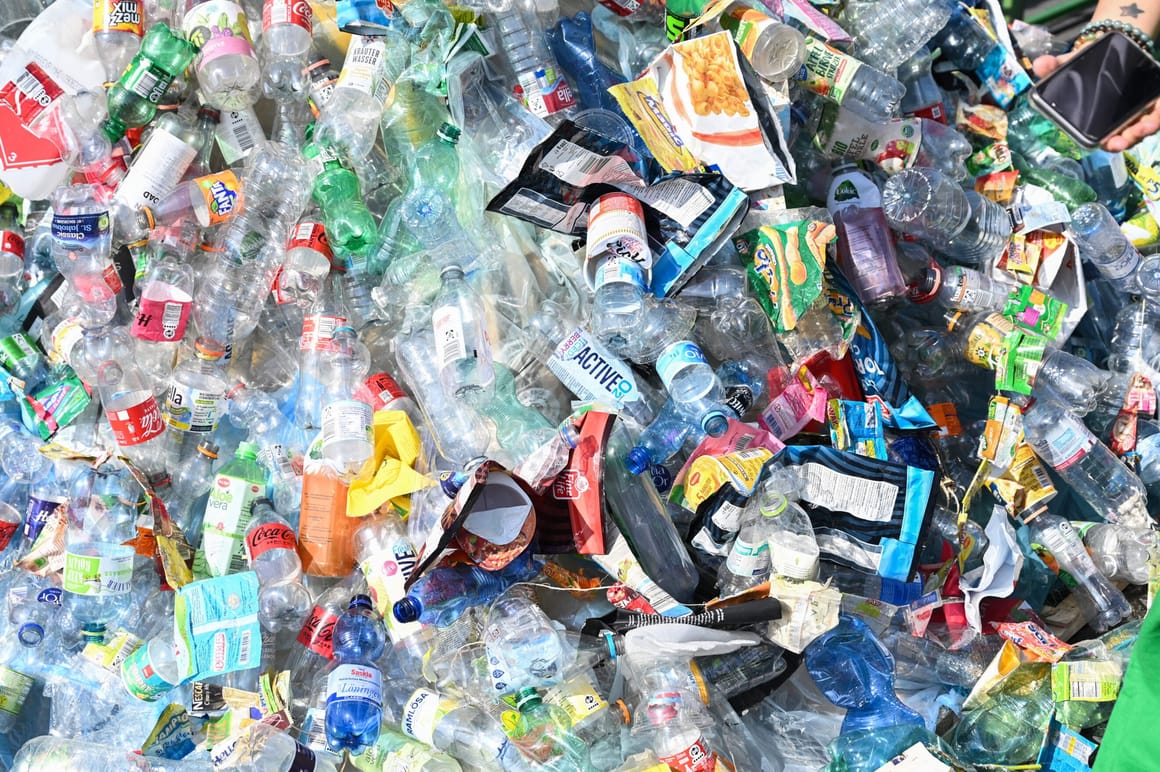
Plastic pollution has reached staggering levels. Globally, over 460 million tonnes of plastic are produced annually, with only 9% recycled. An estimated 11 million tonnes leak into aquatic ecosystems each year, contaminating rivers, oceans, and even human bodies—microplastics have been found in breast milk and seafood.
Africa, while responsible for just 5% of global plastic production, faces disproportionate impacts. Rapid urbanization and population growth have driven a surge in single-use plastics, with less than 10% of waste recycled. In many African cities, plastic waste clogs drainage systems, contaminates water sources, and creates breeding grounds for disease-carrying mosquitoes. Burning plastic waste—a common disposal method—releases toxic pollutants, exacerbating respiratory illnesses.
Improper disposal also threatens agriculture. Plastics reduce soil porosity, disrupt water cycles, and degrade ecosystems essential for food production. With 30 African countries having banned single-use plastic bags, policy momentum is growing but enforcement and infrastructure remain weak.
Reacting to the meeting’s outcome, Hellen Kahaso Dena, Greenpeace Africa’s Pan-Africa Plastics Project Lead said:
“As governments put their political and economic interests before people and the planet, the planet burns, our oceans choke and our children breathe, drink and eat microplastics. This delay allows polluters to continue flooding the world with plastic, while frontline communities face the dire consequences of this crisis.
She expressed optimism at the possibility of the UN member states coming to a meaningful consensus on the elimination of plastic pollution, urging them to muster the courage to deliver a treaty that would rescue communities from its adverse effects.
 The opportunity to secure a plastics treaty that protects our health, biodiversity and climate is still within reach. Member states need to up their game, step up with courage and deliver a treaty that cuts plastic production to alleviate our communities from the detrimental impacts of plastic pollution,” said Hellena
The Cost of Action and Inaction
Ending plastic pollution will require unprecedented financial investment. The World Bank estimates that transitioning to a circular plastics economy will demand up to $17 trillion globally. Innovative financing mechanisms are emerging, including plastic credits and outcome-based bonds. For instance, the World Bank’s $100 million Plastic Waste Reduction-Linked Bond ties investment returns to measurable reductions in pollution.
However, gaps remain. Many enterprises tackling plastic pollution fall into the “missing middle” category that is too large for microfinance and too risky for commercial loans. UNEP’s Finance Initiative has called on governments to adopt binding treaty provisions that empower private finance to scale solutions. Over 180 financial institutions, representing $17.2 trillion in assets, have signed a statement urging bold action.
Andersen echoed this urgency: “We at UNEP will continue, undeterred, to support Member States taking this most critical mandate forward. And we will in parallel continue to support countries to fight back against plastic pollution—pollution in our groundwater, in our soil, in our rivers, in our oceans and yes, in our bodies.”
The Geneva session may not have delivered a treaty, but it did reaffirm global resolve. “Ultimately, I have heard from every country here in this room that you want to end plastic pollution. You want a deal,” Andersen said. “Is it easy? No. But do countries want an end to the environmental, economic and health impacts of plastic pollution? Absolutely.”
As negotiations continue toward the treaty’s finalization in 2025, UNEP and its partners will keep pushing for multilateral solutions. “Together,” Andersen concluded, “we can—and will—beat plastic pollution.”