|
Getting your Trinity Audio player ready...
|
By Mary Mwendwa
Nairobi, Kenya: A recent study has revealed the severe toll that nurse shortages in Kenyan hospitals are taking on both newborns and the nurses who care for them. The Harnessing Innovation in Global Health for Quality Care (HIGH-Q) project, funded by the UK’s National Institute for Health and Care Research (NIHR), highlights how overworked nurses in newborn units (NBUs) are facing extreme stress and burnout, compromising the quality of care for vulnerable infants.
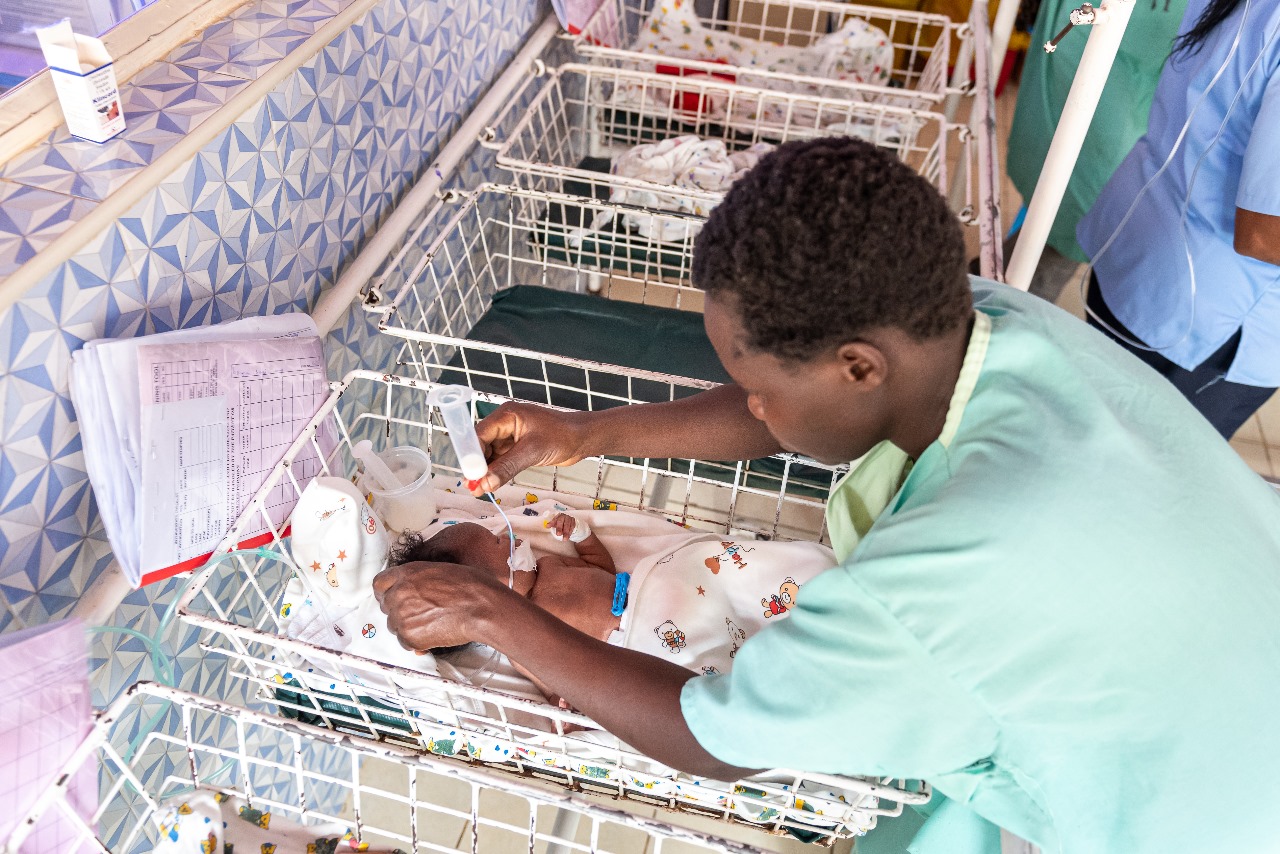
Nurses in Kenyan public hospitals are the backbone of neonatal care, responsible for round-the-clock monitoring, feeding, medication, and emergency interventions for sick and premature babies. However, severe understaffing means they are often stretched beyond their limits.
Key findings from the study show:
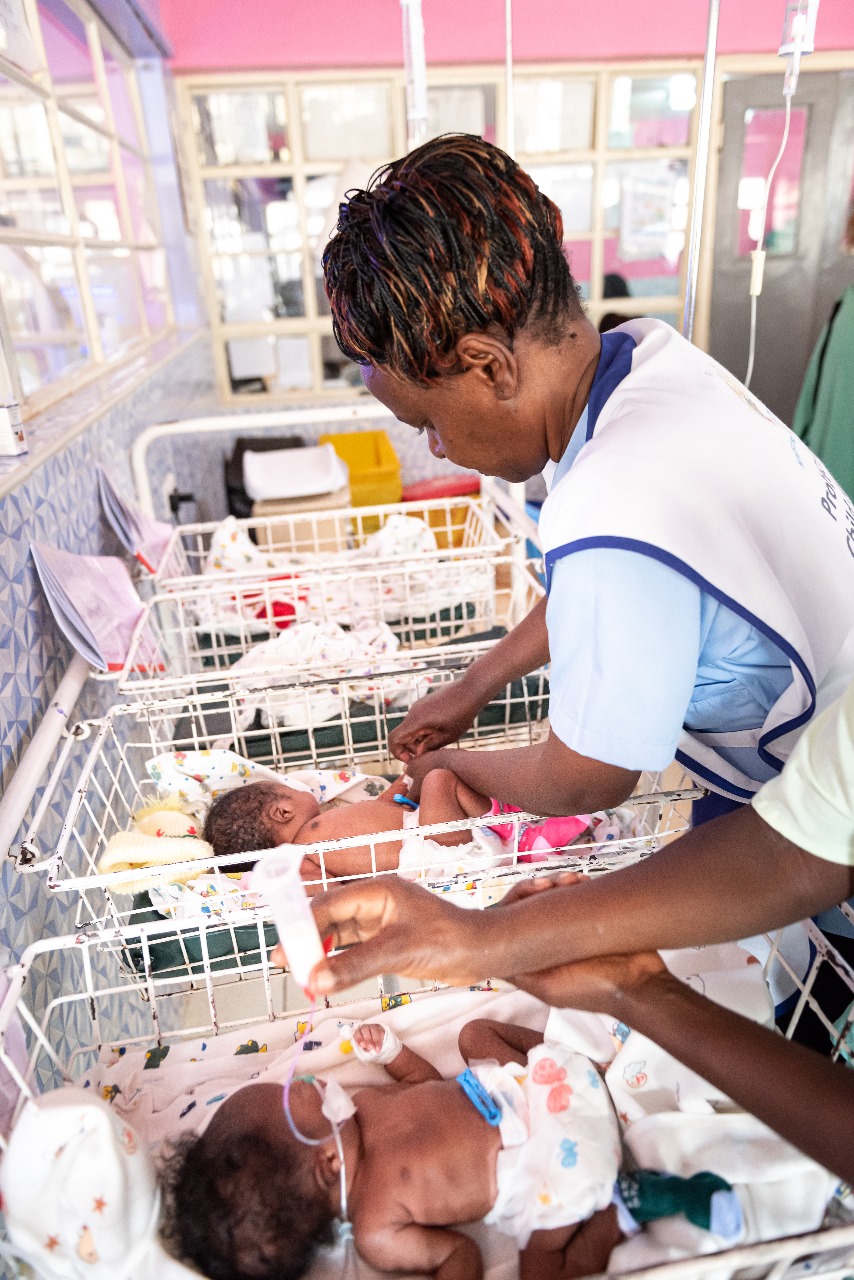
- Unmanageable Workloads: Some nurses care for over 25 newborns per shift, leaving them only 30 minutes per baby in a 12-hour shift—far below international standards.
- Missed Care: Due to time constraints, nurses can only provide one-third of the expected care, leaving critical gaps in treatment and monitoring.
- Emotional and Physical Exhaustion: The pressure to care for critically ill infants while also supporting distressed parents leads to high stress, burnout, and emotional withdrawal. Some nurses reported feeling so overwhelmed that they could only provide the bare minimum care.
- Poor Working Conditions: Overcrowded, poorly designed wards worsen the situation, making hygiene, safety, and emotional well-being even harder to maintain.
The study found that nurses often struggle with guilt and frustration when they cannot provide adequate care. One nurse shared: “Sometimes you just have to prioritize the babies who are in the worst condition. But even then, you know others are suffering. It’s heartbreaking.”
Mothers also suffer due to poor communication, as overburdened nurses have little time to explain treatments or offer emotional support. Many mothers reported feeling stigmatized, confused, and abandoned in their time of need.
The HIGH-Q project tested potential solutions, including:
- Additional Nurses: While this improved care slightly, staffing levels remained dangerously low.
- Ward Assistants: These support staff helped with non-critical tasks, improving cleanliness and allowing nurses to focus on medical care.
- Communication Training: Nurses who received training became more aware of their interactions with parents and colleagues, improving overall care quality.
Professor Mike English, the study’s lead investigator, emphasized that without more nurses and better hospital conditions, progress in newborn care will remain stalled. Key recommendations include:
- Increasing nurse-to-baby ratios to safe levels.
- Redesigning NBU layouts for efficiency and dignity.
- Formalizing ward assistant roles to reduce nurses’ non-medical workload.
- Integrating emotional resilience training to help nurses cope with stress.
The HIGH-Q study exposes a critical issue: Kenya’s neonatal nurses are burning out, and babies are paying the price. While medical advancements like NEST 360° offer hope, they mean little without enough skilled, supported nurses to use them. As Prof. Elijah Songok of KEMRI stated, this is a “wake-up call”—one that demands urgent action to protect both newborns and the nurses fighting to save them.
Investing in nurse staffing, better hospital environments, and emotional support for healthcare workers isn’t just about improving care—it’s about saving lives and ensuring Kenya’s nurses can continue their vital work without sacrificing their own well-being.