|
Getting your Trinity Audio player ready...
|
By Dr. James Ciera
Homa Bay, Kenya: Kevin Mwangi’s (not his real name) viral tweet thread exposing county youth fund scams has politicians suddenly flooding his DMs with invitations to “stakeholder forums” ahead of this week’s Devolution Conference. The 22-year-old could not understand how MPs who have ignored them for years are now scrambling to launch empowerment programs, their sudden interest raises a lot of suspicion among them.
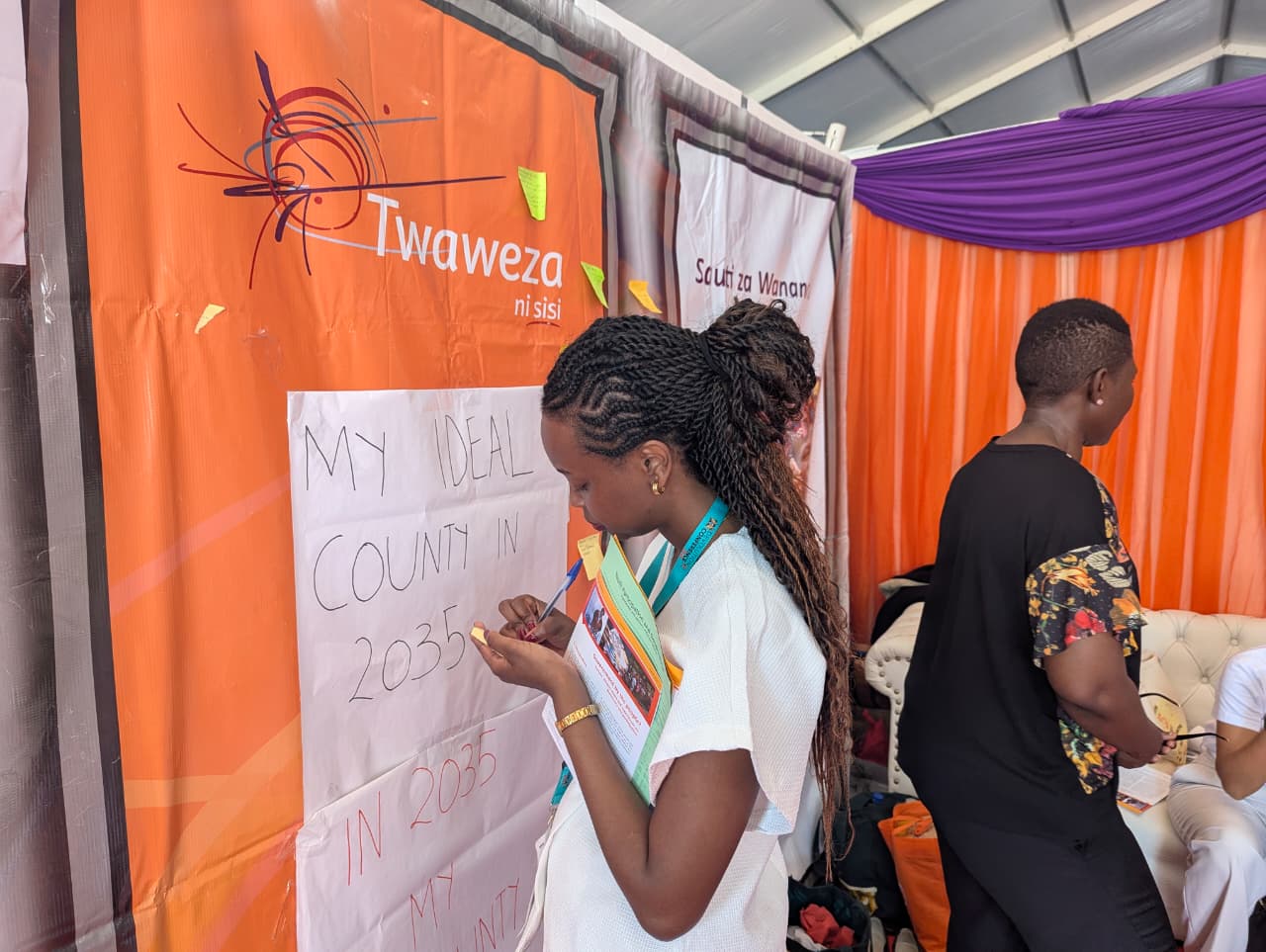
The Sauti za Wananchi survey on youth issues in Makueni reveals clear priorities: 87% of young people seek transparent job opportunities over handouts, and 92% demand direct control of 30% of county budgets related to education and innovation.
These insights come at a time when politicians hastily organize “youth dialogues” that often resemble campaign rallies more than genuine policy-making forums.
The data exposes painful ironies – while over 70% of Kenya is under 35, youth occupy less than 15% of devolution decision seats despite bearing 100% of youth relevant policy impacts.
 The recent protests over finance bills weren’t spontaneous but the inevitable eruption after years of systemic exclusion from budget processes controlling their futures.
Traditional public participation systems remain hostile – daytime county meetings exclude working youth, bureaucratic jargon obscures agendas, and elders still dominate speaking time.
“They’re rebranding campaign tokenism as ‘engagement’,” says student leader Wairimu Karanja, noting how MPs now distribute branded bursary forms while blocking youth from actual budget talks.
Digital platforms are increasingly shaping public discourse, with younger generations—especially Gen Z—driving policy conversations on X (Twitter) more actively than in formal county forums. National surveys, including those by KNBS, suggest that around 70% of youth prefer engaging through social media activism.
In recent months, coordinated online campaigns have influenced county-level decision-making, including prompting reviews or pauses on certain tenders. The employment crisis illustrates this generational theft best – counties delivered less than 20% of promised youth jobs last year despite controlling 35% of national revenue.
 World Bank audits show most “youth funds” still fund middle-aged contractors, with MPs now rushing to launch vocational canters that Sauti za Wananchi respondents say miss the mark – 68% want startup capital, not more training.
Agriculture exposes similar gaps – though 65% of farmers are under 35, counties allocate under 15% of agri-budgets to youth innovations like hydroponics. A UN Habitat study found young farmers get 80% of advice from WhatsApp groups because extension officers prioritize older landowners, even as politicians suddenly parade “youth in agriculture” photo ops ahead of the conference.
Health disparities reveal a clear generational injustice in Kenya’s HIV epidemic. According to 2023 UNAIDS data, adolescents and young adults aged 15–34 years account for about 73% of new adult HIV infections, yet the National AIDS Control Programme’s 2025 Budget Report shows that only around 5% of the national HIV budget is dedicated to prevention programs, exposing a significant funding gap.
The representation crisis persists brutally – under-35s hold just 4% of county assembly seats despite recent MP attempts to co-opt influencers. This tokenism fuels #RemoveAllKE’s momentum, with Gen Z seeing most “youth leaders” as political puppets rather than genuine representatives.
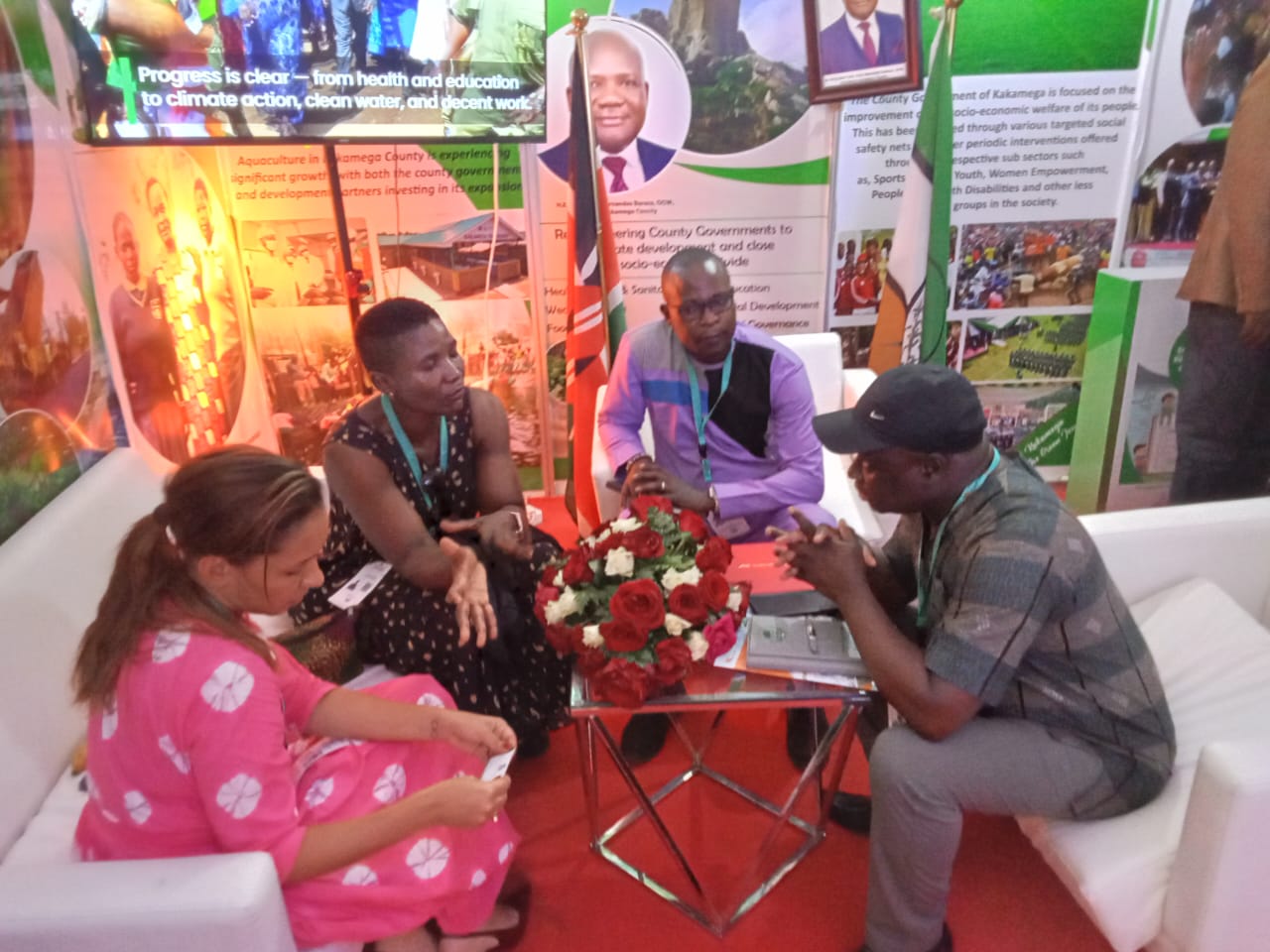
Makueni’s youth engagement model, alongside efforts in counties such as Elgeyo Marakwet, Kisumu, and Kakamega, offers practical solutions for inclusive policymaking. For instance, Makueni youth WhatsApp groups directly influenced 17% of the county’s last budget, prioritizing digital jobs and agri-tech hubs. This stands in stark contrast to MPs’ new “empowerment” events, which the Sauti za Wananchi survey reveals often focus more on photo opportunities than on measurable impacts.
 Technology can bridge the gap if embraced genuinely – Elgeyo-Marakwet’s USSD voting system saw youth participation leap from 8% to 43%, proving convenience drives inclusion. Simple fixes like evening digital town halls could convert online activism into formal influence, but current political “listening tours” remain daytime spectacles.
Performance contracts must tie county funding to youth metrics – jobs created, budgets controlled, and seats at decision tables. The National Treasury could reward counties like Makueni (among others) that implement verified youth priorities, rather than funding last-minute pre-conference PR stunts.
As Kevin screenshots another MP’s sudden invitation to “share ideas,” he recalls how this same politician dismissed youth protesters as “hooligans” three months ago. “They want our votes, not our voices,” he tweets, sparking a new thread dissecting election-year hypocrisy that trends nationally within hours.
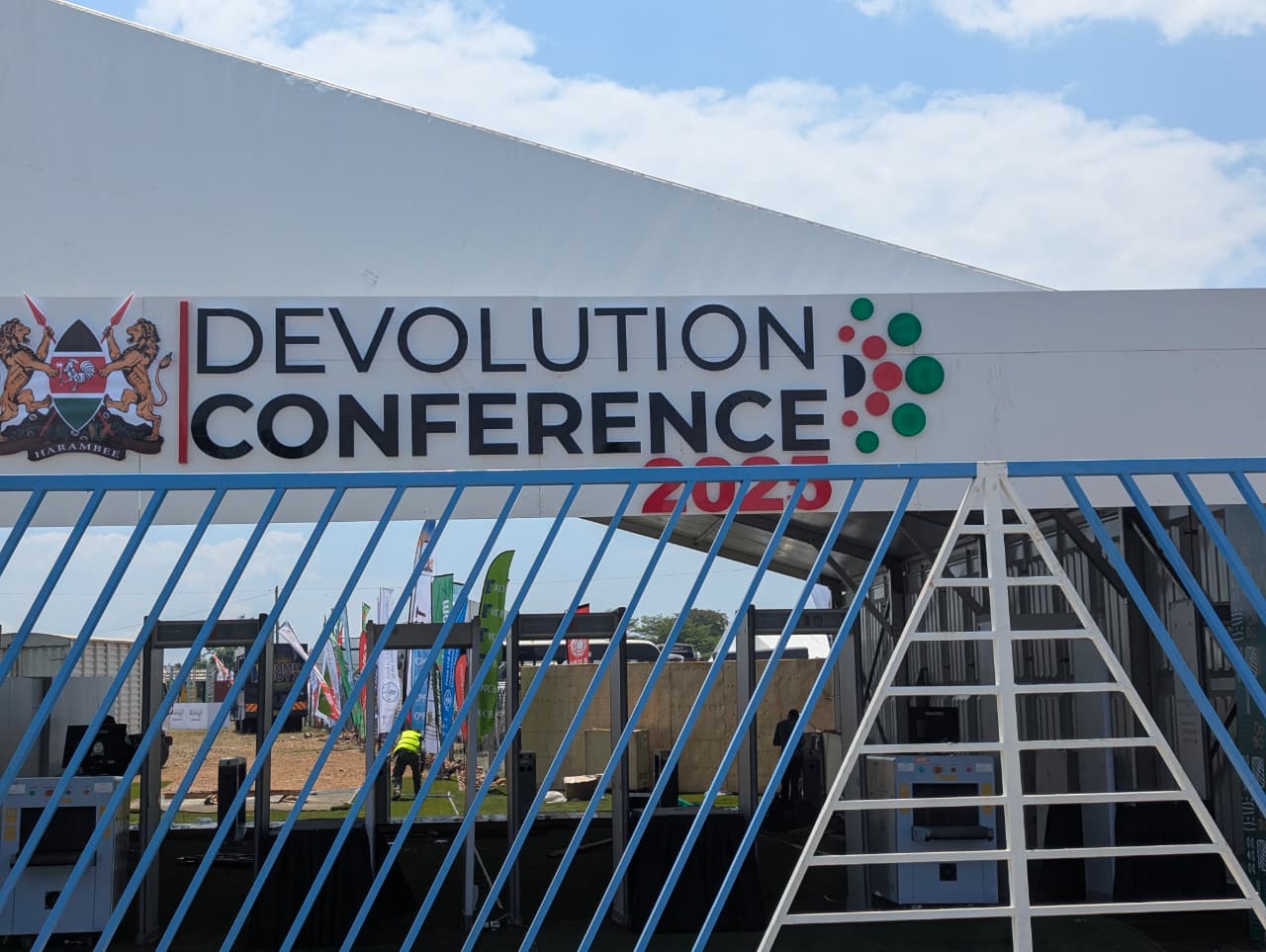
This week’s Devolution Conference will reveal whether Kenya’s power brokers truly grasp Gen Z’s demands – not token appointments or branded empowerment shows, but systemic overhauls giving youth real control over budgets shaping their lives. With 1 million young Kenyans entering the job market yearly, anything less than radical inclusion isn’t just political failure – it’s national sabotage.
The writer is Kenya Country Lead, Twaweza East Africa