|
Getting your Trinity Audio player ready...
|
By Victoria Musimbi
Nairobi, Kenya: The Children Sickle Cell Foundation (CSCF) recently hosted its fifth annual charity football tournament in Nairobi during Sickle Cell Awareness Month. By leveraging sports, the event brings youth together to promote sickle cell disease awareness, offer medical screening, and build a supportive community for patients, families, healthcare providers, and advocates.
In addition to fostering connections and shared experiences, the tournament emphasized genotype awareness, early diagnosis, and the critical need for continuous, affordable healthcare.
These ongoing initiatives empower affected families with practical guidance, vital resources, and confidence to effectively manage the condition.
Living Beyond the Diagnosis
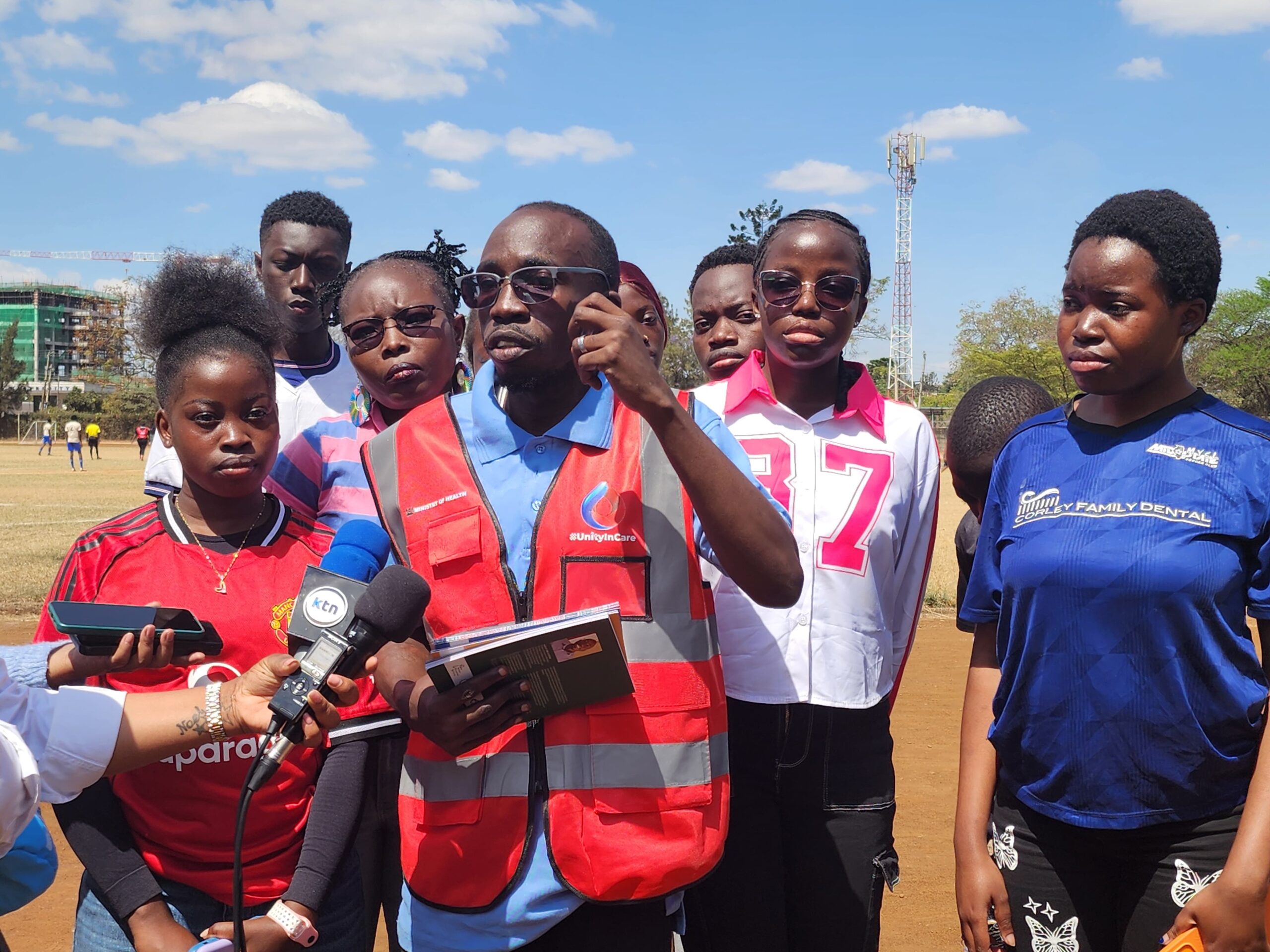
For Etemesi Ochola, 41, being diagnosed with sickle cell disease at seven came with frightening messages about what his future might look like. He remembers being told that people with the disease died at 10 or 20, or did not reach 30.
But his own experience has challenged those expectations. He says proper management can help people affected by the condition live healthy lives and wants newly diagnosed patients to receive accurate information and hope.
“We are often told that we will die, but I am 41 years old. Tell them there is hope and teach them how to manage the condition,” he says.
Etemesi has turned his experience into advocacy and writing. He has written a positive children’s book, a book for teenagers on health challenges that can interfere with education, and a guide for caregivers explaining the disease, inheritance and its biology.
“I wanted to write because there is a lot of information that people need to understand, especially caregivers and young people who are growing up with the condition,” he says.
He is also working on a diary about mental health challenges, including fear of pain and depression, issues he says can be difficult to disclose when seeking employment. His own education was affected by illness, although his school later recalled him. He notes that other young people have not always had the same opportunity to return and continue learning after long periods of illness.
Treatment can also place pressure on families. Etemesi takes three hydroxyurea tablets a day alongside folic acid, with each tablet costing about Sh45 to Sh60 depending on where it is bought. For households caring for more than one person with the condition, the expense can become a major burden.
“I take three tablets of hydroxyurea every day, and when you calculate the cost over time, it can be difficult for a family,” he says.
He credits the Foundation with helping improve access to medicines through donor support and clinic initiatives. He wants these efforts strengthened so that more families can obtain treatment without facing costs that may interrupt care.
During Patient Safety Week, he is calling on healthcare providers to give newly diagnosed patients clear information about the disease and how to manage it. He believes people should not have to limit their ambitions because of the diagnosis, especially when they have access to appropriate treatment, information and support.
“To my fellow warriors, there is surely hope for us, and our hope will not be cut off.”
Sickle Cell Does Not Define You
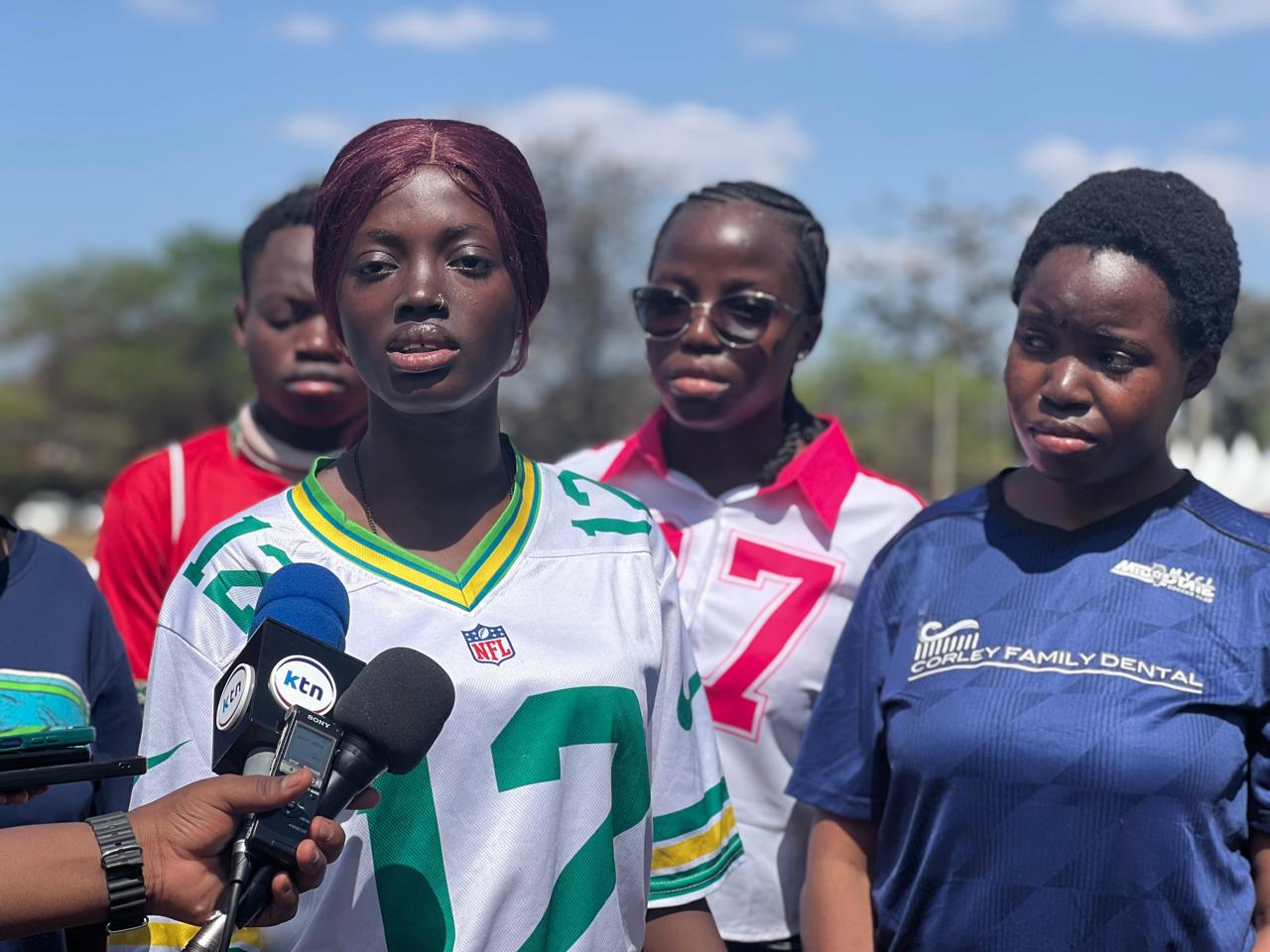
Ivy Okoth, 24, says her journey began in infancy. Signs of sickle cell anemia appeared when she was seven months old, but her parents did not know what was happening until she was one year old, when the diagnosis was confirmed. She started receiving care at Kenyatta National Hospital at the age of eight.
Although Ivy says she has not faced much stigma or discrimination, she was bullied at school by students who believed she was pretending to be sick or receiving special treatment. Support from teachers and parents helped her cope. Her teachers also created awareness and brought in a medical team to explain the condition.
“I always say that sickle cell does not define you. It does not define who you are, what you are capable of, or what you can or cannot do. You are like everyone else, and you can do anything as long as you put your mind to it,” she says.
Pain crises can sometimes limit what a person is able to do, but Ivy says people affected by the condition can participate normally when well, at school and work.
“Sickle cell warriors know their limitations. There are people with sickle cell who work and go to school. I was a student myself and completed my studies.”
She acknowledges that illness can cause learners to miss school for periods, making understanding from teachers and families important for recovery.
“You may be sick for a whole semester, but with understanding and support from teachers, you can continue.”
Her message to others is: “Don’t let anyone define you. Sickle cell does not define who you are.”
Screening for Early Care
Robert Gikonyo, representing Sickle SCAN, says early screening can help identify people who need care and reduce delays in accessing treatment.
The rapid test kit gives results within five minutes. Those who test positive can then be connected to appropriate healthcare services.
“Sickle cell disease can be tackled; we do not have to continue having children and adults suffer when solutions are available. We encourage early screening, particularly in maternity settings.”
Gikonyo says screening is particularly important in maternity settings, where early identification can help families receive information and appropriate care sooner.
He says the process should also include counselling and referral so that people who need further assessment or treatment are not left without support after receiving their results.
He wants screening services to be linked more closely with healthcare facilities so that people can move from testing to treatment and follow-up without unnecessary delays.
Reaching the Young People
Selina Olwande Ogweno, CEO of the Children Sickle Cell Foundation, says the organisation works to raise awareness about sickle cell disease, support families and connect communities to information, screening and care.
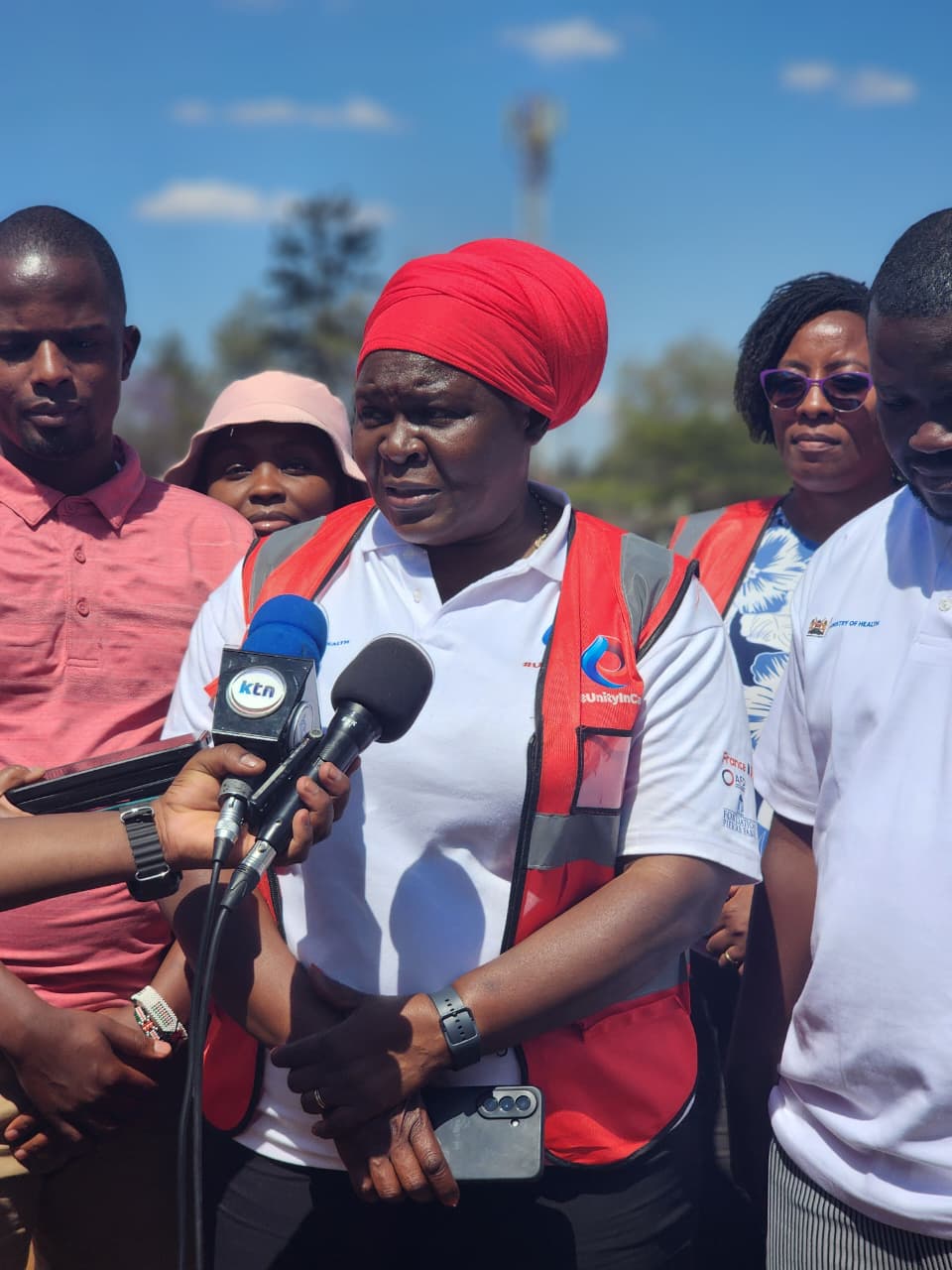
The foundation uses its annual football tournament to bring young people together while creating an opportunity to share information about the condition and encourage early screening.
“We found that it is difficult to reach young people, yet they are the people we need to engage when talking about genetics and sickle cell disease. Through this football match, we bring many young people together to play and share information about sickle cell disease.”
The fifth edition has grown from one team in 2022 to 21 teams this year, reflecting increased participation from the community. Doctors, nurses, clinicians and specialists from different health facilities also take part, providing information and screening to participants.
“Our aim is to create awareness, encourage people to know their status, provide screening and support vulnerable families. We want to make sure that families who need help are not left behind because they cannot afford medication or care.”
The foundation also works with healthcare partners to bring services closer to communities in Mathare, Korogocho and Kibra.
Ogweno says the tournament is also about changing perceptions of what people with sickle cell disease can achieve.
“I’m also here as a caregiver. I’m a mother of a young man living with sickle cell. He’s actually running around and also trying to play football. It’s also to demonstrate that people living with sickle cell can do a lot more. You’ve seen them, you’ve interacted with them, and you’ve seen that they are able to do quite a bit for themselves. Having sickle cell does not mean that you are restricted to not doing much, but it means that you live a full life, especially if you get good support.”
Partnerships for Action
French Ambassador Wadid Benaabou said France has made the fight against sickle cell disease a priority and has supported the Children Sickle Cell Foundation’s annual charity tournaments for the past three years.
“France has made fighting against sickle cell disease a priority, and we provide support in areas such as early screening and training doctors,” he said.
“The main message I want to share with you today is that, just like football, tackling sickle cell disease requires teamwork.”
He also recognised the doctors, nurses and other health professionals involved in awareness and screening and thanked Selina Olwande Ogweno for her work. He said collaboration is important to sustain efforts to improve awareness and access to care.
Anne-Gaël Chapuis, Head of the French Development Agency in Kenya, said the agency and the Pierre Fabre Foundation are financing a project in Kenya to fight sickle cell disease. The project supports five NGOs and civil society organisations working on the ground in Kenya.
“We are very happy that this event is helping to highlight these projects. The project is supporting five NGOs and civil society organisations working on the ground in Kenya.”
She said the partnership is helping strengthen attention to the disease and support organisations serving communities in Kenya, including through awareness, screening and access to care for affected families.