|
Getting your Trinity Audio player ready...
|
By Shaban Makokha
Kakamega, Kenya: A new financial chapter has opened for the Muslim community in Western Kenya following the launch of a Shariah-compliant savings and credit cooperative society designed to unlock economic opportunities for thousands of women, youth, entrepreneurs and households across the region.
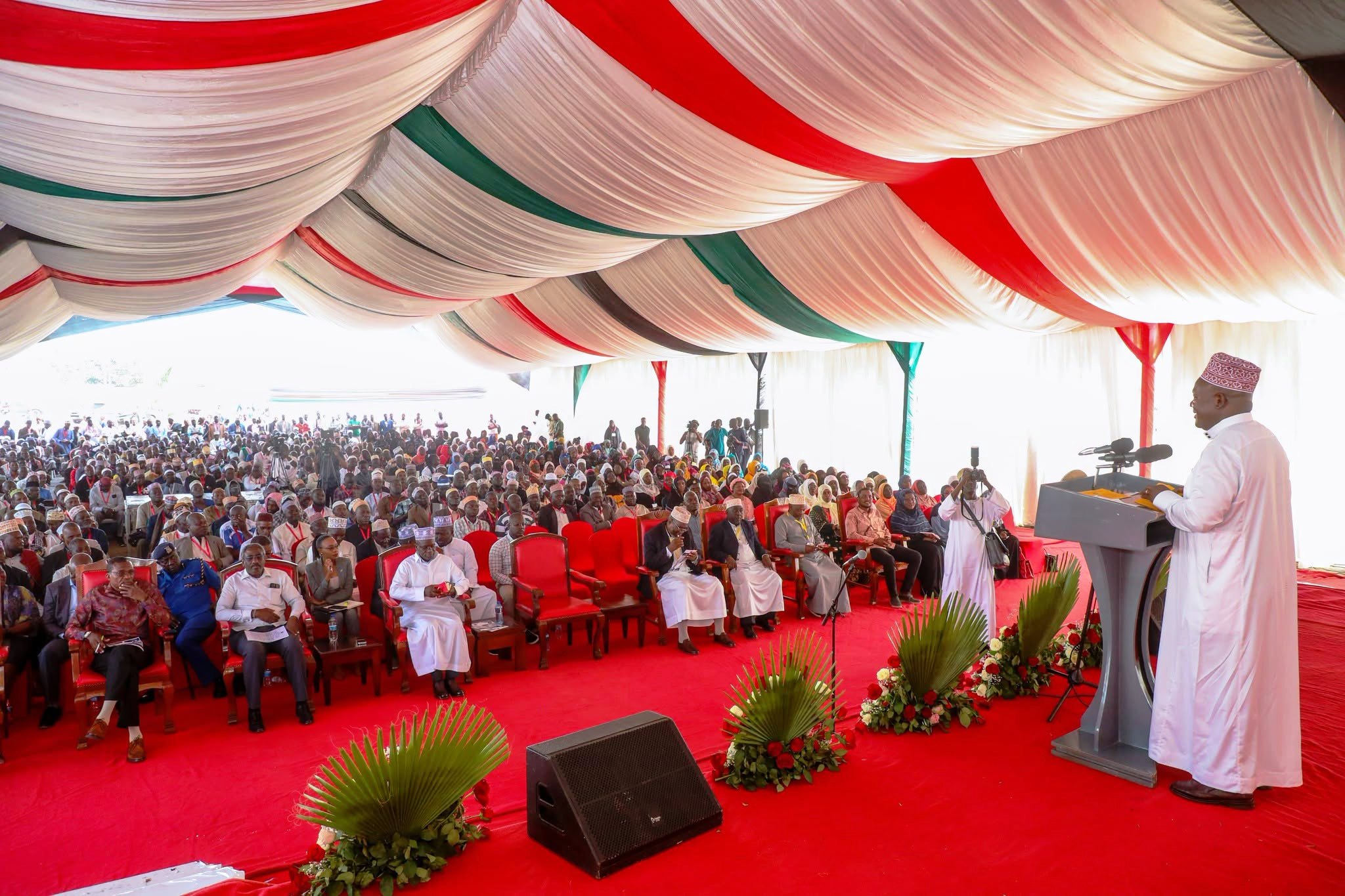
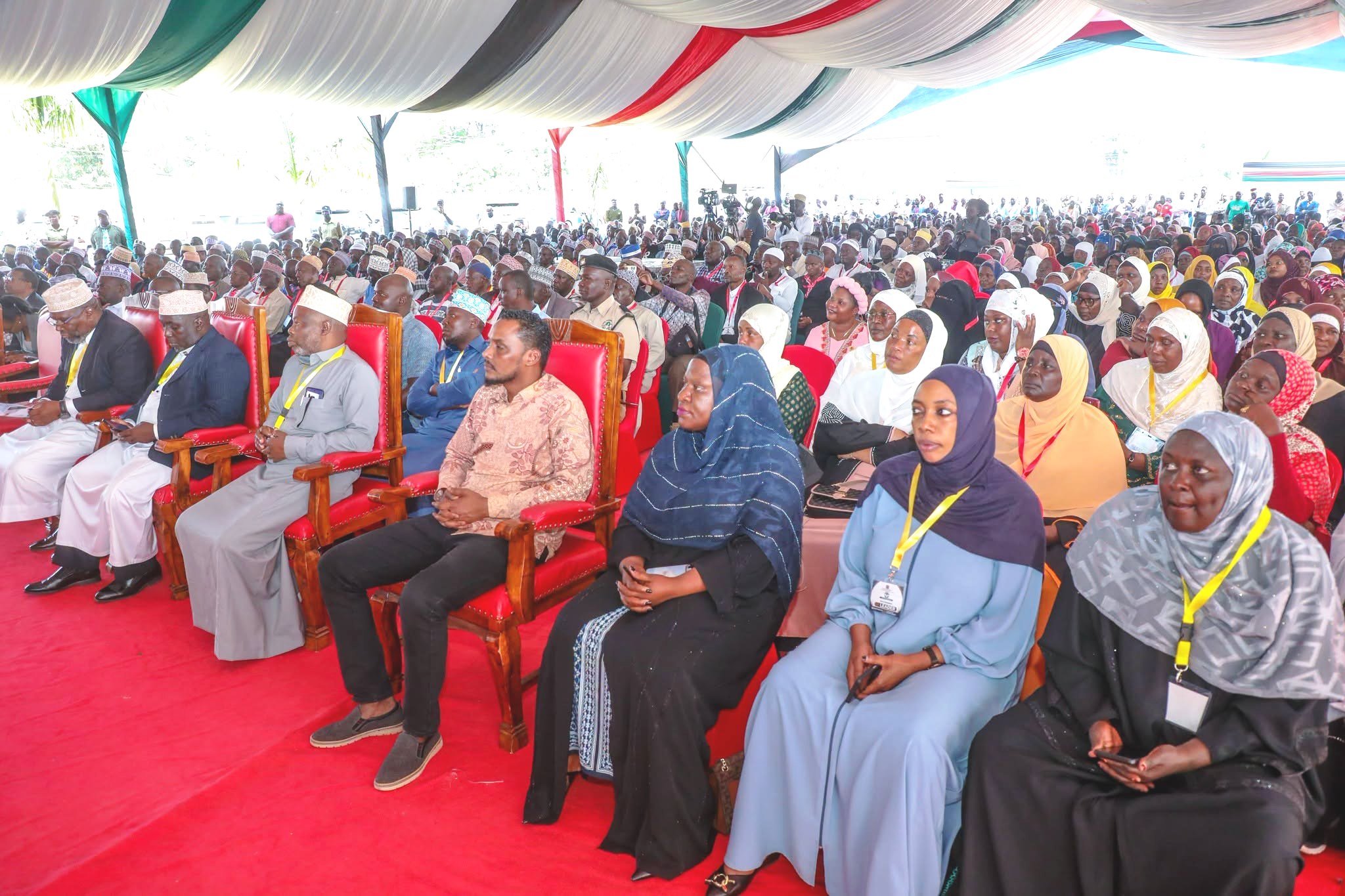
The Western Muslim Savings and Credit Cooperative Society (WMSACCO) was launched at Bukhungu International Stadium in Kakamega during the inaugural Gumzo la Uchumi Mashinani, this is a Muslim Public Participation Forum, bringing together Muslim leaders, government officials, entrepreneurs and community representatives from Kakamega, Busia, Vihiga, Bungoma and Trans Nzoia counties.
The cooperative also referred to as the Western Kenya Muslim Women SACCO and Western Muslim Council (WEMUCO) SACCO is being positioned as a vehicle through which the Muslim community can mobilise savings, access Shariah-compliant financing, establish businesses, create jobs and participate more meaningfully in the region’s economic transformation.
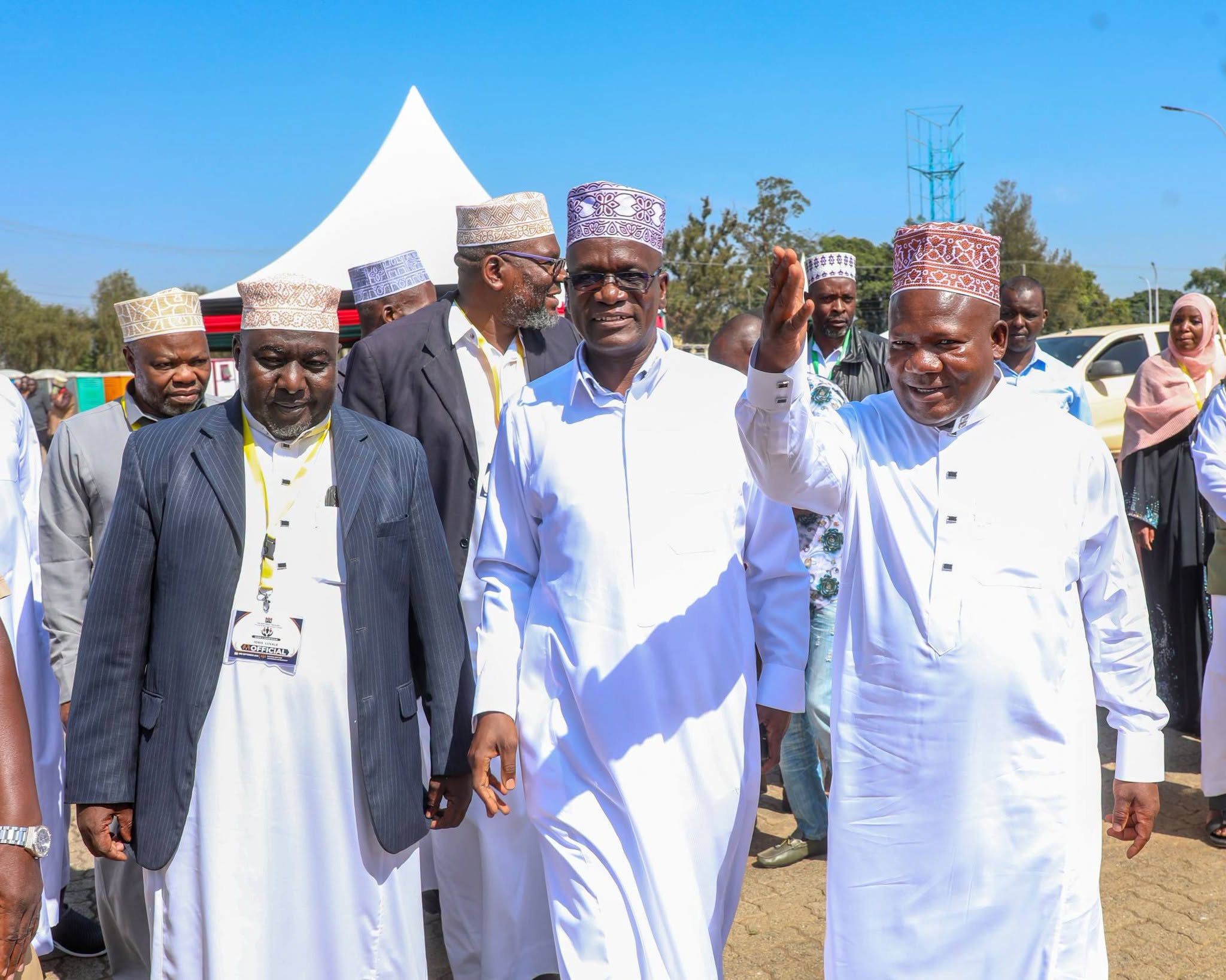
The launch was presided over by Principal Secretary for National Treasury and Economic Planning Dr. Boniface Makokha, alongside Kakamega Governor Dr. Fernandes Barasa, who contributed seed capital towards kick-starting the cooperative’s operations.
The initiative has also received backing from national leaders, including Prime Cabinet Secretary Musalia Mudavadi, who have described grassroots cooperatives as important instruments for empowering communities economically.
For many Muslim entrepreneurs, access to affordable and faith-compliant financial services has remained a major challenge.
The new SACCO seeks to bridge that gap by providing an avenue for members to save collectively and access financing structured around Islamic financial principles.
Its supporters believe the cooperative could become more than a savings institution — potentially evolving into a powerful economic platform for women, youth, small-scale traders, professionals and aspiring entrepreneurs across Western Kenya.
Governor Barasa said the launch marked a significant milestone in efforts to expand financial inclusion and accelerate grassroots economic growth.
“The launch of the Western Muslim Savings and Credit Cooperative Society is a major step towards expanding financial inclusion and accelerating grassroots economic growth across Western Kenya,” Dr. Barasa said.
He said SACCOs remained central to community wealth creation because they provide people with opportunities to save, access affordable finance, grow enterprises and create employment.
“Savings and Credit Cooperative Societies remain central to creating wealth at community level through access to affordable finance, enterprise growth and job creation,” the Governor said.
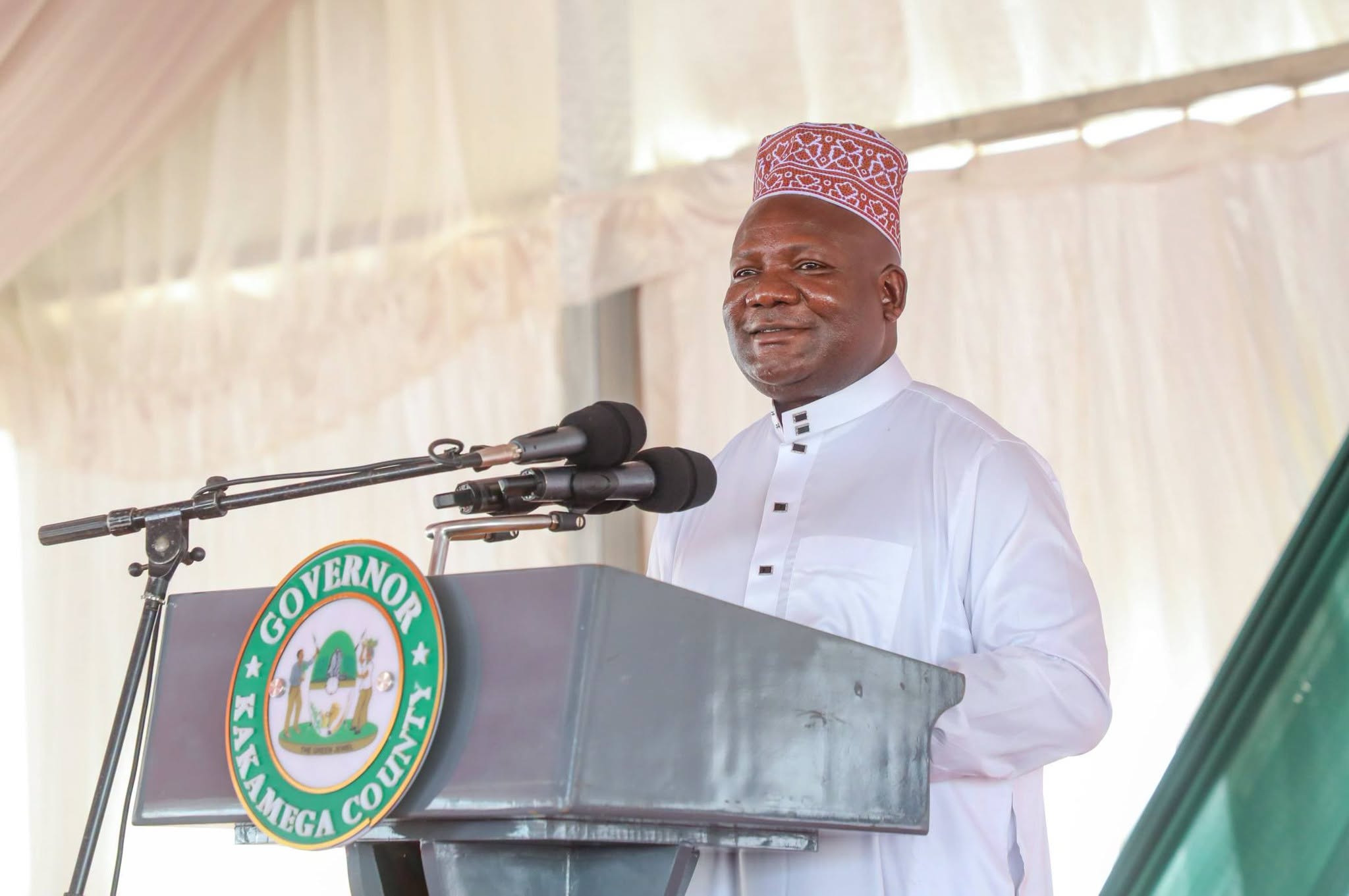
The Governor said his administration had embraced inclusivity in its development programmes, insisting that economic opportunities should not be reserved for a few sections of society.
He said the Muslim community, just like other communities in Kakamega and the wider Western region, should have an equal opportunity to participate in economic development.
“We have consistently embraced inclusivity in all our initiatives and opportunities, guided by the belief that development must reach and benefit all residents,” Barasa said.
He noted that the forum had created an important platform for Muslim leaders, women, youth, entrepreneurs and other stakeholders to discuss economic opportunities and identify ways through which communities could participate more meaningfully in development.
The Governor’s seed-capital contribution was seen as an early vote of confidence in the cooperative’s potential to become a sustainable grassroots economic institution.
Speaking during the engagement, PS Makokha said Gumzo la Uchumi Mashinani was designed to take economic conversations away from boardrooms and directly to the communities affected by government policies and programmes.
He said the initiative was not merely about discussing economic plans but about listening to citizens and identifying practical interventions capable of improving livelihoods.
“Gumzo la Uchumi Mashinani is a platform for taking economic dialogue directly to the grassroots level,” Makokha said.
The PS said the discussions must go beyond the Vision 2030 agenda and focus on the emerging economic needs and aspirations of ordinary Kenyans.
He emphasised the Government’s commitment to supporting grassroots economic initiatives capable of creating opportunities and improving household incomes.
“Meaningful development can only be achieved through collaboration between leaders, communities and stakeholders who understand the real needs of the people,” he said.
The launch of the Muslim SACCO therefore emerged as one of the practical outcomes of the grassroots economic dialogue, with leaders hoping that the cooperative will translate discussions into tangible economic opportunities.
State Department for National Government Coordination Principal Secretary Ahmed Abdisalan said the Government was deliberately creating platforms where citizens could engage leaders and demand accountability on economic matters.
He said Gumzo la Uchumi Mashinani was part of efforts to bring the government closer to the people while ensuring that economic policies and programmes reflected realities on the ground.
“The Government through the Gumzo la Uchumi Mashinani initiative is making deliberate efforts to create space for meaningful accountability in matters relating to the national economy,” Abdisalan said.
His remarks resonated with calls from Muslim leaders for greater participation by communities in determining development priorities.
The SACCO is expected to particularly benefit women and young people who often struggle to secure capital to establish or expand businesses.
Through collective savings and access to Shariah-compliant financial products, members will have an opportunity to move from informal economic activities into more structured enterprises.
For women operating small shops, food businesses, agricultural enterprises and other ventures, the cooperative could provide an avenue for mobilisation of capital without compromising their religious principles.
Young people, meanwhile, could use the institution as a springboard for entrepreneurship, skills development and job creation.
Leaders said the ultimate objective should be to create a culture of saving and investment within the community rather than dependence on handouts.
The gathering also carried a wider message — that economic empowerment must accompany political representation.
With Muslim communities spread across several counties in Western Kenya, leaders said the region needed stronger economic networks capable of connecting entrepreneurs, professionals, women and youth.
The SACCO is expected to provide such a platform by encouraging members to pool resources and invest collectively.
The initiative could also help strengthen links between Muslim businesses across Kakamega, Busia, Vihiga, Bungoma and Trans Nzoia, potentially creating a wider regional economic ecosystem.
The theme of the forum — “Empowering Our Community Through Unity, Education, Economic Growth and Social Responsibility” — captured the broader ambition.
It was not simply a call for financial inclusion, but an appeal for the community to combine education, unity, enterprise and social responsibility in building a stronger economic future.
Mudavadi’s Backing
The initiative has received support from national leaders, among them Prime Cabinet Secretary Musalia Mudavadi, whose advocacy for grassroots economic empowerment has placed cooperatives at the centre of community development conversations.
Supporters of the SACCO argue that such institutions can help communities build wealth from the bottom up by creating local pools of capital that can be channeled into productive enterprises.
Rather than waiting for large investments to come from outside the region, members can use their collective savings to finance businesses within their own communities.
The launch has now placed the Western Muslim SACCO under the spotlight as a potentially important experiment in faith-based financial inclusion.
Its success, however, will depend on more than political goodwill and initial seed capital.
The cooperative will need strong governance, professional management, transparent financial systems and the confidence of its members to remain sustainable.
It will also need to demonstrate that Shariah-compliant finance can provide practical solutions for ordinary entrepreneurs while maintaining the principles governing Islamic finance.
Muslim leaders attending the forum were optimistic that the institution could become a long-term pillar of economic empowerment.
The presence of leaders and stakeholders from five counties also underlined the regional character of the initiative.
Muslim communities from Kakamega, Busia, Vihiga, Bungoma and Trans Nzoia were brought together under one economic conversation, providing an opportunity to identify common challenges and explore collective solutions.
Among those who attended were Western Regional Commissioner Allan Macharia, Malava MP David Ndakwa and National Chairman of the Council of Imams and Preachers of Kenya (CIPK) Sheikh Abdallah Ateka, alongside other Muslim leaders from the region.
The gathering ended with a message that economic empowerment should not remain a slogan.
The challenge now is to turn the SACCO into a functioning institution where savings become capital, capital becomes enterprise, and enterprise creates jobs and wealth.
For the Muslim community in Western Kenya, the launch represents a new attempt to build economic power from within one’s savings, one business and one entrepreneur at a time.
The ambition is clear: transform grassroots savings into a collective engine of prosperity while ensuring that financial inclusion does not require the community to compromise its faith.