|
Getting your Trinity Audio player ready...
|
By Juliet Akoth
Nairobi, Kenya: A new program has been unveiled in Kenya aimed at integrating biodiversity conservation directly into business practices, public finance, investment strategies, and broader national economic policy rather than keeping it isolated within environmental affairs.
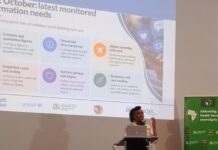
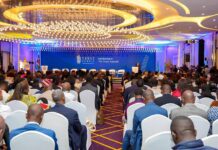
Officially introduced in Nairobi on September 3rd, the initiative titled SYstemic Learning and Mainstreaming of BIOdiversity Targets for Innovative Transformation and Behavioral Change (SYMBIOTIC).
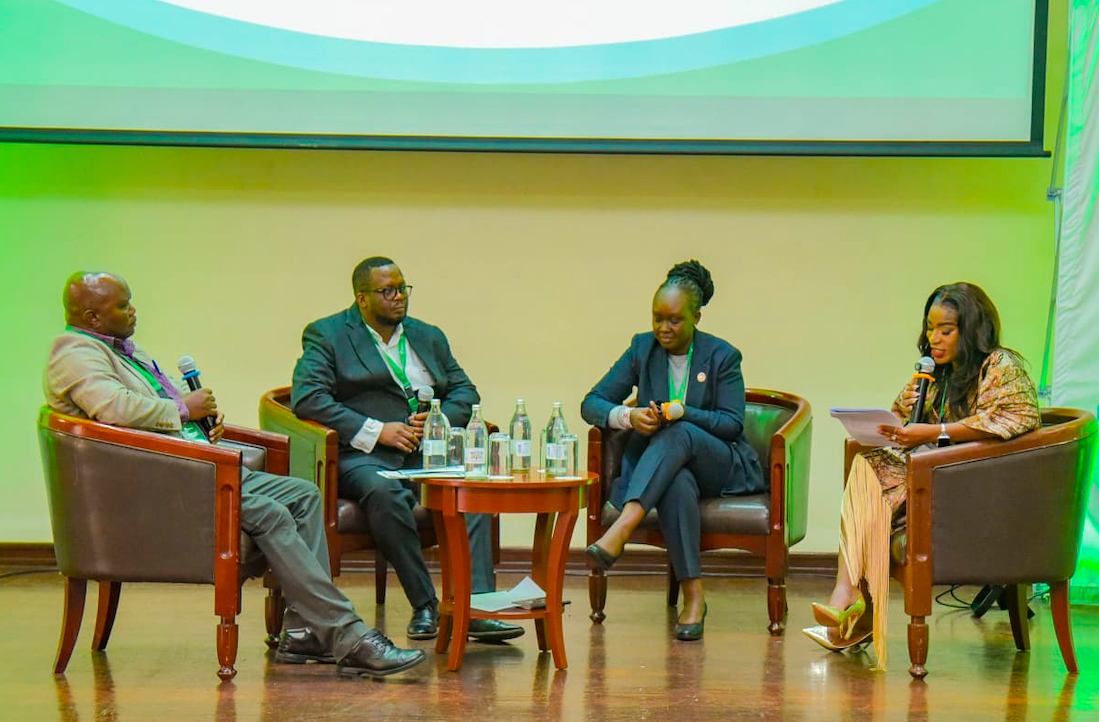
It has convened representatives from research organizations, academia, civil society, international development groups, commercial enterprises, financial entities, and public administration.
The program seeks fundamentally to transform the role biodiversity considerations play in guiding key economic choices. Active through 2031, the initiative spans Kenya, Ethiopia, Madagascar, Indonesia, and Kyrgyzstan.
It is directed by the Nature and Biodiversity Conservation Union (NABU) in collaboration with key delivery partners Nature Kenya, Internews, and the Global Green Growth Institute (GGGI), supported by €14.93 million from Germany’s International Climate Initiative (IKI).
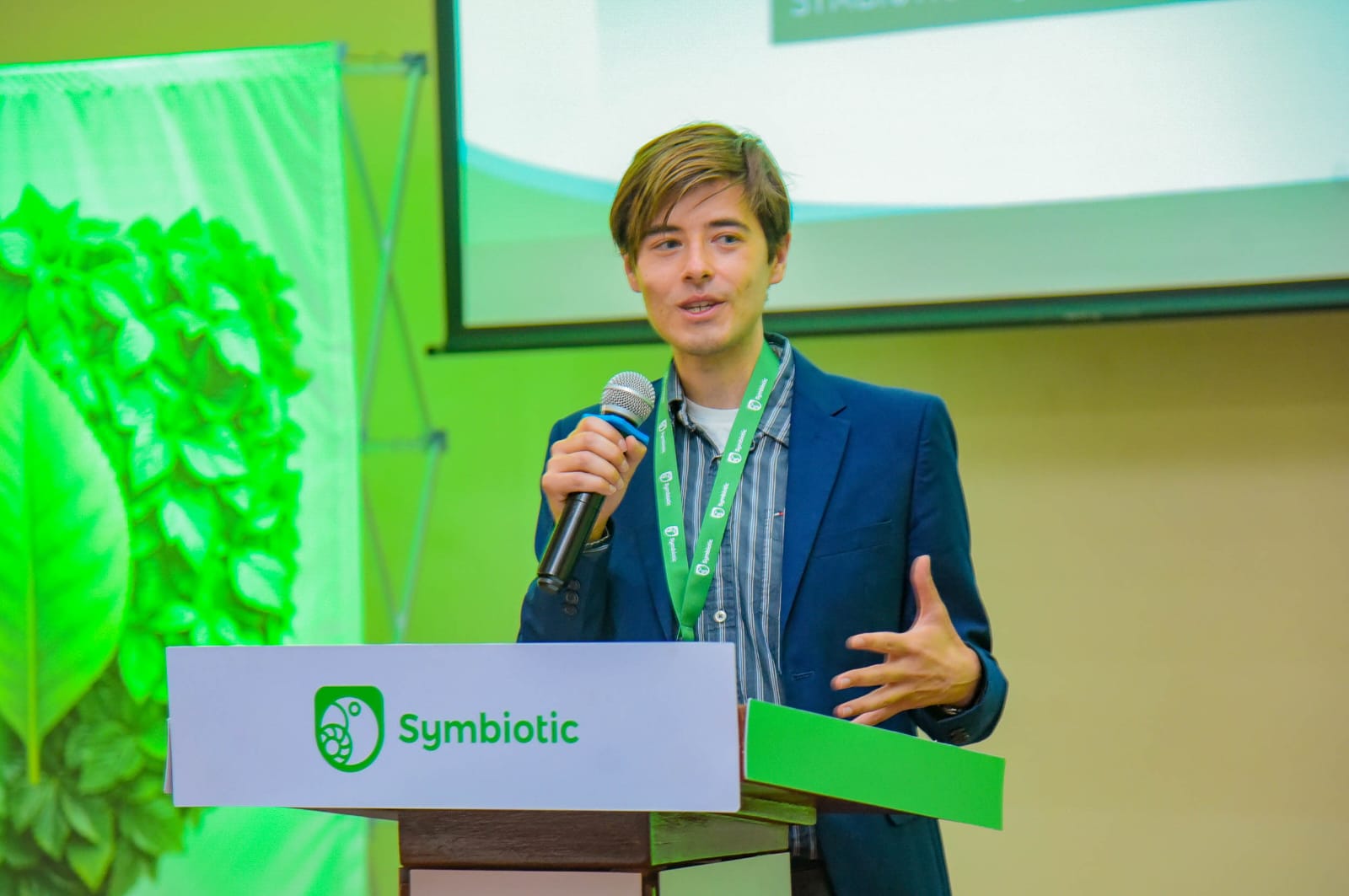
Speaking during the launch, Rafael Romão Freitas, Regional Coordinator for Africa at NABU, said that biodiversity should no longer be handled as an issue belonging only to the environmental sector.
“Our ambition is clear, biodiversity must not be treated as a separate environmental concern, it must be integrated into policies, funding budgets, investments, and business decisions across sectors at all levels.”
Freitas explained that the approach is important because economic activity depends on functioning ecosystems. He pointed to natural capital accounting as one of the tools that can help make those dependencies more visible.
“And yet, biodiversity is more than a financial value, it is a basis of health, culture, identity, food security, livelihoods, and resilience.”
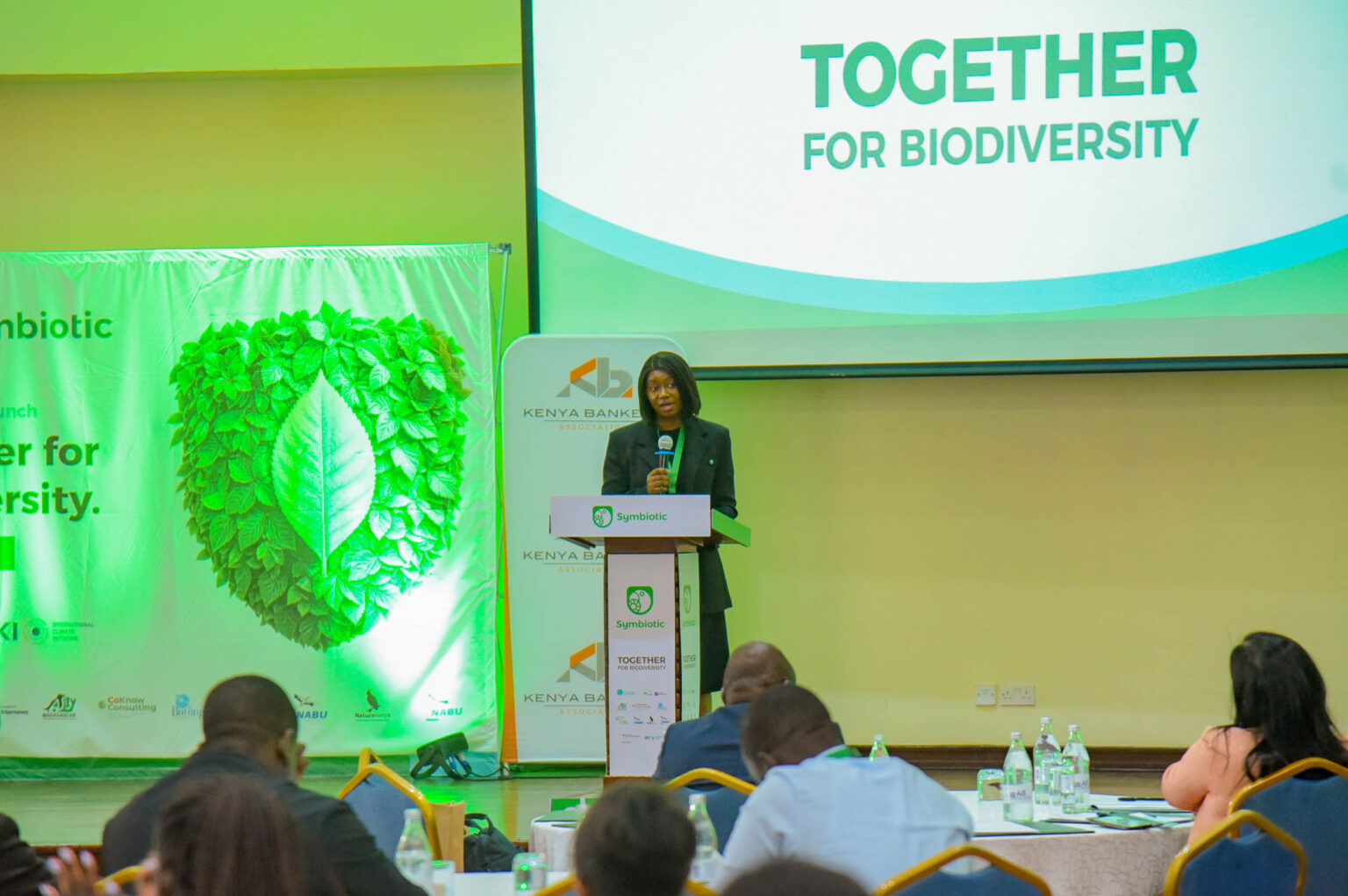
The push to connect biodiversity with finance is particularly significant for Kenya, where environmental considerations have traditionally had to compete with other development priorities for attention and resources.
Nagnouma Kone, Manager for Africa Strategy and Partnerships and Head of the Kenya Office at GGGI, noted the initiative is intended to address the gap between biodiversity policy and the financial decisions that determine whether such policies can be implemented.
Kenya, she noted, has already taken steps in this direction, including the launch of its bioeconomy strategy 2026-2036. According to her, the challenge now is making those policy frameworks financially relevant.
“Now, the issue is how do we impact those strategies to make it much more financially relevant? And the reason for that is that you cannot talk about the urban economy if you do not connect that with finance. And you cannot talk of biodiversity when you do not consider the implication that it has on the economy.”
Kone said that the connection between biodiversity and finance is also important because financial institutions play a central role in determining where investment flows.
“When you look at projects, especially whether it is agriculture, whether it’s water, whether it’s sanitation, when you go to banks or when you go to any financial institutions and you want to connect biodiversity with finance, there’s usually a big dysfunction.”
Kone added that financial institutions may not always understand biodiversity while biodiversity actors may not fully engage with the financial systems through which investment decisions are made.
“They don’t really understand biodiversity, and the economy cannot work without finance. So it affects everybody from the bottom of the chain all the way to the top of the chain including the leadership.”
For the Kenyan government, the initiative comes as the country works to implement commitments under its National Biodiversity Strategy and Action Plan (NBSAP) and the Kunming-Montreal Global Biodiversity Framework (KMGBF).
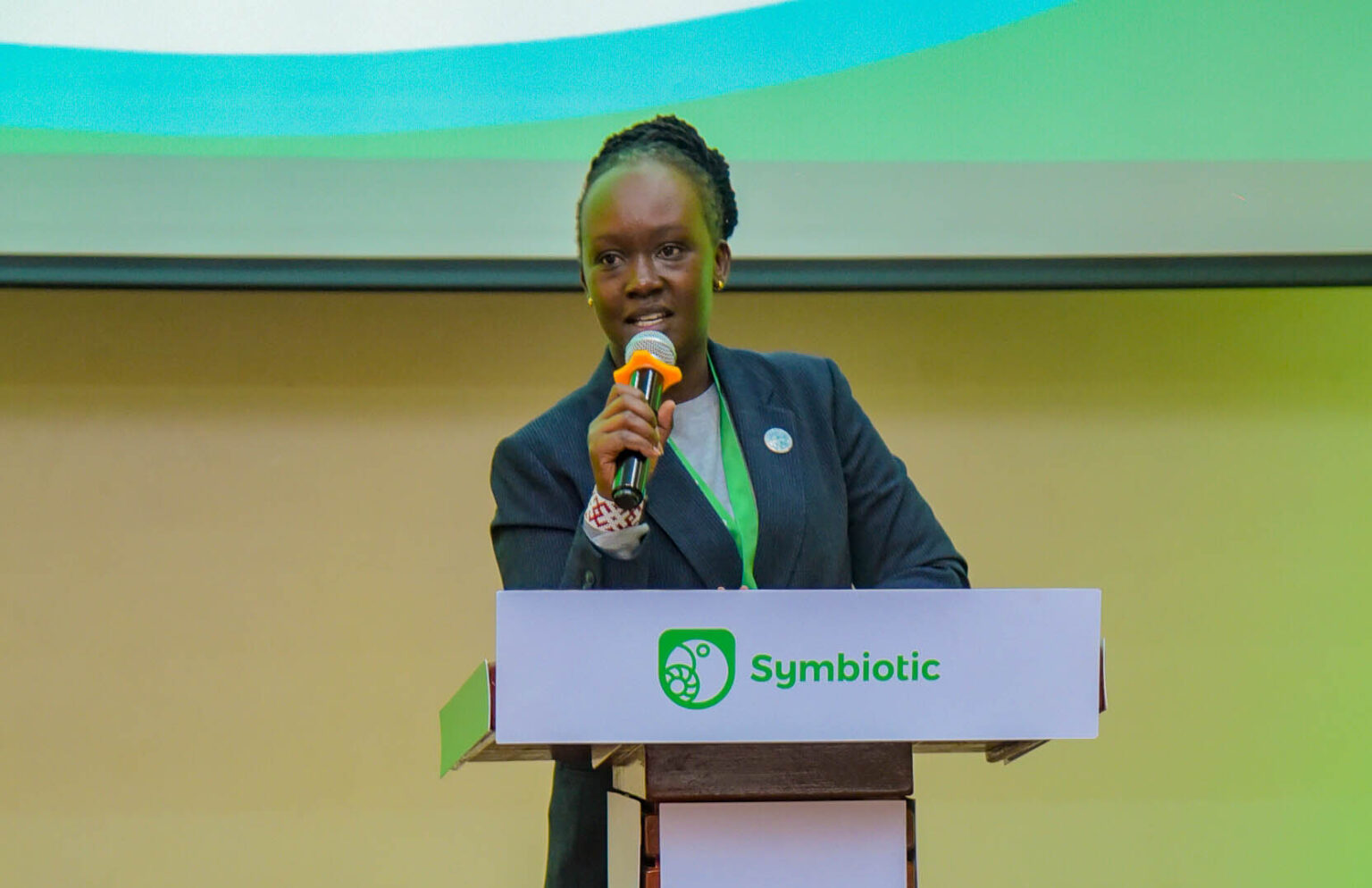
Mayiani Saino, Deputy Director for Multilateral Environmental Agreements in the State Department for Environment and Climate Change, said Kenya’s dependence on nature makes biodiversity protection an economic issue as well.
“Economic development of GDP, which is 48% dependent on nature, needs to be well-managed, so that it can sustain what we have in the country, for us, and for those that will come after us.”
Saino described Kenya’s selection among the five countries participating in the initiative as an important opportunity to accelerate action on biodiversity.
“This is a very big thing for us, it is a landmark initiative that we do not take for granted, because it provides us an opportunity to take action on what we are witnessing globally.”
She pointed to biodiversity loss, shrinking wildlife populations and the degradation of habitats as challenges that require investment alongside policy commitments.
The ministry, she says, sees SYMBIOTIC as an opportunity to integrate biodiversity into sectoral planning and public finance while bringing businesses and financial institutions into the process.
Saino said that the initiative will support work around the green taxonomy and natural capital accounting, while also creating opportunities for businesses and financial institutions to participate in biodiversity mainstreaming.
“Having the bankers join this, and the private institutions is really what we need to ensure that mainstreaming of biodiversity is realized across different sectors.”
The initiative also seeks to identify practical entry points for integrating biodiversity into government planning and budgeting at different levels.
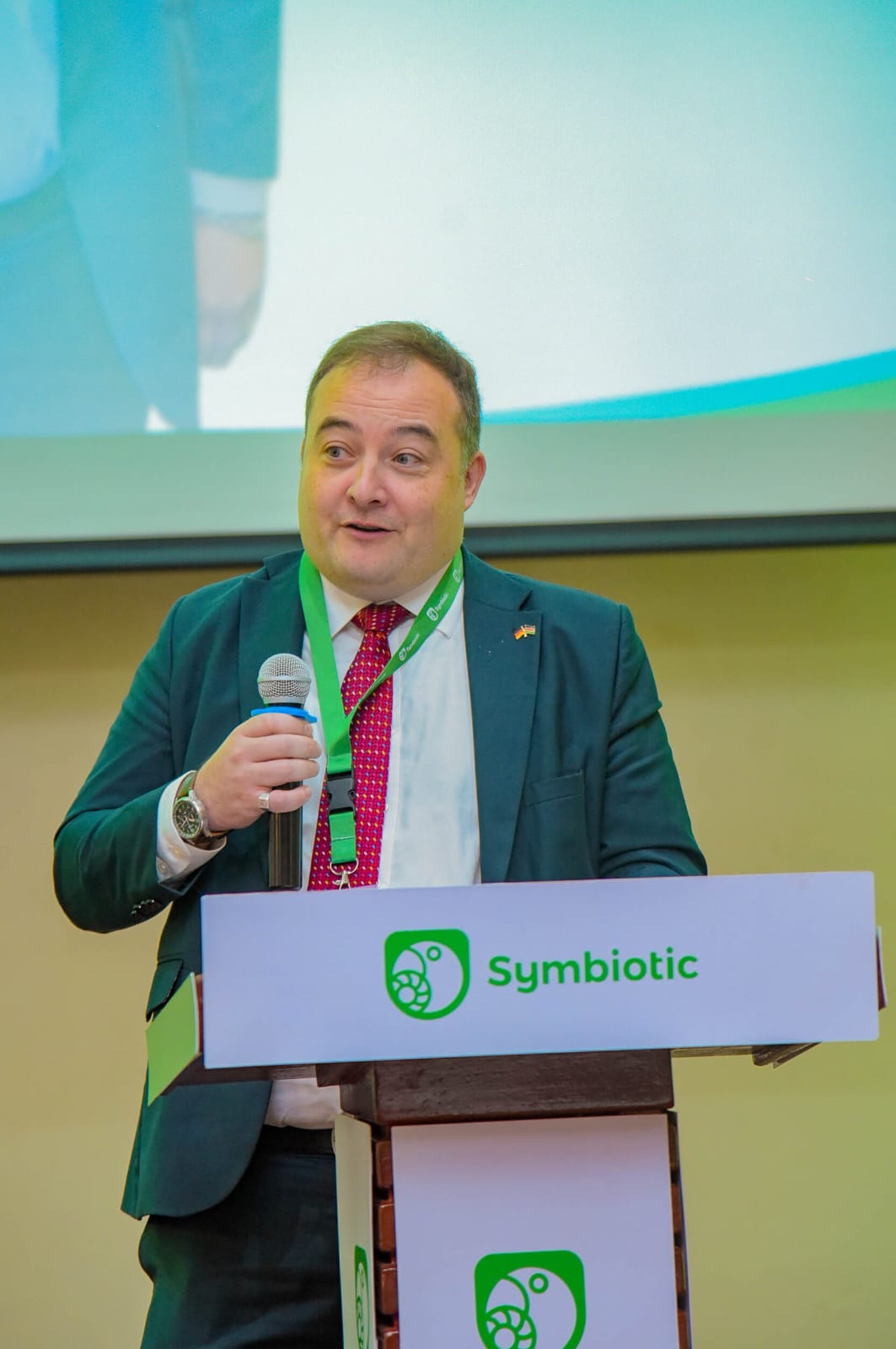
Furthermore, the director noted that biodiversity considerations need to become part of the way the government develops sectoral plans and allocates resources if the country’s commitments are to translate into lasting results.
“If we are able to do sectoral planning and budgeting processes that are biodiversity-cognizant, it makes a whole difference going forward, and it will be able to sustain the investment that the German government has put in place.”
For Germany, which is supporting the initiative through its International Climate Initiative (IKI), the emphasis is on creating an environment in which biodiversity priorities can be connected to sustainable investment.
Philippe Maupai, Climate and Energy Attaché at the German Embassy in Nairobi, said Germany has supported international climate and biodiversity action through the initiative, including efforts to implement the Paris Agreement and the Convention on Biological Diversity.
“SYMBIOTIC project can foster a strong enabling environment to connect biodiversity priorities with economic and sustainable investment.”
Maupai stressed that the success of the initiative will ultimately depend on the strength of the partnerships created around it.
“The success of this project will not be measured by reports, but by the strength of partnership we build and how we all manage to work in symbiosis.”
However, the project’s broader objectives extend beyond finance. According to the initiative’s framework, it also seeks to increase awareness and societal mobilization through communication and engagement with media, youth and communities, strengthen biodiversity education and knowledge systems, and improve the integration of biodiversity into policy and economic decision-making.
According to NABU, this broader approach is essential because systemic change cannot be delivered by one institution or ministry.
“Systemic change cannot be delivered by one organization or one ministry alone. It requires cooperation across institutions and sectors.”
Freitas added that communities, young people and women, as well as media and educators, must be part of the process alongside economic decision-makers.
GGGI has similarly framed the initiative around government ownership and long-term sustainability. Kone said the organization joined the consortium because it saw an opportunity to support governments and the private sector while ensuring that projects can eventually become sustainable.
“For us, and especially for GGGI, we do not engage in projects if we do not see sustainability.”
The expectation is therefore that the initiative will not create another set of policies that remain separate from mainstream economic decision-making. Instead, partners want biodiversity to become part of how Kenya plans, budgets, invests and evaluates economic activity.
Saino acknowledged that Kenya already has biodiversity policies and institutional frameworks. The challenge now, she said, is implementation.
“Kenya already has important biodiversity commitments, a lot of policies, a lot of institutional frameworks, and what we need to prioritize is effective implementation.”
That implementation challenge will ultimately determine whether the investment behind SYMBIOTIC translates into measurable change.
For Kenya, the measure of success will therefore extend beyond the launch itself. It will be whether biodiversity becomes a consideration embedded in the financial and economic decisions that shape the country’s development, rather than remaining an issue addressed separately from them.