|
Getting your Trinity Audio player ready...
|
By Jane Meza
Mombasa, Kenya: Historically, the success of farmers across Kenya has been measured through market yields, whether in sacks of maize, sugarcane tonnage, or harvests of millet, sorghum, and varied produce.
Yet, while families toil to keep these numbers steady, a more complex narrative is unfolding deep within the soil. Maintaining this productivity is becoming a struggle that threatens the very foundation of the land.
From the fertile highlands to the western plains, challenges like topsoil erosion, nutrient depletion, erratic rains, and heavy compaction are driving up expenses and clouding the future of Kenyan agriculture.
According to soil specialist Dr. Martin Njuguna, continuous tilling is stripping the earth of its vital strength. He notes that the reliance on heavy machinery further degrades the structure, squeezing the earth so tightly that roots can no longer breathe or find the sustenance they need.
From large farms relying on heavy machinery to livestock grazing intensively, repeated pressure on the land can further weaken soil structure.
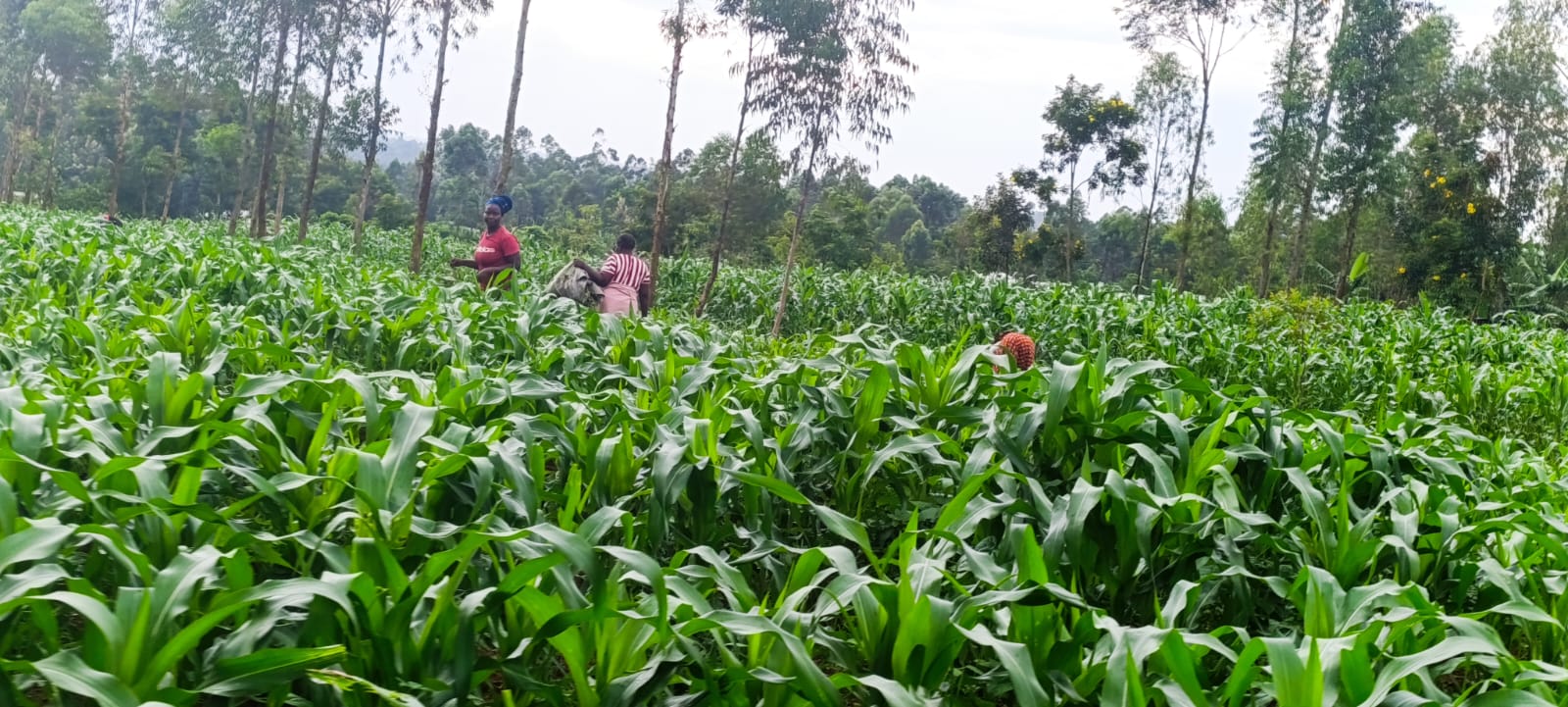
For maize farmer Edina Chepchumba in Elgeyo-Marakwet, changes in the soil are being experienced alongside increasingly unpredictable weather.
“When I was younger, this red soil gave us massive harvests without asking for much in return. But over the last years, the rains have become so unpredictable, and the ground dries out faster than it ever used to. We’ve had to adapt using more organic manure, changing our planting dates, and practicing conservation tillage just to keep the earth healthy enough to feed our families” said Edina.
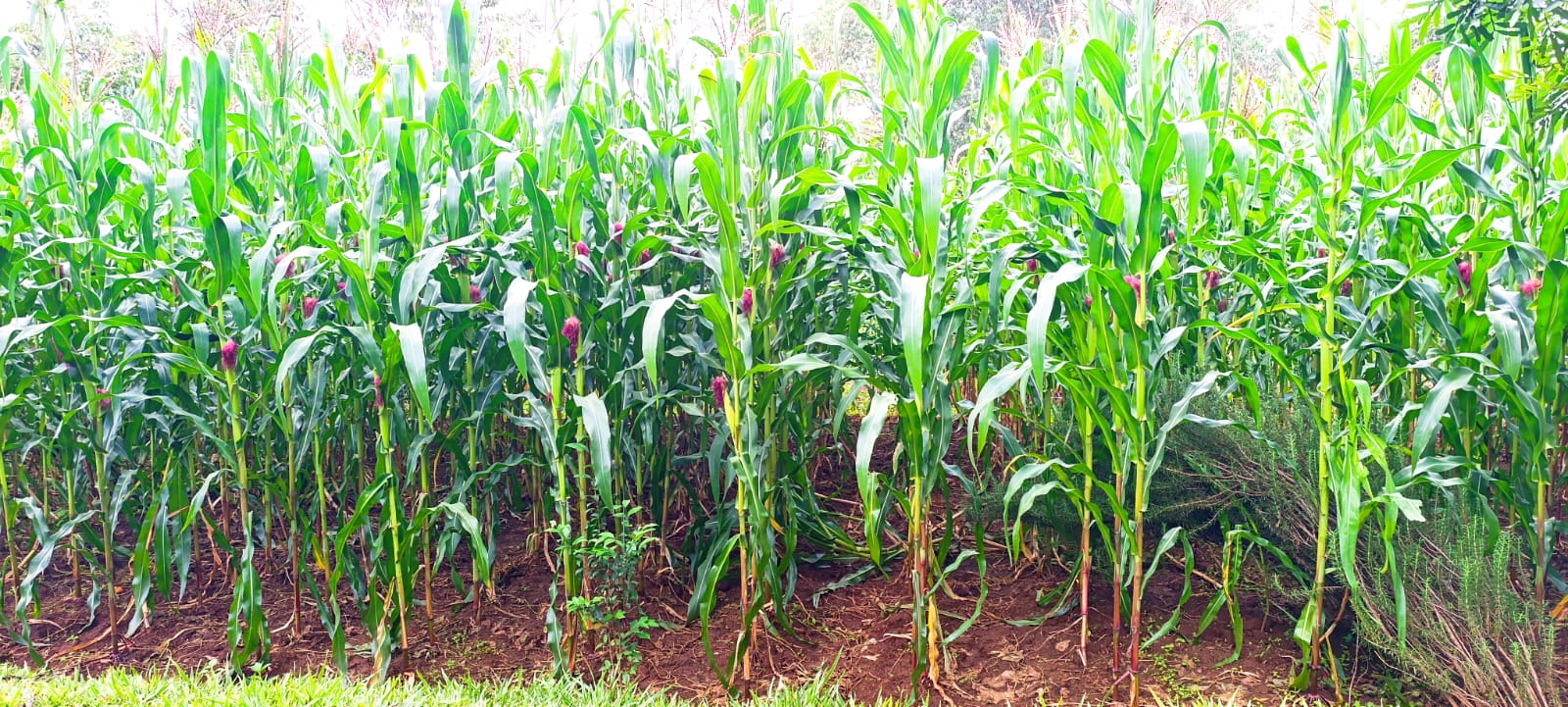 Maize remains one of Kenya’s most important food crops, especially in the Rift Valley, Nyanza and western Kenya. But producing it is becoming more challenging as farmers face higher input costs and declining soil fertility.
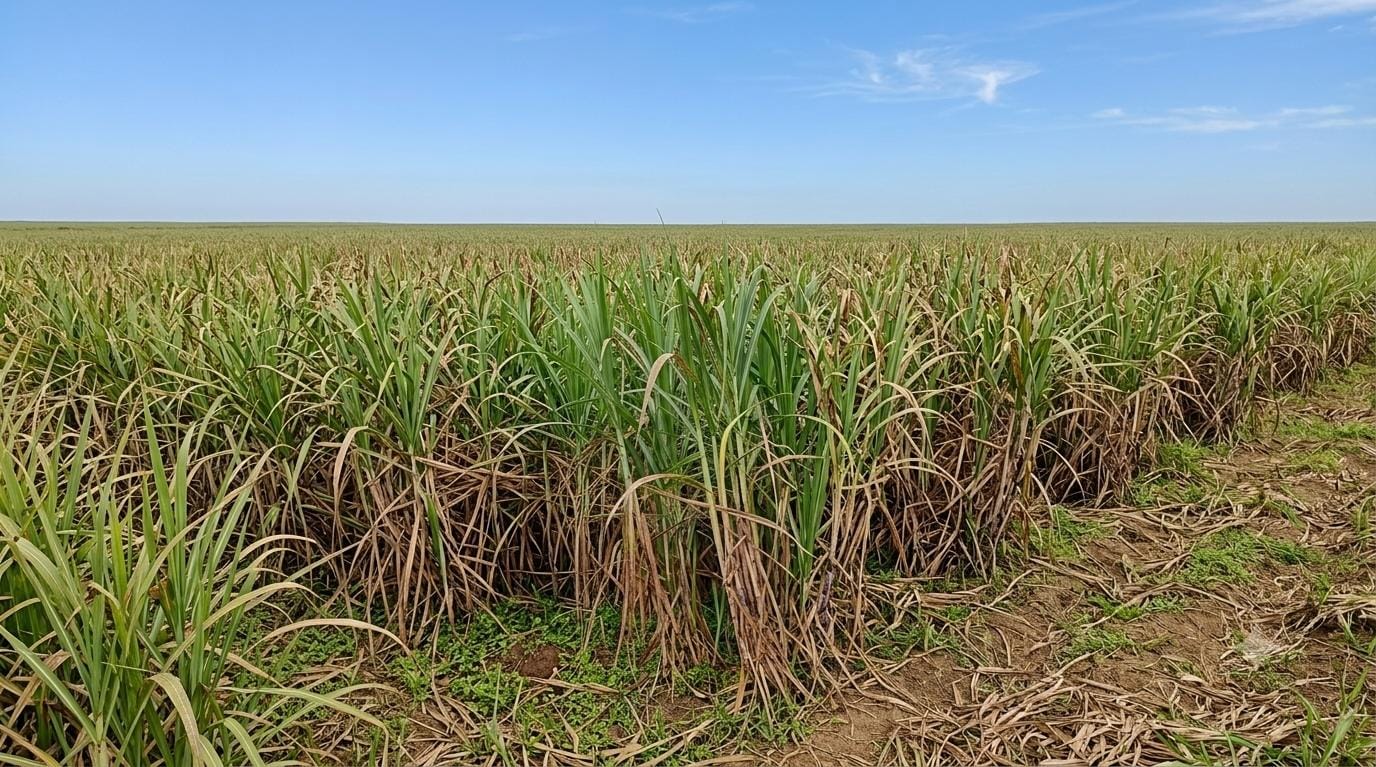
In western Kenya, sugarcane farmers face a similar challenge. Taabu Mferi, a sugarcane farmer from Elucheka Sub-location in Matungu Division, Kakamega County, says the changes are visible in the fields.
“Sugarcane used to practically grow itself here, but the soil is tired now you can see it in the thinner stalks and lighter yields each harvest. We used to just burn the leaves till deep, but now we’re learning that heavy machinery and stripped soil are doing more harm than good. To get a decent tonnage these days, we have to protect the ground, trash-blanket the fields to keep the moisture in, and treat the soil like a living thing rather than just dirt.” Stated Mferi.
Taabu’s experience illustrates a wider dilemma: farmers need higher yields to earn a living, yet pushing the same land repeatedly without restoring what is removed can undermine future production.
The pressure on sugarcane farmers has also exposed the importance of farmer representation. Growers recently challenged aspects of the election process for representatives to the Kenya Sugar Board, seeking greater transparency and an opportunity to verify the voters’ register.
Among those identified in the petition were Jared Omulo Okowa, Onduu Abade, Richard Ogendo, Leakey Onyango and Monicah Mungala, with lawyer Joseph Makokha involved in the petition.
The election, scheduled for September 5, 2026, was subsequently suspended after interim court orders in a case involving Richard Ochieng and two others. The Kenya Sugar Board Grower Directors Election Committee, chaired by Harun Khator, halted the exercise following the court order.
The dispute raises a question that extends beyond sugarcane: who gets to shape the decisions affecting the farmers who produce Kenya’s food?
Counting What Agriculture Really Costs
That question is central to the TEEBAgriFood Kenya Project, which is challenging conventional ways of measuring agricultural success. The project, led by UNEP in partnership with Strathmore University Business School, uses True Value Accounting to look beyond yields and market prices and consider natural, human, social and produced capital.
In practical terms, a tonne of maize or sugarcane has a value beyond the price paid at the market. Its production depends on healthy soil, reliable water, biodiversity and the people managing the farm.
Recent TEEBAgriFood Kenya findings reported soil degradation as one of the most commonly identified natural-capital problems among surveyed farmers, alongside runoff, topsoil loss and declining soil organic matter. These problems also translate into higher fertilizer and input costs.
 Prof. Jacqueline McGlade, Principal Investigator of the TEEBAgriFood Kenya Project, argues that agriculture needs to recognise these hidden values when making decisions about land use.
“When soil health, water, and biodiversity are properly valued, decisions about land use become more sustainable.”
McGlade has also cautioned against leaving soil uncovered, advocating approaches such as cover crops, fodder and pasture to protect the land and retain organic matter.
Farming For The Next Harvest
Regenerative agriculture promotes practices such as reducing unnecessary tillage, rotating crops, keeping soil covered, returning organic matter through manure and compost, and integrating agroforestry.
For farmers, however, adoption requires more than awareness. They need practical knowledge, affordable inputs, soil testing, appropriate machinery, markets and policies that make long-term land stewardship economically worthwhile.
The TEEBAgriFood approach offers a different measure of success: not simply how much food Kenya produces today, but whether the country can continue producing it tomorrow without exhausting the soil, water, biodiversity and people that make agriculture possible.
Kenya’s food crisis may therefore not begin at the supermarket shelf. It may begin much earlier in fields where farmers are working increasingly hard to coax food from soil that is losing its strength.
The real cost of Kenya’s food is not only what consumers pay. It is also what farmers, ecosystems and future generations may be paying beneath the surface.