|
Getting your Trinity Audio player ready...
|
By Juliet Akoth
Nairobi, Kenya: Implementation, funding, and public engagement represent key hurdles for Kenya’s ambitious biodiversity goals. Although the national economy relies substantially on natural resources, officials and conservation advocates caution that a comprehensive cost assessment for the country’s biodiversity strategy has yet to be finalized.
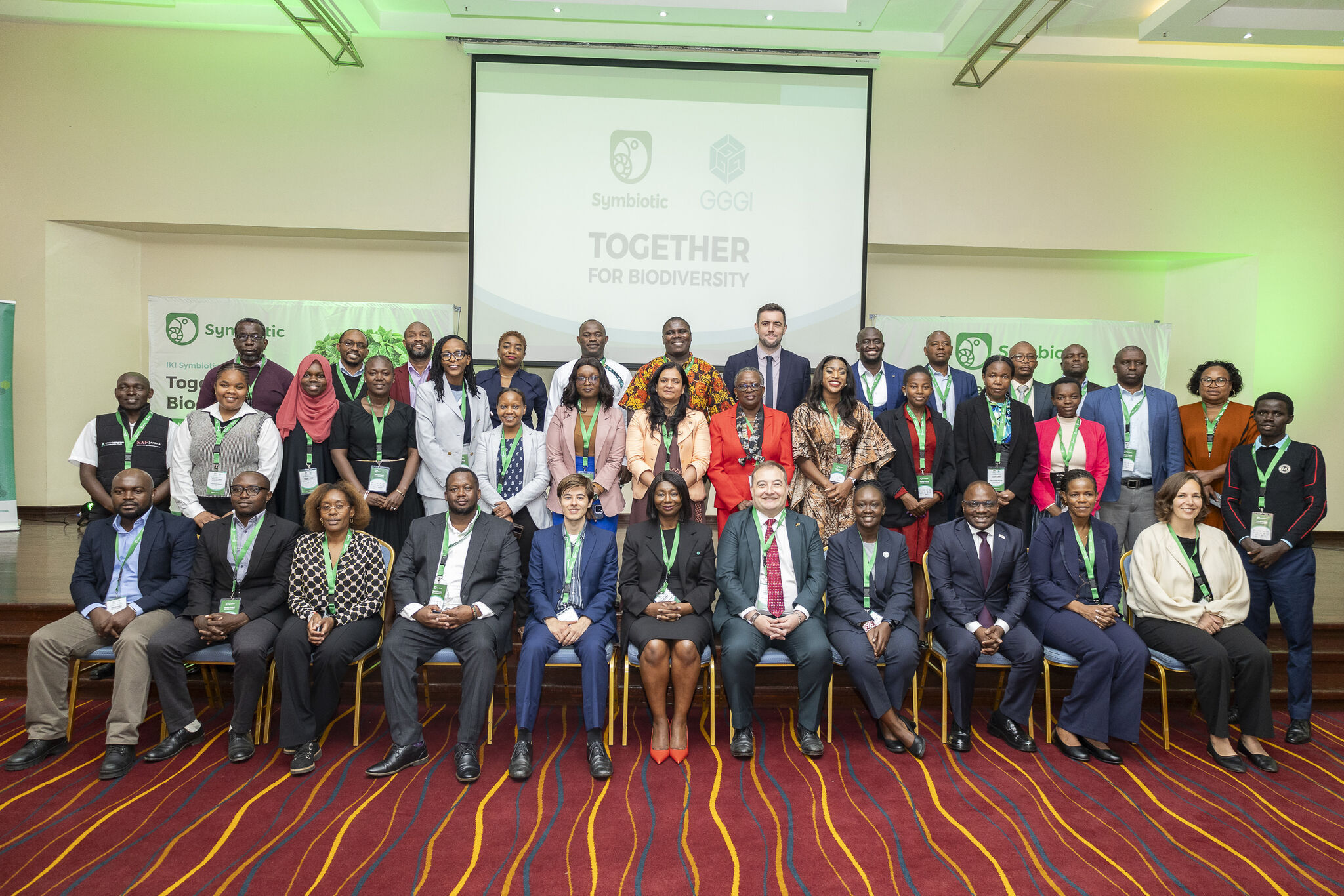
These concerns were highlighted on 3rd September during a panel session at the launch of the SYstemic Learning and Mainstreaming of BIOdiversity Targets for Innovative Transformation and Behavioral Change (SYMBIOTIC) Initiative.
Panelists urged integration of biodiversity priorities into main-stage public finance, corporate decision-making, national planning frameworks, and daily civic discussions, rather than treating environmental policy as a secondary concern.
The discussion brought together perspectives from government, conservation and the media, highlighting a common concern: Kenya has developed important biodiversity commitments and frameworks, but translating them into action will require resources, stronger coordination across sectors and better communication with the public.
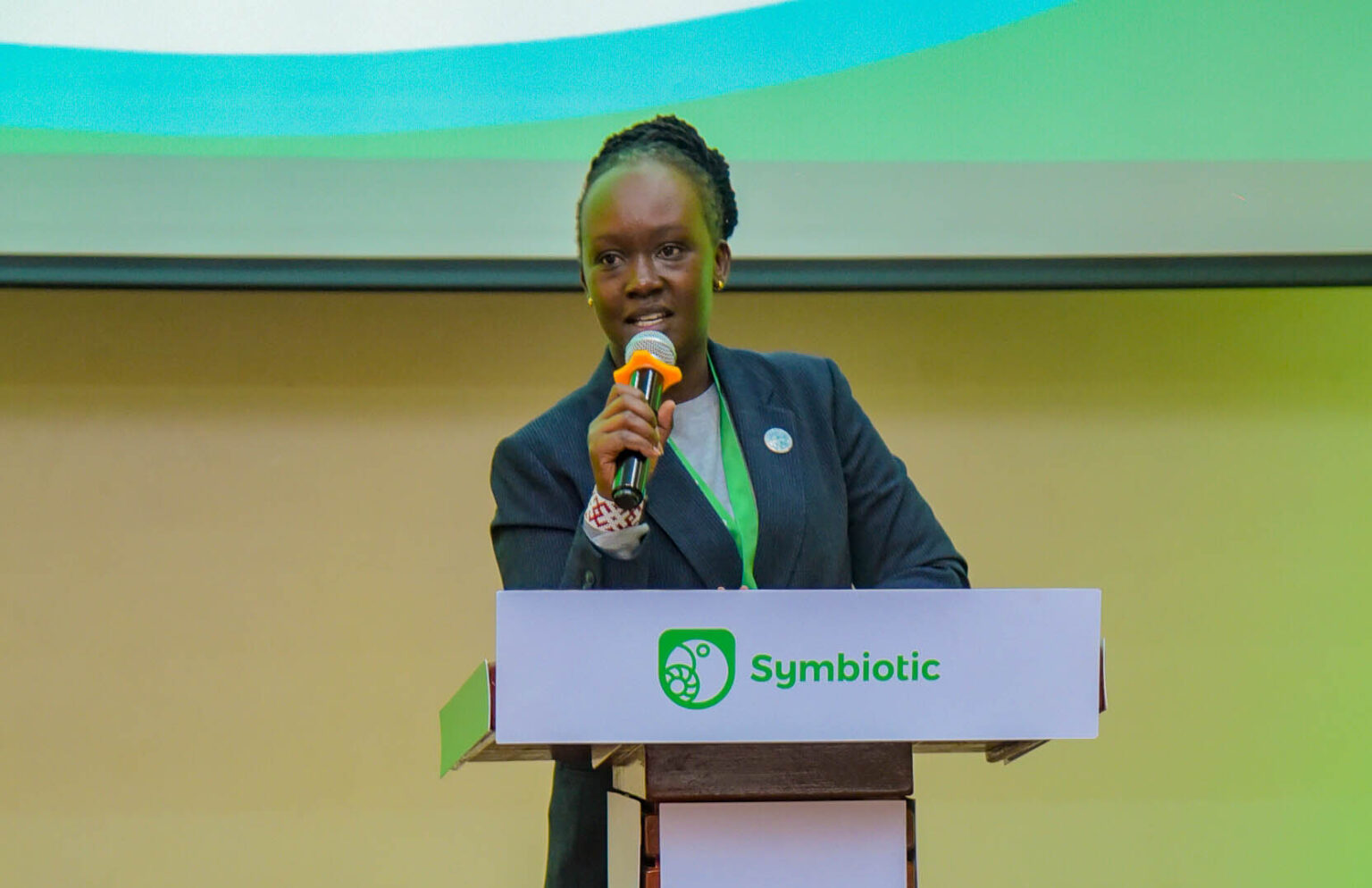
Mayiani Saino, Deputy Director for Multilateral Environmental Agreements at the State Department for Environment and Climate Change, said Kenya’s commitments under the Kunming-Montreal Global Biodiversity Framework (KMGBF) must ultimately be implemented across more than 20 ministries and 47 counties.
She said the challenge becomes particularly difficult when global biodiversity commitments, which are often highly technical and scientific, have to be translated into practical actions at county and community levels.
“The problem is, we have the commitments, but we do not have the financing to make sure that these commitments are implemented. That is the biggest gap,” Saino said.
Kenya has developed 25 national biodiversity targets aligned with the Kunming-Montreal Global Biodiversity Framework and established a National Biodiversity Coordination Mechanism to coordinate implementation across national and county levels.
However, Saino said capacity and financing remain significant barriers to ensuring that these commitments are incorporated into routine government planning and operations.
The financing challenge is compounded by the position biodiversity occupies within competing national priorities.
Saino said biodiversity often struggles to compete with investments in roads, water and electricity, despite the country’s significant economic dependence on nature.
Kenya’s gross domestic product is estimated at 48 percent dependent on nature, according to the deputy director. Yet, she noted that public investment has not sufficiently reflected the value of the country’s natural capital.
“We are not valuing our natural capital and trying to match the value we draw with the resources we put in it in its investments,” she noted.
For Dr. Paul Matiku, Executive Director of Nature Kenya, the scale of the financing problem is still not fully known at the national level.
“Kenya has not determined the financing gap on biodiversity, but your guess is as good as mine. The financing gap is huge,” Matiku said.
He pointed to the wider international financing challenge, noting that an estimated $200 billion is required annually at the global level to support implementation of the global biodiversity framework, but that the target has not yet been met.
Matiku said Kenya cannot rely solely on government budgets or international funding. Communities, businesses and individual sectors also have a role to play in reducing the cost of conservation and increasing investment in nature.
Nature Kenya, he said, works with local site support groups that educate communities, promote sustainable livelihoods and hold county governments accountable for environmental responsibilities.
He also cited efforts to engage businesses, saying Nature Kenya had worked with more than 200 companies through young conservation promoters, but the results showed that many businesses were still reluctant to make significant investments in biodiversity.
That makes stronger links between biodiversity and the private sector essential, particularly as companies increasingly face expectations around sustainability and environmental risks.
Supporting his sentiments, Saino emphasized the need to strengthen existing incentives and improve compliance, particularly among industries that may struggle to see immediate financial returns from biodiversity-related investments.
She further noted that Kenya has opportunities to improve biodiversity financing through better assessment of financial flows, stronger incentives and increased use of private and blended finance.
She said the country is working through the Biodiversity Finance Initiative (BIOFIN) to mobilize about $150 billion to support nature conservation and the National Landscape Restoration Strategy through 2032. The restoration strategy targets 10.6 million hectares of degraded landscapes.
However, beyond money and policy, the panel identified communication as another major weakness in biodiversity action.
Kiundu Waweru, East Africa Coordinator for the SYMBIOTIC Project at Internews’ Earth Journalism Network, said the scientific evidence and policy commitments already exist, but communicating them effectively remains a challenge.

For Dr. Matiku, that connection between communication, public support and political action is central to closing the biodiversity financing gap.
He argued that nature must become more visible in public discussions and decision-making because communities depend directly on ecosystems for food, water, energy and health.
The challenge, he said, is not simply to persuade people that biodiversity matters, but to demonstrate how closely nature is connected to their livelihoods and the wider economy.
“Public support for nature, communicating nature, linking nature and the people, and linking the economy with nature is critical if we are going to save our food, our water, our energy, and our health,” Matiku said.
The speakers therefore underscored a central tension in Kenya’s biodiversity agenda. The country has established targets, policies and institutional mechanisms, but the effectiveness of those commitments will depend on whether they are adequately financed, coordinated and communicated.
As Kenya works to implement its 25 national biodiversity targets, the task will increasingly be to move biodiversity from policy documents into budgets, investment decisions, business practices and community action.
The success of that transition will determine whether the country’s biodiversity commitments remain largely aspirational or become practical measures capable of protecting ecosystems while supporting the people and economic activities that depend on them.