By Victoria Musimbi
Nairobi, Kenya: Beyond the physical pain and frequent hospitalizations, individuals living with sickle cell disease must navigate severe societal hurdles. Widespread stigma, discrimination, and pervasive myths frequently hinder their educational progress, career opportunities, personal relationships, and overall integration into society.
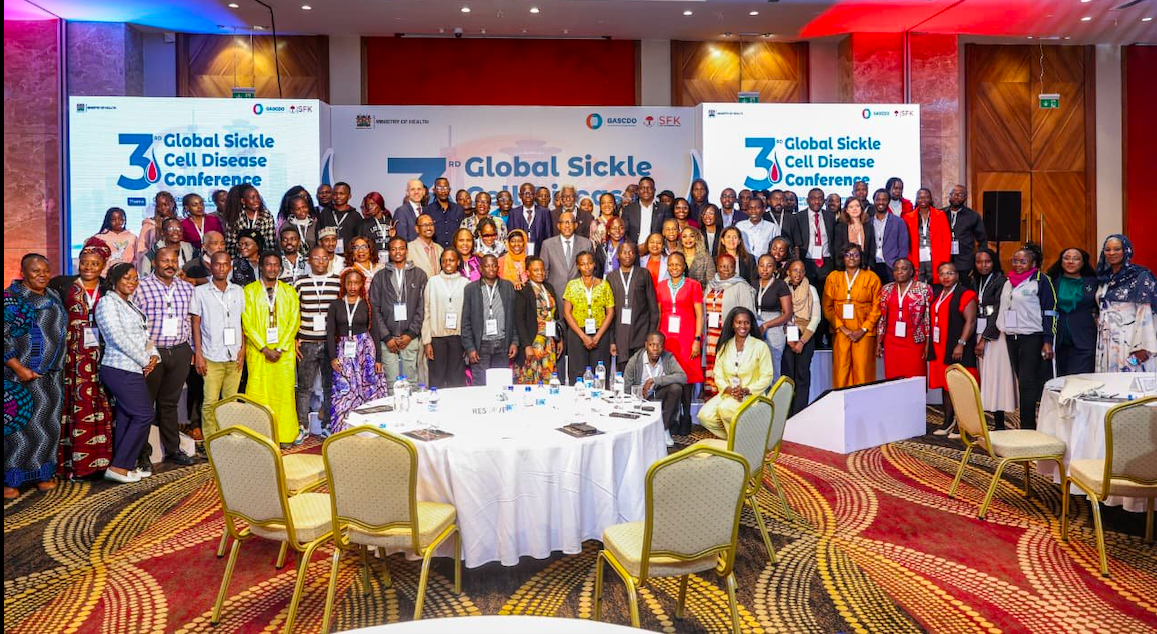
To address these challenges, the Global Alliance of Sickle Cell Disease Organisations (GASCDO), alongside Kenya’s Ministry of Health and the Sickle Cell Federation of Kenya, hosted the Global Sickle Cell Disease Conference in Kenya.
The event brought together patients, caregivers, medical professionals, and advocates from across Africa and around the globe. Participants gathered to share their journeys, debunk persistent misconceptions, dismantle societal barriers, and develop actionable strategies to enhance patient care and foster public understanding so that those living with the disease are not defined by it.
Challenging Myths and Discrimination
Silas Kiprono, 34, was diagnosed with sickle cell disease when he was just three years old. Raised under the watchful eye of his mother, he gradually learned to navigate and manage the condition.
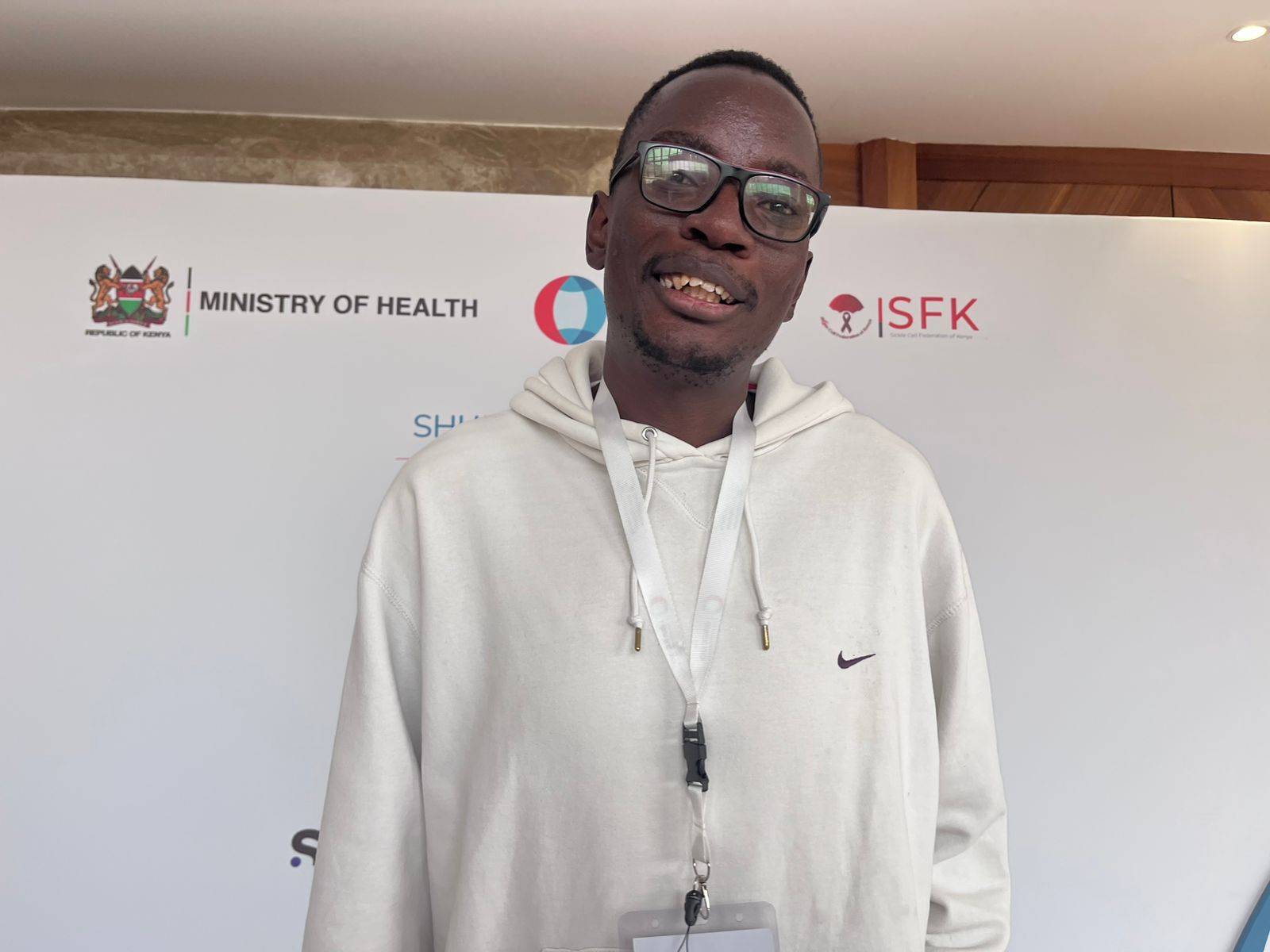
He has no memory of his diagnosis and learned about it from his mother, who took him to a paediatrician after he repeatedly fell sick.
Growing up, much of his care was managed by his mother. She would call him indoors while he was playing to drink water or put on a sweater when it was cold. At the time, he saw these instructions as interruptions to his fun. Later, he understood that she was helping him avoid situations that could trigger the illness.
When he joined high school, he began taking greater responsibility for his own care. By university, managing the condition, including hospital visits, had become largely his responsibility.
Going to hospital alone was initially frightening. He worried about what to tell doctors and whether he might forget important information. With time, however, he became more confident speaking for himself.
That experience marked the beginning of his advocacy journey.
At university, he joined a sickle cell organisation and met other warriors. Until then, he had believed he was the only person with the condition in Kenya. Meeting others made him feel empowered and less alone.
The Death Age
“We shared our childhood experiences and realised that many of us had grown up facing similar challenges,” he says.
His experiences also exposed him to discrimination at work. He recalls becoming unwell while preparing to go to work and informing his employer that he needed to go to hospital. Although permission was granted, he sensed doubt when he later disclosed that he had been admitted.
“When some employers hear that you have the condition, the first thing that comes to mind is that you are a liability,” he says.
He says misconceptions can also affect social relationships, with some people assuming that those with the condition are always sick or should be excluded from activities because they might become unwell.
“But warriors can live long and fulfilling lives. We can go out and have fun like everyone else. We have learned our limits and know how to take care of ourselves.”
One of the most damaging beliefs he encountered growing up was what he calls the “death age” the idea that a person with the condition will not live beyond a certain age.
“I am 34 years old, and I was given a death age at the age of five, at the age of seven, at the age of 13. I was told you wouldn’t pass 18,” he says.
He also rejects the myth that the condition is contagious. His message is simple: people affected deserve opportunities in school, employment and relationships.
“Give sickle cell warriors a chance. Just because we have sickle cell, don’t shut us down or close the door on opportunities. Give us a chance and let us prove ourselves.”
More Than Six Decades with Sickle Cell
Silas’s experience is echoed by Ade Sawyerr, a sickle cell warrior and advocate and Vice Chairperson of the Global Alliance of Sickle Cell Disease Organisations, who was born in Ghana more than 75 years ago and was diagnosed at the age of 10.
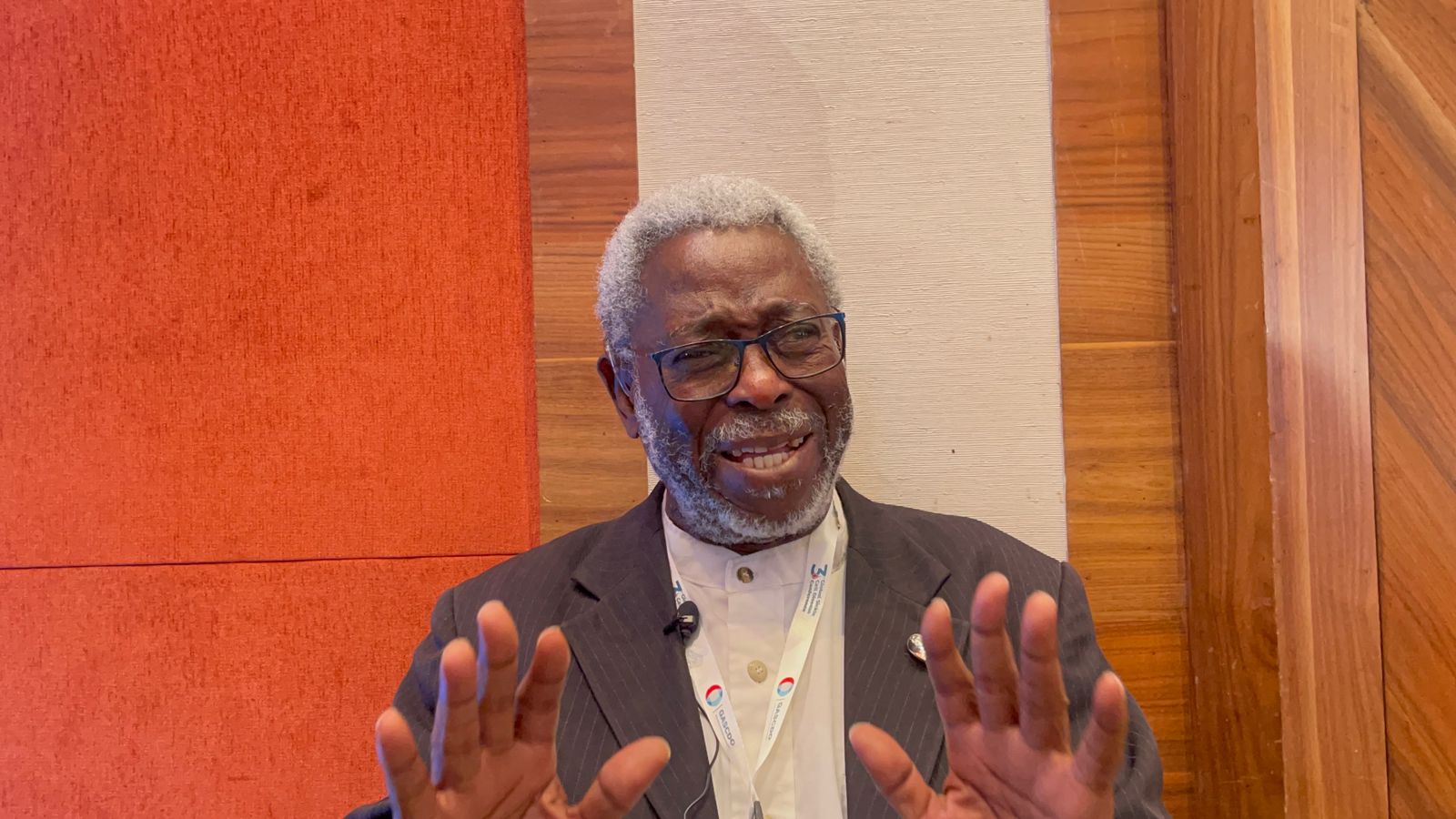
“For the first ten years of my life, I went through life ill most of the time: malaria, jaundice, whatever it is,” he recalls.
After his diagnosis, Sawyerr continued his education, including boarding secondary school, where he experienced painful crises. Despite periods in hospital, he completed his education and graduated from university before turning 21.
“I wasn’t too much into sports, but sickle cell did not really prevent me from doing anything,” he says.
His working life presented different challenges. He first worked in banking before moving into the computer industry in 1972 as a systems analyst. Computers were housed in very cold rooms, and the contrast between the workplace and Ghana’s hot climate sometimes triggered crises.
He eventually left the industry and established his own travel agency, allowing him to travel extensively while managing his condition.
His experience has strengthened his advocacy and challenged the belief that the condition prevents people from leading productive lives.
“It is possible to live a long life with sickle cell. It’s not that much of a death sentence,” he says.
Turning Commitments into Action
While personal experiences highlight the barriers people face, Dr. Doreen Karimi said Kenya must also strengthen implementation of its existing policies and guidelines.
Karimi, a medical doctor, paediatric haematologist-oncologist and Board Chair of the Sickle Cell Federation of Kenya, said the conference provided an opportunity to identify gaps and raise standards of care.
“The goal is really to see where are the gaps, and what can we do to make sure we raise the bar in terms of the standards of treating sickle cell disease in Kenya and making a local impact,” she said.
She said policies and guidelines are only meaningful when implemented.
“A guideline, a policy on paper is only a wish list if we do not put some action on it,” she said. “The time is to bring what is in our policies, what is in our guidelines into action.”
Karimi identified newborn screening as a priority and called for better access to treatment, including hydroxyurea.
She also stressed the importance of patient registries in generating reliable data to guide planning and resource allocation.
“That’s why the registries are very important. We need gathered data so that we can be able to know how to prioritise and how to allocate resources,” she said.
Karimi said Kenya has an opportunity to provide leadership in Africa.
“My parting shot would be that yes, we can,” she said. “Kenya, we have been given an opportunity to actually be the voice for Africa about sickle cell disease, and being the voice means that we have to raise our standards.”
Supporting Caregivers and Families
While stronger policies and implementation are needed nationally, families continue to carry much of the burden of the condition.
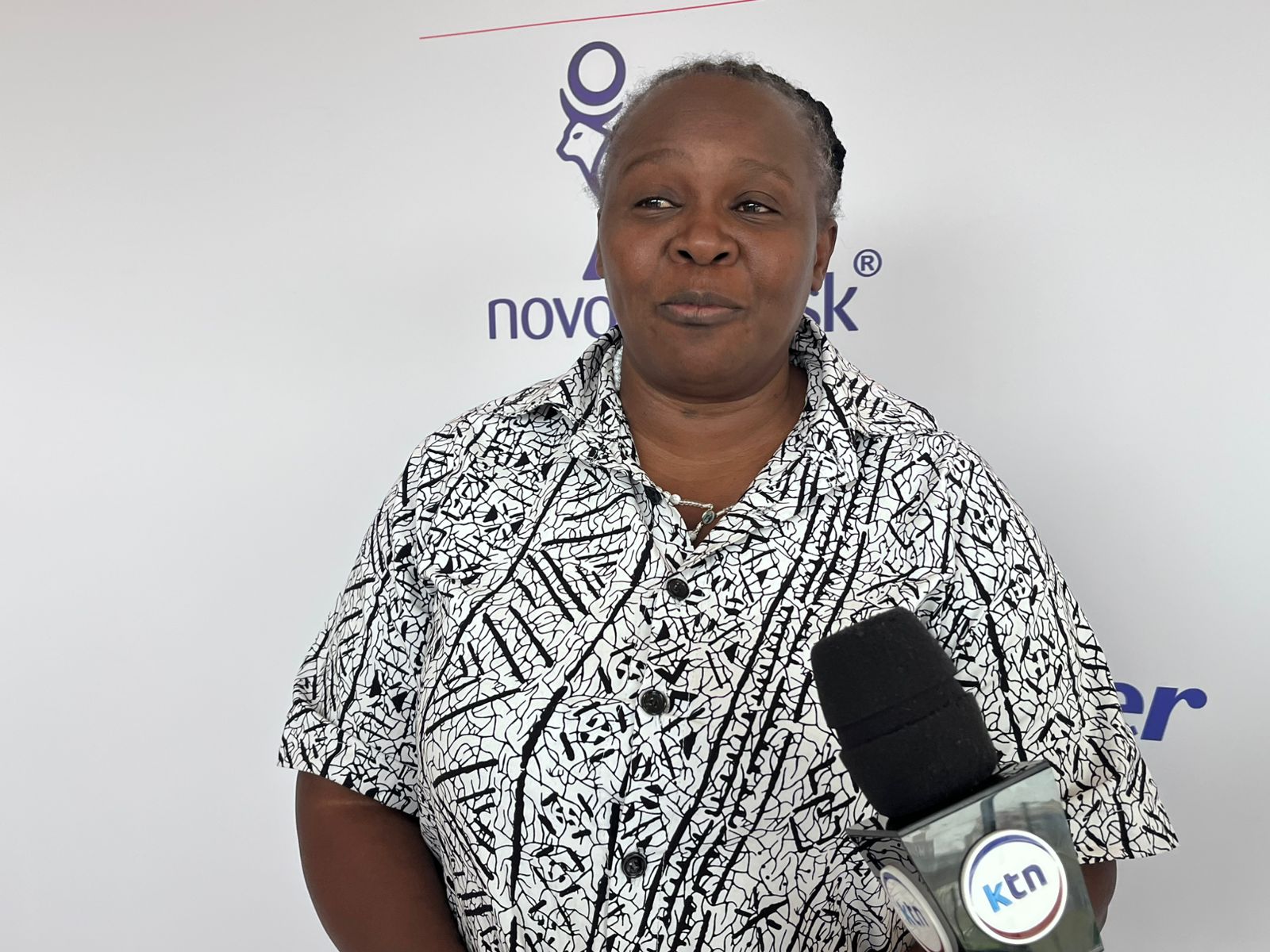
Selina Olwande Ogweno, CEO of Children Sickle Cell Foundation and President of Umoja Africa Sickle Cell Consortium (Umasco), said greater awareness and screening are needed, particularly among young people.
Umasco brings together about 44 organisations working on sickle cell disease across Africa, allowing Francophone and Anglophone organisations to share experiences.
In Kenya, Ogweno said organisations continue connecting affected people and caregivers to care while advocating for affordable and quality treatment.
“We can’t say that we’ve done everything perfectly. It’s still a work in progress,” she said.
She welcomed the announcement that Kenya would establish a sickle cell disease registry, saying the country still relies heavily on estimates.
“This is long overdue. If today you ask us about sickle cell disease, we still estimate,” she said.
Ogweno called for screening in universities and colleges so young people can know their status and make informed decisions before having children.
“The first thing we have to work on seriously is awareness,” she said.
“Screening stands at the centre of trying to handle the topic of sickle cell,” she added.
But beyond awareness and screening, Ogweno highlighted the often-overlooked burden on caregivers, particularly families caring for more than one child with the condition.
“A mother who has more than one child with sickle cell; is she able to work? A father who is taking care of a family that has more than one child with sickle cell. Is that income enough to take care of them?” she asked.
“The physical pain may not be in their system, but the mental, financial and emotional pain is a burden,” she said.
She called for government support, including workplace protection and measures to ease the financial pressure on caregivers.
Investing in Local Solutions
The challenges facing families are also linked to gaps in frontline services, an area Nigeria is seeking to strengthen.
Abdulqadir Gambo Musa, CEO of Amana Sickle Cell Foundation in Nigeria, said the country is retraining frontline healthcare workers on early detection, case management and timely referral.
“Primary healthcare workers are not sufficiently aware of sickle cell disease. They need to be much more enlightened because you cannot confront what you do not know much about,” he said.
Musa said stronger community-level services and referral systems could reduce delays in accessing care.
He also called for greater investment in local pharmaceutical manufacturing, particularly for hydroxyurea and testing kits, to improve availability and reduce dependence on imports.
Genotype awareness, premarital testing and prenatal screening were also among the measures he highlighted, alongside training more doctors in haematology and related specialties.
Musa urged African countries to increase domestic financing rather than relying heavily on external support.
“We cannot continue to wait for foreign support. Since this is our problem, we need to create solutions ourselves through domestic financing, government funding, out-of-pocket financing and other available mechanisms,” he said.
A Global Call to Work Together
Beyond individual countries, advocates say the shared challenges require a coordinated global response.
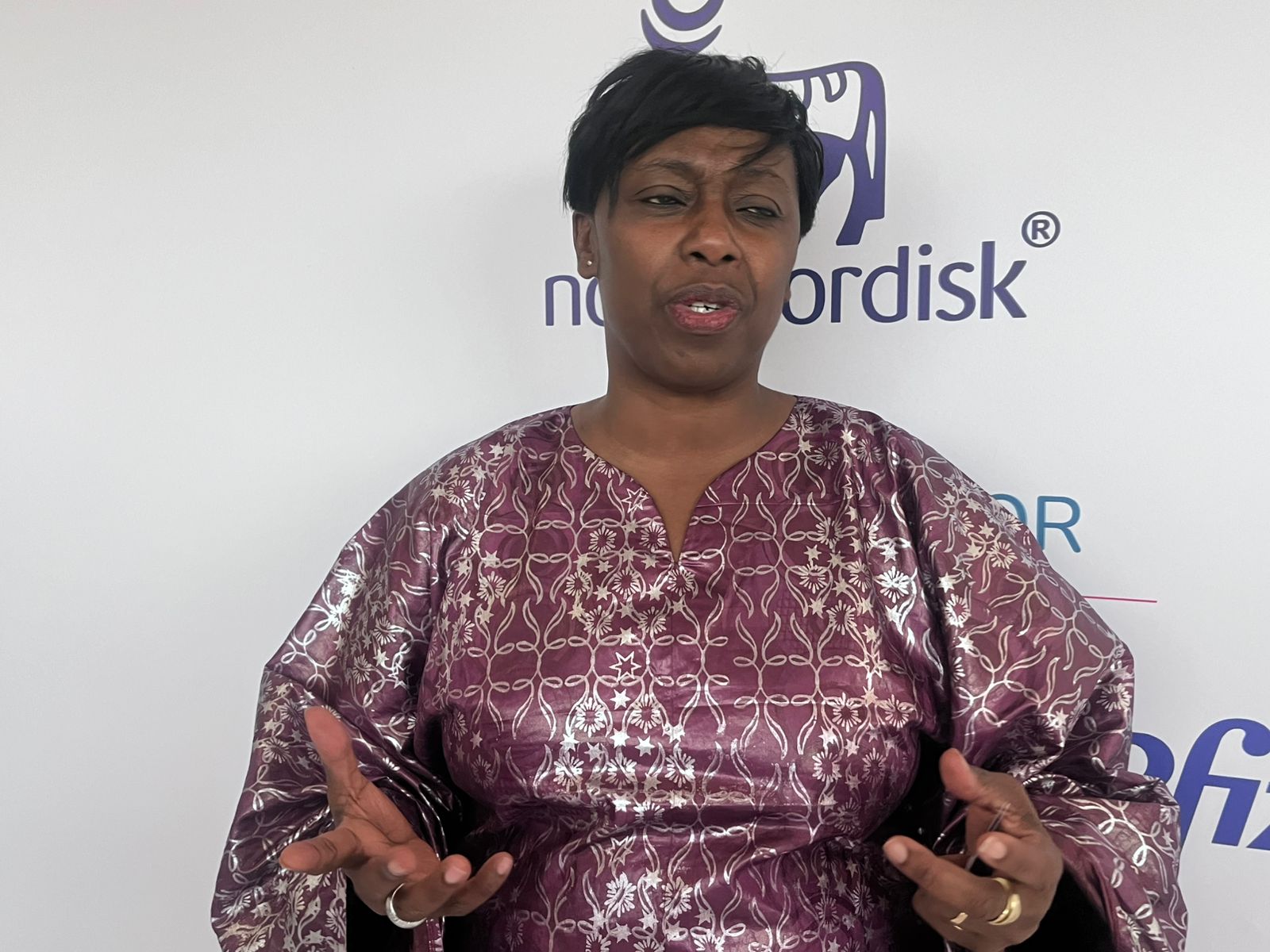
Biba Tinga, CEO of the Global Alliance of Sickle Cell Disease Organizations (GASCDO), brought a personal perspective to the conference, drawing on 38 years of caring for a child with the condition.
“I stand before you today as the CEO of the Global Alliance of Sickle Cell Disease Organizations, but I also stand before you as a woman, as a parent and as someone who came from West Africa,” Tinga said.
She described decades of hospital visits, uncertainty and advocating for her child to have the opportunity to live a normal life.
“Thirty-eight years of hospital visits. Thirty-eight years of uncertainty. Thirty-eight years of fighting for someone I love,” she said.
Tinga said her experience showed her that families need support throughout the life course, with adults also requiring care, opportunities and understanding.
She said these experiences helped inspire the formation of GASCDO in 2020, which has grown into a global network representing people with sickle cell disease, caregivers and families.
Across countries, she said, communities face common challenges, including limited access to medicines and care, inadequate newborn screening and gaps in healthcare workers’ training.
“Regardless of where people live, the challenges and the burden of sickle cell disease are the same,” she said.
Tinga called for governments, clinicians, researchers, policymakers, patient organisations, caregivers and people affected by the condition to work together.
“Sickle cell disease does not respect any borders, and neither should our response to it,” she said.
She stressed that affected communities must be involved in research, clinical trials and policymaking.
“Nothing for us, without us. Everything done for us must be done with us,” she said.
As the conference ended, Tinga said delegates would develop a common call to action to guide efforts over the next two years.
“We advance faster when we work together,” she said. “There is hope. Keep fighting.”