|
Getting your Trinity Audio player ready...
|
By Victoria Musimbi
Nairobi—Thousands of Kenyans continue to face late cancer diagnoses, a reality that often limits treatment options and reduces survival rates. To help reverse this trend, the Africa Cancer Foundation (ACF) has launched an endowment campaign aimed at expanding access to cancer awareness, screening, early detection, and patient support. The initiative was unveiled during the foundation’s 15th anniversary fundraising brunch in Nairobi, held under the theme “Own Your Cancer Story,” and marks a renewed call for greater investment in lifesaving cancer care across the country.
The campaign seeks to raise between KES 15 million and KES 30 million as the first step toward building a long-term endowment fund. Proceeds will support community screening, volunteer training, patient referral services, and awareness programs.
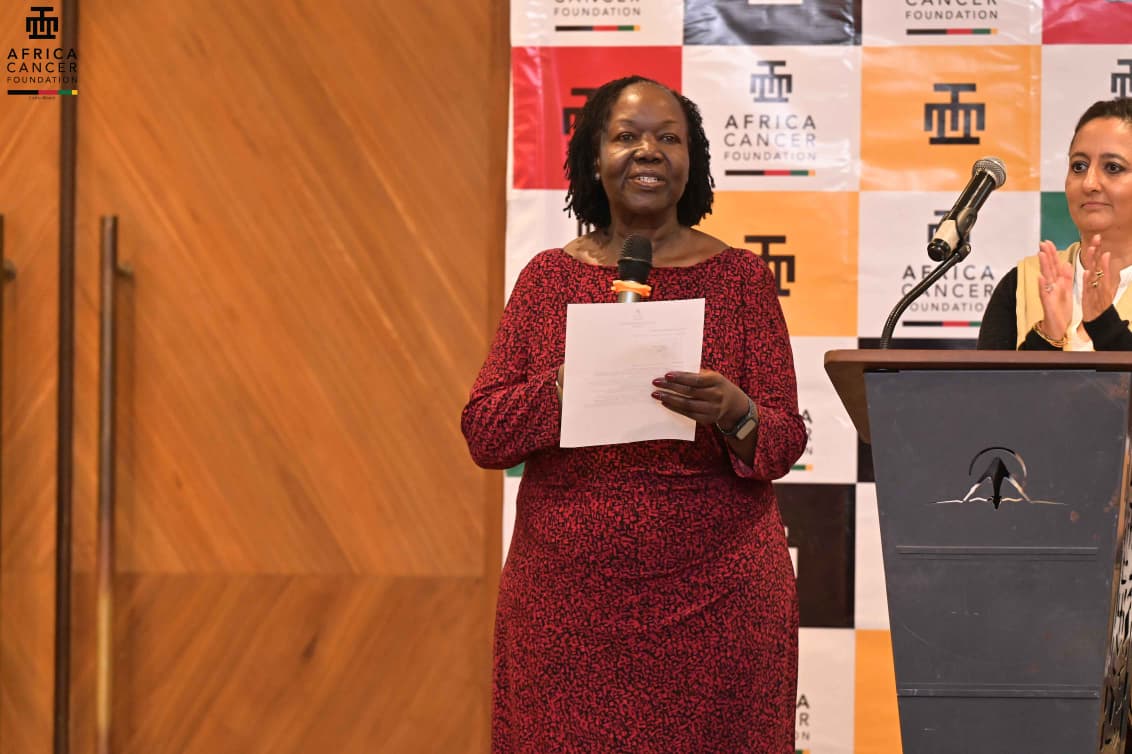
For Eva Allela, a pharmacist and board member of the Kenya Network of Cancer Organizations (KENCO), the foundation’s message of early detection is deeply personal. A breast cancer survivor, Allela was diagnosed in 2020 after discovering a lump in her breast. She admits she had not been consistent with routine screening and delayed seeking medical attention for several months, hoping the lump would disappear on its own. When she finally underwent tests, the diagnosis was devastating.
“It was devastating because, at that time, all I knew was that cancer kills people,” she recalled.
Allela underwent a lumpectomy, followed by eight cycles of chemotherapy over six months and 20 sessions of radiotherapy. Although she completed treatment, she says survivorship brought its own challenges. “People think the journey ends after treatment, but survivorship comes with constant anxiety. Every headache, every backache, every stomach upset makes you wonder whether the cancer has returned.”
She credits fellow survivors and her family for helping her navigate the emotional burden of recovery. Her treatment, which cost between KES 2.2 million and KES 2.3 million and was largely covered by medical insurance, highlighted the financial strain many cancer patients face. Today, she continues with regular medical reviews, scans, and lifestyle changes aimed at reducing her risk of recurrence.
Drawing from her experience, Allela urged women to perform monthly breast self-examinations and seek annual mammograms from the age of 40. She also encouraged parents to ensure girls receive the HPV vaccine to prevent cervical cancer and called on sexually active women to undergo regular cervical cancer screening. “Early detection saves lives. When cancer is found early, treatment is less complicated, outcomes are better, and the chances of survival are much higher,” she said.
Professor Sylvia Ojoo, a professor of medicine, infectious disease specialist, and trustee of the Africa Cancer Foundation, said changing the narrative around cancer has been at the heart of the foundation’s work for the past 15 years. She noted that ACF has invested heavily in advocacy to help Kenyans understand that cancer is treatable when detected early, while also taking screening services directly into communities.
“We have spent years telling Kenyans that if cancer is found early, it is treatable. At the same time, we have been providing screening services for breast, cervical, and prostate cancers because awareness alone is not enough,” she said.
Professor Ojoo noted that advocacy by organizations such as ACF has contributed to the decentralization of cancer screening and treatment services across Kenya, making care more accessible to people outside major cities. She explained that the anniversary theme, “Own Your Cancer Story,” encourages Kenyans to acknowledge that cancer is increasingly affecting families and communities and to take action through regular screening and early treatment.
“It starts with knowing about cancer. If you know, you get screened. If cancer is detected early, treatment is available. Even when it is diagnosed later, knowing means support and treatment can begin. That is what owning your cancer story is about,” she said.
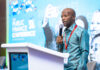
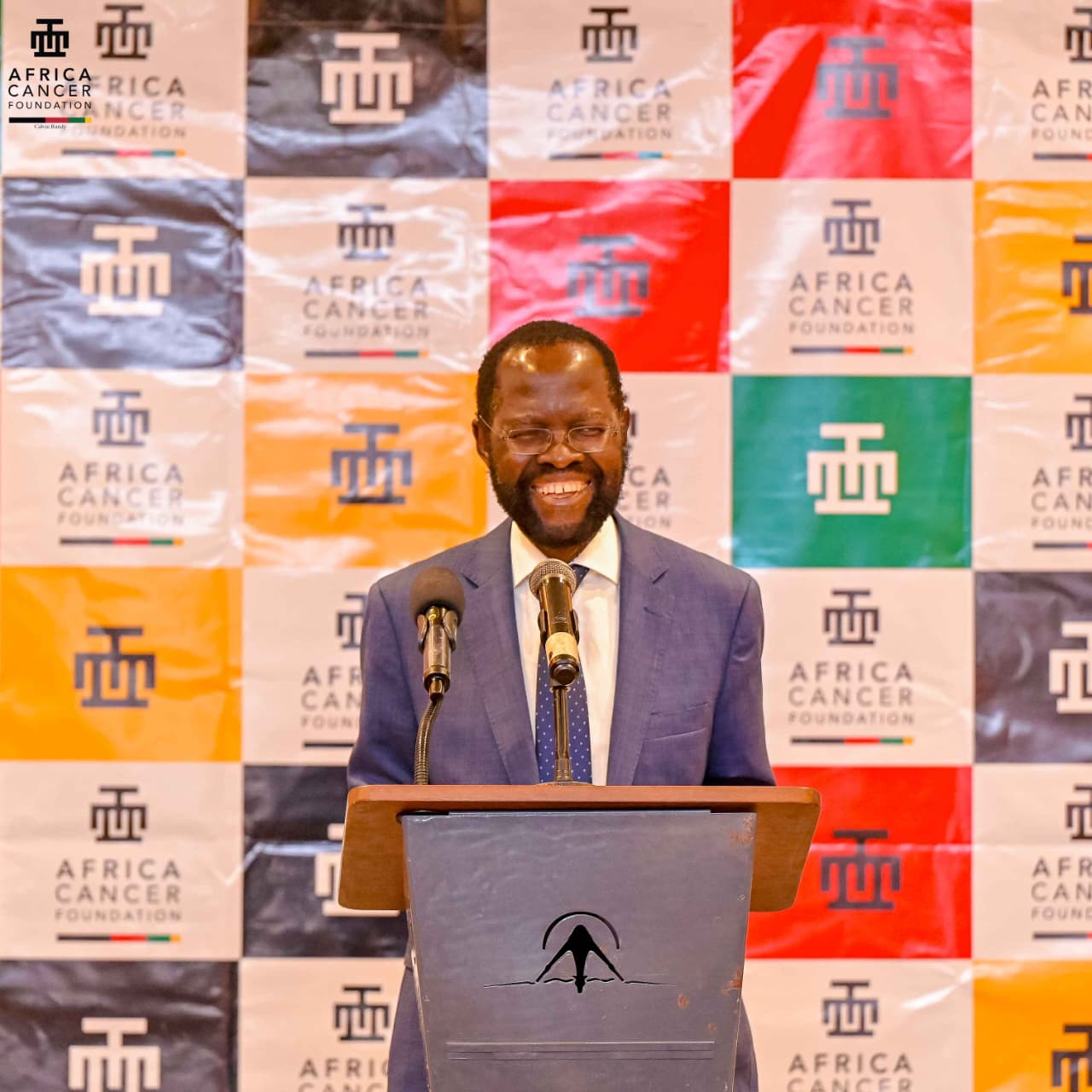
Speaking during the anniversary event, ACF Chairperson and Kisumu Governor Professor Peter Anyang’ Nyong’o reflected on his own prostate cancer diagnosis in 2010, describing it as the experience that inspired the creation of the foundation alongside his wife, Dorothy Nyong’o. He said the organization was born from a simple question: What happens to ordinary Kenyans who discover worrying symptoms but lack information, access to specialists, or money to seek treatment?
That question, he said, has shaped the foundation’s work through two pillars—advocacy that changes health systems and services that directly touch lives. Over the past 15 years, ACF has worked with partners to take free breast, cervical, and prostate cancer screening into communities across 27 counties, screened more than 35,000 Kenyans, and supported the establishment of 19 EMPOWER Clinics in 18 counties to improve access to breast and cervical cancer services.
Nyong’o noted that while Kenya has made progress in expanding cancer centers and decentralizing treatment services, too many patients are still diagnosed at advanced stages because of limited awareness and delayed diagnosis. “Cancer is no longer a rare disease. It is in our communities, our markets, and our hospitals. Too often, it is diagnosed too late because people lack information, access, and the resources to seek care early,” he said.
As part of the anniversary celebrations, ACF also deployed its Clinic on Wheels, a mobile cancer screening unit funded by Tiba Foundation. The clinic provided breast and cervical cancer screening, prostate cancer screening for men aged 40 and above, HPV testing, and ultrasound services, bringing care closer to communities.
Consultant medical oncologist Dr. Gladwell Kiarie said partnerships between government, healthcare providers, communities, and the private sector remain essential to improving cancer outcomes. “Early detection changes the course of cancer care. When cancer is found early, treatment is simpler, outcomes are better, and lives are saved,” she said.
Through the newly launched Endowment Campaign, ACF is calling on individuals, corporations, and philanthropists to invest in sustainable financing for cancer awareness, early detection, and patient support so that more Kenyans can access lifesaving services before it is too late.