
|
Getting your Trinity Audio player ready...
|
By Jasmine Atieno
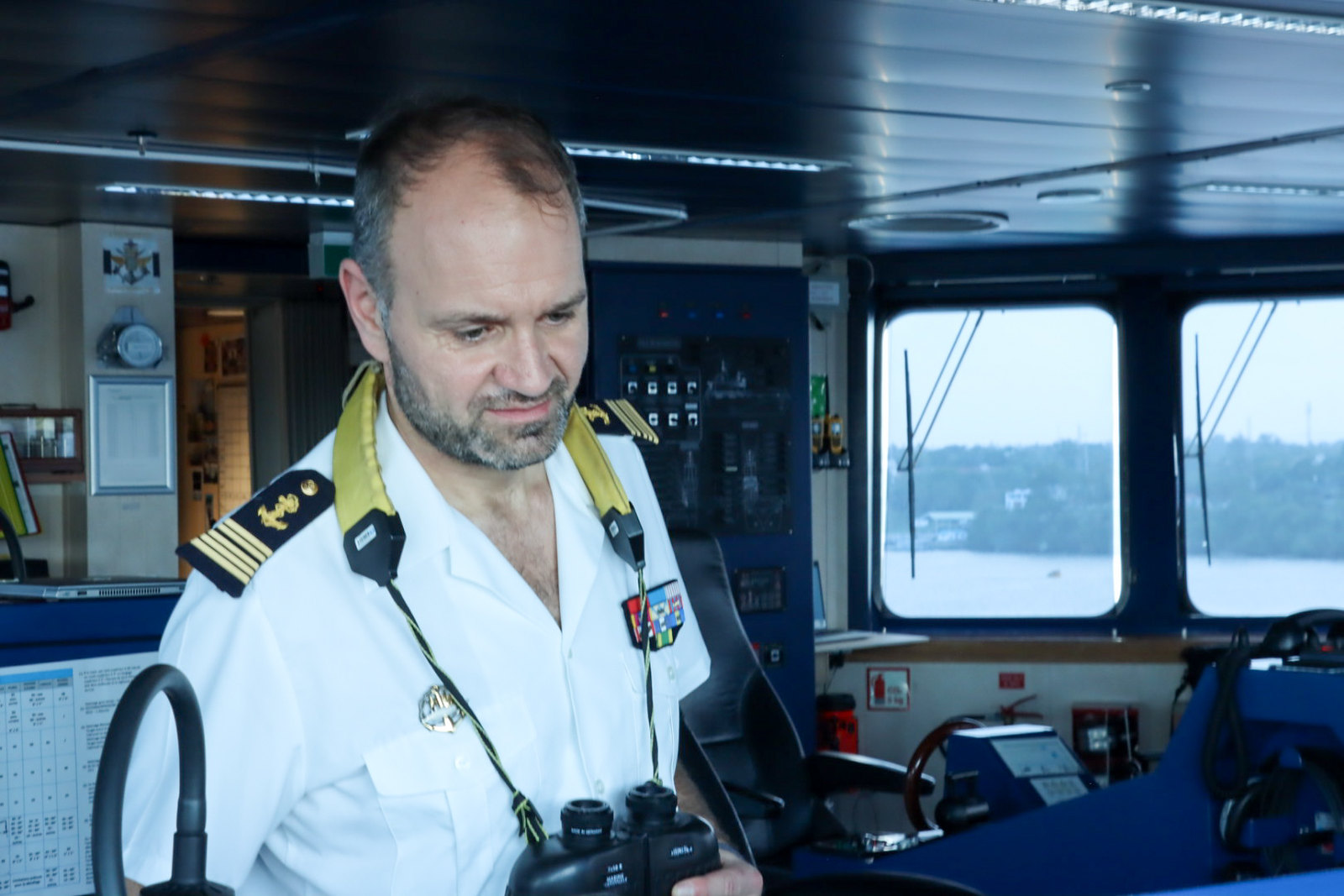
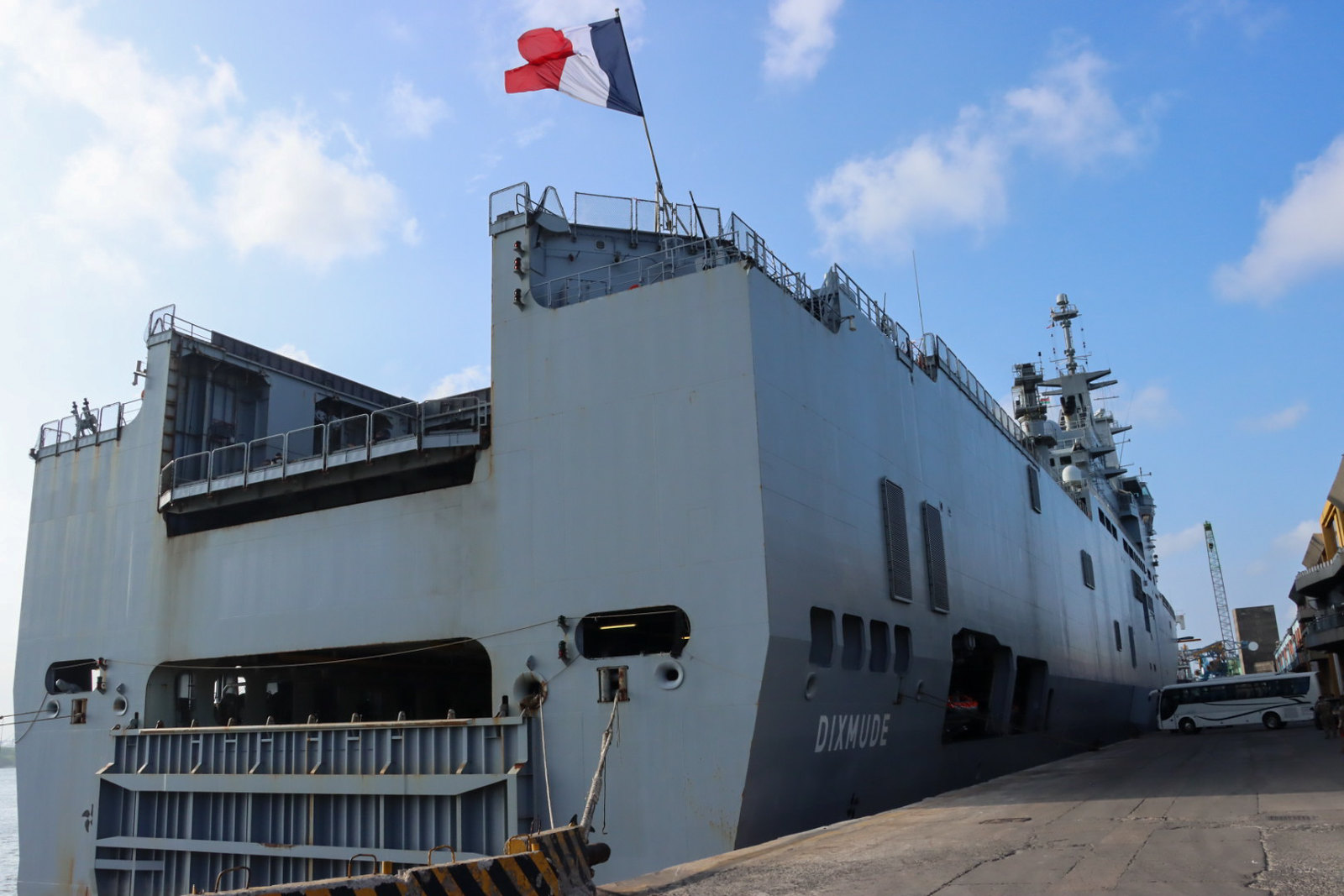
Mombasa, Kenya: Early this month the Port of Mombasa welcomed three French naval vessels including the amphibious helicopter carrier Dixmude and the frigate Aconit, as part of the annual Jeanne d’Arc mission.
More than 800 French military personnel arrived with them, underscoring France’s enduring presence in the Indo-Pacific and the growing strategic relationship between France and Kenya.
The stopover was not simply ceremonial; it was a demonstration of how military cooperation and economic development are increasingly intertwined in the Indian Ocean.
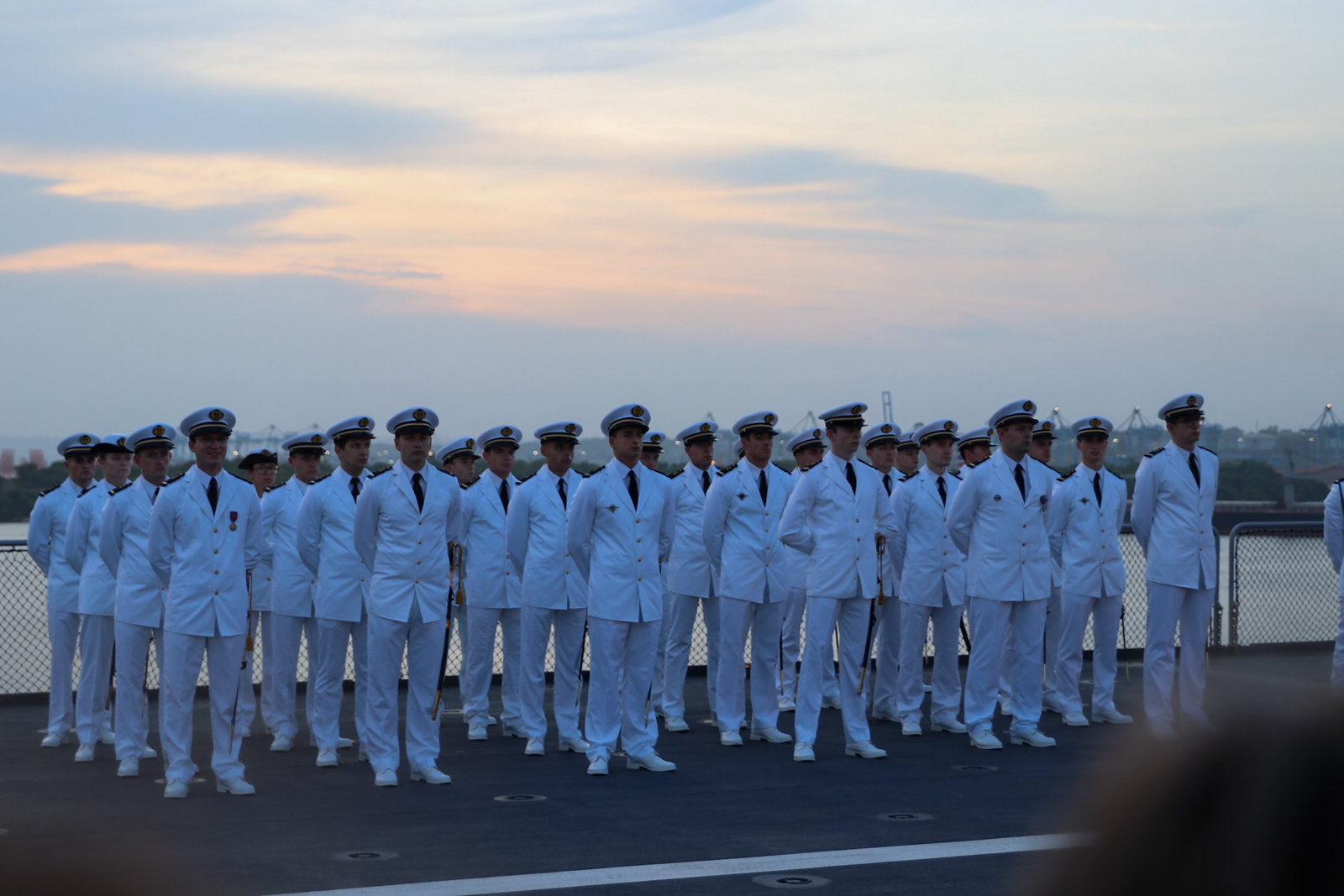
The Jeanne d’Arc mission has a long history in French naval tradition. The Jeanne d’Arc mission, named after the legendary French heroine, began as an annual training voyage for naval cadets, combining academic instruction with practical operational readiness.
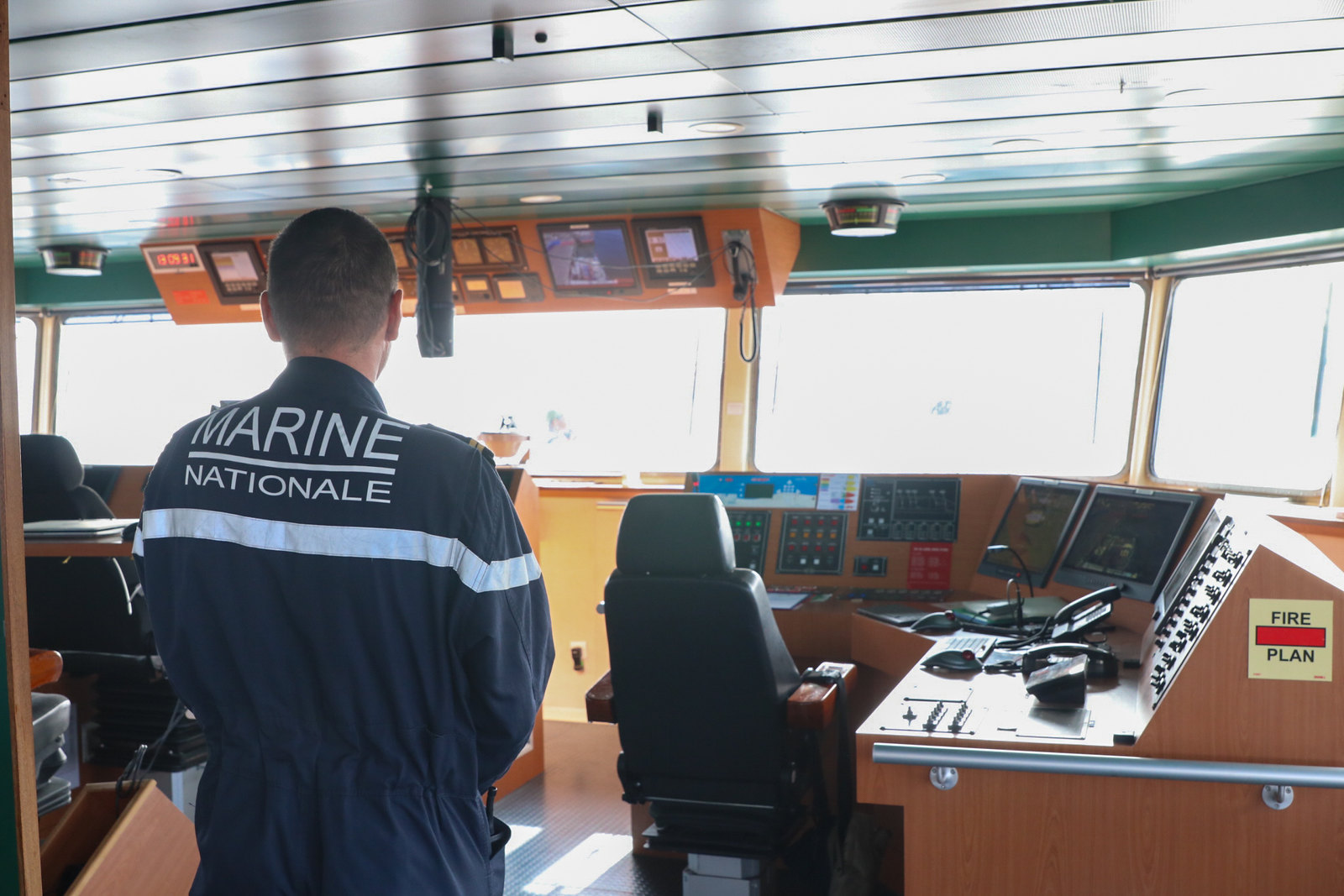
Young officers complete their final training phase at sea, where they gain experience in ship command, engineering system management, and responding to challenging scenarios. However, the mission has significantly broadened its scope.
It now serves as a key platform for international cooperation, enabling France to project stability and reinforce partnerships throughout the Indo-Pacific. For Kenya, the port call in Mombasa provides a valuable opportunity to strengthen its relationship with a European ally that shares its critical focus on maritime security.
“The mission of the French task group deployed here is a Jeanne d’Arc mission… That means that on board our ship we’ve got some young officers that will finish their training here at sea and then join their first unit,” said Commandant Jocelyn Delrieu who explained the dual nature of the mission. Yet training is only part of the story.
Adding “It is also an operational mission, that means we are patrolling, we are delivering security at sea and it is all about partnership, especially with our allies and partners in the whole Indian Ocean.”
For Kenya, maritime security is inseparable from economic opportunity. The concept of the blue economy in sustainable use of ocean resources for growth, livelihoods, and ecosystem health has become central to Kenya’s development agenda.
Fisheries, shipping, tourism, and emerging sectors such as offshore energy all depend on secure seas. Yet these opportunities are vulnerable to illegal, unreported, and unregulated fishing, trafficking, and piracy. France’s naval presence helps counter these risks.
“France is a nation of the Indian Ocean and that means that we share common interests in the area, such as freedom of navigation, such as security at sea.” Delrieu emphasized France’s role.
Adding “We are restoring the shipping, we are controlling illegal fishing, we are protecting our resources and that is all action in support of the blue economy and of the world economy we can provide with such a task group and with our partner”he continued.
Secure seas are fundamental to prosperity, as these words underscore. The flourishing of the blue economy is contingent upon maritime security. With secure oceans, Kenya’s young population will be empowered to pursue opportunities in various maritime sectors, including industry, innovation, and conservation.
The Commandant was clear about the importance of vigilance.
“Each time when you don’t patrol an area, it is contested. The best way to control that is to patrol at sea with our own assets and also to exchange information with our partner,” he said.
This cooperation ensures that Kenya’s economic zones remain secure.
“Navies, and especially the French Navy, are supporting the blue economy through delivering maritime security. That means we patrol, we struggle against illegal trafficking, and we have a strong partnership with all the regional countries to exchange information and intervene against unregulated practices.” His message was resolute.
Urging “We are convinced that if we do not protect our own economic zone, it will be lost to everyone. We have to be at sea to control this area and ensure sovereignty.”
This collaboration is not ad hoc. On October 29, 2025, France and Kenya signed a defense cooperation agreement that provides a framework for enhanced maritime security, intelligence sharing, peacekeeping, humanitarian assistance, and disaster relief.
The Jeanne d’Arc mission echoes this agreement, putting words into action through joint exercises and shared patrols. Spokesperson Romain Boyer highlighted the political dimension of this partnership.
“Kenya is of utmost importance. As we just signed a defence cooperation agreement between France and Kenya last October, which gives a framework for our armies to train together, do some joint exercises, and strengthen the relations,” he said.
He added “It is also political and diplomatic ties that are strengthening between France and Kenya.”
The partnership between France and Kenya also has wider implications. France’s Indo-Pacific strategy emphasizes cooperation with regional partners to uphold freedom of navigation and counter illegal activities.
Kenya, situated at the crossroads of East Africa’s trade routes, is a natural partner in this effort. Together, they contribute to regional stability, which benefits not only their own economies but also global trade.
Secure shipping lanes through the Indian Ocean ensure that goods can move freely, supporting the world economy. In this sense, the blue economy is not just a national agenda, it is a global one.
The Jeanne d’Arc mission’s stop in Mombasa is a reminder that military cooperation and economic development are intertwined. France and Kenya are demonstrating that safeguarding the seas is not an end in itself but a means to unlock sustainable growth.
As the two countries continue to strengthen their ties through defense agreements, joint exercises, and shared patrols, they are laying the groundwork for a blue economy that is resilient, inclusive, and future-focused.
For Kenya’s youth, this partnership offers a horizon of opportunity. For France, it reinforces its role as a committed partner in the Indo-Pacific. Ultimately, the message is clear: secure seas are the foundation of prosperity. By anchoring security together, France and Kenya are empowering growth not just for themselves, but for the region and the world.