|
Getting your Trinity Audio player ready...
|
By Kassandra Musyimi
MOMBASA, Kenya — In the dense, vibrant heart of Mombasa’s informal settlements, a transformative shift is underway. The architects of this change are not distant policymakers but a new generation of leaders rising from the communities most affected by poverty and gender-based violence.
At the forefront is WRAP (Women Reducing Adolescent Pregnancies), a community-based organization proving that the most durable solutions to systemic crises are forged by those with direct, lived experience. Founded to bridge the chasm between national policy and the stark realities of adolescent girls, WRAP has evolved from a basic health initiative into a powerful, multi-sectoral movement for dignity and agency.
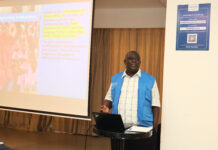
“We founded WRAP after observing a persistent and painful gap,” says Abraham Juma Ogutu, Executive Director. “Well-intentioned policies were failing to reach the girls in our settlements. They faced high rates of pregnancy and violence, yet were consistently excluded from the conversations about their own lives.”
Moving Beyond Information to Empowerment
WRAP’s initial focus was education. But its leaders soon confronted a fundamental truth: information alone cannot repair a broken system.
“The community taught us that knowledge didn’t automatically change outcomes,” Ogutu explains. “Girls were being treated as passive victims. We decided to flip that model entirely.” Today, WRAP treats young women as the primary architects of their futures. Their “Holistic Empowerment” model addresses the full spectrum of a young woman’s life:
-
Green Livelihoods: Training in creating marketable eco-products from recycled waste.
-
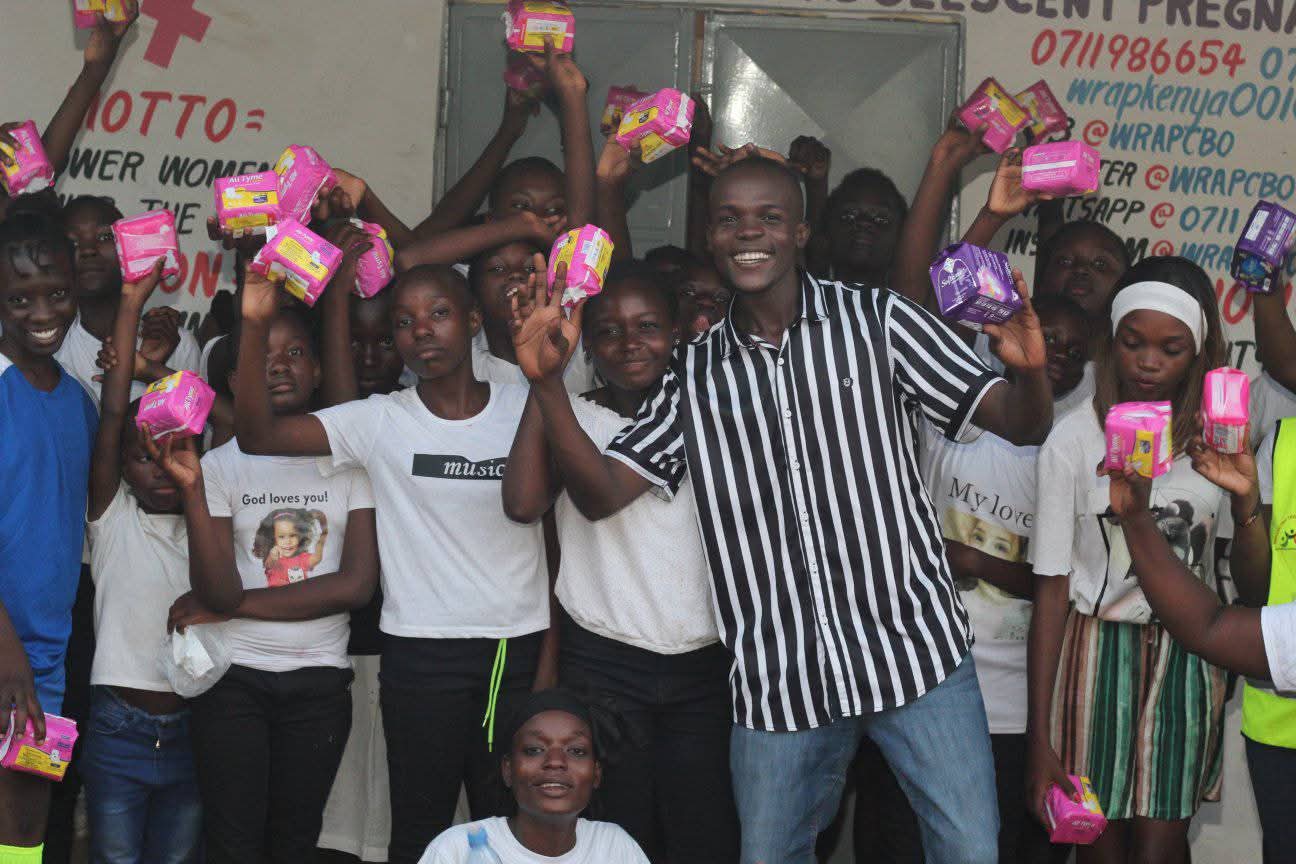
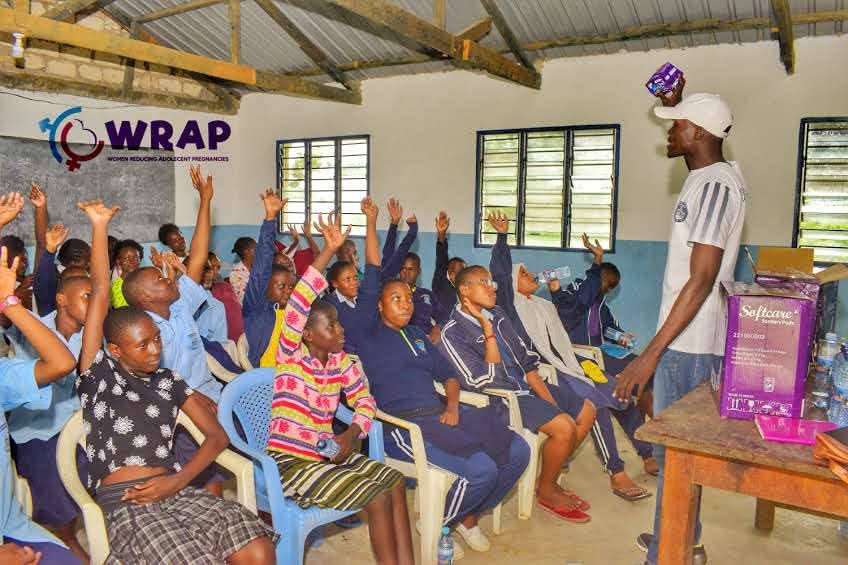
The Pad Bank: Combating “period poverty” to ensure girls can attend school consistently.
-
Table Banking: Fostering financial independence through community-led savings and microloans.
Dismantling Stigma at Its Root
In Mombasa, adolescent pregnancy is often met with harsh moral judgment. WRAP’s INFOSAFE Project (Informed Decisions, Safer Futures) works to dismantle this stigma by reframing the narrative.
“One of the most damaging myths is that adolescent pregnancy is solely a result of irresponsibility,” says Ogutu. “INFOSAFE shifts the conversation to the structural drivers—poverty, inequality, and lack of access. We move the focus from individual blame to collective solutions.”
By identifying poverty and gender inequality as the root causes, WRAP lifts the burden of shame from individuals and places the onus for change on the community. This is reinforced by a female-led mentorship model, connecting girls with women who have navigated similar paths and offer guidance without judgment.
Mobilizing the Entire Community
WRAP operates on a core principle: you cannot empower girls in isolation. Lasting change requires mobilizing the entire social fabric.
-
Men and Boys: Engaged as allies in mixed-gender dialogues to redefine healthy masculinity.
-
Elders and Leaders: Involved as cultural custodians to ensure programs are respectful and sustainable.
-
The Arts: Utilizing theatre and dance to spark dialogue on topics often shrouded in taboo.
The Unseen Link: Environment and Empowerment
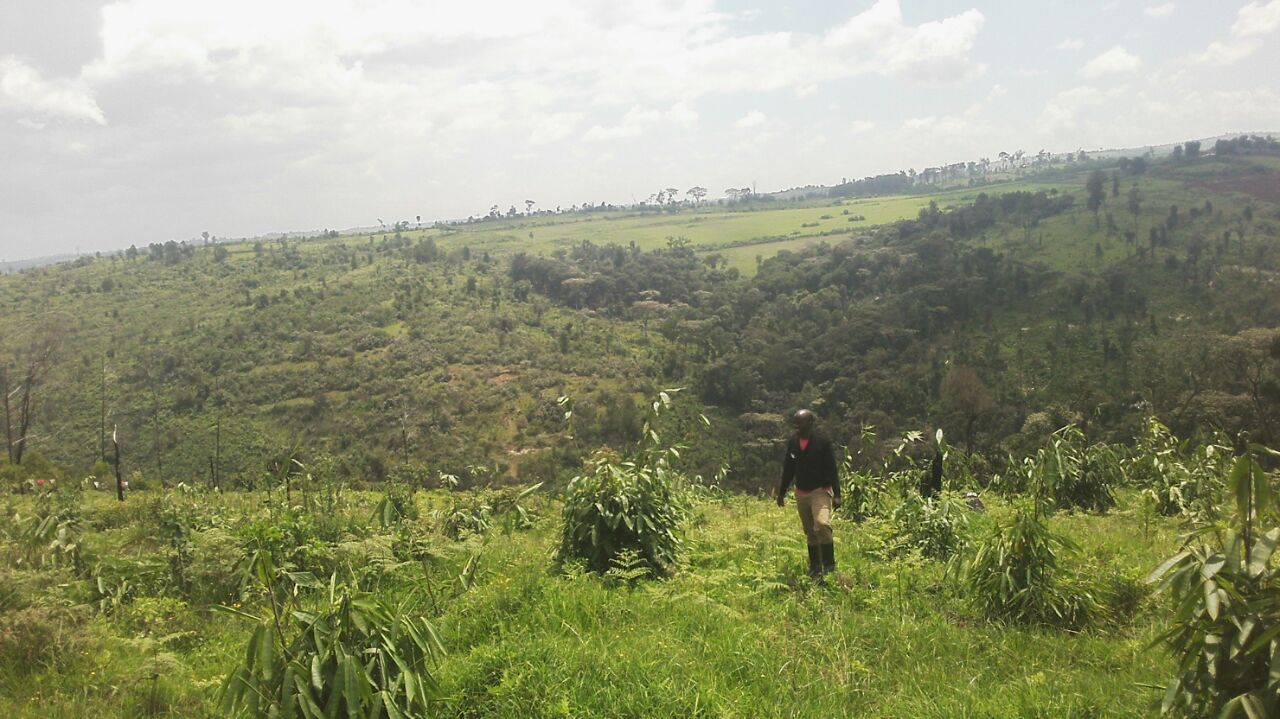
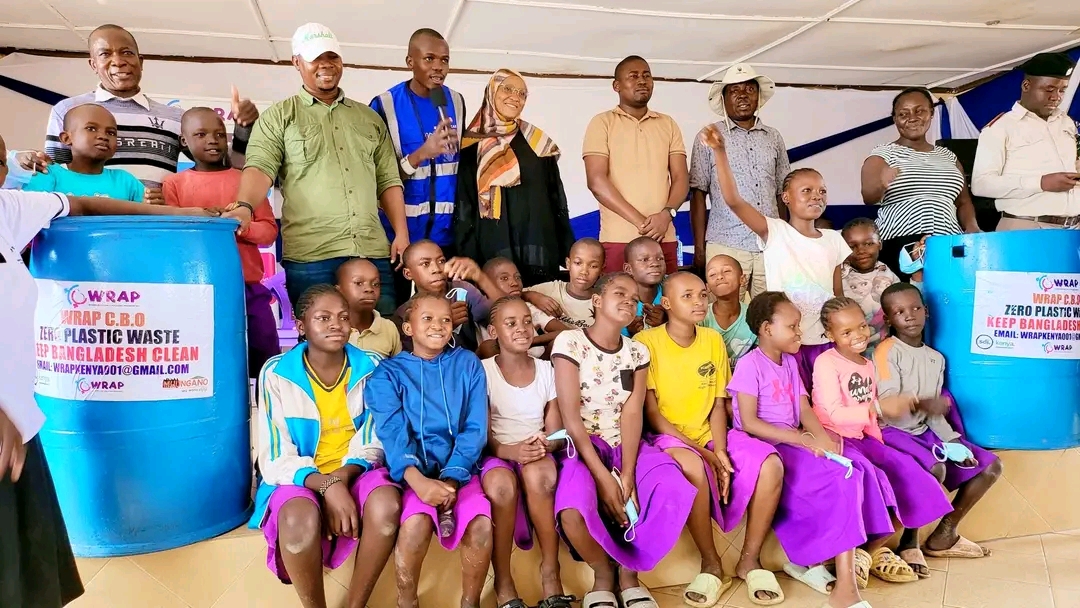
A distinctive feature of WRAP’s approach is its deliberate link between personal and planetary health. Monthly clean-ups and tree-planting drives are not mere activities; they are acts of environmental stewardship that build communal pride.
“Healthy communities, safe environments, and dignified livelihoods are deeply interconnected,” Ogutu notes. By training young women to transform waste into wealth, WRAP directly connects climate resilience with economic survival.
The Path to Lasting Impact
For those looking to support genuine, grassroots change, Ogutu emphasizes a clear path.
“Supporting organizations like WRAP means ensuring resources reach the ground where trust already exists,” he concludes. “That is the foundation of sustainable impact.” Investing in WRAP—through funding, partnerships, or skill-sharing—is an investment in a future designed and built by the community itself.