|
Getting your Trinity Audio player ready...
|
By Scovian Lillian
Nairobi, Kenya: In many villages, hazardous waste poses a silent threat, spreading through water after heavy rains, rising from contaminated soil during hot afternoons, or drifting through the air as smoke from burning trash.
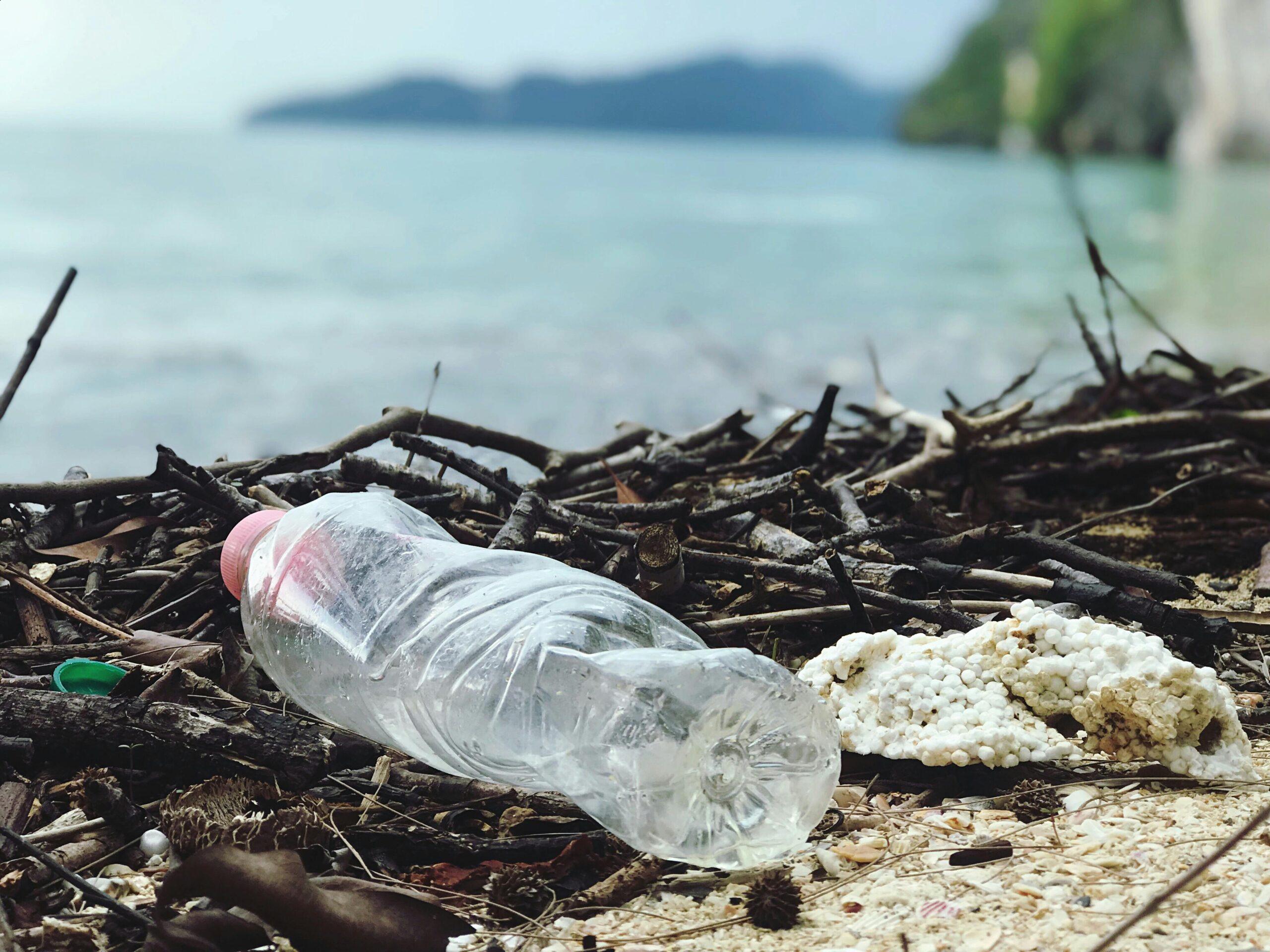
Such waste includes old batteries, used electronics, chemical containers, pesticides, medical waste, and industrial by-products. Some is generated locally by hospitals, farms, garages, and small industries. Other waste enters countries illegally, often labelled as second-hand goods or recyclable materials. Once inside, it is frequently dumped in open spaces, abandoned quarries, riverbanks, or poorly managed landfills.
The impact on nearby communities is rarely sudden. Instead, the effects emerge gradually. Boreholes that once supplied clean water begin to smell or change colour. Children develop recurring skin rashes or persistent coughs. Crop yields decline after years of planting in contaminated soil. Livestock fall ill after drinking from streams downstream of dumping sites.
“These impacts are often blamed on weather, fate, or ordinary illness,” said Alex Mangwiro, Regional Coordinator for Chemicals, Waste and Air Quality at the United Nations Environment Programme (UNEP) and Programme Management Officer at the Bamako Convention Secretariat. “But in many cases, toxic exposure is a hidden cause.”
Mangwiro said hazardous waste dumped or burned releases chemicals that spread far beyond the disposal site.

“Smoke is inhaled directly, while toxins seep into soil and are washed by rain into rivers, wells, and groundwater,” he said. “Crops and animals absorb these substances, which then enter people’s bodies through air, food, and drinking water.”
UNEP has observed a range of health effects linked to exposure, including breathing difficulties, skin and eye irritation, headaches, and stomach illness, Mangwiro said. Long-term exposure can damage the brain, kidneys, and liver, with children particularly vulnerable to heavy metals such as lead and mercury.
Because many hazardous substances are invisible and odourless, exposure often goes unnoticed until health problems appear.
These risks prompted African states to adopt the Bamako Convention in 1991. The treaty bans the import of hazardous waste into Africa and requires countries to manage locally generated waste in an environmentally sound manner.
The convention was developed after repeated incidents in which toxic waste was dumped in African countries, often in poor or rural areas with weak regulation and limited community awareness.
Illegal dumping continues, and informal recycling sites, especially for electronic waste, often operate without protective equipment. Workers, including young people, dismantle electronics by hand, exposing themselves to lead, mercury, and other toxic substances that can damage the nervous system, kidneys, and brain, especially in children and pregnant women.
The health consequences can last for years. Some hazardous substances persist in soil and water long after dumping has stopped, accumulating in crops and fish and entering the food chain. Repeated exposure can lead to chronic illness, placing additional strain on families with limited access to healthcare.
The Bamako Convention also emphasizes the right of communities to information, requiring that people be informed about what is being dumped near them, the risks involved, and measures that can reduce harm.
“People should avoid burning waste or allowing dumping near homes, schools, rivers, and wells, as even small-scale burning releases toxic substances,” Mangwiro said. “Local leaders can help by identifying safer collection points and working with authorities to stop illegal dumping.”
Reporting hazardous waste activities and supporting safer practices such as repair, reuse, and proper collection are also critical, he said.
“Agreements like the Bamako Convention exist to protect communities by preventing hazardous waste dumping and promoting safer waste management,” Mangwiro added.