|
Getting your Trinity Audio player ready...
|
The recent announcements by the Treasury Cabinet Secretary, John Mbadi, that the government is de-funding free public education because it is no longer financially sustainable are quite concerning.
Mbadi, a proverbial Paul who was a proponent for free public education when he was in the opposition, made a 360-degree turn to become Saul barely a year after joining the government through the broad-based arrangement between his party, the Orange Democratic Movement ODM and President Ruto’s Kenya Kwanza Alliance.
In Mbadi’s argument, the government has no money to fund education. Surprisingly, though, the remarks come at a time when the government collected a whopping KShs 2.56 billion in 2024 compared to Kshs 192.4 billion when the government first introduced free and compulsory primary education.
In justifying why the government can no longer afford to fund education, the remarks by Ms. Florence Jematiah, the Baringo Woman Representative and a UDA honcho, have not made matters better, and to say the least, they are quite unsettling.
In her remarks when she appeared before a Nairobi-based radio station, she said that free education leads to poor quality education. She did not explain how she arrived at the conclusion.
Faced with claims that free education leads to low quality and congestion, President Mwai Kibaki soldiered on and let the students learn.
By the stroke of the pen, two million students enrolled in the primary school system, increasing the gross enrolment rate by 29% from 5.9 million to 7.6 million pupils.
Today, the high literacy levels currently witnessed in Kenya are a product of that decision that was largely criticized by Kibaki’s opponents.
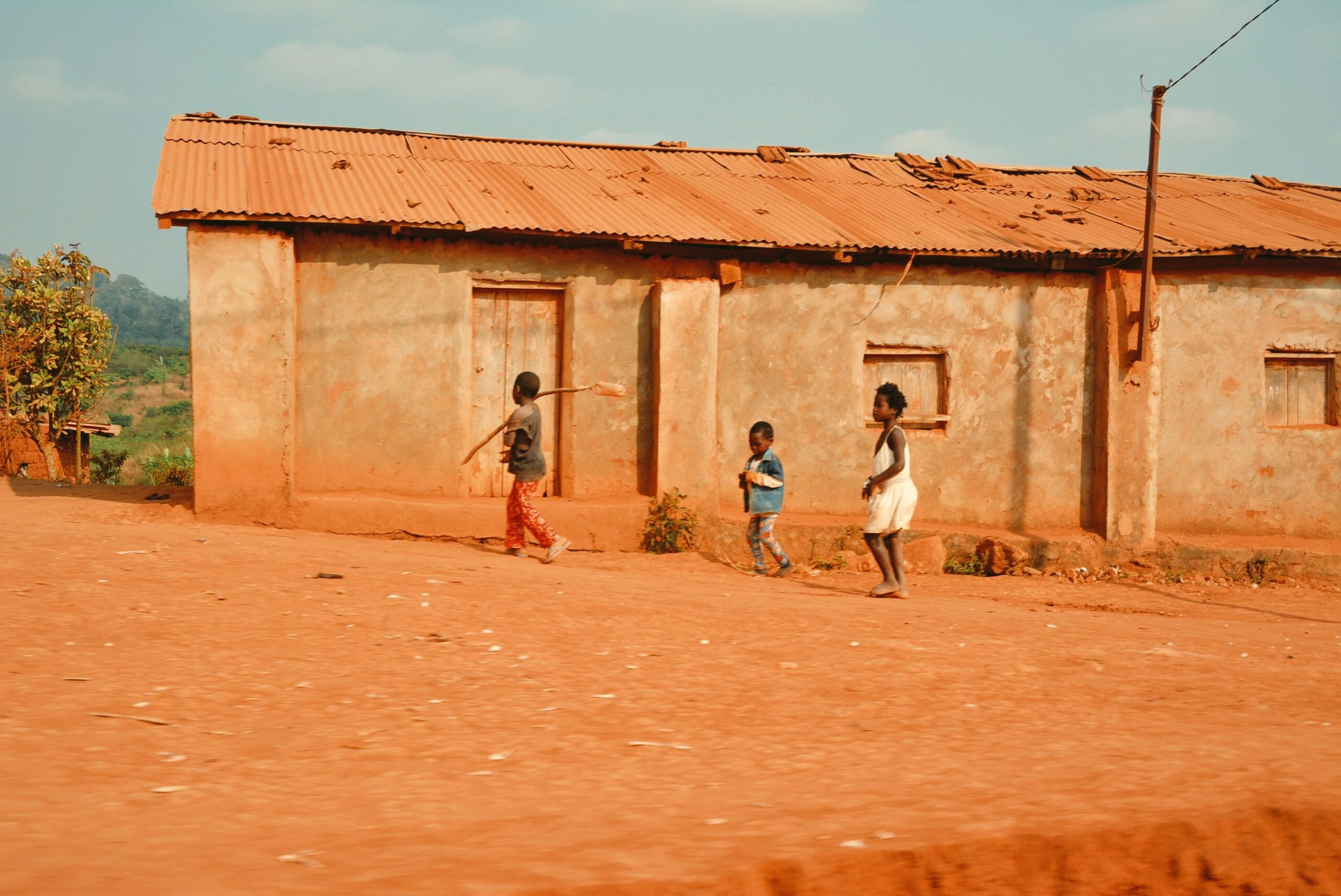
Ms. Jematiah ought to know that it is the constitutional responsibility of the government to provide education to its children.
Jematiah, like Maria Antoneitte, once remarked when she was told that starving peasants were protesting because there was no bread, asked why they could not eat cake.
There are many people who cannot afford bread, let alone dream of cakes, in many parts of the country, including urban areas.
The burden of bringing up children is heavy enough that asking them to pay school fees for their children is tantamount to confining them and their generations to endless cycles of poverty.
In the words of the famous South African freedom fighter Nelson Mandela, education has the capacity to change the son of a miner into a manager in the mine.
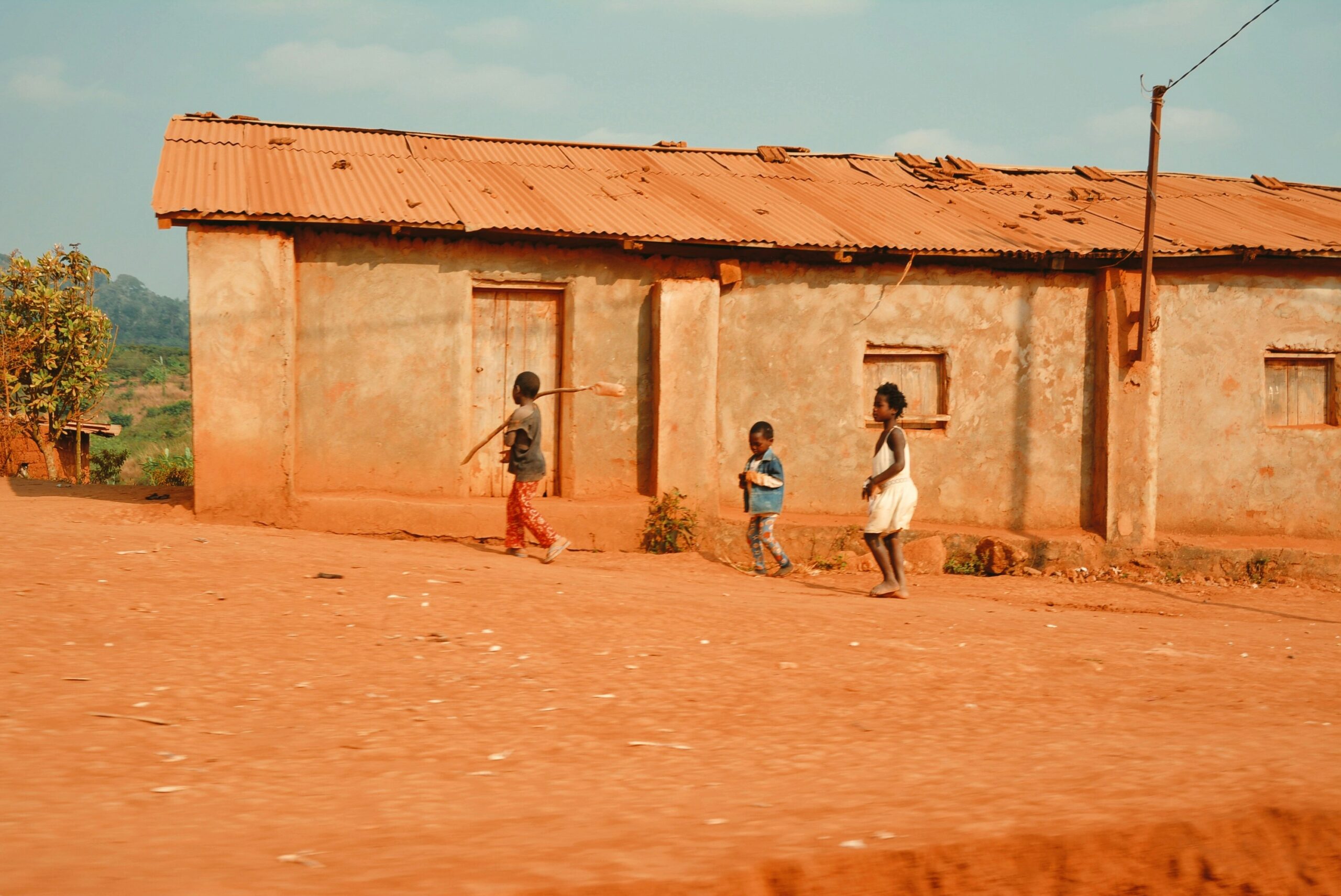
Sample this. Growing up in Elburgon, Nakuru County, one of the things that defined us was a lack. We did not have food, let alone shoes. Our parents owned nothing. We wore tattered clothes, and the only hope that inspired us was the belief that education could change our fortunes.
The school milk programme introduced by the late President Daniel Arap Moi was particularly critical in keeping many of us at school. We drank milk with relish, as many of us from poor backgrounds could not afford the same at home.
For someone who went to a private academy, the above scenario sounds like grandmother tales, and they wouldn’t understand the pain of being poor.
They wouldn’t connect with a child carrying “Giboru” (fried maize flour mixed with sugar) or just roasted maize as their lunch.
The battle to feed families and meet other obligations then was as intense as it is still today. The demand to bring up healthier and economically stable families is as high as it can ever be.
When the government provides education, and especially free and compulsory education, it is based on the realization that there is one child who will emerge from the lowest social, economic, and cultural class and change the fortunes of him or herself, that of their family, and society.
Without education that is easily accessible and affordable, there are many children, and especially those from marginalized communities, who would remain confined to their areas because they cannot afford the hefty fees that are likely to be charged willy-nilly by crafty educational administrators.
Girls are likely to suffer more if the government goes ahead to fully defund education in a move that would go against United Nations Sustainable Development Goal number 4, which seeks to ensure inclusive and equitable quality education and promote lifelong learning opportunities for all.
If Kenya has to remain globally relevant in the provision of qualified human and technological resources, it has to keep striving to educate its children, no matter the cost.