|
Getting your Trinity Audio player ready...
|
By Rodgers Omondi
Busia County, Kenya: The Kenyan government is set to implement an Animal Identification and Traceability System (ANTITRAC) to track livestock details, including ownership, breed, and vaccination history.
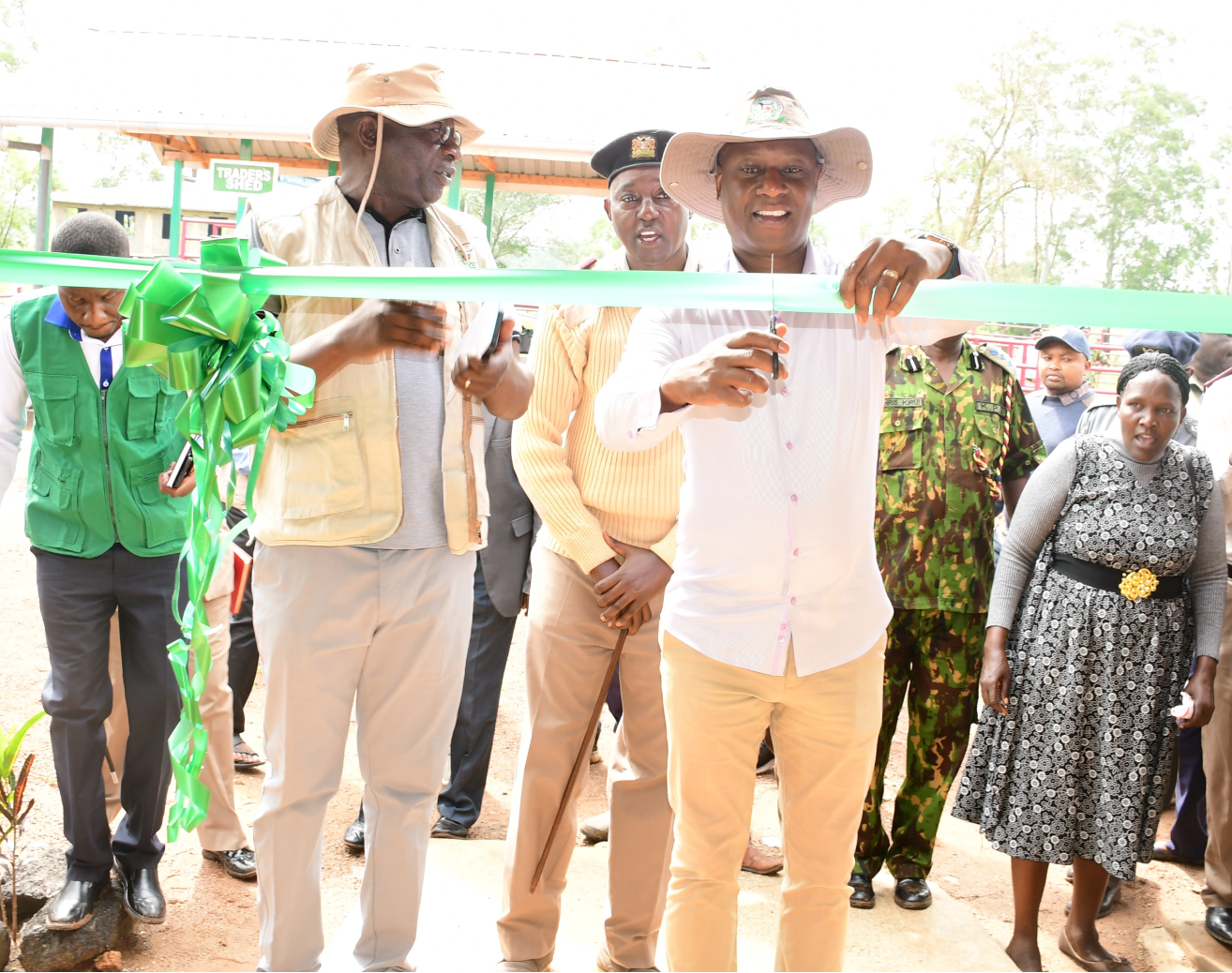
Speaking during the launch of the Nambale Livestock Sale Yard in Busia County, Livestock Development Principal Secretary Jonathan Mueke revealed that the ANTITRAC software, currently in its pilot phase at government farms, will soon be deployed nationwide. Each animal will receive a unique identification number linked to a digital tag.
“Every animal will have a tag with a microchip. When scanned, the system will display the owner’s name, the animal’s weight, date of birth, milk production levels, and vaccination records,” Mueke explained. “This will enhance market transparency and increase livestock value, benefiting farmers.”
Enhancing Livestock Quality & Productivity
The PS emphasized the government’s commitment to improving livestock quality through initiatives like the National Breed Improvement Program, which includes subsidized artificial insemination and embryo transfer.
“Market demand for Kenyan livestock products is high, but low productivity remains a challenge. These interventions will help farmers meet quality and quantity demands,” he added.
Modern Market to Boost Employment
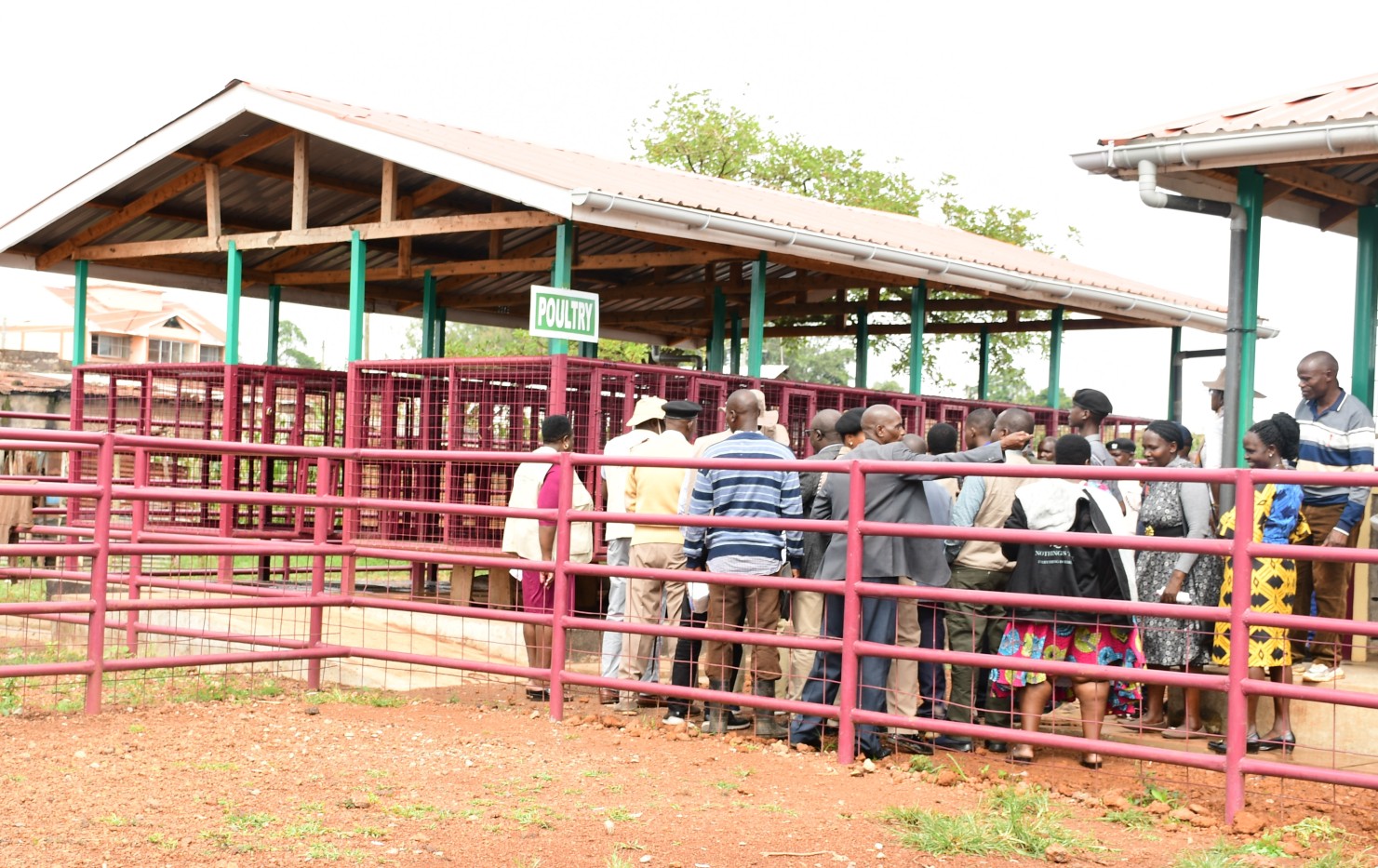
Mueke praised the newly constructed Nambale Livestock Sale Yard, calling it a modern facility with quarantine zones, sale yards, shades, stalls, and administrative offices.
“This market will create job opportunities in transport, security, casual labor, and food services, aligning with the government’s agenda to empower youth,” he said.
The Ksh 23 million project was funded by the national government in partnership with Busia County under the Kenya Livestock Commercialization Project (KELCOP).
Busia’s Livestock Potential
Director of Livestock Production Bishar Fille Elmi highlighted Busia’s strong livestock sector, noting:
- 1.2 million poultry
- 217,000 cattle
- 197,000 goats
- 112,000 sheep
“Last year, 72,000 cattle, 96,000 sheep and goats, and 100,000 poultry were vaccinated,” he said.
Boosting Production & Curbing Theft
Busia County CECM for Agriculture George Mukok stated that the market would stimulate livestock production in the region.
“The quarantine section ensures only healthy animals are sold, while the national identification system will reduce livestock theft,” he said.
Mukok also announced plans for a county law to allocate a portion of market revenue for maintenance purposes.
Encouraging Farming for Industrial Growth
Busia County Commissioner Mwachaunga Chaunga urged residents to increase farming activities to supply raw materials for upcoming industries, including the Export Processing Zone (EPZ) and Nasewa County Aggregation and Industrial Park.
“The government is building 11 markets to support local traders,” he added.
Market Committee’s Perspective
Nambale Market Management Committee Chairperson Jackline Musungu welcomed the project, saying it would reduce livestock theft.
“Previously, we lacked secure holding areas. This modern market ensures our animals are safe and well-managed,” she said.
Musungu added that KELCOP had trained traders on market rights and best practices.