|
Getting your Trinity Audio player ready...
|
By Fridah Okachi
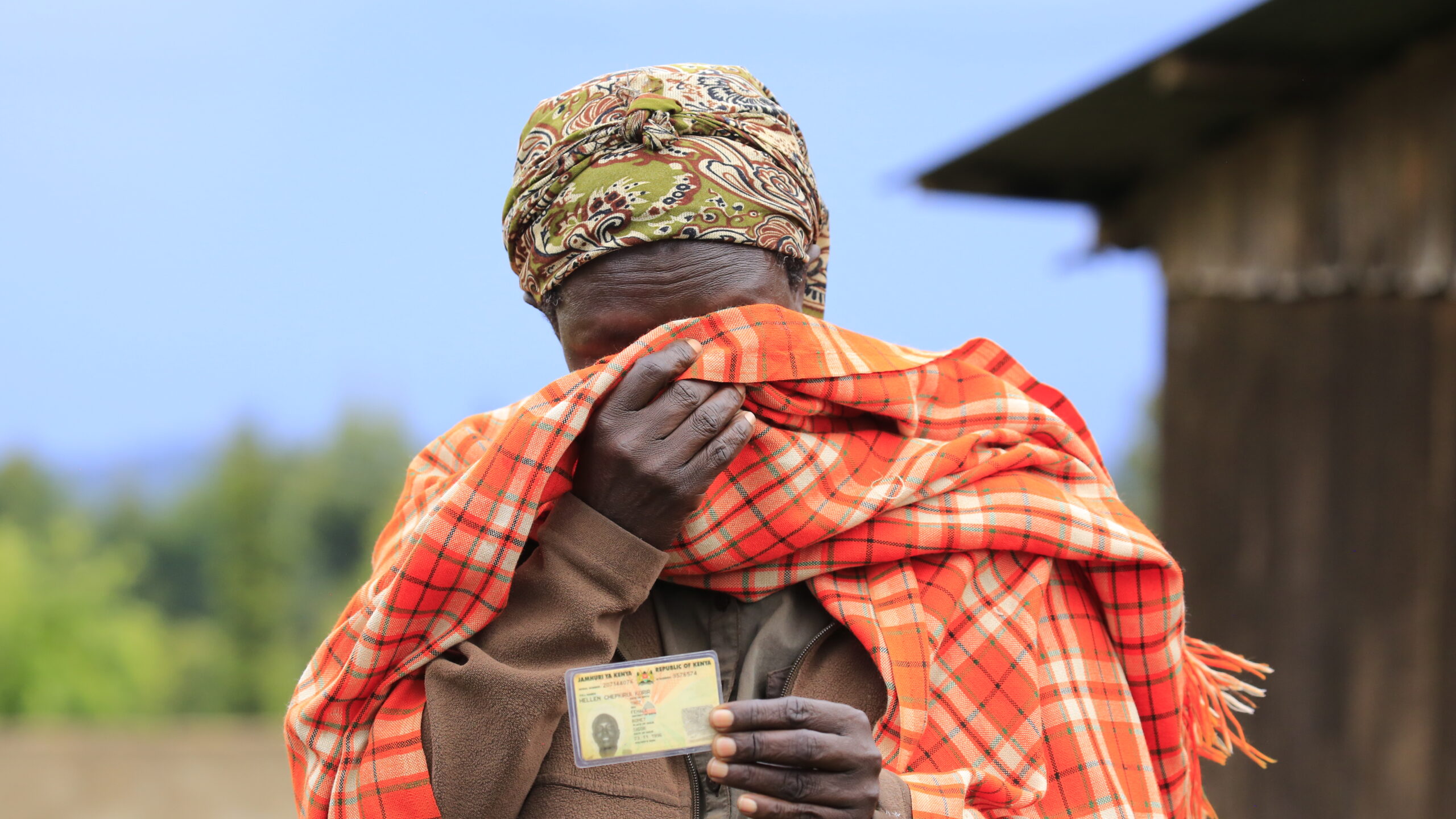
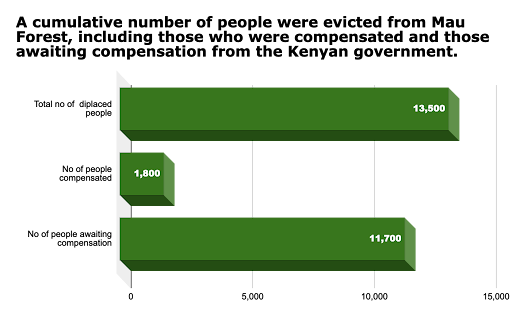
Nakuru County, Kenya: Five years after armed police torched their homes and forced them from the Mau Forest, over 11,700 families still languish in limbo, crammed into single-room rentals, squatting on friends’ land, or clinging to the edges of displacement camps. Only 1,800 households have received meager government payouts, while allegations of brazen corruption siphon funds meant for the desperate.
“In the first phase of this resettlement, 2,000 families were slated to receive an estimated two hundred ninety-nine thousand Kenyan Shillings (299,000 KSH). However, out of the 2,000 selected families, only 1,800 received compensation. Two hundred families did not receive their compensation due to a corrupt compensation process,” as stated by H.E. Patrick K. Ole Ntutu.
Years after being uprooted from their homes in Mau Forest, the fate of 11,700 families remains uncertain. They live in conditions akin to exile within their own country, squeezed into rentals, camping in friends’ compounds, and clinging to the government’s unfulfilled promise of permanent resettlement. Only 1,800 families have received compensation, leaving 11,700 still awaiting assistance. This situation highlights the government’s long journey in addressing the needs of the evicted families from the Mau Forest.
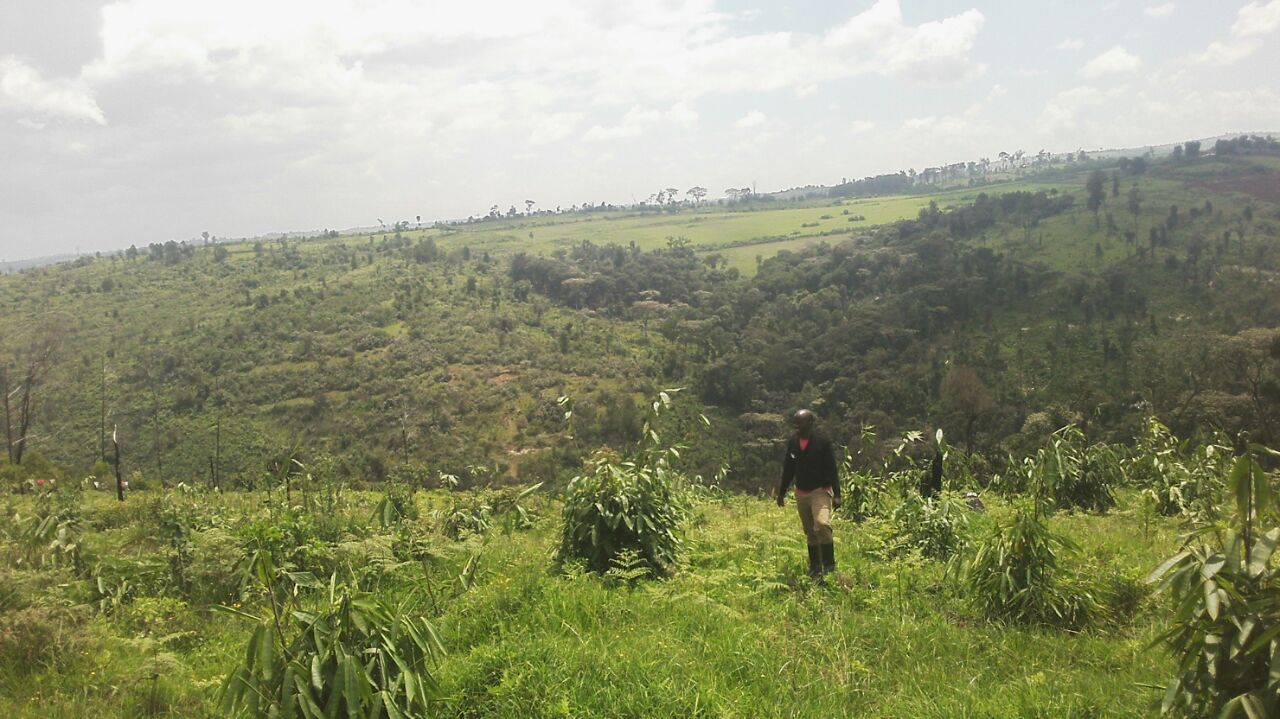
Mau Forest, East Africa’s largest indigenous montane forest, was at the heart of a government-led conservation effort that sparked the mass evictions. But while the forest slowly recovers, the human cost of saving it continues to haunt those who once called it home.
The evictions impacted not only ordinary Kenyans but also notable individuals. Notably, Mr Jefferson Langat, a nominated Member of the County Assembly (MCA) in Narok and a committee member who listed the victims, stated that the eviction of 13,500 people was politically motivated.
A Conservation Effort That Became a Human Catastrophe
“I was born and raised in the area known as Mau Forest. Many people lost their property, and most have not been compensated. Out of the 13,500 evictees, only 2,000 have been resettled,” said Mr. Langat. The 2,000 evictees were from the Ololunga, Melelo, Sogoo, and Segemian wards in Narok South Constituency, areas initially occupied by the Ogiek and Kipsigis communities.
These 2,000 were resettled in 2024 due to concerns from both the national and county governments that the heavy rains at the time would affect those still living in temporary camps.
“President Ruto allocated KSH600 million from his own coffers. This money was used to compensate 2,000 people in the camps. The rest, who were listed in phases two and three, are yet to receive anything,” Langat added.
Zipporah Langat, who lived in the camps, told the Nation they received a three-month notice to vacate the forest.
After three months, police officers came to evict us from our homes. My husband and I were removing maize from our granary when, unfortunately, the granary and our house were destroyed by fire,” Zipporah recounted.
With nowhere else to turn, she was directed to the camp. During the registration process for the KHS 299,000 grant, she hoped her family would finally find a place to settle. However, she noticed that the list kept changing, and by the fourth revision, her name and her husband’s were missing.
“Corruption was rampant during the listing process. Our names were replaced with those of people who had paid KSH 50,000 or KSH100,000 but were not real victims,” Zipporah said.
After three months, those who had opened bank accounts received the money and were required to leave the camp.
“The government didn’t want anyone to remain in the camp. My family and I had to leave and were hosted by a friend here in Kamwengoi,” added Zipporah.
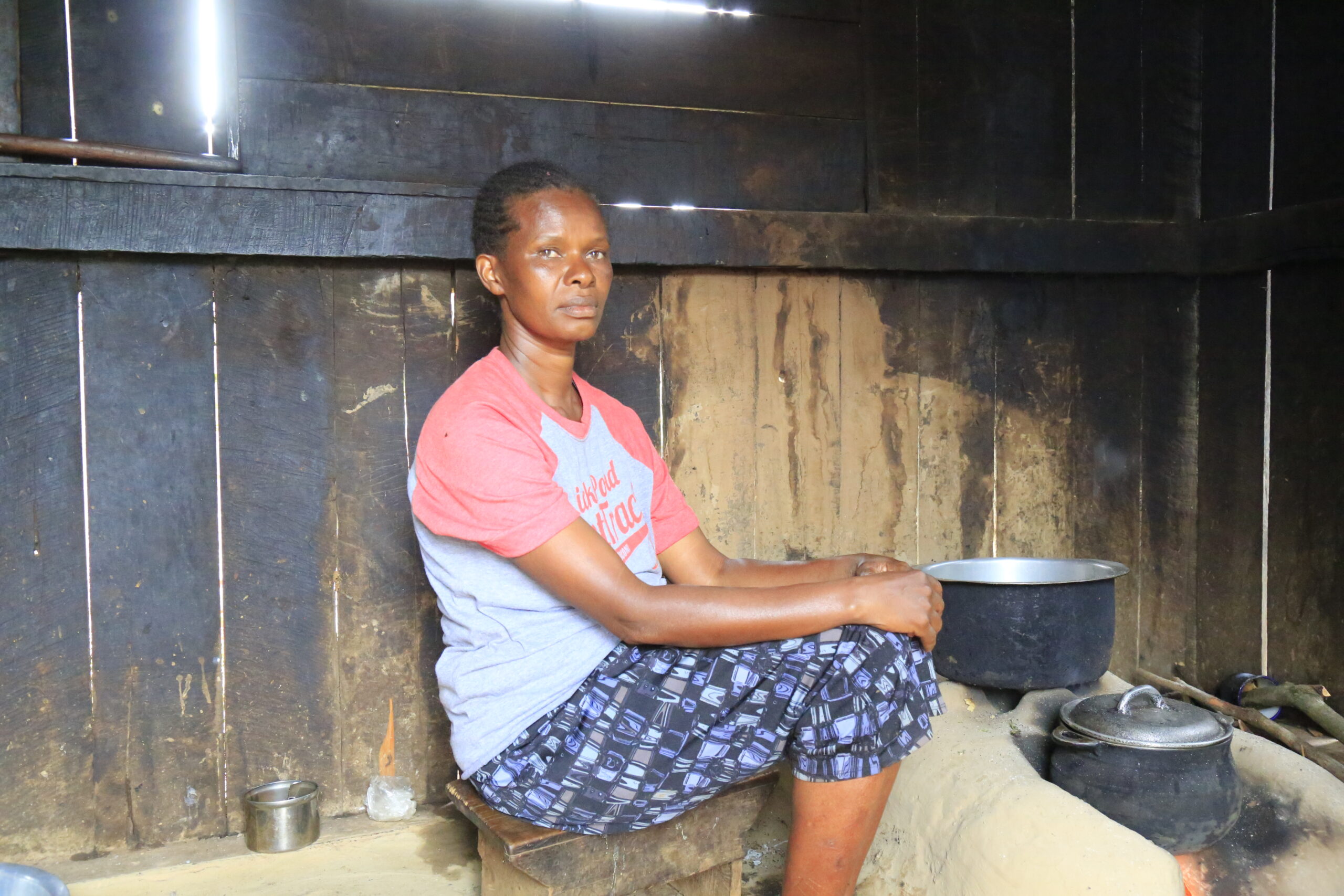
The mother of five now lives in a small room that serves multiple functions.
“This one room houses me, my husband, and our five children. During the day, it’s used for cooking. In the evening, we rearrange everything to create a sleeping space,” she explained.
“This life is difficult. I beg the government to let us return to Mau. Sometimes my husband and I are forced to sleep outside because our children are now grown and space is limited,” she said, tearing up.
Just 200 meters away, Talkafrica met another family that had been moved from one farm to another as landowners returned to reclaim their land. Esther Kemboi, overwhelmed with stress, expressed fear about being evicted again while living in the house with her seven children.
“I don’t understand why I registered and opened a bank account that never received any money. I don’t know when the landowner will kick me out again,” she lamented.
Like many others in the area, the family had opened bank accounts, assuming financial support would follow, but the funds never materialised.
Talkafrica confirmed that the beneficiaries included close associates of local leaders who were not genuine victims.
P.K.T., whom we decided to use initials for security, had close ties with politicians that helped him receive the funds without lifting a finger. P.K.T. stated that he received a call from the individuals registering names and was asked to provide his ID and bank account number to receive the funds.
“I was going about my usual business when I received a call. It was a politician who asked me to share my full name, ID number, and bank account details,” he recounted.
“Three months later, I received the money. I wasn’t an actual victim, but it was a token of appreciation from the politician because I helped him during his campaign and helped him get the seat he was contesting for,” P.K.T. added.
Another beneficiary, John, expressed anger at the politicians involved, even though he received the money that could have helped a genuine victim among the 2,000.
John said he was asked to give up 30% of the KSH299,000 he was meant to receive.
Without hesitation, he gave up KSH100,000.
“To be honest, politicians hijacked the compensation process. I paid KSH 100,000 and later received KSH 299,000,” he revealed.
Langat dismissed claims that non-victims received the money, stating that those from Ololunga ward who did not receive the funds were taken to land purchased by Narok leaders.
“After the money came in, many people left the land we had purchased as leaders. Those who couldn’t afford to rent houses and were listed in the second phase were allowed to live there. They are among the 11,000 who have not received anything,” Langat clarified. He explained that those who missed out in the second phase were individuals without national ID cards.
“In my ward alone, there are 13 people who don’t have any identification documents. Some opened accounts under their relatives’ names. For example, a woman opened an account under her husband’s or brother’s name, and later claimed the man disappeared with her money,” he added.
He urged the government to allow the victims to return to their original land, which he said was not part of the Mau Forest.
“You know, even if you are given KSH 300,000 and lose a house worth KSH 3 million, it doesn’t solve anything. The land they lived on was Trust land, not inside the Mau Forest. After they left, that’s when it was declared part of the Mau Forest in the newspapers. The President should reopen the area and allow people to go back because they had valid documents,” he concluded.
During our investigations, we encountered several octogenarians, such as Imarisha Sacco, who could not access the funds despite confirming their grants with their respective financial institutions. According to one bank manager, the issue stemmed from name discrepancies during registration, despite these individuals appearing on the original list of evictees.
I made significant efforts through multiple communication channels to reach the Ministry of Interior, which declined to comment on the issue of transferring money. However, they noted that it was a critical matter that they would investigate.
The project received support from the Thomson Reuters Foundation through the Media Foundation for West Africa, as part of its global work aiming to strengthen free, fair, and informed societies. Any financial assistance or support provided to the journalist has no editorial influence. The content of this article belongs solely to the author and is not endorsed by or associated with the Thomson Reuters Foundation, Thomson Reuters, Reuters, nor any other affiliates.